🚀 NEW WHEATPASTING MARKETS Discover our wheatpasting campaigns in : 🇬🇧 London • 🇨🇦 Canada • 🇲🇽 Mexico City

American Guerrilla Marketing

Nationwide Service

Media planning, media buying, billboard advertising, & guerrilla marketing

Fly Posting in Louisville, KY

Sidewalk Decals Advertising in Louisville, KY

NuLu’s arts corridor, Bardstown Road’s independent retail spine, and Whiskey Row’s bourbon tourism economy make Louisville a fly posting market that punches well above its population — AGM puts your campaign exactly where the foot traffic concentrates.

Louisville’s Street Culture Is Nationally Relevant — and That Changes How Campaigns Work Here

Louisville is Kentucky’s largest city, but population size alone doesn’t explain why it works as a fly posting market the way it does. What makes Louisville distinctive — and what makes it meaningfully different from other mid-sized American cities with comparable population figures — is the convergence of a nationally recognized arts and food scene, a bourbon tourism economy that draws brand-savvy visitors from across the country, and a set of walkable entertainment districts whose physical character is genuinely well-suited to street-level advertising. The NuLu arts district along East Market Street. Bardstown Road through the Highlands. Clifton’s Frankfort Avenue. West Main Street’s Whiskey Row. These are not interchangeable neighborhood designations on a planning map — they are distinct pedestrian environments with distinct audience profiles, distinct times of peak activity, and distinct creative contexts that shape how a fly posting campaign should be conceived and executed in each one.

The NuLu Arts and Cultural District along East Market Street between Shelby Street and Peterson Avenue has become one of the most cited examples of successful arts district development in a non-coastal American city. Gallery spaces, farm-to-table restaurants, design studios, independent retail, and a deeply embedded creative community have transformed what was formerly an industrial corridor into a genuinely walkable, aesthetically vibrant neighborhood that draws both committed Louisville residents and regional and national visitors who know exactly where they want to eat, drink, and browse. The foot traffic on East Market Street on a Saturday afternoon is not random — it’s a self-selected audience of culturally engaged adults who have chosen to be there specifically because of the neighborhood’s creative character. That’s the demographic profile that makes NuLu one of the most effective fly posting corridors in the state: the audience isn’t passing through incidentally; it’s arrived specifically for the kind of experience that street-level creative amplifies.

Bardstown Road through the Highlands adds a different dimension — a mile-long independent commercial corridor that runs south from the intersection with Eastern Parkway through the heart of Louisville’s most walkable residential neighborhood, lined with independent bookshops, craft beer bars, vintage clothing stores, neighborhood restaurants, record shops, and live music venues. The Highlands demographic — 24–40 creatives, long-term Louisville residents with strong community ties, young professionals who chose this neighborhood over the suburban alternatives — is among the most brand-loyal and recommendation-influential audiences in the city. A poster campaign on Bardstown Road doesn’t just reach the pedestrians who pass it during the campaign window; it reaches the neighbors who discuss it, the Instagram users who photograph it, and the social networks that extend the campaign’s reach beyond the physical installation footprint.


Louisville's Best Streets Are Ready for Your Campaign

AGM executes fly posting across NuLu, Bardstown Road, West Main Street, Clifton, and Shelby Park with in-house installation crews and GPS-documented proof at every placement. Derby week or year-round — we're ready when you are.

Browse Cities in Kentucky

Select a city to explore Fly Posting Advertising opportunities.

Nulu — East Market District: Louisville's Most Concentrated Pedestrian Arts Corridor

East Market Street and Story Avenue — The NuLu Core

The blocks of East Market Street between Shelby Street and Clay Street form the highest-concentration pedestrian arts and dining corridor in Louisville. Gallery First Fridays, the weekly rotation of restaurant openings, and the consistent draw of NuLu’s anchor dining destinations create foot traffic that peaks on Thursday through Sunday evenings and sustains respectable midday volume during the week from the neighborhood’s growing office and studio population. The brick facade architecture of the former warehouses along East Market Street provides ideal surfaces for fly posting installations — texture, scale, and visual context that elevate rather than compete with well-executed poster creative. Story Avenue running parallel to Market adds residential foot traffic from the adjacent Shelby Park neighborhood. For entertainment brands, spirits companies, arts organizations, fashion labels, and experiential campaigns, the NuLu core is the essential Louisville placement zone — the one corridor where a wheat paste campaign is seen and remembered by the city’s most influential cultural tastemakers.

Bardstown Road and the Highlands — Louisville’s Independent Retail and Nightlife Spine

Bardstown Road is the most continuously walkable commercial corridor in Louisville — a mile-plus stretch running south from Baxter Avenue through the heart of the Highlands neighborhood that concentrates more independent retail, live music, craft food and beverage, and creative class foot traffic per block than any other street in the city. The demographic profile of Bardstown Road pedestrians skews toward long-term Louisville residents who have made a deliberate lifestyle choice to live in the Highlands rather than suburban alternatives — people with strong community identity, high brand loyalty, and above-average influence within their social networks. Nightlife and restaurant traffic peaks from Thursday through Saturday, while Saturday and Sunday afternoons draw the brunch and independent retail crowd. For brands building genuine Louisville community connection rather than purely transactional awareness, Bardstown Road through the Highlands is the corridor that carries the most culturally embedded foot traffic in the market.

Clifton Arts and Dining District — Frankfort Avenue

The Clifton neighborhood along Frankfort Avenue represents Louisville’s most underrated walkable commercial corridor — a stretch of independent restaurants, specialty shops, art studios, and neighborhood bars that serves the creative professional population living in Clifton’s well-preserved Victorian and craftsman residential blocks. The demographic here skews slightly older than NuLu and the Highlands bar row — 28–45, established professional, deep Louisville roots — and carries strong word-of-mouth influence within the arts and dining community. Frankfort Avenue’s lower profile relative to NuLu and Bardstown Road also means that fly posting installations here encounter less visual competition from competing brand activations, creating proportionally higher individual poster impact at placements that hold their visual integrity through the full campaign window. For campaigns targeting the established creative professional rather than the younger arts-and-nightlife demographic, Clifton’s Frankfort Avenue is a strategically smart complementary corridor to a NuLu or Highlands primary deployment.

West Main District and Whiskey Row — Bourbon Tourism on the Walk

West Main Street between 5th Avenue and 9th Avenue is Louisville’s bourbon tourism epicenter — a stretch of preserved cast iron facades that houses the city’s most prominent whiskey brand experiences alongside Museum Row, the Louisville Slugger Museum, and the Muhammad Ali Center. The pedestrian profile along Whiskey Row is dominated by bourbon tourists: brand-aware, high-spending, out-of-town visitors in exploration mode who are specifically primed for brand discovery. This audience moves slowly — they’re looking in windows, reading signs, photographing architecture — which means dwell time with street-level creative is substantially extended compared to a commuter corridor. Fly posting installations along West Main between 5th and 9th reach the most consistently affluent and brand-engaged visitor demographic in Louisville at their most receptive moment: midway through a day designed around exactly the kind of immersive brand experience that well-executed outdoor creative can extend and amplify.

Shelby Park Neighborhood — The Rising Residential Edge of NuLu

The Shelby Park neighborhood adjacent to the eastern boundary of NuLu has emerged over the past several years as one of Louisville’s most rapidly evolving creative residential communities — a neighborhood of renovated Victorian and industrial-conversion housing blocks that has absorbed significant creative class investment as NuLu’s success has pushed housing prices upward and established residents have sought the adjacent neighborhood as an affordable extension of the same cultural community. The pedestrian corridors connecting Shelby Park to the NuLu core along Story Avenue and the cross streets feeding into East Market carry a demographic that is younger (22–35), more price-sensitive than the established NuLu or Highlands professional, and deeply engaged with Louisville’s arts and music community. For brands targeting the emerging creative class — independent fashion, entertainment, arts organizations, music — Shelby Park’s foot traffic corridors provide reach into an audience that is underserved by conventional advertising and highly responsive to street-level creative that appears in the neighborhood they chose specifically because of its cultural character.

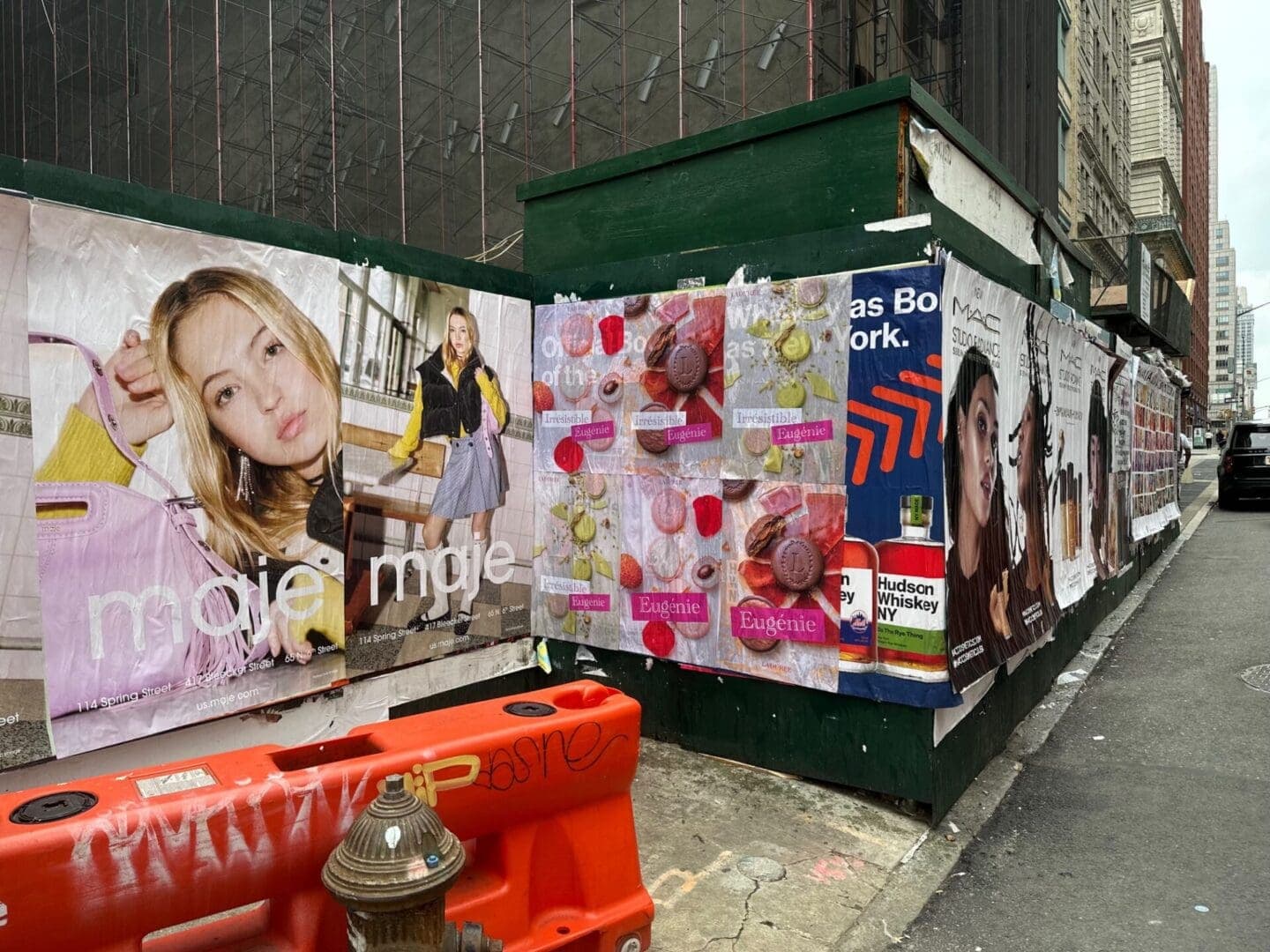
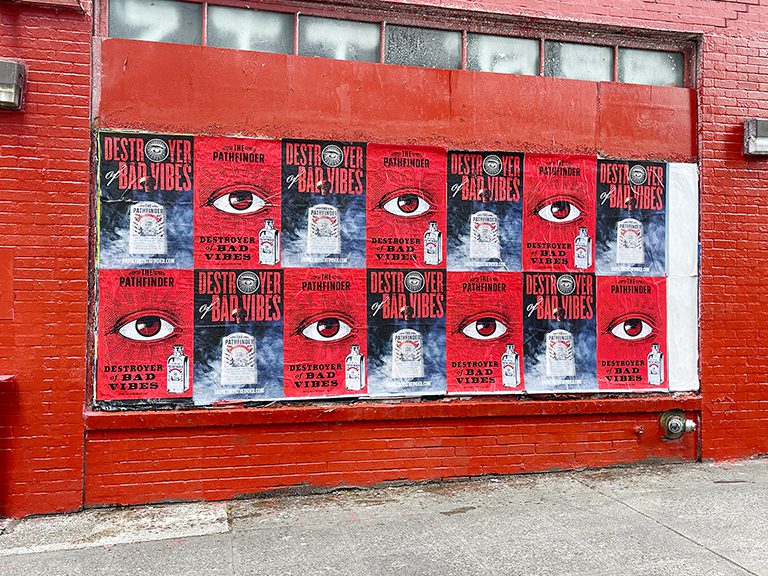
Case Study: Netflix Wheatpasting — Miami Entertainment Corridors

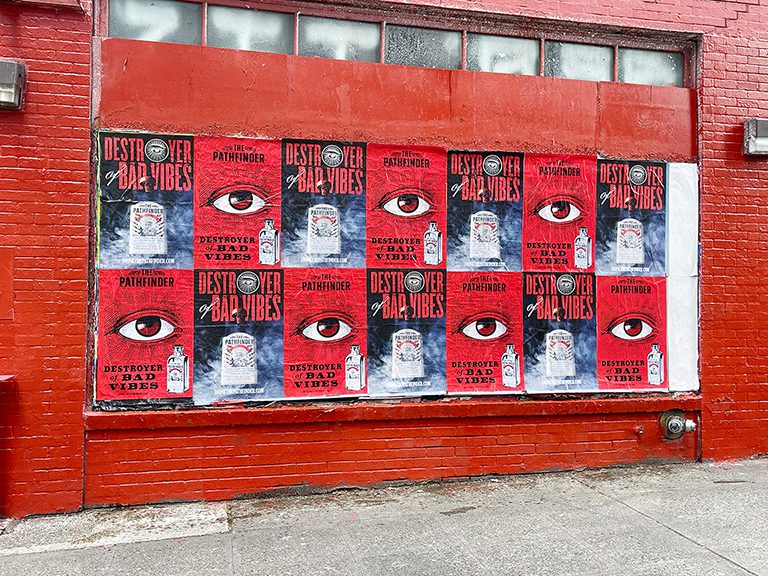
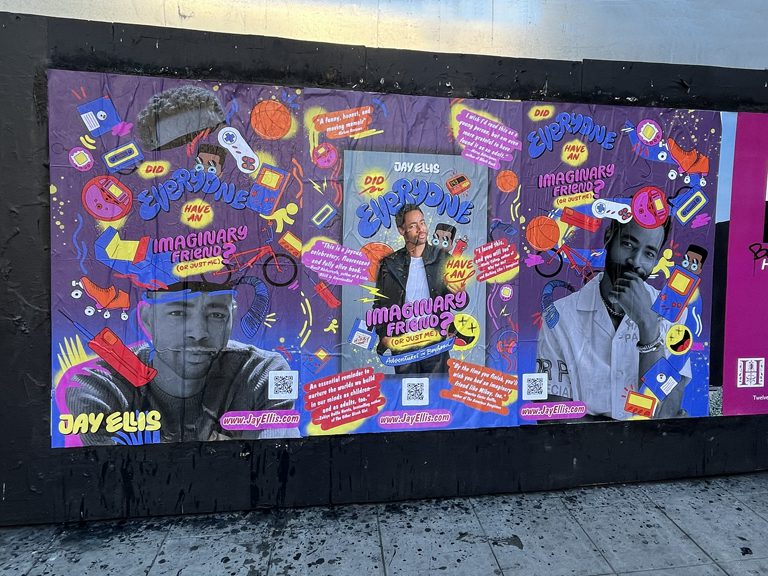
When AGM executed the Netflix wheatpasting campaign in Miami, the scale and strategic ambition of the deployment reflected what a streaming platform requires when launching content in a market where the competition for cultural attention is intense: large-format wheat paste installations in the high-pedestrian entertainment corridors where the target demographic concentrates its leisure time, deployed at sufficient volume to create brand saturation across the full entertainment geography rather than a single visible placement in a single visible block. The Wynwood Arts District, the Design District, and the Brickell entertainment corridor were chosen because they represent Miami’s concentration of the 24–40 creative and entertainment consumer who makes streaming platform decisions based on cultural positioning and peer awareness rather than traditional advertising influence. A Netflix poster in Wynwood tells that audience something about the content’s ambition and cultural relevance that a digital pre-roll ad does not.

The Louisville parallel to the Netflix Miami deployment is not difficult to trace. NuLu along East Market Street is Louisville’s Wynwood — a former industrial corridor transformed into a nationally recognized arts and dining destination whose pedestrian audience is precisely the 24–40 creative professional that entertainment platforms need to reach in a content-launch context. Bardstown Road through the Highlands is Louisville’s Brickell — a dense independent commercial corridor carrying the social young adult demographic that drives streaming content awareness and discovery through peer networks rather than algorithmic recommendations. West Main Street’s Whiskey Row is an additional layer with no direct Miami equivalent — the bourbon tourism-specific opportunity that is entirely unique to Louisville’s market character.

The Netflix campaign also demonstrated something important about the role of scale in a fly posting deployment. A small number of posters in a large market creates presence in one location — which is a placement, not a campaign. A deployment at sufficient volume to cover multiple corridors within the entertainment geography creates the saturation that transforms individual impressions into brand awareness — the repeated exposure across multiple movement paths through the city that builds the kind of recognition that changes consumer behavior. In Louisville, the NuLu core, Bardstown Road, and West Main Street together constitute the same kind of multi-corridor entertainment geography that the Netflix Miami campaign used as its operational framework. AGM brings the same direct-execution, large-format, multi-corridor strategic logic to Louisville that it brought to Miami.

Build Your Fly Posting Campaign

    Award Winning Personalized Service

    You will get thoughtful, devoted, and individualized attention from our experienced, qualified, and professional personnel. Being one of the most illustrious agencies in Brooklyn, New York, American Guerrilla Marketing has been awarded the Best of Brooklyn title.

    Nationwide

    Industry City, Brooklyn, New York 11232

    American Guerrilla Marketing

    +1 (646) 776-2770

    [email protected]

    Telegram: @americanguerillamarketing

    Hours

    Mon - Fri: 9 AM - 5 PM

    Sat & Sun: Closed

    Automate your campaign with AGM’s Request for Proposal Builder.

    Automate your campaign with AGM’s Request for Proposal Builder. Simply answer a few quick questions about your campaign goals, markets, and timeline, and the system will generate a tailored presentation with recommended strategies, quantities, and pricing. Click the RFP Builder to instantly receive your customized proposal.

    Format Selection For Louisville's Campaign Geography

    Louisville’s neighborhood character varies substantially from the warehouse-scale architecture of NuLu’s East Market Street to the Victorian commercial storefronts of Bardstown Road to the cast iron grandeur of Whiskey Row — and format selection should account for both the physical surface context and the pedestrian dynamics of each target corridor.

    24″ × 36″ — Multi-Neighborhood Coverage

    • 72-hour rush available up to 500 qty

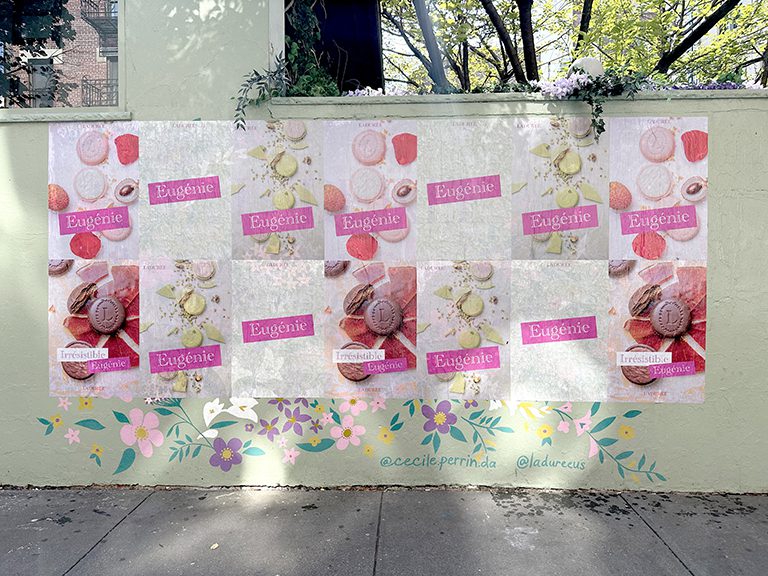
    The standard format for Louisville campaigns building reach across multiple neighborhoods — NuLu, the Highlands, Clifton, and Shelby Park — within a single coordinated deployment. At 200 posters in the 24×36 format, a Louisville campaign covers all of the city’s primary arts and entertainment corridors with enough repetition per block to build genuine brand recognition across the full deployment zone. Entertainment releases, concert tours, streaming launches, fashion brands, and consumer technology campaigns consistently use the 24×36 format in Louisville because the target demographic is distributed across multiple distinct neighborhoods that coverage volume enables comprehensively reaching.

    48″ × 72″ — Dominant Wall Presence

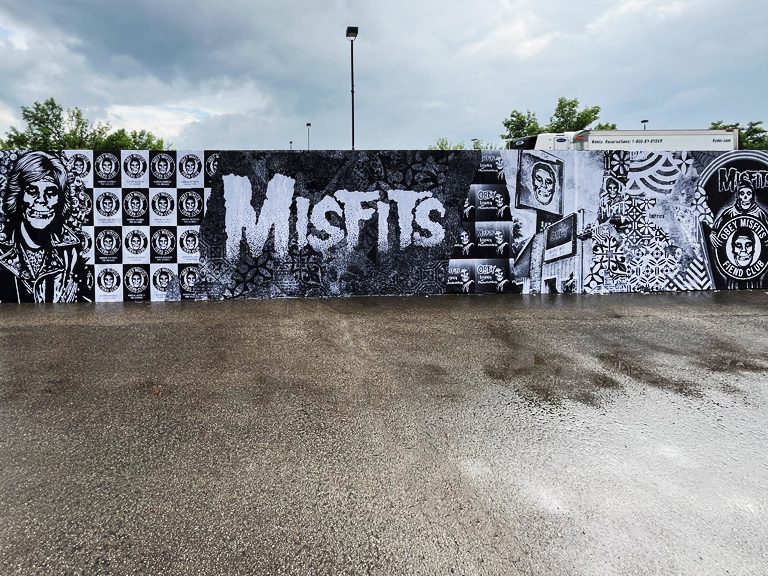
    Built for maximum visual impact on the large-surface warehouse and industrial facades that define NuLu’s East Market Street and Whiskey Row’s West Main corridor. In Louisville, the 48×72 format is at its most powerful on the brick and cast iron wall surfaces of the NuLu industrial block conversions — where the scale of the building architecture demands creative that commands equivalent visual mass. Bourbon brand campaigns, large entertainment releases, and any activation seeking to establish a dominant Louisville street presence as a campaign centerpiece use the 48×72 format as their primary creative vehicle, with 24×36 coverage extending through the broader Highlands and Clifton corridors.

    How AGM Executes Fly Posting Across Louisville's Distinct Neighborhoods

    Louisville’s campaign planning begins with a neighborhood priority analysis that maps the target demographic against the specific pedestrian character and timing patterns of each district under consideration. A bourbon brand campaign targeting the affluent visitor demographic needs a completely different corridor weighting than an entertainment release targeting the 22–28 NuLu arts community — the former prioritizes West Main Street and the NuLu core during weekday and Saturday afternoon bourbon tourism hours; the latter prioritizes East Market Street, Bardstown Road, and the Shelby Park corridor during Thursday-through-Saturday evening social hours. Both campaigns might use the same format and similar volume — the difference is in the timing, the surface selection within each corridor, and the specific block emphasis within each neighborhood footprint.

    Derby week campaigns require additional planning complexity because the pedestrian dynamics of Louisville’s entertainment districts shift substantially during the two weeks surrounding the first Saturday of May. The NuLu core along East Market Street, normally a neighborhood destination for Louisville residents, becomes a regional and national visitor destination during Derby season — with out-of-town guests who may not know the neighborhood at all walking through it specifically because their hotel concierge recommended it. Bardstown Road’s Friday and Saturday foot traffic scales significantly during Derby Festival events. West Main’s bourbon tourism volume, already strong year-round, peaks during the Derby window as the bourbon-and-racing audience converges on Louisville simultaneously. AGM’s Derby week installation strategy accounts for these shifted pedestrian patterns, weighting placements toward the corridors where visitor foot traffic is highest and timing installations to be freshly deployed during the peak Derby Festival event days.

    Production is handled in-house — the same AGM team manages print production, surface identification, and field installation without introducing outside vendors at any point in the execution pipeline. Wheat-based adhesive is applied to approved surfaces across all target Louisville corridors. Each installation is captured with GPS-tagged photography at the moment of placement, and the complete deployment is documented in a photo report delivered at campaign close. The GPS-documented reporting standard that AGM applies to every campaign means Louisville clients receive direct evidence of every placement — not a general confirmation that “the campaign ran” but specific photographic proof of each poster’s location and condition at installation.

    Brands And Categories That Activate In Louisville's Street Advertising Market

    Louisville’s market mix produces a distinctive range of fly posting campaign categories that reflects the city’s dual identity as both a bourbon-and-racing cultural capital and a genuinely vibrant mid-sized arts and dining city. The bourbon and spirits category is the most distinctly Louisville brand segment — distillery brands both established and emerging use NuLu and Whiskey Row placements to reach the bourbon-curious visitor audience during the peak tourism windows that run throughout the year but peak in spring and fall. Hospitality and travel brands targeting the bourbon tourism demographic activate around the same corridors and windows, using street poster presence to reach visitors at the moment they’re making dining, lodging, and experience decisions.

    Entertainment brands — streaming platforms, music labels, concert promoters, film releases — represent the consistently highest-volume fly posting category in Louisville’s NuLu and Highlands corridors. The 24–38 creative professional demographic that defines those neighborhoods is the primary conversion target for entertainment marketing, and street-level presence in the physical corridors those audiences move through daily outperforms digital advertising in the specific task of brand discovery and cultural positioning. Fashion and streetwear campaigns find Louisville’s NuLu arts community and Highlands independent retail pedestrians highly receptive to creative that meets the aesthetic bar the neighborhood itself sets. Food and beverage brands, fitness and wellness companies, arts and cultural organizations, and event promoters round out the Louisville fly posting category mix. Political campaigns and advocacy organizations have activated consistently in Louisville’s entertainment and arts districts, where concentrated progressive young adult foot traffic makes street poster campaigns a cost-effective complement to digital voter outreach in the weeks before city and statewide elections.

    Campaign Summary — Louisville

    • 24×36 / 100 posters: contact us for pricing
    • 24×36 / 200 posters: contact us for pricing
    • 48×72 / 100 posters: contact us for pricing
    • 48×72 / 200 posters: contact us for pricing
    • Extra creative (24×36): contact us for pricing
    • Extra creative (48×72): contact us for pricing
    • Duration: 1–2 weeks typical
    • Documentation: GPS-tagged photo report included

    Louisville Fly Posting — Frequently Asked Questions

    NuLu’s East Market Street corridor concentrates Louisville’s most culturally engaged adult pedestrian audience — the 24–40 creative professional who is simultaneously a tastemaker within their social network, a brand-aware consumer in multiple categories, and a social media user who photographs and shares the visual environment they move through. The neighborhood’s gallery culture, farm-to-table dining scene, and design-forward retail context create a foot traffic profile where brand awareness generated by a fly posting installation carries social amplification potential beyond the physical impressions. NuLu is where Louisville’s creative class lives and gathers, which makes it the essential anchor for any fly posting campaign targeting that demographic in the city.

    Bardstown Road’s Highlands demographic is defined by long-term Louisville community investment — these are residents who chose the Highlands over alternatives because of the walkable independent retail character of the neighborhood, and that choice signals brand values and purchasing behaviors that differ from the visitor-heavy NuLu corridor. A Bardstown Road campaign reaches people who will walk past the same poster multiple times over the course of a week, building repeated exposure in a way that a single-pass visitor corridor cannot replicate. For brands building authentic Louisville community presence rather than event-driven awareness, Bardstown Road through the Highlands is an equally important deployment zone to NuLu — reaching a different but equally valuable audience segment of the city’s creative class.

    Yes. West Main Street’s Whiskey Row between 5th and 9th Avenue carries a pedestrian profile dominated by bourbon tourists — brand-aware, high-spending visitors in exploration mode who are specifically primed for brand discovery. The audience moves slowly and with extended dwell time, photographing facades and reading signs as part of the bourbon tourism experience itself. Fly posting installations on the cast iron and brick wall surfaces of the Whiskey Row block reach this audience in its most brand-receptive behavioral state. Spirits brands, premium lifestyle companies, hospitality properties, and any category targeting the affluent 30–55-year-old brand-curious visitor should prioritize West Main as a primary Louisville placement zone.

    NuLu reaches a more visitor-heavy audience — particularly during Derby season and weekend tourism peaks — that skews toward out-of-town guests alongside the resident creative community. It generates stronger earned media from social sharing because visitors actively document the neighborhood. The Highlands along Bardstown Road reaches a more resident-heavy audience with deeper Louisville roots, higher long-term brand loyalty, and stronger word-of-mouth influence within Louisville’s permanent population. For campaigns with national brand awareness objectives, NuLu generates more social reach per impression. For campaigns building durable Louisville community brand equity, the Highlands generates more referral value per impression. Most comprehensive Louisville campaigns use both.

    Derby season concentrates an extraordinary amount of nationally connected, brand-aware foot traffic in Louisville’s entertainment districts during a two-week window in late April and early May. Visitor demographics during Derby festival events skew toward higher income, stronger social media engagement, and greater geographic reach than the city’s standard visitor profile — the imagery they generate and share extends a campaign’s reach to social audiences in cities across the country who follow their travel. A fly posting campaign installed in NuLu and West Main during Derby week achieves organic earned media amplification that is structurally impossible to replicate at any other point in Louisville’s calendar with equivalent budget investment.

    Louisville fly posting campaigns start at contact us for pricing for 100 posters in the standard 24×36 format. A 200-poster deployment covering NuLu, Bardstown Road, and additional Louisville corridors runs contact us for pricing in the 24×36 format. Large-format 48×72 campaigns — designed for dominant wall presence on NuLu’s industrial facades and Whiskey Row’s cast iron buildings — start at contact us for pricing for 100 posters and contact us for pricing for 200. Additional creative designs for campaigns running distinct visuals across different Louisville neighborhoods are Contact us for pricing. for 24×36 and Contact us for pricing. for 48×72.

    Yes. Frankfort Avenue through the Clifton neighborhood is a natural complement to primary Louisville deployments anchoring in NuLu or the Highlands — it extends campaign reach into the 28–45 established creative professional demographic that Clifton carries, without geographic overlap with the other two primary corridors. Clifton placements also encounter less competitive advertising activity than NuLu and Bardstown Road, meaning individual poster installations here maintain higher visual prominence through the full campaign window. AGM includes Frankfort Avenue in Louisville campaigns where coverage of the established creative professional segment is part of the targeting brief.

    Louisville’s combination of walkable arts district infrastructure in NuLu, a mile-long independent commercial spine in Bardstown Road, the bourbon tourism economy along West Main, and the nationally high-profile event window of Derby season gives it a fly posting market profile that is meaningfully different from other mid-sized American cities with comparable populations. The bourbon tourism economy creates a visitor demographic with higher brand awareness and social media engagement than typical city-tourism visitors, and the cultural infrastructure of NuLu and the Highlands creates the kind of creative-class pedestrian environment — walkable, gallery-dense, aesthetically engaged — that is usually only found in major coastal metros. Louisville consistently surprises brands with how well its creative districts perform for street-level campaigns relative to the city’s population rank.

    Yes. Multi-neighborhood Louisville deployments covering NuLu, the Highlands/Bardstown Road, Clifton, Shelby Park, and West Main simultaneously are among the most common AGM campaign structures in the city. Coordinated multi-neighborhood campaigns are priced as unified deployments — the total poster count and format determines the price, not the number of neighborhoods covered. AGM manages the full installation logistics across all target Louisville corridors within the agreed deployment window, with GPS documentation confirming every placement across every neighborhood covered.

    During Derby season specifically, the earned media potential for a well-placed fly posting campaign in NuLu and Whiskey Row is among the highest AGM observes in any market at any comparable budget level. Visitors documenting the Derby experience through social media consistently photograph street-level creative as part of their environmental imagery — particularly in NuLu where the arts district aesthetic encourages visual documentation of the neighborhood as an aesthetic experience in itself. A campaign installed on the brick facades of East Market Street during the two weeks preceding the Derby achieves organic social reach extending across the United States through the social networks of Louisville’s nationally distributed Derby weekend visitors.

    Shelby Park’s rapid creative class development over the past several years has produced a neighborhood whose foot traffic corridors — Story Avenue and the cross streets connecting to NuLu’s East Market Street core — carry the 22–35 arts and music community at a density that makes it worth including as a secondary zone in NuLu-anchored campaigns. The demographic here is younger and more price-sensitive than established NuLu, making it particularly valuable for entertainment brands, music campaigns, independent fashion, and arts organizations targeting the emerging creative adult rather than the established professional. Shelby Park placements also experience less visual competition from other advertisers, producing proportionally higher individual installation impact.

    Standard Louisville campaigns require 2–3 weeks of lead time from brief approval and artwork finalization to installation. Rush timelines for 24×36 format campaigns are available with as little as 72 hours from art approval for up to 500 posters. Derby week campaigns should begin planning 4–6 weeks ahead of the target installation date to accommodate the full logistics coordination that Louisville’s peak visitor season requires. Multi-neighborhood campaigns covering four or more Louisville districts simultaneously benefit from earlier planning engagement to ensure surface identification across the full footprint is complete before the installation window opens.

    Browse All States

    Explore Fly Posting Advertising opportunities across the United States.

    No locations found

    American Guerrilla Marketing Blog Posts