American Guerrilla Marketing
Nationwide Service
Media planning, media buying, billboard advertising, & guerrilla marketing
Wilmington’s Riverfront arts revival, the Grand Opera House corridor, and Trolley Square’s independent dining scene have assembled a young professional demographic that Delaware’s largest city hasn’t seen in decades. Street poster advertising in Wilmington reaches this audience in the exact neighborhoods where they’ve decided to put down roots.
Wilmington is Delaware’s most consequential city for fly posting campaigns — both in terms of raw audience scale and in terms of the quality and concentration of the demographic that its revitalized neighborhoods have drawn. The city’s transformation over the past decade has been driven by a specific type of urban reinvestment: the conversion of waterfront industrial property into the Riverfront entertainment district, the sustained programming investment that has made the Grand Opera House one of Delaware’s premier performing arts venues, and the organic development of Trolley Square as the city’s most concentrated independent restaurant and bar corridor.
These three developments have collectively assembled what Wilmington’s advertising market has not always had: a substantial young professional residential and entertainment audience, aged 25 to 40, with household incomes generated by the pharmaceutical, financial, and legal industries that dominate Delaware’s corporate economy. These are people who have chosen Wilmington over the Philadelphia suburbs, who have invested in the city’s revitalization narrative, and who spend their leisure time in the Riverfront restaurants, at Grand performances, and along Trolley Square’s walkable commercial strip. They are also, critically, people who move through Wilmington’s commercial corridors on foot — which is the fundamental precondition for effective fly posting.
Wilmington’s position in the Mid-Atlantic corridor adds a geographic dimension to its advertising value. The city sits at the intersection of Amtrak’s Northeast Regional and Acela services, Interstate 95, and the Delaware Memorial Bridge approach that connects the state to New Jersey — a crossroads position that means Wilmington’s commercial environment receives foot traffic from the Philadelphia market to the north and the Baltimore market to the south, not just from Delaware’s own population base. Campaigns installed in Wilmington’s high-traffic corridors reach audiences whose geographic and social networks extend well beyond Delaware’s borders.
AGM executes Wilmington campaigns through direct in-house operations: we print, we place, we document. No subcontractors. No handoffs. Every placement is GPS-tagged and photographed at installation, giving you a complete verifiable record of your campaign’s execution and real-world impact in Delaware’s largest and most commercially active market.
The Riverfront is thriving. Trolley Square is packed on weekends. The Grand books out all season. AGM's in-house crews put your campaign into Delaware's most active young professional market with GPS-documented precision.
Select a city to explore Fly Posting Advertising opportunities.
The Wilmington Riverfront along the Christina River is the city’s premier entertainment and leisure destination — a development that has transformed former industrial waterfront property into a concentrated zone of restaurants, bars, live event venues, and public waterfront space that draws evening and weekend audiences from throughout northern Delaware and the surrounding region. The Riverfront’s anchor venues — Frawley Stadium (home of the Wilmington Blue Rocks minor league baseball franchise), the Chase Center on the Riverfront, and the cluster of restaurants and bars along the waterfront promenade — generate consistent foot traffic during every season, with summer stadium events and year-round restaurant and bar activity sustaining the corridor’s audience density. Fly posting along the Riverfront approaches and within the commercial blocks adjacent to the waterfront reaches a leisure-hour audience that is in active discovery mode — eating, drinking, attending events — and highly receptive to brand messaging encountered in this entertainment context. The mix of older warehouse and industrial structures adjacent to the development zone provides strong posting surfaces that contrast effectively with contemporary brand campaigns.
The Grand Opera House on Market Street is Wilmington’s landmark performing arts venue — a magnificent Victorian theater that has served as the city’s cultural anchor since 1871 and continues to draw performing arts audiences from across Delaware and the Philadelphia suburb market for Broadway touring productions, musical performances, comedy shows, and community events. The blocks surrounding the Grand along Market Street constitute Wilmington’s most culturally active downtown corridor, with galleries, restaurants, law offices, and civic organizations creating a daytime professional and evening arts audience that represents the city’s most engaged and culturally invested demographic segment. The Grand’s programming calendar sustains consistent evening foot traffic throughout the fall, winter, and spring performance season, and campaigns timed to complement major productions benefit from a concentrated audience of performing arts patrons who are by definition making discretionary entertainment spending decisions and responsive to cultural advertising content.
Market Street runs the length of Wilmington’s downtown from the Brandywine Creek bridge in the north to the train station in the south — a corridor that traverses the city’s commercial, civic, and cultural zones and carries consistent weekday foot traffic from the downtown professional workforce. The street’s DART bus stops generate concentrated pedestrian nodes at multiple points along its length, and the mix of corporate office buildings, government facilities, retail, and food service creates morning, lunch, and after-work audience peaks that differ from the evening leisure audiences of the Riverfront and Trolley Square. Market Street campaigns reach the downtown professional workforce during their daily routines — a recurring exposure pattern that builds brand recall through frequency across a campaign’s full two-week run.
Trolley Square occupies a specific and valuable niche in Wilmington’s commercial geography — it is the city’s most concentrated independent restaurant, bar, and specialty retail corridor, drawing the young professional residential community of the surrounding neighborhoods for the dining, socializing, and weekend leisure activity that gives Trolley Square its consistent after-work and weekend foot traffic. The neighborhood’s scale is intimate — this is a few-blocks commercial district rather than a sprawling entertainment zone — but that intimacy is precisely what creates its advertising value: the audience that uses Trolley Square is local, loyal, and recurring. The same residents visit the same bars and restaurants week after week, meaning fly posting campaigns installed in and around Trolley Square achieve a high frequency-to-investment ratio because the captured audience size is both concentrated and consistent across the full campaign window. The neighborhood’s independent character also makes it more receptive to street-level advertising than more homogenized commercial corridors — Trolley Square’s regulars appreciate brands that show up at street level rather than defaulting exclusively to digital channels.
Understanding who Wilmington’s core fly posting audience is — and what makes them particularly valuable as a campaign target — matters as much as knowing where to find them. Delaware’s corporate economy has historically concentrated a disproportionate share of the financial services, pharmaceutical, and legal industries relative to the state’s population, and the professional workforce that serves these industries skews younger than many expect. Large financial services employers like JPMorgan Chase, Bank of America, and Barclays maintain major operational centers in Wilmington. The pharmaceutical industry corridor connecting Wilmington to Newark employs a substantial scientific and professional workforce. Delaware’s corporate law ecosystem, built on the state’s favorable business incorporation framework, supports a cluster of law firms and legal services companies centered in the downtown.
The employees who work for these industries — particularly those who have settled in Wilmington’s revitalized neighborhoods rather than commuting from the Philadelphia suburbs — represent a 25-to-40 demographic with above-average income, high brand awareness, and consumer behavior shaped by exposure to the major metropolitan markets (Philadelphia, New York, Boston) where many of them attended college or began their careers. They carry urban consumer expectations into a market that has been historically underserved by the kinds of brands that activate aggressively in larger markets. Fly posting in Wilmington’s Riverfront, Trolley Square, and Market Street corridors reaches this audience in the physical environment they’ve chosen as their home — and that choice carries a level of investment and engagement that makes them more than merely a demographic target. They are committed consumers in an actively improving market, which is among the most favorable conditions any campaign can operate within.
Award Winning Personalized Service
You will get thoughtful, devoted, and individualized attention from our experienced, qualified, and professional personnel. Being one of the most illustrious agencies in Brooklyn, New York, American Guerrilla Marketing has been awarded the Best of Brooklyn title.
Nationwide
Industry City, Brooklyn, New York 11232
American Guerrilla Marketing
Hours
Mon - Fri: 9 AM - 5 PM
Sat & Sun: Closed
Automate your campaign with AGM’s Request for Proposal Builder. Simply answer a few quick questions about your campaign goals, markets, and timeline, and the system will generate a tailored presentation with recommended strategies, quantities, and pricing. Click the RFP Builder to instantly receive your customized proposal.
The 24×36 format at contact us for pricing for 100 posters or contact us for pricing for 200 is the right choice for Wilmington campaigns that need to maintain presence across multiple distinct corridors simultaneously. A campaign covering the Riverfront, Trolley Square, and the Market Street downtown corridor requires the volume that 200 posters delivers to achieve meaningful frequency in each zone without spreading too thin. This format is particularly effective for entertainment releases, restaurant openings, performing arts event promotion, and brand awareness campaigns targeting Wilmington’s young professional demographic across their full geographic footprint.
The 48×72 format at contact us for pricing for 100 posters achieves the kind of large-format impact that Wilmington’s Riverfront industrial-scale facades and the commercial walls adjacent to the Grand arts corridor accommodate naturally. A properly placed 48×72 installation on a Riverfront warehouse wall or a prominent Market Street facade becomes a landmark for the duration of the campaign — a visual anchor that generates social documentation from arts and entertainment audiences who regularly photograph and share Wilmington’s evolving street visual culture. For brand activations, performing arts campaigns, and luxury consumer launches that benefit from the authority large-format presence communicates, this is the appropriate format choice in Wilmington’s most prominent posting environments.
Wilmington campaigns begin with a placement mapping session that aligns the target audience profile with the specific geographic zones where that audience concentrates. A campaign targeting the performing arts audience at the Grand prioritizes different blocks than a campaign targeting the nightlife and dining crowd at Trolley Square, and a corporate professional campaign targeting the Market Street daytime workforce requires a different timing and placement approach than an evening entertainment campaign along the Riverfront. Getting this alignment right is the most important strategic decision in any Wilmington campaign, and AGM’s planning process starts with audience definition before it touches geography.
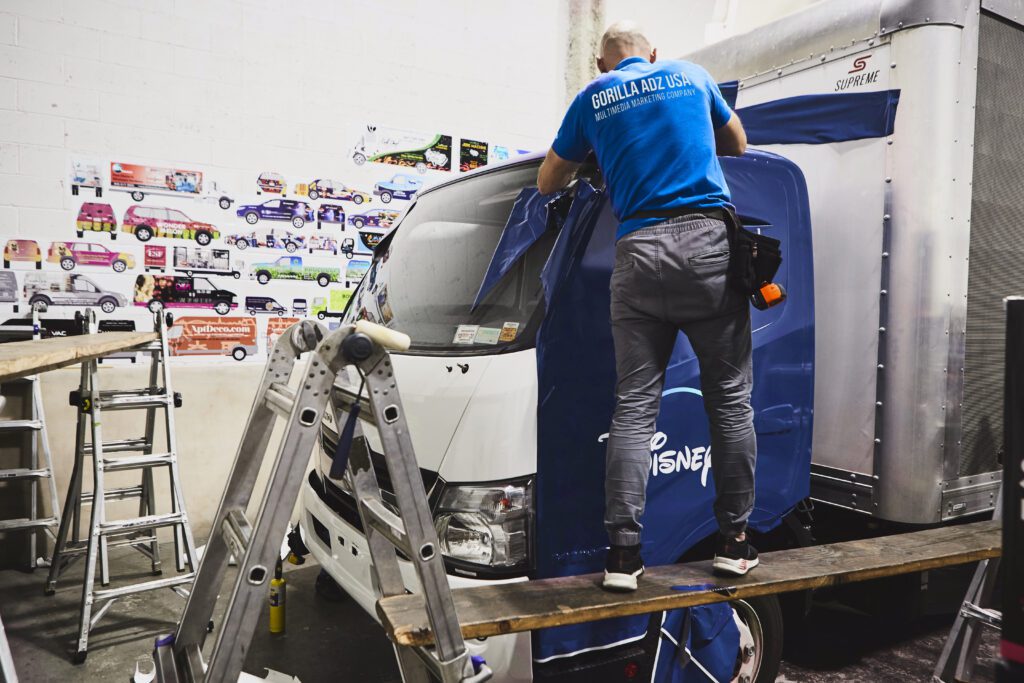
Installation is executed overnight or in early morning hours, when Wilmington’s downtown and commercial corridors are at minimum activity and our crews can work without disruption. The Riverfront’s industrial conversion zones and Trolley Square’s commercial building stock both provide strong posting surfaces that accommodate our installation equipment efficiently. Every placement is GPS-tagged and photographed at completion, and the documentation package is delivered digitally following campaign installation.
Campaign longevity in Wilmington typically runs one to two weeks, consistent with Mid-Atlantic market norms. The Riverfront and Trolley Square’s active nightlife environment creates some competition for premium posting surfaces, but AGM’s advance surface scouting identifies the locations with the highest longevity potential within our target zones.
Wilmington’s campaign mix is shaped by the city’s corporate professional identity and its arts and entertainment revival. Financial services brands — particularly those targeting younger professionals who work in Wilmington’s banking and financial operations centers — use fly posting in the Market Street and Trolley Square corridors to build awareness for products and services relevant to the 25-to-40 professional demographic: wealth management, investment platforms, fintech applications, and premium banking products. The format’s street-level presence communicates a brand investment in the Wilmington market that digital advertising cannot replicate.
Performing arts organizations and entertainment brands use Wilmington fly posting to drive awareness for Grand Opera House programming, Riverfront events, and the broader entertainment activity that sustains the city’s cultural calendar. Food and beverage brands — restaurant openings in particular — find that Trolley Square’s neighborhood character makes fly posting campaigns exceptionally effective for building anticipation before a launch: the regulars who walk through Trolley Square daily notice and talk about campaigns they encounter repeatedly, creating the community buzz that drives opening night attendance.
Healthcare, wellness, and fitness brands find Wilmington’s young professional demographic highly receptive — this is a health-conscious, financially secure audience that actively invests in quality-of-life services and products. Pharmaceutical brands launching consumer health products, fitness studios opening in the downtown area, and wellness services companies find the Riverfront and Trolley Square corridors strong channels for reaching their target demographic in their leisure-hour context.
AGM’s Biossance “Illuminate Your World” campaign combined wheatpaste poster installations with sidewalk stencil activations in wellness and lifestyle corridors across New York City and Los Angeles — a layered street presence strategy that created a visual journey through the campaign’s narrative rather than a single static impression. The campaign’s target audience — upwardly mobile, health-conscious, design-aware urban professionals in their late 20s and early 30s — maps almost exactly to Wilmington’s Trolley Square and Riverfront demographic. The lesson for Wilmington campaigns: the format rewards creative ambition, and Wilmington’s young professional audience has the aesthetic intelligence to reward well-executed campaigns with attention and advocacy. A campaign that deploys genuinely compelling creative work in Trolley Square or along the Riverfront arts corridor reaches an audience that appreciates quality execution and shares what they find impressive. The multiplier effect of this audience’s social connectivity makes creative excellence in Wilmington’s street advertising environment a measurable investment, not just an aesthetic choice.
Trolley Square is Wilmington’s strongest single corridor for reaching the 25-to-40 young professional demographic in their leisure-hour context — it is where Wilmington’s most engaged young adults choose to spend their evenings and weekends, making it the highest-quality audience environment in the city for campaigns targeting this segment. The Wilmington Riverfront is the second-strongest option for leisure-hour professional reach, particularly during summer stadium events and year-round Riverfront restaurant activity. Market Street’s downtown corridor adds daytime professional reach that complements Trolley Square and Riverfront’s evening-and-weekend audience concentration.
Yes. Event-timed campaign planning is one of AGM’s core capabilities, and aligning fly posting installation with major Grand Opera House programming is a standard approach for performing arts and entertainment campaigns targeting Wilmington. Campaign installation is planned to ensure posters are freshly applied and at peak visual quality in the days before a major production opens, reaching the performing arts audience during their pre-show dining and leisure activity in the surrounding downtown blocks. AGM reviews the Grand’s programming calendar when planning event-aligned campaigns and recommends specific installation windows based on the expected foot traffic profile of the production.
Delaware’s concentration of financial services, pharmaceutical, and legal industries in Wilmington creates specific campaign category opportunities that are more prominent here than in most mid-sized markets. Financial products and services — wealth management, investment platforms, premium banking — find a receptive professional demographic in Wilmington’s downtown that justifies campaign investment. Healthcare and pharmaceutical consumer brands benefit from the proximity of the pharma industry workforce, which has sophisticated health product awareness. Legal and professional services brands find that the downtown professional audience is directly relevant to their target market. These categories use Wilmington fly posting to supplement their professional media with street-level awareness that reaches the target demographic during their daily commutes and leisure hours outside of their office environment.
The minimum order is 100 posters in the 24×36 format at contact us for pricing including AGM in-house printing, installation, GPS documentation, and the post-campaign photo report. Wilmington’s commercial geography spans several distinct corridors — Riverfront, Market Street, Trolley Square — and a 100-poster run is best focused on one or two of these zones rather than spread thinly across all three. For comprehensive multi-corridor presence across all of Wilmington’s key young professional environments simultaneously, 200 posters at contact us for pricing provides the coverage depth to maintain meaningful frequency in each zone throughout the campaign window.
The Wilmington Amtrak station on Market Street is one of the busiest stations on the Northeast Corridor south of Philadelphia, serving substantial daily Amtrak ridership including Acela business travelers between Washington DC, Philadelphia, and New York. The approaches to the station along Martin Luther King Jr. Boulevard and the Market Street corridor north of the station see consistent commuter foot traffic that represents a distinct advertising audience — people in transit rather than at leisure, moving with purpose but passing through a set of predictable routes. For brands with relevant messaging for the business traveler and high-frequency Amtrak commuter demographic, placement in the station approach corridors provides access to a specific professional audience segment that is less concentrated in the Trolley Square and Riverfront leisure environments.
Yes. AGM’s Delaware operations cover the broader New Castle County market, and campaigns that need to extend beyond Wilmington’s immediate downtown and riverfront zones into the commercial corridors of surrounding communities can be accommodated. The Concord Pike corridor north of Wilmington toward Pennsylvania, the Kirkwood Highway commercial strip to the west, and the Pike Creek and Hockessin areas in the county’s western communities all represent potential extension zones for campaigns targeting the greater Wilmington metropolitan market rather than specifically the urban core.
Most Wilmington campaigns remain visible for one to two weeks following installation. Delaware’s Mid-Atlantic climate — mild winters, moderate summers — is generally favorable for poster longevity. The Trolley Square and Riverfront corridors see more active nightlife and pedestrian density than other Delaware markets, which creates modestly more competition for posting surface real estate and can affect longevity in the highest-demand zones. AGM’s placement team selects surfaces with longevity consideration as a priority, identifying locations where your campaign is most likely to remain intact and fully visible throughout the intended campaign window.
Based on the composition of Wilmington’s young professional demographic and the character of the entertainment and arts districts that anchor the city’s leisure geography, the categories that consistently achieve strong response in Wilmington fly posting include: restaurant and bar openings in the Trolley Square and Riverfront corridors (where regular neighborhood audiences are actively seeking new dining discoveries); performing arts and live entertainment campaigns driving Grand Opera House and Riverfront venue attendance; financial technology and premium consumer financial products targeting the corporate professional workforce; health, wellness, and fitness brands reaching Wilmington’s health-conscious young professional demographic; and lifestyle consumer brands launching in Delaware’s premium consumer market.
Yes. Wilmington’s position in the Northeast Corridor makes it a natural component of regional Mid-Atlantic campaigns that also cover Philadelphia, Baltimore, and Washington DC. AGM’s regional capacity covers all of these markets, and coordinated campaigns that activate simultaneously across the Mid-Atlantic corridor can be planned and executed through a single engagement with unified strategy, synchronized installation timing, and consolidated reporting. Wilmington functions as an efficient Mid-Atlantic market entry point for brands that want Northeast Corridor presence beyond the major metro markets, reaching the specific Delaware professional demographic that doesn’t appear in Philadelphia or Baltimore audience profiles.
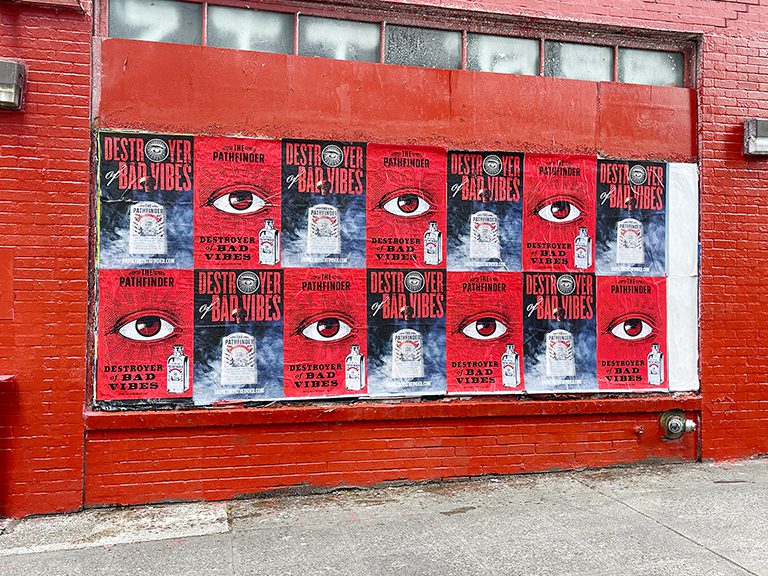
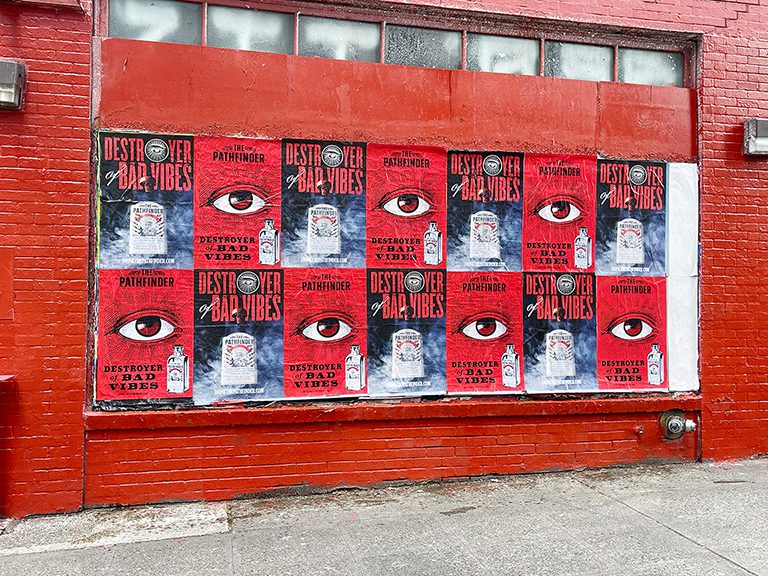
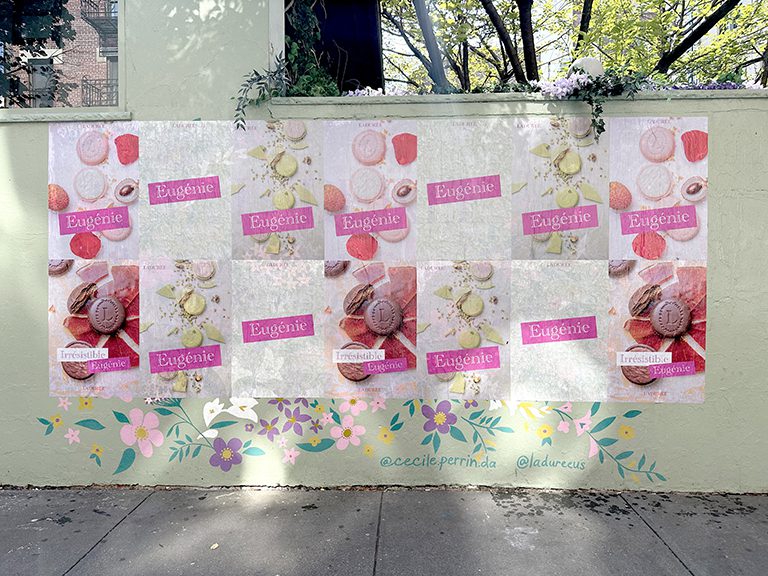
Every placement is GPS-tagged and photographed at installation by AGM’s crew. The documentation package includes wide-angle contextual shots showing each poster in its street environment — Riverfront warehouse backdrops, Trolley Square’s intimate commercial streetscape, and the civic character of Market Street all create contextual documentation imagery that goes beyond generic proof-of-placement. Close-up detail photography confirms print quality and adhesion condition at installation. The complete location log maps each placement to its GPS coordinates. The full package is delivered digitally following campaign installation and serves as the proof-of-performance record for stakeholder reporting or brand partnership documentation.