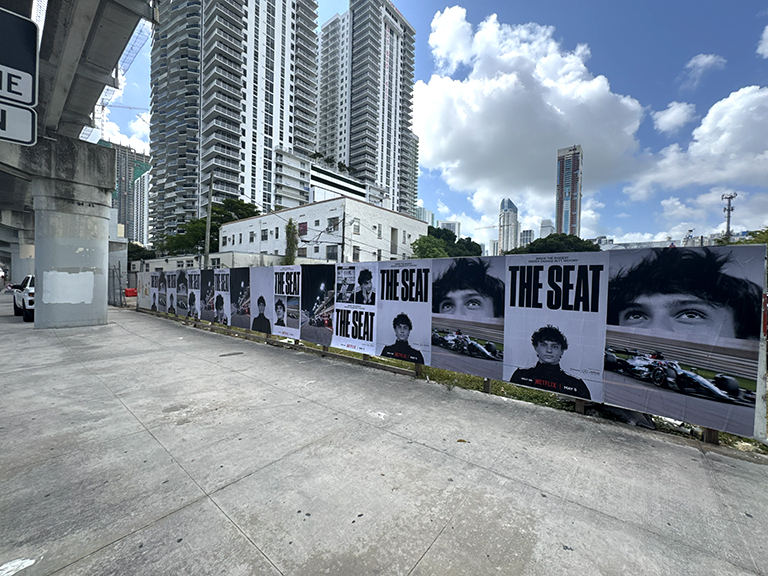
The short answer is yes — guerrilla marketing is legal when executed correctly. The longer answer involves understanding which tactics require permits or property authorization, which jurisdictions have specific regulations that affect campaign planning, and what the real consequences are when brands cut compliance corners. Most of the legal concern around guerrilla marketing comes from confusing compliant street-level advertising with unauthorized graffiti or property violations. They are not the same thing, and the distinction matters for every brand considering a street-level campaign.
We have been running legal, documented guerrilla marketing campaigns out of Industry City in Brooklyn for years. Every campaign we execute is compliant with local codes, backed by proper property authorization, and documented with GPS-tagged photographs that serve as both performance records and compliance files. Here is what brands need to know about the legal framework for guerrilla marketing before they launch a campaign.
The Core Legal Principle: Authorization Determines Legality
Most guerrilla marketing legality questions resolve to a single core principle: who has authorized the activity on the specific property or public space being used? Authorization is the bright line between legal campaign execution and illegal property use. Understanding what authorization is required for each type of tactic eliminates most compliance uncertainty.
Private Property Requires Owner Authorization
Any guerrilla marketing activity on private property — placing posters, applying stencils, conducting brand ambassador activations inside a venue, installing sidewalk graphics in a parking lot — requires explicit authorization from the property owner or authorized representative. Authorization should be documented in writing before any activity begins. Verbal agreements are not sufficient protection from a liability standpoint and may not withstand a property owner’s later claim that no permission was granted.
Public Property Requires Municipal Review
Activities on public property — sidewalks, public plazas, streets, transit infrastructure — are governed by municipal codes that vary significantly between cities. Some cities permit flyer distribution on public sidewalks with no permit required. Others require parade or special event permits for any organized public space activity above a threshold number of participants. Still others have specific codes prohibiting poster placement on utility poles or public transit infrastructure entirely.
What Constitutes Unauthorized Use
The most common compliance failures in guerrilla marketing involve placing posters on public property without authorization (utility poles, public transit shelters, municipal buildings), applying paint or adhesive to surfaces without property owner consent, and conducting large group activations in public spaces without required permits. These activities create real legal exposure, not just theoretical risk.
Tactic-by-Tactic Legal Guide
Different guerrilla marketing tactics have different legal requirements. Here is a clear breakdown of the compliance requirements for the most common street-level formats.
Wheatpaste Poster Campaigns
Wheatpasting is legal when applied to private property surfaces with documented authorization from the property owner. Wheatpasting and poster campaigns executed with proper property agreements are some of the most widely used and legally well-established guerrilla marketing formats. The paste is water-soluble and does not cause permanent surface damage, which is relevant for landlord negotiations. Wheatpasting on public property surfaces — transit shelters, utility poles, public building facades — is illegal in virtually every U.S. city and should never be part of a compliant campaign.
Sidewalk Stencils
Sidewalk stencils applied with washable chalk-based products are generally legal on public sidewalks in most U.S. cities. The key word is washable — permanent paint stencils on public sidewalks without authorization constitute vandalism. Some cities have specific ordinances about sidewalk advertising even with washable materials, so municipal code review is required for each market. Stencils on private property require property owner authorization regardless of whether the product is washable or permanent.
Brand Ambassador Programs
Brand ambassador programs operating on public sidewalks are generally legal when ambassadors are not obstructing pedestrian passage and are not in restricted zones. Ambassadors distributing flyers or conducting conversations with willing participants on public sidewalks exercise standard free speech and commercial speech rights that are broadly protected. Activations inside private venues, retail environments, or transit systems require authorization from the property manager or transit authority.
Flyer and Handbill Distribution
Flyer distribution on public sidewalks is legal in most U.S. jurisdictions as commercial speech protected under the First Amendment. Some cities prohibit placing flyers on vehicles (handbilling) without consent. Transit systems almost universally prohibit commercial flyer distribution on platforms and in transit vehicles without authorization. Municipal code review identifies any jurisdiction-specific restrictions before distribution campaigns are planned.
Mobile Advertising Trucks
LED billboard trucks operating on public roadways are legal in most U.S. markets, subject to standard vehicle regulations and any city-specific rules about mobile advertising vehicle operations. Some cities regulate the routes, hours, or sound components of mobile advertising vehicles. We review applicable rules for each market before routing mobile advertising campaigns.
Projection Advertising
Projecting images onto private building facades requires authorization from the building owner. Projecting onto public structures without authorization may violate property laws. Some cities have specific ordinances about projection advertising, particularly in historic districts or near transportation facilities. Projection campaigns require both property authorization and municipal code review for the specific projection location.
Municipal Code Variations Across Key U.S. Markets
Compliance requirements vary significantly between cities, and what is permitted in one market may be restricted or prohibited in another. Here is an overview of how several major markets handle guerrilla marketing regulations.
New York City
New York City has detailed regulations governing outdoor advertising under the Department of Buildings and the Department of Sanitation. Poster placement on public property is prohibited and enforced. Private property placements with owner authorization are permissible within sign ordinance requirements. Street team activations on public sidewalks are generally permitted without a permit for small groups not causing obstruction. Large events and activations may require NYPD permits for street closures or large public gatherings.
Los Angeles
Los Angeles has specific regulations under its Sign Ordinance that govern outdoor advertising including murals and off-premises signs. The city has a Sign Compliance program that addresses unauthorized outdoor advertising. Permitted murals and authorized outdoor displays are legal; unauthorized placement on public or private property without authorization is not. The city has increased enforcement of unauthorized advertising in recent years.
Chicago
Chicago’s Municipal Code regulates signs and outdoor advertising through the Department of Business Affairs and Consumer Protection. Temporary advertising displays on private property require compliance with applicable sign ordinances. The city enforces against unauthorized poster placements on public structures. Street team activations without a Special Event Permit may be restricted in certain locations or above certain participant thresholds.
Smaller Markets
Smaller cities often have less formal enforcement of outdoor advertising regulations, but the legal framework still applies. Property authorization is still required for private property placements, and public property use without authorization is still illegal. The practical risk of citation may be lower in smaller markets, but the legal exposure exists regardless of enforcement probability.
The Consequences of Non-Compliant Guerrilla Marketing
Brands that run non-compliant guerrilla campaigns face real consequences that go well beyond the inconvenience of having posters removed. Understanding the full risk picture is important for brands evaluating whether compliance rigor is worth the investment.
Fines and Citations
Municipal fines for unauthorized signage and outdoor advertising violations vary by city but can range from hundreds to thousands of dollars per violation. Multiple placements in violation generate multiple citations. In high-enforcement cities, a large non-compliant campaign can generate fine exposure that far exceeds the cost of proper compliance planning.
Mandatory Removal and Cleanup Costs
Municipalities that identify non-compliant advertising typically issue removal orders. Removal costs — particularly for improperly applied wheatpaste or paint that has bonded to surface materials — can be significantly higher than authorized cleanup costs. Property owners who discover unauthorized placements on their buildings can pursue civil remedies for cleanup costs and any surface damage.
Brand Reputation Damage
The reputational risk is often the most significant consequence of non-compliant guerrilla marketing. News coverage of a brand’s campaign being removed by city authorities, or social media posts showing brand materials being torn down by property owners, creates a narrative about the brand that no PR effort can easily undo. The brand intended to project confidence and creativity; the news story projects disregard for rules and community standards.
How We Build Compliance Into Every Campaign
Compliance is not a checkbox we add at the end of campaign planning. It is built into the process from the first conversation about a campaign.
Municipal Code Review Before Location Selection
Before any location is proposed to a client, our team reviews the applicable municipal codes for the proposed market. If specific locations or tactics are restricted by local ordinance, we identify compliant alternatives that achieve equivalent reach and impact without legal exposure. This review happens before any location scouting, not after.
Property Owner Agreements Before Production
For every private property placement, documented authorization from the property owner or authorized representative is secured before any creative goes into production. Authorization documentation specifies the surfaces to be used, the campaign dates, the removal obligations, and any restrictions on creative content or placement method. This documentation protects both the brand and the property owner.
Permit Acquisition for Public Space Activations
When a planned activation requires a municipal permit — street team events in restricted zones, large outdoor activations, vehicle advertising in regulated markets — we handle permit acquisition as part of campaign preparation. Permit costs are factored into campaign budgets and timelines from the start.
GPS Documentation for Every Placement
Every guerrilla marketing placement we install is GPS-tagged and photographed at installation. This documentation serves as performance verification for clients and as compliance documentation if any municipal inquiry occurs regarding campaign placements.
Frequently Asked Questions: Is Guerrilla Marketing Legal?
Is guerrilla marketing always legal?
Guerrilla marketing is legal when executed with proper property authorization, applicable permits, and compliance with local municipal codes. Non-compliant tactics create legal liability. Compliant guerrilla marketing is fully legal and widely executed by brands of all sizes.
Do you need a permit for guerrilla marketing?
Permit requirements depend on the specific tactic and jurisdiction. Many tactics on private property with owner authorization require no permit. Public space activations may require municipal permits depending on the market and activity type. Our team reviews permit requirements for every campaign before scheduling any activations.
What guerrilla marketing tactics are always legal?
Tactics consistently legal when properly executed include: poster placements on private property with owner authorization, brand ambassador activations on public sidewalks without obstruction, flyer distribution in public spaces where permitted, and mobile advertising trucks on public roads. Proper authorization for the specific surface or space is required in all cases.
What are the legal risks of non-compliant guerrilla marketing?
Non-compliant guerrilla marketing risks include fines, mandatory cleanup costs, brand reputation damage from enforcement press coverage, civil liability to property owners, and in extreme cases, criminal misdemeanor charges for vandalism. Reputational risk is often the most significant consequence.
Is wheatpasting legal?
Wheatpasting is legal on private property surfaces with documented property owner authorization. Wheatpasting on public property without authorization is illegal in most U.S. jurisdictions. Properly authorized wheatpaste campaigns are fully legal and widely used across urban markets.
How do you keep guerrilla marketing campaigns compliant?
Compliance is built into every campaign: we review local municipal codes, secure documented property owner authorization for every private property placement, obtain required permits before public space activations, and document all placements with GPS and photography.
Frequently Asked Questions
What is is guerrilla marketing legal?
American Guerrilla Marketing provides is guerrilla marketing legal services across 50+ U.S. markets. Every campaign is planned, scouted, executed, and GPS-documented by our field teams. We work with regional brands and Fortune 500 companies on campaigns that require real street-level execution and documented proof of performance.
How does AGM approach marketing legal?
Our process starts with a market consultation to understand your goals, target audience, and budget. We then scout locations, handle any required permissions or permits, coordinate production and installation with our local crews, and provide a full GPS-tagged photo report after the campaign runs.
What markets does American Guerrilla Marketing cover for marketing legal?
We operate in 50+ U.S. markets including New York, Los Angeles, Chicago, Miami, Houston, Atlanta, Seattle, Denver, Boston, and dozens of secondary markets. Contact us to confirm availability and pricing for your specific market.
How much does a marketing legal campaign cost?
Campaign pricing depends on market, format, quantity, and duration. We work with budgets ranging from targeted single-market runs to national rollouts across multiple cities. Use our RFP Builder or contact us directly for a custom quote based on your specific campaign requirements.
How do I get started with marketing legal through AGM?
The fastest way to get started is to submit your campaign details through our RFP Builder at americanguerrillamarketing.com, or contact us directly at [email protected] or (646) 776-2770. Our team typically responds within one business day with availability and initial pricing.