Street-level marketing campaigns have three core ground-level and surface-level format options that every campaign planner should understand before choosing a tactic: reverse graffiti, chalk stencils, and paint stencils. Each produces a distinct visual result, has different durability characteristics, sits differently within the legal compliance framework, and fits different campaign objectives. Choosing the wrong format for a campaign means either non-compliance risk, premature fading, or a visual result that does not match the brief.
We have executed all three formats across dozens of markets. Here is a detailed, practical comparison that covers everything brands need to make an informed decision.
Reverse Graffiti: The Clean-Surface Approach
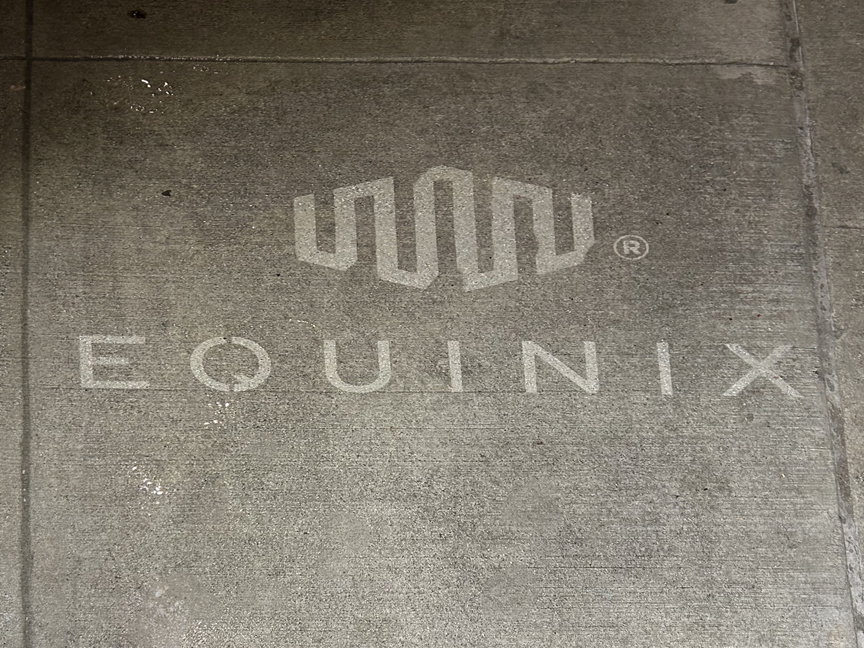
Reverse graffiti — also called clean graffiti or green graffiti — is one of the most conceptually distinctive street marketing formats available. The technique inverts the standard advertising logic: instead of adding something to a surface, it removes surface grime selectively to create an image.
How Reverse Graffiti Works
The process starts with a dirty urban surface — a grime-covered sidewalk, a blackened wall, a traffic-stained building exterior. A stencil template is placed on the surface, and the exposed areas are pressure-washed or hand-scrubbed clean. When the stencil is removed, the clean areas form the image against the darker, uncleaned surrounding surface. The result is a crisp, clean brand image that reads as literally bright against the urban background.
This reversal of the typical street advertising logic — adding versus removing — creates a media story opportunity that traditional stencil campaigns do not inherently possess. Major brands including IBM and Domino’s have used reverse graffiti for campaigns that generated significant press coverage beyond the placements themselves.
Visual Character of Reverse Graffiti
Reverse graffiti produces a high-contrast clean image on an uncleaned background. The visual quality depends on the surface dirtiness level — more grime creates stronger contrast and more visible results. Smooth surfaces like concrete sidewalks and tunnel walls work best. Heavily textured or porous surfaces create less crisp image edges because cleaning action cannot be as precisely controlled.
Durability of Reverse Graffiti
Reverse graffiti persists until the cleaned area becomes re-soiled to match the surrounding surface. In urban environments with heavy vehicle traffic pollution, heavy pedestrian traffic, or precipitation that carries airborne particulate, re-soiling happens relatively quickly. In typical urban outdoor environments, reverse graffiti images are clearly visible for 2 to 8 weeks before the contrast between cleaned and uncleaned areas becomes insufficient for brand recognition. Dry, low-traffic environments extend this window; wet, heavily polluted environments compress it.
Legal Position of Reverse Graffiti
Reverse graffiti sits in a legally complex position. It adds nothing to a surface and technically only cleans it, which makes prosecution as vandalism or property damage difficult because no damage has occurred. However, some cities have cited reverse graffiti as unauthorized commercial advertising on public property even when no material was applied. Courts have handled this issue inconsistently. Reverse graffiti on private property with owner authorization is clearly legal. Reverse graffiti on public sidewalks without authorization is in a gray area that varies by jurisdiction and enforcement posture.
Chalk Stencils: The Cleanest Compliance Profile
Chalk stencil advertising applies washable chalk-based products through a cut template to create a brand image on sidewalk or other surfaces. It is the most legally defensible format in the three-way comparison because chalk is inherently water-soluble and creates no permanent surface change.
How Chalk Stenciling Works
A stencil cut from durable plastic or vinyl is laid on the target surface. Chalk-based spray or applied chalk product is applied over the stencil to fill the open areas. The stencil is removed, leaving the chalk image on the surface. Chalk spray products create a more consistent, denser fill than hand-applied chalk. The resulting image is clear and visible at typical pedestrian viewing distances immediately after application.
Visual Character of Chalk Stencils
Chalk stencil images have a characteristic matte, slightly textured appearance that reads as inherently temporary. This aesthetic can be an advantage for campaigns that want to communicate an authentic, street-level visual language. It can be a limitation for brands that need a polished, precise visual brand expression. Color saturation is strong immediately after application and fades progressively. Multi-color chalk work requires separate stencil passes for each color, adding complexity and application time.
Durability of Chalk Stencils
Chalk stencils are the least durable format in this comparison. Foot traffic abrades the chalk surface from the first day, with heavy traffic locations seeing significant fading within one week. Rain accelerates fading dramatically — a heavy rainstorm can remove a chalk stencil in hours. The practical campaign window for chalk stencils in high-traffic, weather-exposed outdoor locations is 1 to 3 weeks under normal conditions. For event-driven campaigns where short duration is acceptable, this is not a problem. For sustained awareness campaigns, chalk stencils require repeated application to maintain visual quality throughout the campaign window.
Legal Position of Chalk Stencils
Chalk stencils with washable products on public sidewalks are legally defensible in most U.S. jurisdictions. The inherently temporary nature and the absence of any permanent surface alteration means chalk advertising is treated differently from paint application in most municipal code interpretations. Some cities have specific ordinances prohibiting commercial chalk advertising even with washable materials, so code review is required for each market. On private property, chalk stencils with owner authorization are clearly legal in all markets. Sidewalk stencils with chalk products are one of the most widely used compliant street marketing formats.
Paint Stencils: Maximum Durability and Visual Impact
Paint stencil advertising applies spray paint or roll-on paint through a cut template to create brand images on surfaces. It produces the most durable and visually precise results of the three formats, but requires the most careful compliance management.
How Paint Stenciling Works
Paint stencils use the same stencil template process as chalk, but with spray paint, latex paint, or specialized outdoor marking products applied through the template. The result is a precise, high-quality image with strong color saturation and fine edge definition. Multi-color paint stencil work can produce results approaching screen-printed quality at large scale.
Visual Character of Paint Stencils
Paint stencil images have a stronger visual presence than chalk applications — color saturation is higher, edges are crisper, and the image reads clearly across a wider range of lighting conditions and viewing distances. Large-format paint stencil work on sidewalks or walls can be visually indistinguishable from professionally printed graphics. For brands that require precise color matching to brand standards, paint stencils with specified paint products are the only format that consistently achieves that precision at street level.
Durability of Paint Stencils
Paint stencils are the most durable format in this comparison. Standard exterior spray paint on concrete or asphalt surfaces in moderate foot traffic environments lasts 3 to 6 weeks before significant visual degradation. High-traffic locations see faster wear. Premium outdoor paint formulations with UV resistance extend lifespan. Paint stencil campaigns in sheltered or indoor-outdoor environments can last significantly longer — 8 to 12 weeks — while maintaining strong visual quality.
Legal Position of Paint Stencils
Paint stencils on private property with documented owner authorization are legal. Paint stencils on public property without authorization constitute vandalism in most jurisdictions, regardless of the intention to remove the work at campaign end. The compliance requirement for paint stencil campaigns is identical to any other surface application advertising format: explicit property authorization is required for every placement. Brands running paint stencil campaigns must treat compliance as non-negotiable — the visual impact advantage is not worth the liability and brand reputation risk of non-compliant execution.
Head-to-Head Comparison: Decision Framework
Here is how to make the format decision based on campaign-specific factors.
When to Choose Reverse Graffiti
Reverse graffiti works best when: the brand story aligns with environmental messaging or the “clean” concept can be made relevant to the brand; the campaign has a media PR component where the conceptual novelty of the format can generate press; the surface available is heavily soiled and produces strong visual contrast; and the legal gray area is acceptable given the specific jurisdiction and property type.
When to Choose Chalk Stencils
Chalk stencils work best when: legal compliance in markets with strict outdoor advertising codes is paramount; the campaign is event-driven with a short required duration; the budget requires lower per-unit cost; or the aesthetic of inherent temporality aligns with the creative brief. They also work well when property authorization for paint application is unavailable but public sidewalk chalk is permitted.
When to Choose Paint Stencils
Paint stencils work best when: the campaign requires maximum visual impact and brand precision; the duration exceeds 3 to 4 weeks; weather conditions include significant precipitation; or the placement is a high-profile location where visual quality is critical to the campaign. Paint stencils require confirmed private property authorization but deliver the strongest and most durable result. Integrating paint stencils with broader guerrilla marketing services creates multi-tactic campaigns with maximum street presence.
Multi-Format Campaign Strategy
The strongest campaigns often combine formats strategically. A product launch in a major market might use reverse graffiti in a media-visible location to generate press, chalk stencils at event venues for short-duration event coverage, and paint stencils in authorized locations for sustained ambient brand presence over the campaign run. Wheatpasting and poster campaigns can add vertical surface coverage above the ground-level stencil work, creating a comprehensive physical advertising presence across multiple sight lines.
Frequently Asked Questions: Reverse Graffiti vs Chalk vs Paint Stencils
What is reverse graffiti and how does it differ from traditional stenciling?
Reverse graffiti creates images by selectively cleaning a dirty surface rather than applying any material to it. Traditional stenciling applies chalk or paint through a template. Reverse graffiti adds no substance; it only removes surface grime to reveal a clean image against a dirty background.
Which format lasts longest — reverse graffiti, chalk, or paint stencils?
Paint stencils last longest at 2 to 6 weeks. Reverse graffiti persists until re-soiling reduces contrast, typically 2 to 8 weeks. Chalk stencils are most temporary at 1 to 3 weeks, degrading faster with rain and foot traffic.
Is reverse graffiti legal?
Reverse graffiti on private property with owner authorization is clearly legal. On public sidewalks, it exists in a legal gray area that varies by jurisdiction. Some cities have cited it as unauthorized advertising even with no material application. Private property use is the safe approach.
When should a brand choose chalk stencils over paint stencils?
Choose chalk when legal compliance is paramount, the campaign is event-driven with short duration requirements, or property authorization for paint is unavailable. Choose paint when longer duration, stronger visual impact, or wet-weather durability is required.
Can these formats be combined in a single campaign?
Yes. Multi-format campaigns combining reverse graffiti, chalk, and paint stencils in different locations and roles create layered ground-level presence with visual variety. Format combination is driven by location availability, duration requirements, and compliance.
What are the production costs for each format?
Chalk stencils are typically lowest cost. Paint stencils have moderate material cost with similar stencil production. Reverse graffiti requires pressure washing equipment and labor, increasing per-unit cost but eliminating material cost for the image itself. Scale affects all three formats’ relative economics.
Frequently Asked Questions
What is reverse graffiti vs chalk vs paint stencils?
American Guerrilla Marketing provides reverse graffiti vs chalk vs paint stencils services across 50+ U.S. markets. Every campaign is planned, scouted, executed, and GPS-documented by our field teams. We work with regional brands and Fortune 500 companies on campaigns that require real street-level execution and documented proof of performance.
How does AGM approach paint stencils?
Our process starts with a market consultation to understand your goals, target audience, and budget. We then scout locations, handle any required permissions or permits, coordinate production and installation with our local crews, and provide a full GPS-tagged photo report after the campaign runs.
What markets does American Guerrilla Marketing cover for paint stencils?
We operate in 50+ U.S. markets including New York, Los Angeles, Chicago, Miami, Houston, Atlanta, Seattle, Denver, Boston, and dozens of secondary markets. Contact us to confirm availability and pricing for your specific market.
How much does a paint stencils campaign cost?
Campaign pricing depends on market, format, quantity, and duration. We work with budgets ranging from targeted single-market runs to national rollouts across multiple cities. Use our RFP Builder or contact us directly for a custom quote based on your specific campaign requirements.
How do I get started with paint stencils through AGM?
The fastest way to get started is to submit your campaign details through our RFP Builder at americanguerrillamarketing.com, or contact us directly at [email protected] or (646) 776-2770. Our team typically responds within one business day with availability and initial pricing.