FIFA World Cup 2026 is the largest sporting event ever held in North America. Sixteen U.S. cities, 78 matches, and an estimated 5 million visitors from around the world. For brands with the right strategy, this is a generational activation opportunity. For brands without a plan or a capable execution partner, it’s a window that closes fast.
American Guerrilla Marketing is the brand activation agency that operates where World Cup audiences actually live during match week: outside stadiums, in fan zones, along transit corridors, at viewing parties, and in the streets of every host city. We don’t do hospitality suites or TV spots. We do street-level presence that puts your brand in front of the right people at exactly the right moment.
This page covers how we approach World Cup 2026 activations, what campaign formats work best in tournament environments, how we run multi-city deployments, and what brands need to think about to make this work.
Why World Cup 2026 Is Different from Every Other Event
The World Cup doesn’t just bring a sporting event to a city. It brings an extended, high-intensity commercial environment that operates for days or weeks across an entire metropolitan area. Fans arrive early, stay late, and spend significantly. They move through the city in dense, predictable patterns that make street-level brand exposure unusually powerful and unusually measurable.
Scale and Duration
Unlike a single-day event, World Cup matches unfold over a multi-week schedule in each host city. That means brands have days or weeks of concentrated audience presence to work with: not a single activation window. A campaign that layers poster placements, mobile displays, and brand ambassador teams across the full match schedule in a given host city reaches far more people than any single activation could.
International Audience Composition
World Cup tourists skew young, internationally mobile, and highly engaged on social media. That’s an audience that responds strongly to visually memorable street-level experiences. A compelling poster campaign or a surprising brand interaction in a fan zone generates organic social amplification at a rate that traditional media simply doesn’t produce.
U.S. Host Cities and What Each One Offers
Understanding the geography of each host city is the starting point for effective World Cup brand activation. Different cities have different fan zone configurations, stadium access patterns, and street-level advertising environments.
New York / New Jersey
MetLife Stadium is the marquee venue. Fan zones and watch parties will extend across Manhattan, Brooklyn, and Jersey City. New York gives brands the highest overall foot traffic density of any host market, with concentrated opportunity in Times Square, Midtown, and Brooklyn entertainment corridors. Our guerrilla marketing operations are headquartered at Industry City in Brooklyn: we run New York better than anyone.
Los Angeles
SoFi Stadium and the Rose Bowl split the matches. LA’s activation landscape is spread across a larger geographic footprint, making mobile formats: LED billboard trucks, wrapped vehicles, mobile ambassador teams: particularly effective for reaching audiences at multiple points in their fan experience.
Dallas, Miami, Atlanta, Houston
Major Southern markets with strong international soccer fan bases, dense sports tourism infrastructure, and premium outdoor advertising environments near stadium corridors. All four are active AGM deployment markets with established field crews and location relationships.
Boston, Seattle, Philadelphia, Kansas City, San Francisco
Compact, walkable stadium environments where street-level poster campaigns and brand ambassador activations deliver some of the highest per-impression ROI in our toolkit. Fans moving on foot between stadium, transit, and accommodation pass the same high-traffic surfaces multiple times: perfect for wheatpaste poster campaigns and sidewalk stencil activations.
Campaign Formats That Work in World Cup Environments
Not every guerrilla marketing format performs equally in a sports tourism environment. Here’s what we’ve seen deliver the strongest results in high-density event markets and why.
LED Billboard Trucks
Mobile LED displays circling stadium corridors, fan zones, and hotel districts give brands dominant visual presence in the exact locations where fans are concentrated. Our LED billboard trucks are GPS-tracked and operate on defined routes coordinated with match schedules and fan movement patterns. A truck running a two-hour pre-match circuit near a World Cup venue generates tens of thousands of impressions from a highly activated, receptive audience.
Street-Level Poster Campaigns
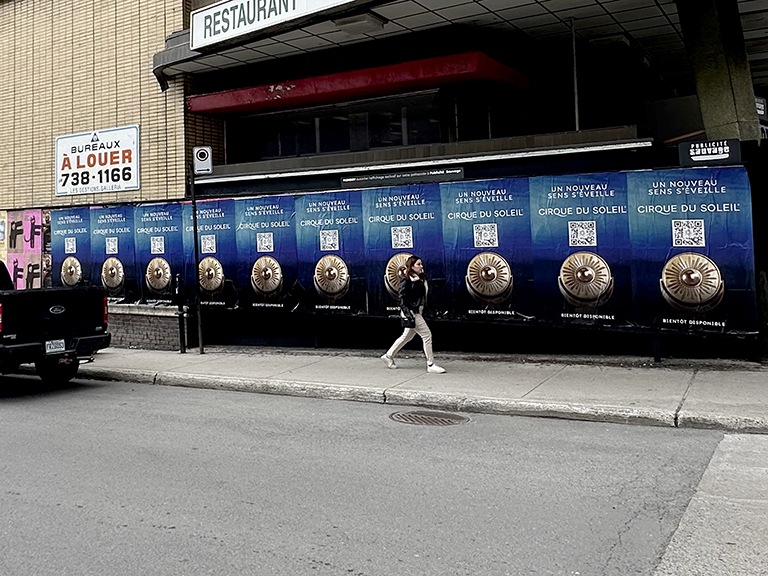
Large-format poster placements on permitted surfaces in stadium approach corridors, transit hubs, and fan districts create the kind of ambient brand presence that registers across multiple touchpoints. Fans walking to and from venues pass the same surfaces repeatedly over a multi-day match schedule. That repetition builds recognition in a way that a single digital ad impression simply cannot.
Brand Ambassador Teams
Our brand ambassador crews work fan zones, viewing party locations, and high-traffic pedestrian areas with sampling, interaction, and content generation. A trained ambassador team in a World Cup environment turns casual fans into brand interactions and, for the right product, into customers before the final whistle.
Sidewalk Stencils
Sidewalk stencil campaigns applied near stadium entrances, transit stations, and fan zones generate consistent impressions across the full duration of a match weekend. They’re cost-effective, geographically precise, and fully removable: which matters for compliance in event environments with strict signage regulations.
Multi-City Campaign Coordination
One of the core challenges of World Cup brand activation is that the tournament moves. Brands that want consistent national presence need to execute in multiple cities on overlapping timelines, often with match schedules that shift based on results. AGM handles multi-city deployments as a single coordinated campaign: one account team, one reporting framework, consistent creative execution across all markets.
How We Manage Multi-Market Rollouts
We have established field crews in all U.S. World Cup host cities. Campaign coordination happens centrally through our team at Industry City in Brooklyn, with local crew leads managing on-the-ground execution in each market. You get a single point of contact for the full campaign, real-time documentation feeds from every city, and consolidated post-campaign reporting that gives you the complete picture of your national footprint.
Timing and Booking Considerations
World Cup 2026 is not a tournament you can plan for two weeks out. Prime outdoor advertising surfaces near venues are secured early. LED truck availability in multiple cities simultaneously requires advance booking. Brand ambassador staffing for specific match dates needs to be locked in well ahead of time. Contact our team through our contact page now to begin scoping your campaign before key inventory is gone.
AGM’s Approach to World Cup 2026: What Makes Our Execution Different
Many agencies can talk about World Cup brand activation strategy. Fewer can actually execute it across eleven U.S. host cities simultaneously at a consistent quality standard. AGM’s operational infrastructure is what makes multi-city World Cup execution possible, and understanding what that infrastructure involves helps brands make informed decisions about which execution partner is right for this scale of campaign.
Established Field Crew Networks in Every Host City
We don’t hire field crews from scratch when a multi-city campaign comes in. We have active installer and field coordinator relationships in every U.S. World Cup host city, developed through years of consistent campaign deployment in each market. These aren’t transactional contractor relationships: they’re ongoing professional relationships with people who know our standards, know our documentation requirements, and have demonstrated the reliability and quality that our clients’ campaigns require. When we commit to deploying campaigns across Dallas, Houston, Atlanta, Miami, Boston, Philadelphia, New York, Seattle, San Francisco, Kansas City, and Los Angeles simultaneously, we’re drawing on established crews in all eleven markets.
Centralized Coordination, Local Execution
Our World Cup campaign management model operates through centralized coordination from our Industry City Brooklyn headquarters, with local execution by field crews who know each city’s specific geography, advertising regulations, and outdoor surface landscape. You work with one account team throughout the full multi-city campaign. That team coordinates all eleven markets, manages documentation flows from each city, handles compliance questions as they arise, and delivers consolidated reporting that gives you visibility into the full campaign without requiring you to manage eleven separate vendor relationships simultaneously.
AGM’s World Cup 2026 Market Intelligence: What Brands Need to Know Before Activating
Executing effectively in the World Cup 2026 environment requires specific market intelligence that goes beyond general knowledge of where the matches are happening. The actual brand activation geography in each host city is determined by where fans concentrate, how they move through the city, and what outdoor advertising surfaces and formats are available and permitted in each market’s specific regulatory environment.
Fan Zone Geography Varies Significantly by City
Each host city’s fan zone configuration is determined by local organizers, FIFA requirements, and the specific urban geography of the area surrounding the stadium. In New York, the fan zone infrastructure will be distributed across multiple boroughs and Manhattan entertainment districts because the MetLife Stadium venue is in New Jersey and fans will gather throughout the tristate area. In Dallas, the fan zone is likely to concentrate near AT&T Stadium in Arlington and in the downtown entertainment districts. In Seattle, the compact geography of the stadium district creates a different concentration pattern. AGM scouts each market specifically before campaign deployment rather than assuming consistent fan zone patterns across cities.
Transit Infrastructure Shapes Activation Opportunities
Cities with strong public transit systems: New York, Boston, Washington D.C., Seattle, Philadelphia: create different activation opportunities than vehicle-centric markets like Dallas, Houston, and Miami. In transit cities, the subway and bus systems that carry fans to and from the venue are the primary arteries for LED truck routing and ambassador team positioning. In vehicle-centric markets, LED trucks working stadium approach corridors and highway-adjacent venues are the dominant format. Understanding this infrastructure difference before campaign planning begins ensures that format recommendations reflect actual market conditions rather than generic assumptions.
Permit Environments Differ by Market
New York City has specific and well-defined regulations around outdoor advertising that differ significantly from Houston’s regulatory environment, which in turn differs from Seattle’s. AGM’s multi-city campaign coordination includes market-specific permit research and compliance management as a standard component of campaign planning. You don’t need to understand the specific permit requirements of eleven different cities: we handle that for every market in which we operate.
Timing Your World Cup 2026 Brand Activation Correctly
The World Cup schedule creates a specific timing architecture that smart brand activation strategies must account for. Unlike a single-day event, the tournament unfolds over weeks, with specific match dates in each host city driving audience concentration windows. A brand that understands how to layer its activation timing against the match schedule builds a presence that compounds across multiple audience peaks rather than betting everything on a single deployment window.
Pre-Tournament Awareness Window
The two to four weeks before matches begin in any given host city represent a significant awareness-building opportunity. International visitors are booking accommodations, locals are making viewing plans, and media coverage is ramping up. Street-level campaigns deployed in this pre-match window reach audiences before the visual competition from other brands becomes intense. For poster campaigns, this is often the highest-value window for initial placement because locations are clean and audiences are primed for World Cup content.
Match Week Intensity
The days surrounding major match dates in each host city are the highest-intensity brand activation windows. Audience concentration in fan zones, stadium approach corridors, and city-center entertainment districts peaks dramatically. LED truck deployments and brand ambassador team activations during these windows reach audiences who are already in an emotionally heightened state: which research consistently shows increases brand encoding in memory. Our team coordinates deployments to maximize presence during these specific peak windows, timing LED truck routes to the specific hours when match-day traffic flows are densest.
Post-Match and Fan Zone Activation
The hours immediately following major matches create some of the highest foot traffic density of the entire tournament. Fans exiting stadium areas, congregating in downtown fan zones, and celebrating or commiserating in city-center venues are a captive, emotion-activated audience. LED trucks working the post-match exit corridors and brand ambassador teams stationed at fan zone gathering points reach this audience at a moment when brand impressions are unusually sticky.
Working with Brands That Don’t Have Official FIFA Partnership
Official FIFA partnership is expensive and highly restricted. Most brands that want to reach the World Cup audience aren’t official sponsors and don’t need to be. AGM’s proximity marketing approach gives non-partner brands meaningful street-level presence in every host city without the constraints, costs, or approval processes that come with official tournament partnership.
What Proximity Marketing Means Legally
Proximity marketing operates on public streets, permitted surfaces, and locations outside tournament-controlled perimeters. There are no FIFA brand usage rights involved, no tournament creative approvals required, and no conflict with official sponsor exclusivity arrangements. We work within applicable local advertising regulations in each host city and secure all necessary permits for the surfaces and formats we deploy. This is standard street-level advertising in public spaces: the same campaigns we execute every day across 50+ markets, deployed in the context of a major event environment.
Creative Strategy for Non-Official Sponsors
Non-partner brands activating around the World Cup need creative strategy that captures the cultural moment without using FIFA-restricted marks, official tournament branding, or language that implies official partnership. AGM’s experience with event-adjacent campaigns across dozens of markets informs the creative briefs we develop with brand and agency partners. We know what works, what creates compliance risk, and how to position brand messaging effectively in the tournament environment without triggering ambush marketing concerns.
Documentation and Campaign Verification
Every AGM campaign is GPS-tracked and photo-documented. For World Cup activations, where brands are often presenting campaign performance to global stakeholders, the quality of that documentation matters as much as the execution itself. We deliver timestamped photo documentation from every installation, GPS route data for every mobile deployment, and comprehensive post-campaign reports that show exactly what was done, where, and when.
Real-Time Reporting During Active Campaigns
For World Cup campaign clients with stakeholders who need to see results as the campaign is running, AGM provides real-time documentation access. As each installation or deployment is completed and documented in the field, photos and GPS data are available to the client team. This real-time visibility is particularly valuable for large-scale multi-city programs where brand stakeholders want to confirm that deployments across eleven host cities are executing on schedule before they’re committed to presenting campaign results internally.
What Our Client Reports Include
- Pre-campaign location confirmation photos
- Install-phase documentation with GPS and timestamp
- Post-install condition verification
- LED truck route maps and impression estimates by deployment window
- Brand ambassador shift logs and interaction counts
- Final consolidated report by market and campaign element
Frequently Asked Questions About Brand Activation Agency for World Cup 2026
Which U.S. cities are hosting World Cup 2026 matches?
FIFA World Cup 2026 U.S. host cities include New York/New Jersey, Los Angeles, Dallas, San Francisco/Bay Area, Seattle, Atlanta, Boston, Miami, Kansas City, Houston, and Philadelphia. Each city has a stadium venue and surrounding fan zones that represent major brand activation opportunities at street level.
What types of brand activations work best during World Cup 2026?
Street-level poster campaigns near stadium corridors, LED billboard trucks circling fan zones, brand ambassador teams at viewing parties, sidewalk stencils near transit hubs, and mobile sampling activations all perform strongly during major soccer tournaments. The most effective strategies combine multiple formats across the same market.
How far in advance should brands book World Cup 2026 activation campaigns?
For World Cup 2026, the window is tight. Brands planning street-level activations in host cities should book as early as possible to secure prime locations, permitted posting surfaces, and LED truck availability. AGM recommends confirming campaign logistics at least 60-90 days before match dates.
Can AGM run brand activations in multiple World Cup host cities simultaneously?
Yes. AGM maintains active field crews in all U.S. World Cup host cities and can coordinate simultaneous campaign deployments across multiple markets. We handle logistics, permitting, installation, and documentation for each city through a single account team and unified reporting framework.
What is the cost range for a World Cup 2026 brand activation campaign?
Campaign costs vary significantly based on activation type, number of cities, duration, and scale. Street-level poster campaigns can start in the low five figures for a single market. Multi-city LED truck campaigns and large-scale experiential activations are priced accordingly. Contact our team at americanguerrillamarketing.com/contact-us/ for a custom quote based on your specific cities and campaign goals.
Frequently Asked Questions
What is brand activation agency world cup 2026?
American Guerrilla Marketing provides brand activation agency world cup 2026 services across 50+ U.S. markets. Every campaign is planned, scouted, executed, and GPS-documented by our field teams. We work with regional brands and Fortune 500 companies on campaigns that require real street-level execution and documented proof of performance.
How does AGM approach cup 2026?
Our process starts with a market consultation to understand your goals, target audience, and budget. We then scout locations, handle any required permissions or permits, coordinate production and installation with our local crews, and provide a full GPS-tagged photo report after the campaign runs.
What markets does American Guerrilla Marketing cover for cup 2026?
We operate in 50+ U.S. markets including New York, Los Angeles, Chicago, Miami, Houston, Atlanta, Seattle, Denver, Boston, and dozens of secondary markets. Contact us to confirm availability and pricing for your specific market.
How much does a cup 2026 campaign cost?
Campaign pricing depends on market, format, quantity, and duration. We work with budgets ranging from targeted single-market runs to national rollouts across multiple cities. Use our RFP Builder or contact us directly for a custom quote based on your specific campaign requirements.
How do I get started with cup 2026 through AGM?
The fastest way to get started is to submit your campaign details through our RFP Builder at americanguerrillamarketing.com, or contact us directly at [email protected] or (646) 776-2770. Our team typically responds within one business day with availability and initial pricing.