American Guerrilla Marketing
Nationwide Service
Media planning, media buying, billboard advertising, & guerrilla marketing
Case Study:
Notion’s audience is not spread evenly across the country. The productivity platform’s core users — builders, designers, engineers, and startup teams — are concentrated with unusual density in exactly two American cities: New York and San Francisco. When Notion engaged American Guerrilla Marketing for a coast-to-coast street takeover, the strategic foundation was already established. The campaign needed to dominate the streets of those two cities because that is where the people who use, evangelize, and build around Notion actually live and work.
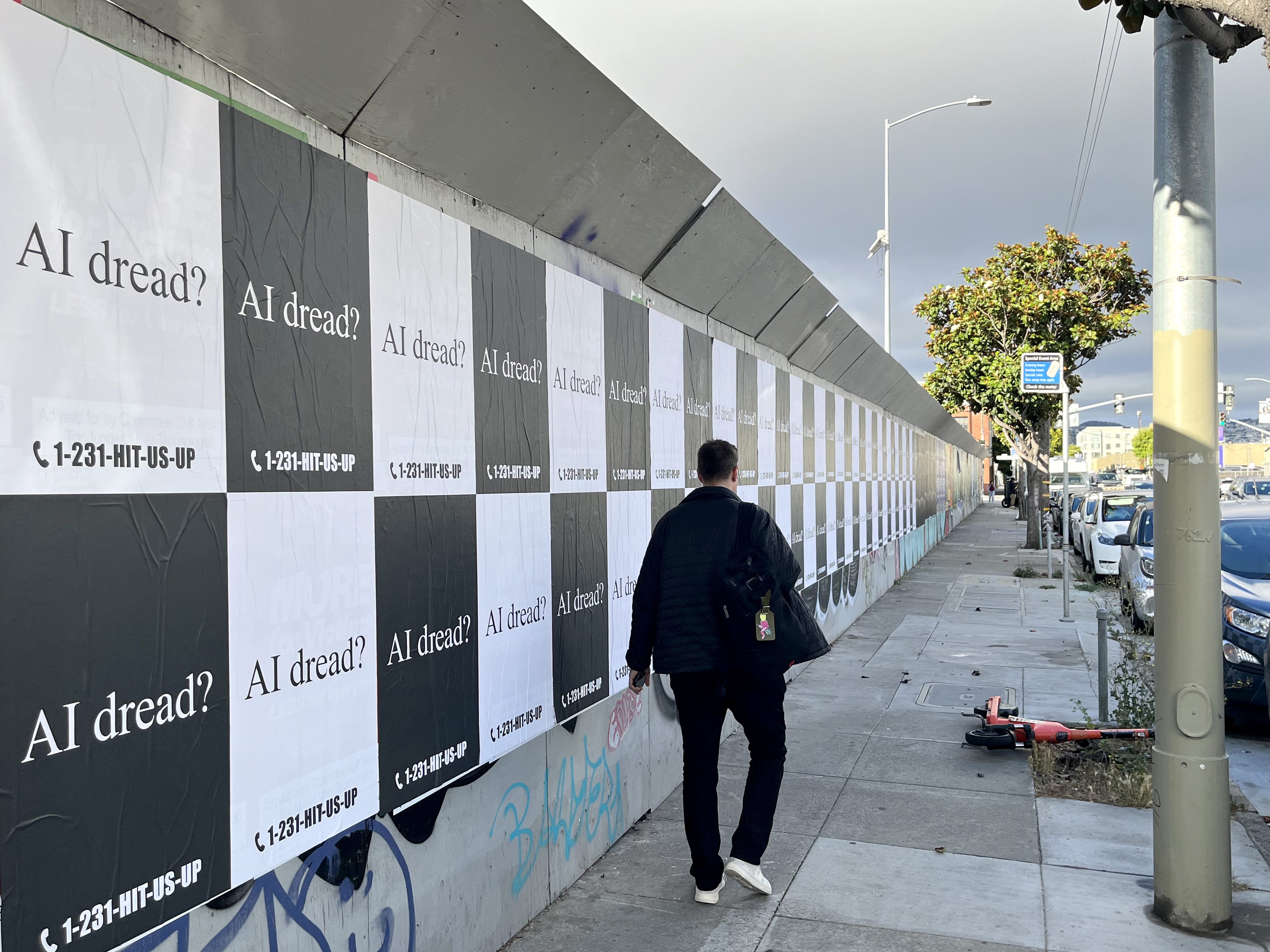
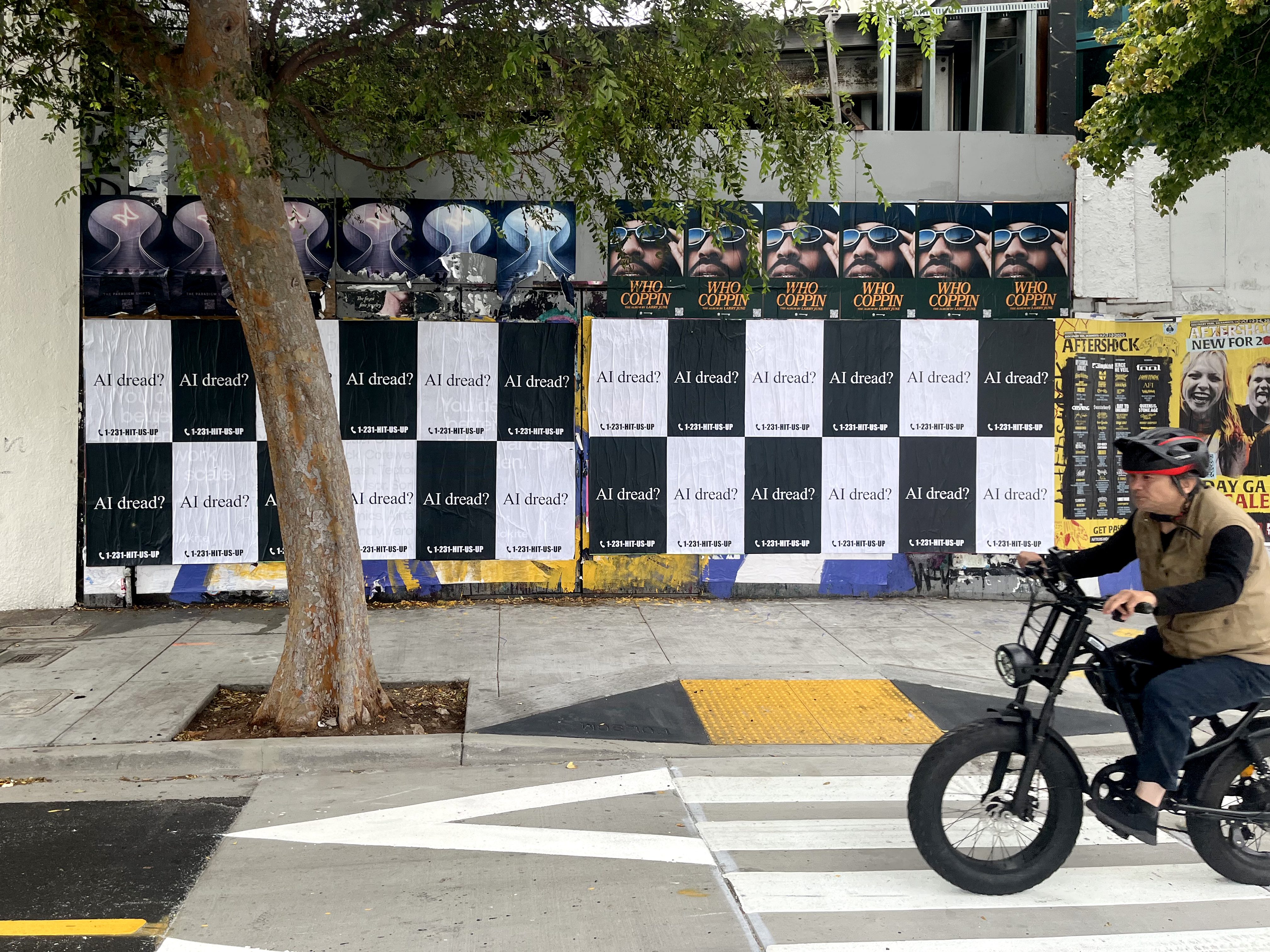
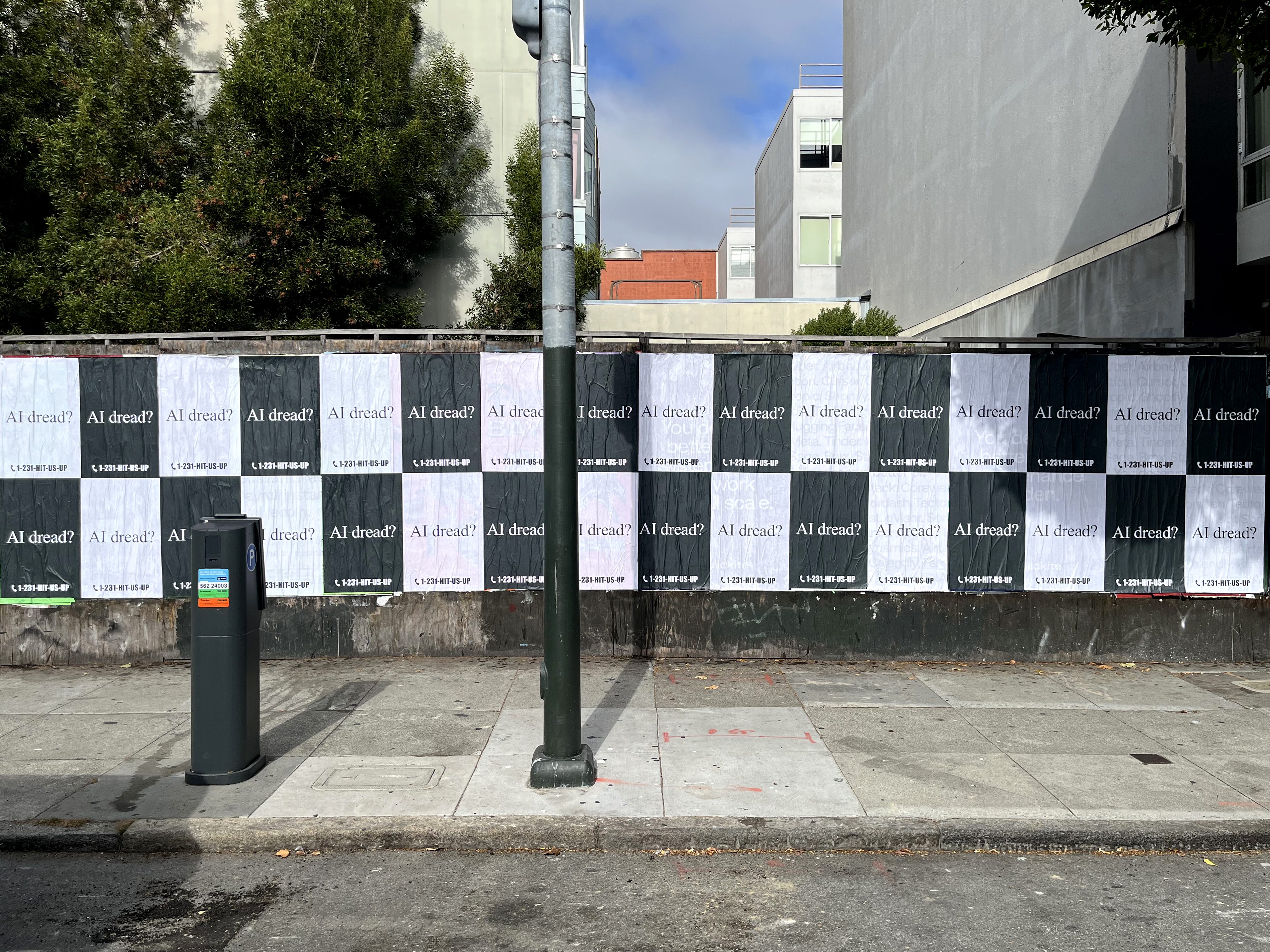
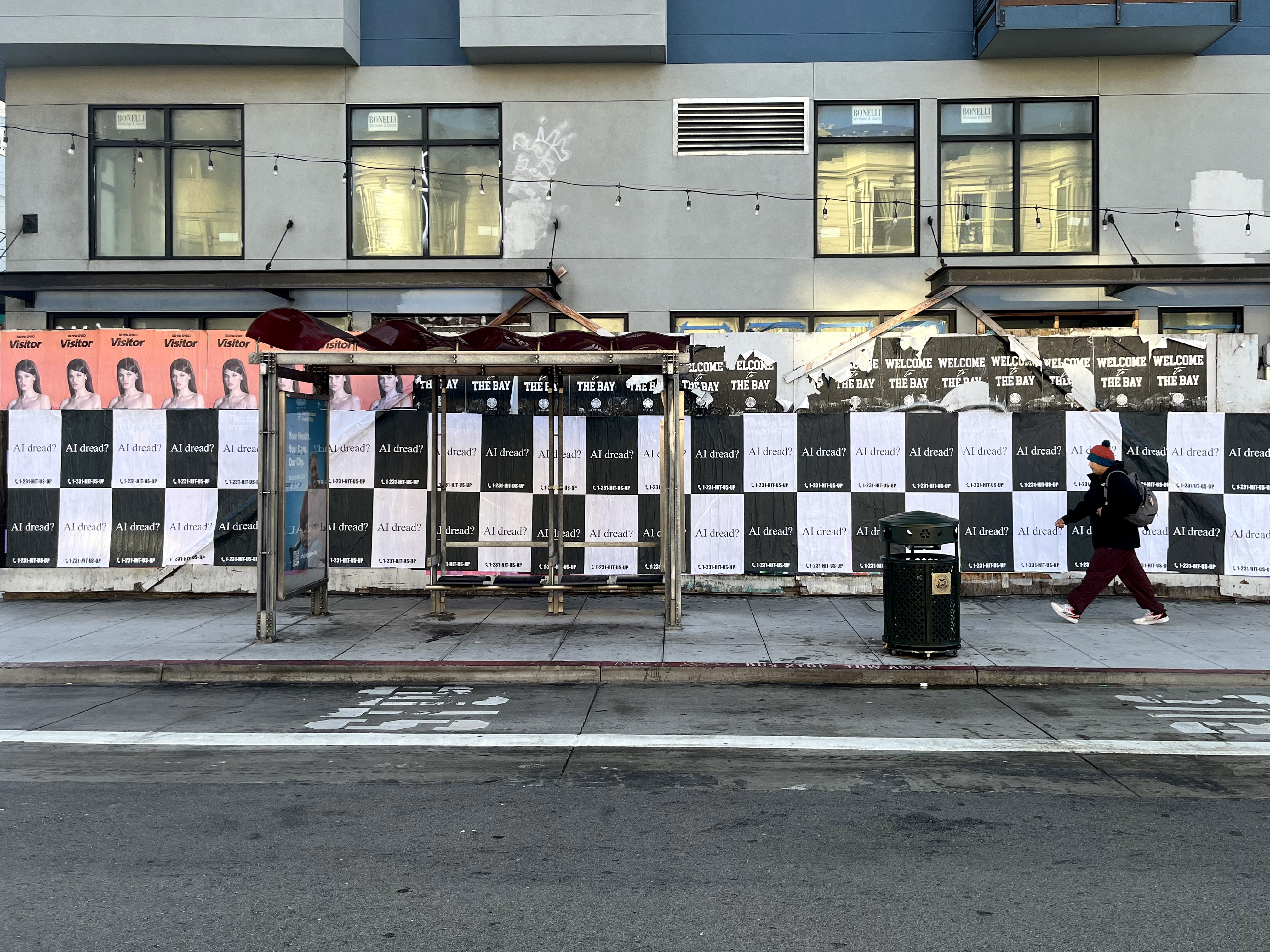
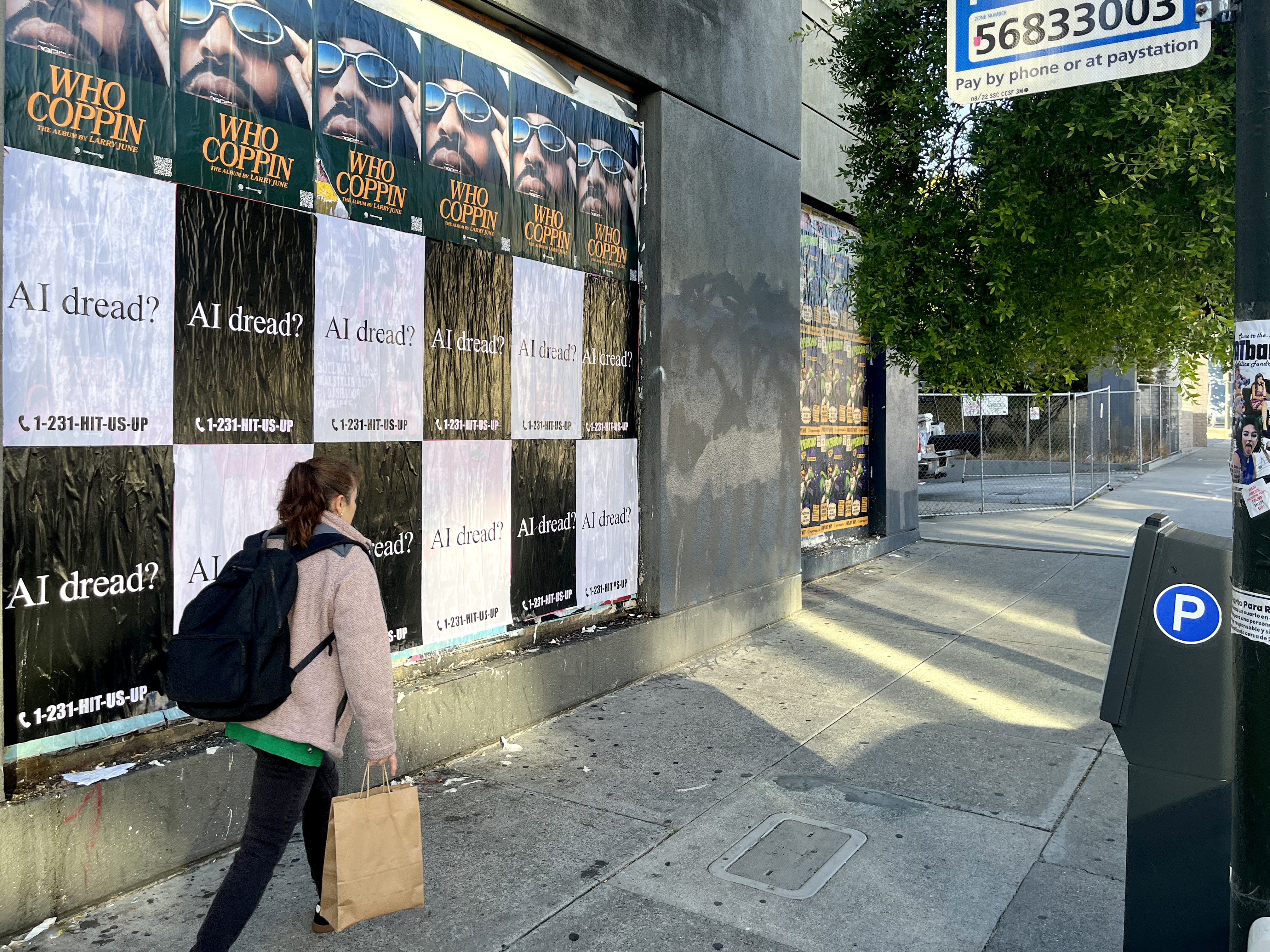
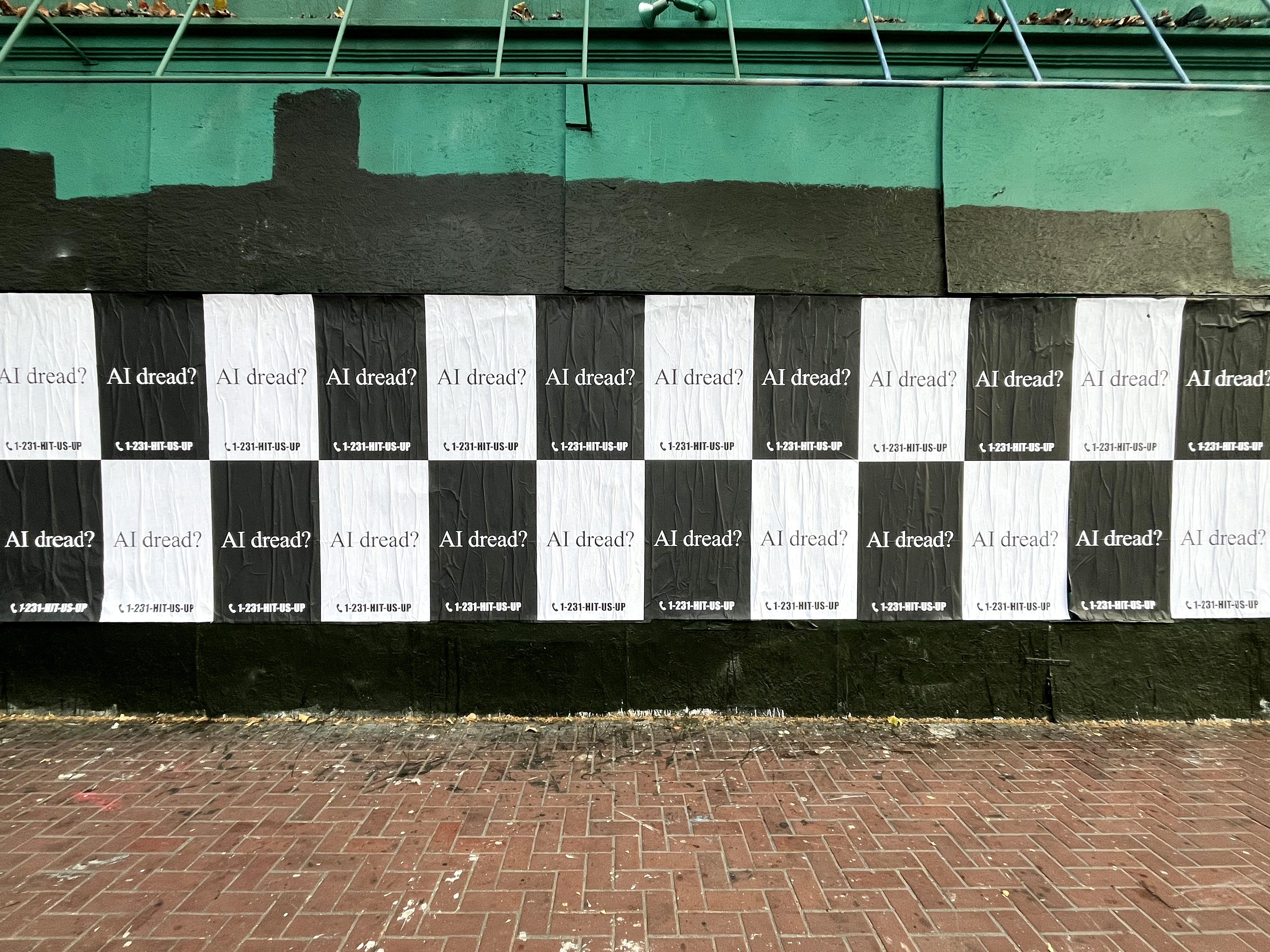
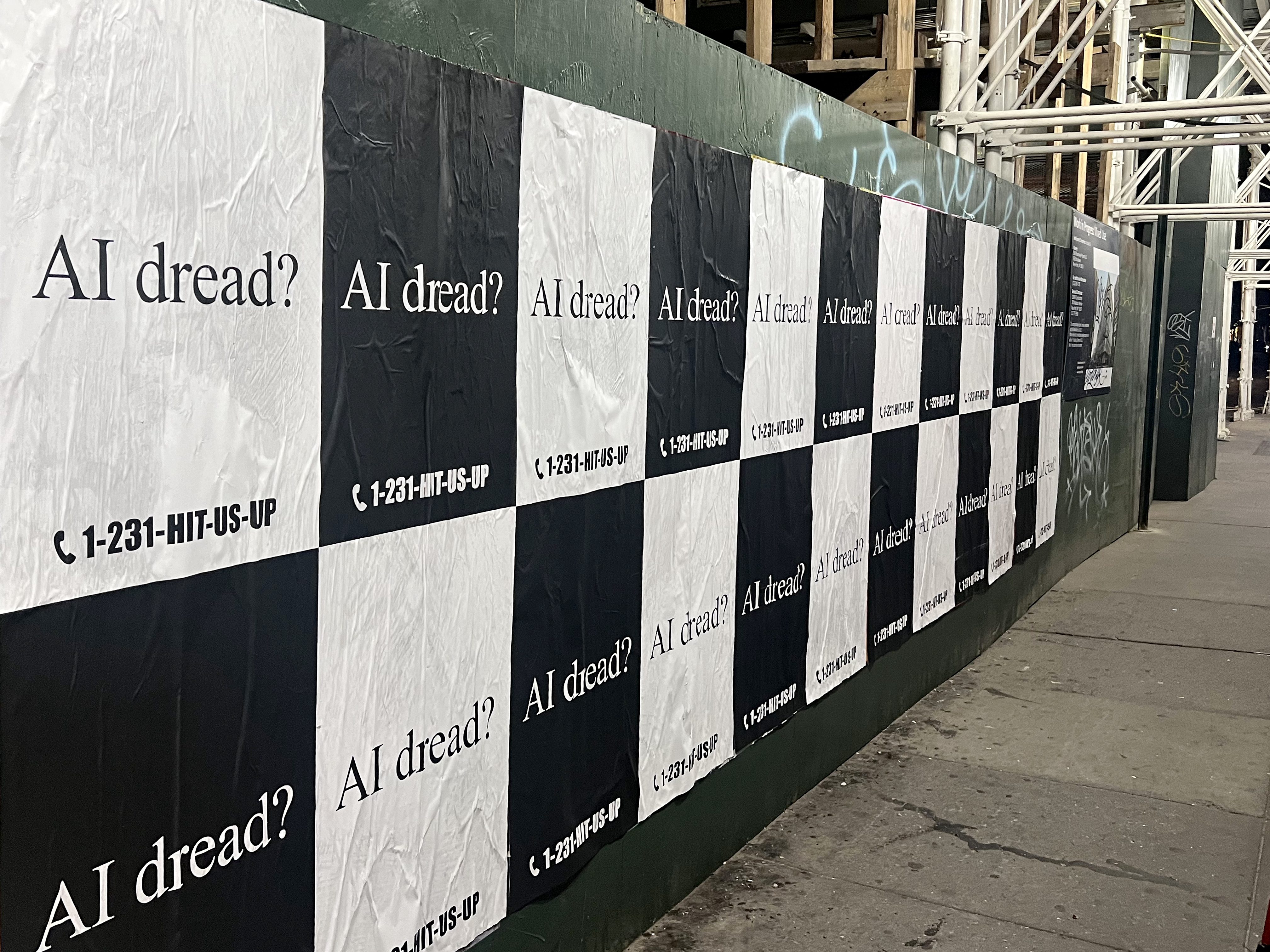
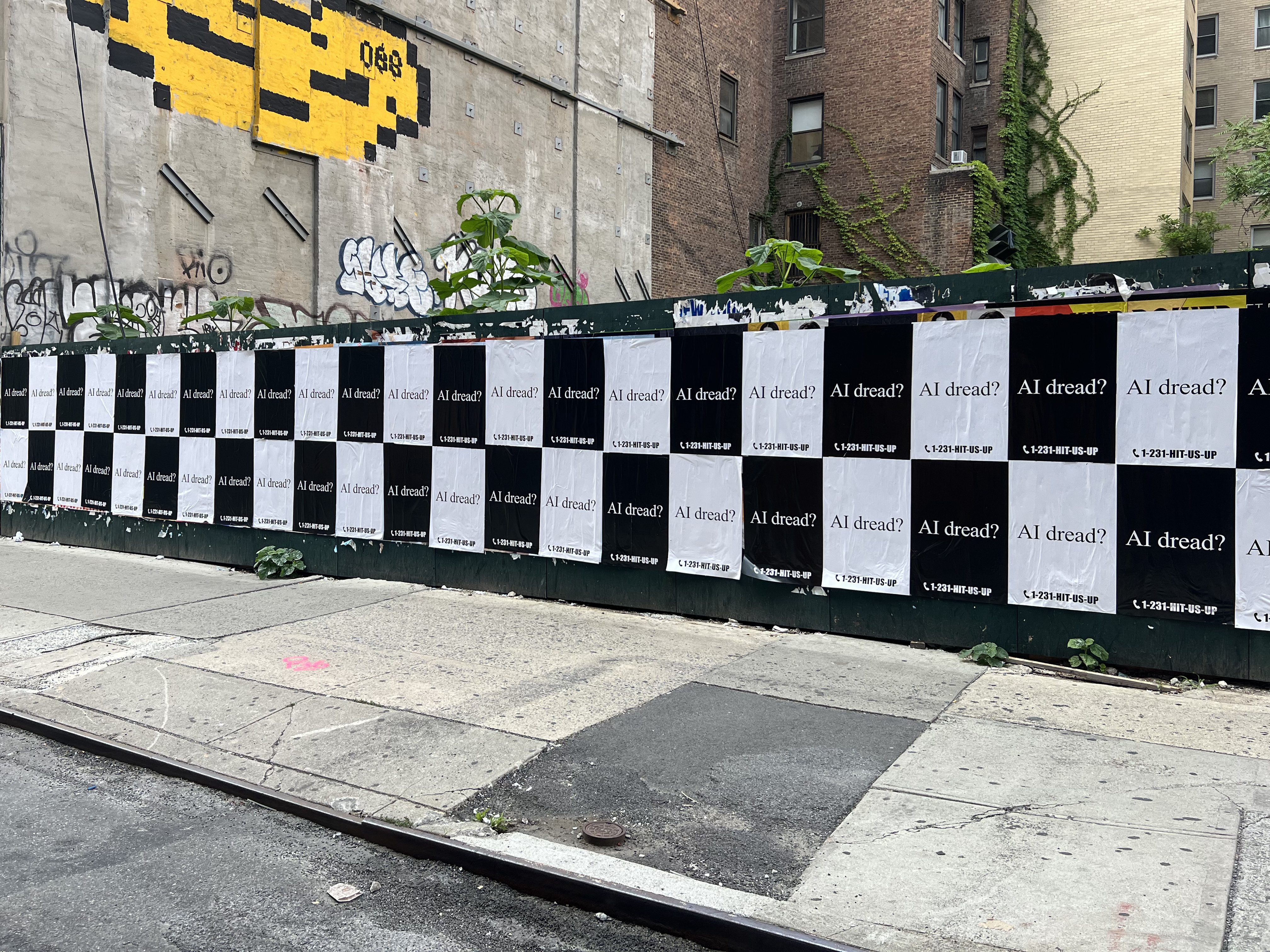
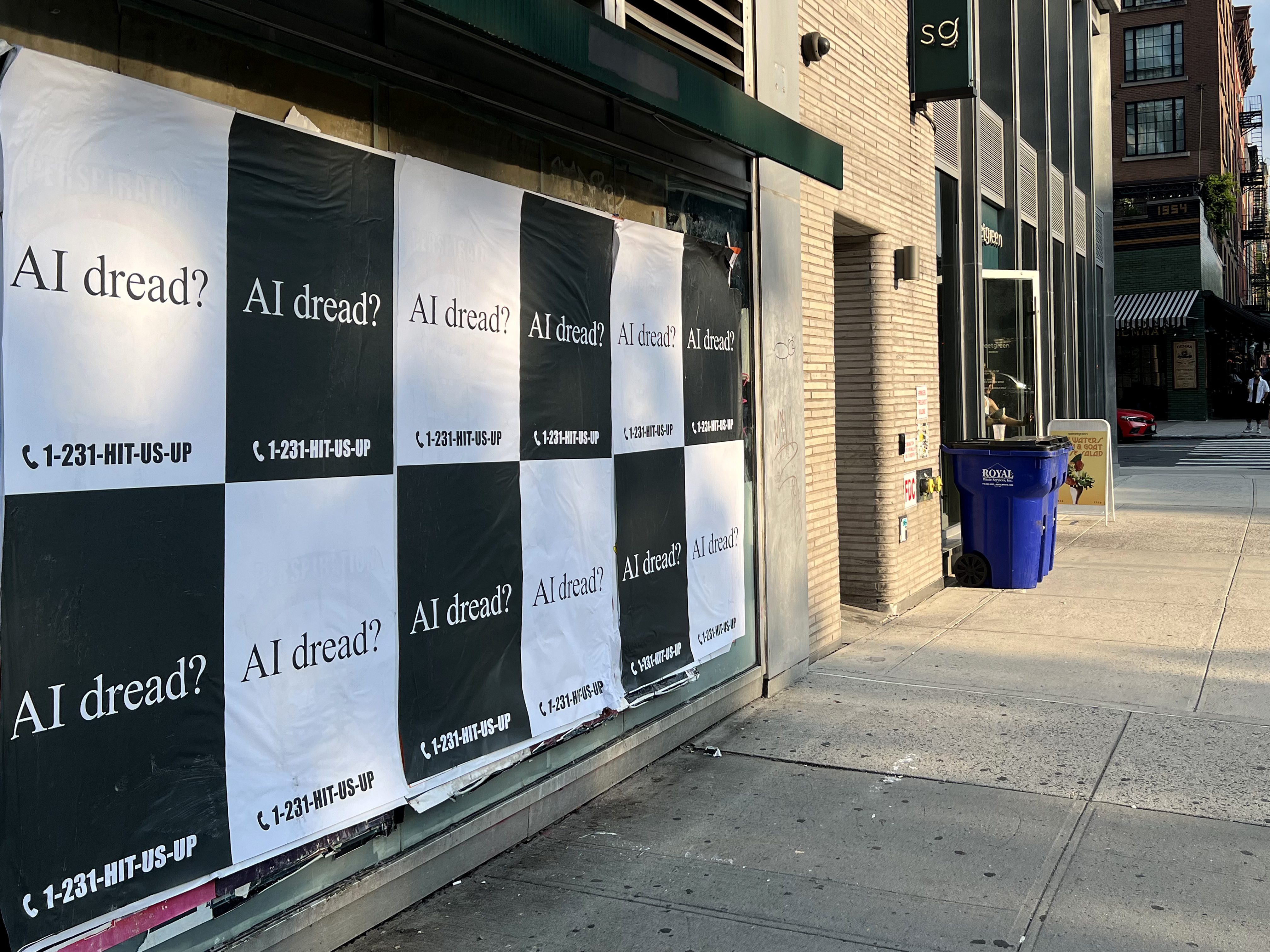
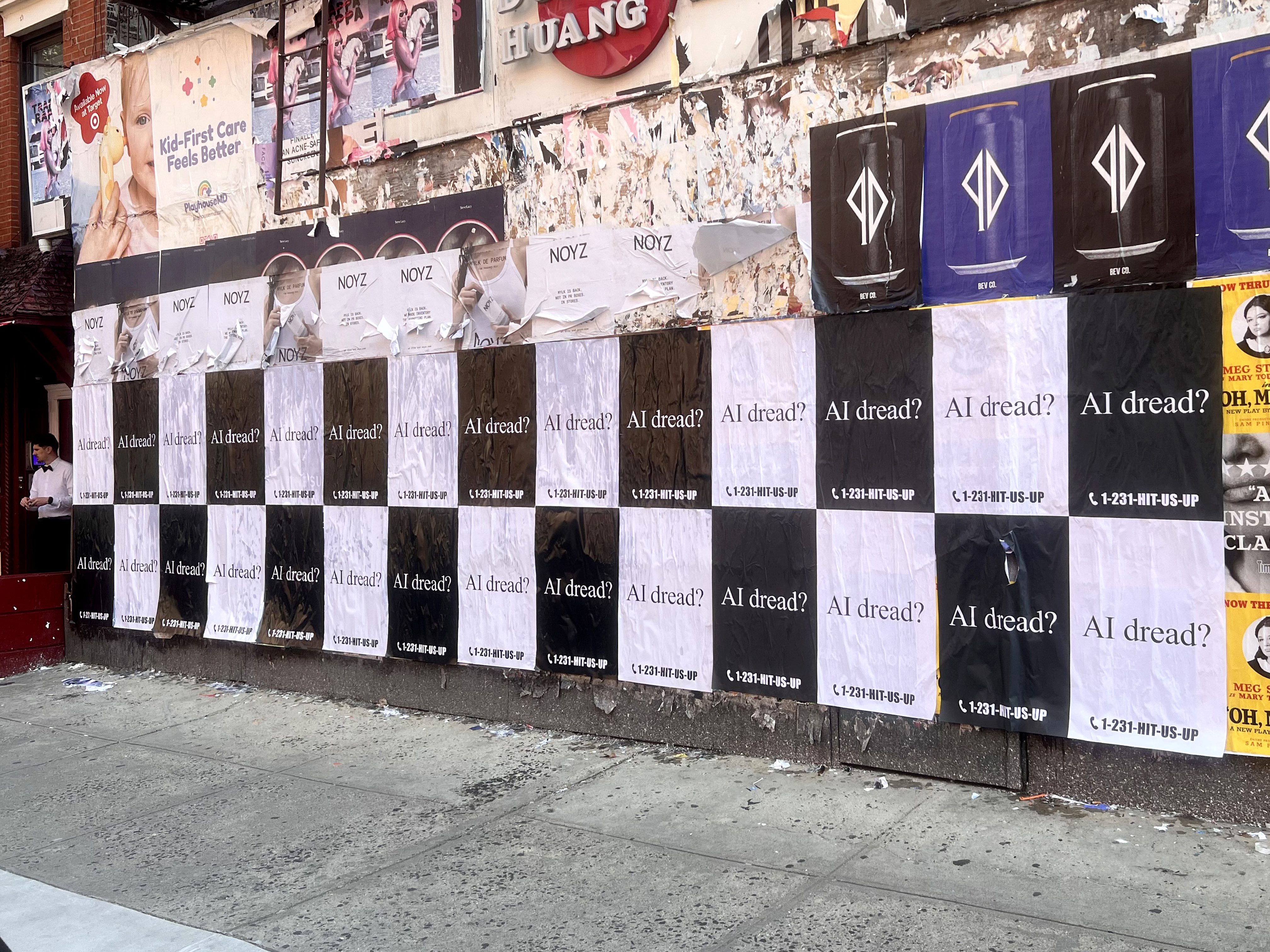
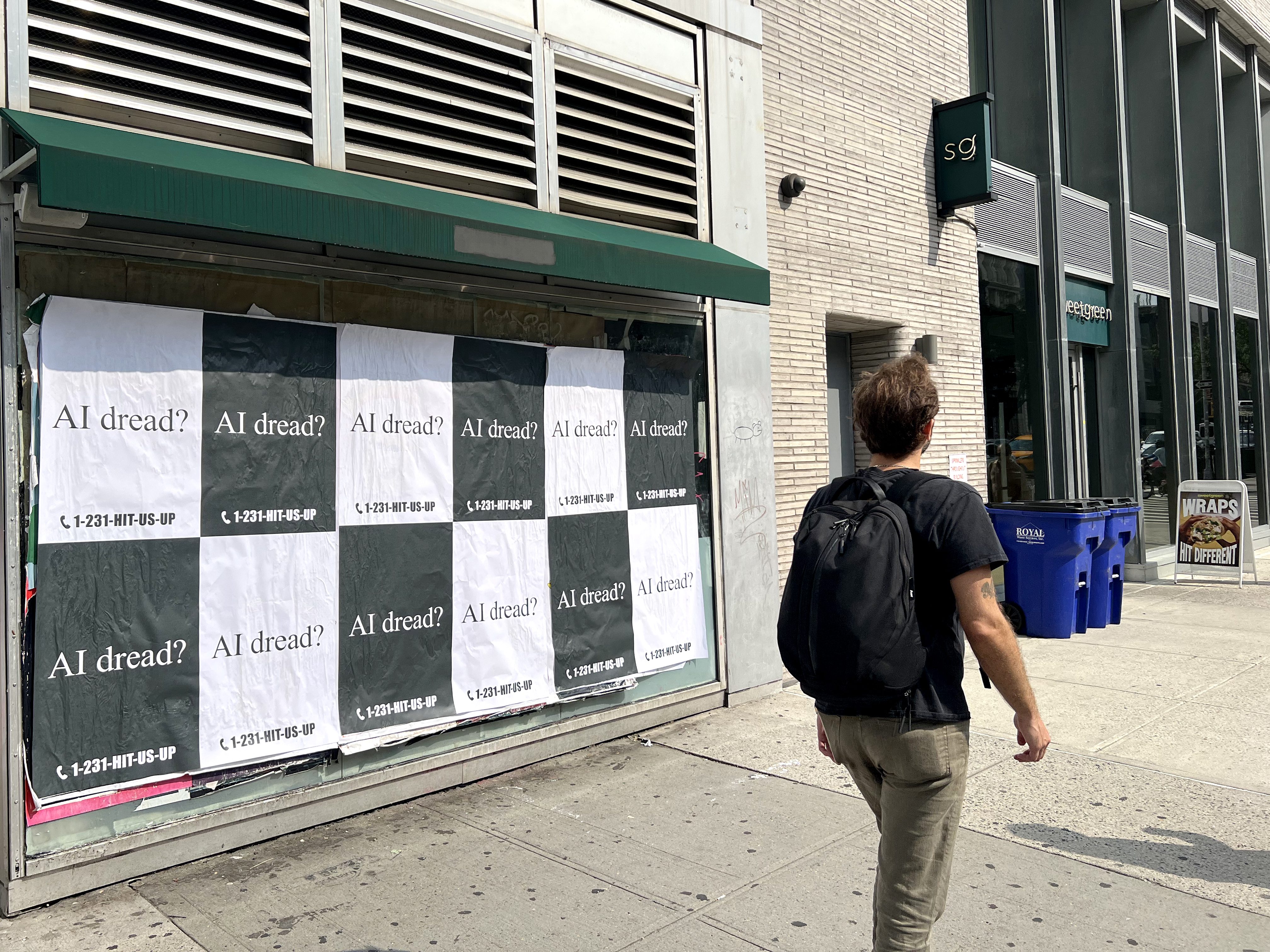
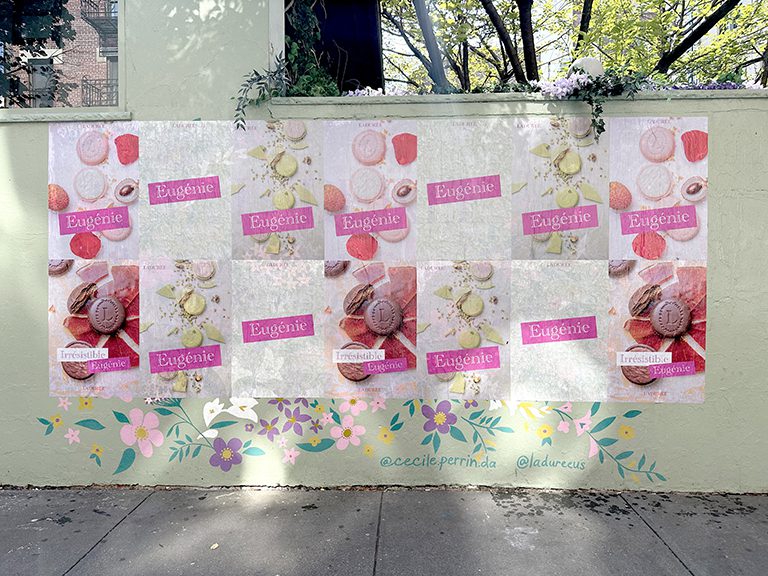
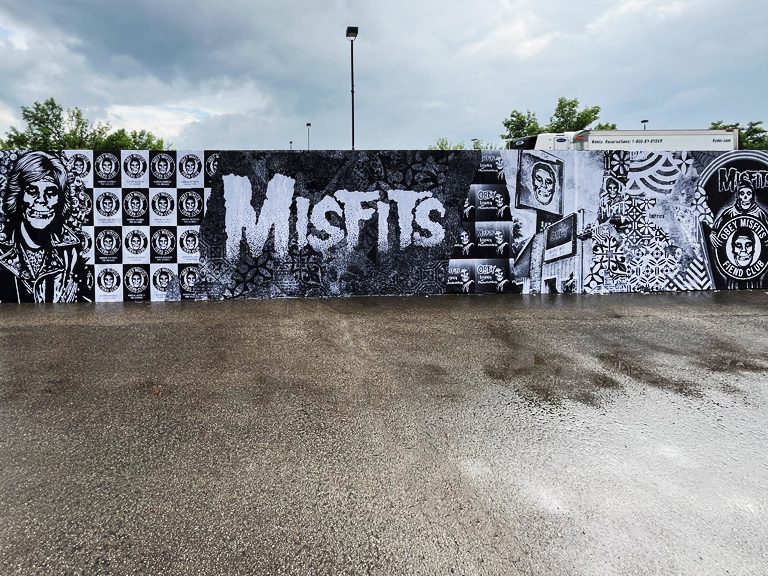
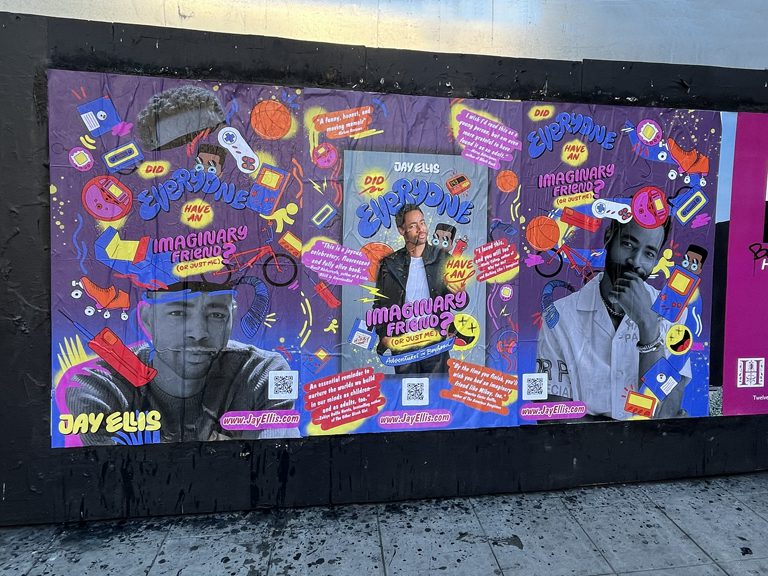
American Guerrilla Marketing deployed four formats simultaneously across New York City and San Francisco: large-format 48×72 wheatpaste posters, standard 24×36 wheatpaste posters, 9×12 snipes, and 9×12 take-ones — a full-spectrum street presence covering every surface type and every scale of the urban visual environment, from building-facade wheatpasting down to the ground-level snipe placements that saturate high-foot-traffic corridors. Every location across both cities was strategically targeted using Google Maps, with installers hitting optimal placements along planned routes to maximize visibility and audience density at each stop.
The campaign didn’t just deploy in two cities. It was engineered to keep both coasts simultaneously active — spiking in one market while the other sustained, then flipping — so the campaign never went quiet on either coast.
The Notion street takeover covered New York City and San Francisco across multiple weekly installation waves. AGM deployed 400 large-format 48×72 wheatpaste posters across 20-plus locations in both markets combined, 800 standard 24×36 wheatpaste posters across 40-plus locations, and a high-volume snipe and take-one program using 9×12 formats across 100-plus location points throughout both cities. Total campaign volume: 4,800 pieces across four formats and six creative designs.
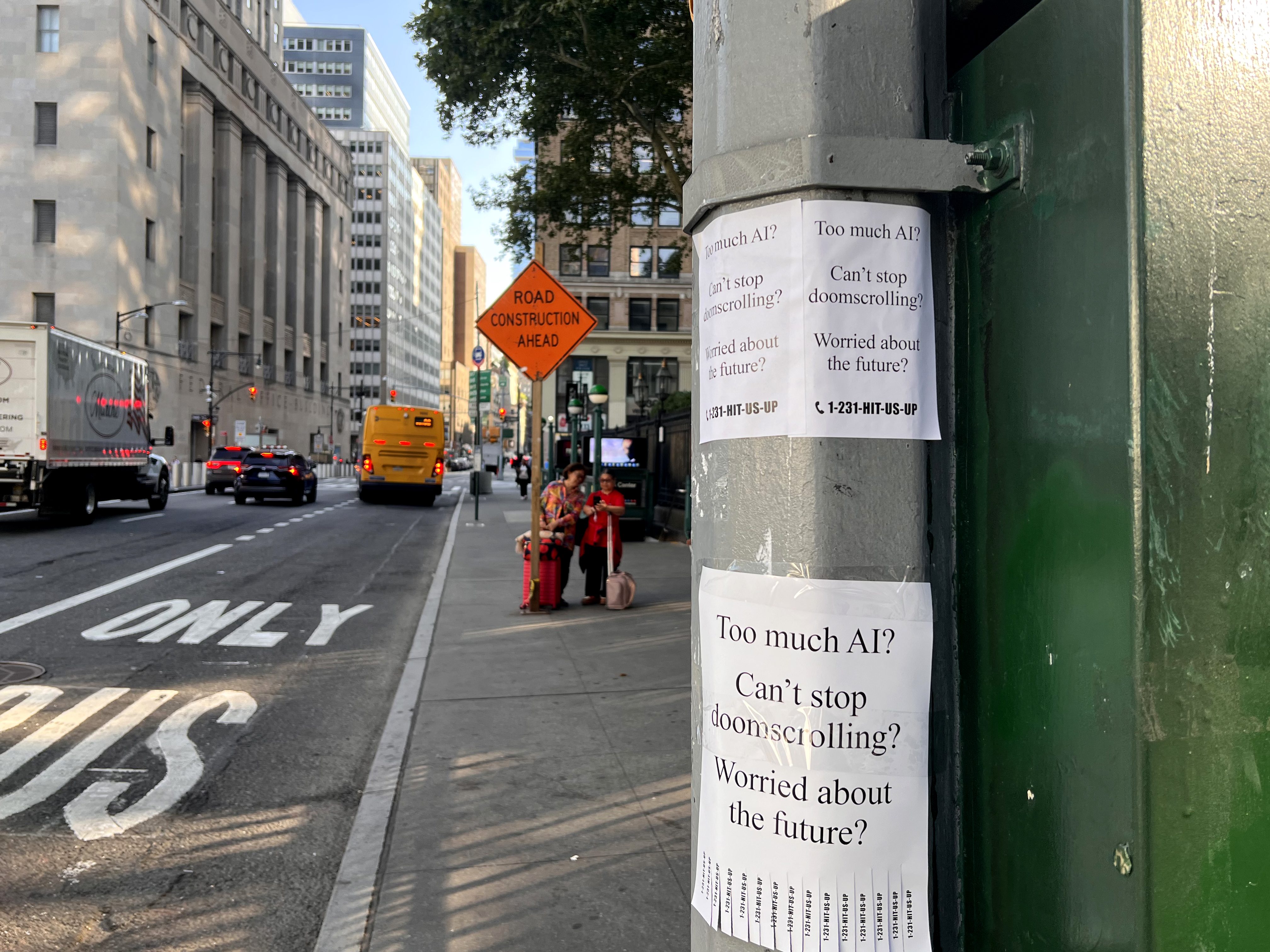
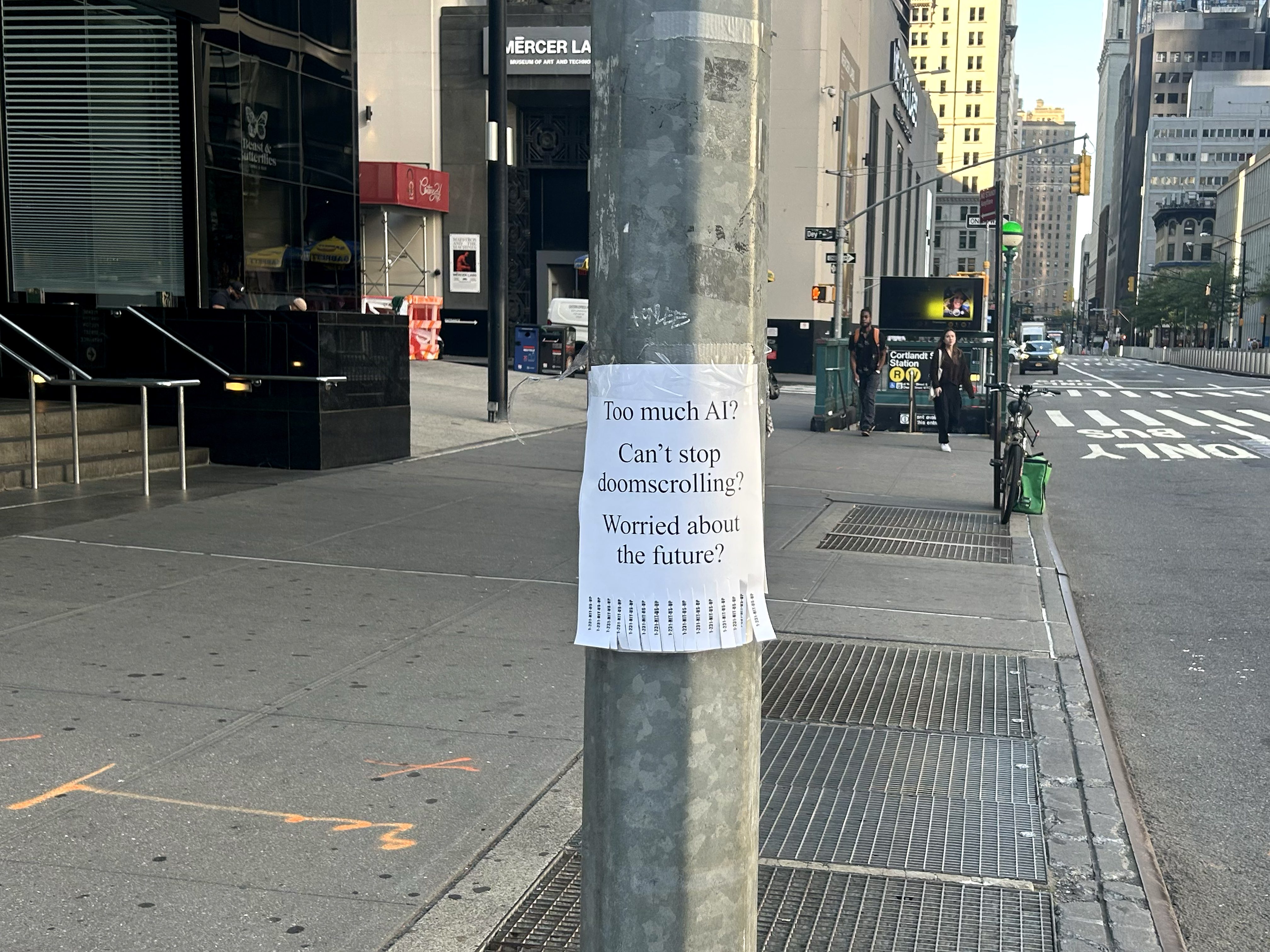
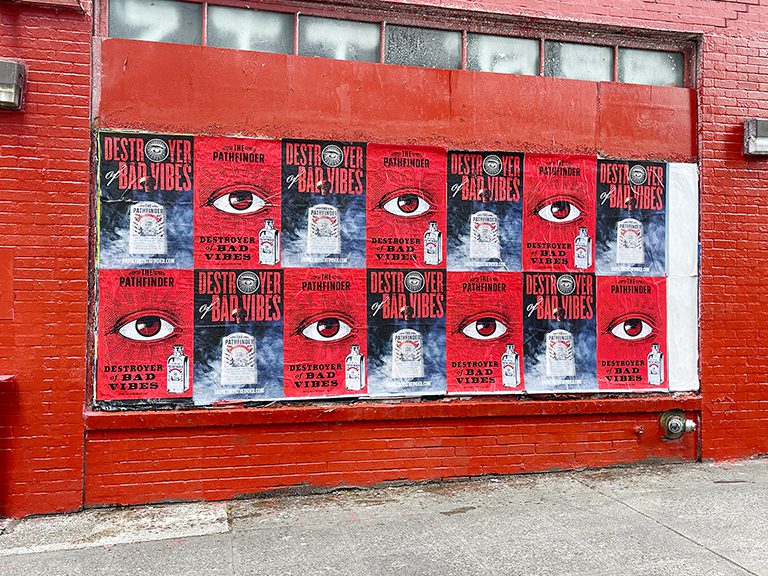
Each format served a distinct function in the campaign’s visual coverage. The 48×72 wheatpasting anchored brand presence at building-facade scale — visible from across the street, dominating wall real estate in the neighborhoods that matter. The 24×36 standard posts saturated the sidewalk-level visual field across both markets. The 9×12 snipes hit the high-traffic utility surfaces, poles, and tight-wall spots that larger formats cannot reach — the kind of dense, repeated small-format placement that makes a campaign feel unavoidable in a neighborhood. The 9×12 take-ones put the brand directly in people’s hands, creating a physical touchpoint that the wall-mounted formats cannot produce.
Creative finalization was required by June 25, 2026. Wave 1 launched July 7, 2026. Subsequent weekly waves ran through the campaign period with the alternating coastal distribution structure described below.
The wave structure that defined this campaign was not simply a scheduling decision — it was the campaign’s core strategic mechanism. Rather than splitting inventory 50/50 across both cities for each wave, AGM ran a 75% New York / 25% San Francisco allocation in Wave 1, then inverted to 25% New York / 75% San Francisco in Wave 2, continuing to alternate that ratio across subsequent weekly waves for the duration of the campaign.
The result was a campaign that spiked and tailed on each coast independently, on alternating cycles. When New York was at peak saturation, San Francisco was building toward its own peak. When San Francisco was at full saturation, New York was in its tail — still visible, still present, but allowing the next wave’s fresh placements to land with impact rather than layering on top of already-saturated surfaces. At no point during the campaign were both coasts simultaneously in a trough. The alternating structure kept the campaign feeling active and alive in both markets, coast to coast, for the full run.
This approach solves a fundamental problem in multi-city guerrilla marketing: the degradation of a single-burst installation. A 50/50 split deployed simultaneously means both markets peak and tail at the same time — there is no mechanism to maintain the energy of the campaign after the initial wave ages. The 75/25 alternating structure created a campaign with a heartbeat — pulsing between coasts, maintaining fresh street presence in one city while reinforcing the other, week over week.
Google Maps-based route targeting ensured that every installation wave — regardless of the coastal allocation ratio — concentrated placements at the optimal locations within each market. Installers followed mapped routes through the target neighborhoods, hitting the highest-density pedestrian corridors, the best-performing wall surfaces, and the areas where Notion’s audience is most concentrated. The strategic location targeting made every piece count, regardless of what percentage of that week’s inventory landed in each city.
Notion’s audience is the other critical strategic variable. Builders, designers, engineers, and startup teams are not a demographic that needs to be chased across a broad geography. They are concentrated in specific neighborhoods: SoHo, Dumbo, Williamsburg, and the Flatiron District in New York; SoMa, the Mission, and Hayes Valley in San Francisco. These are the urban environments where Notion’s most active users move through on foot every day — and a street takeover campaign concentrated in those neighborhoods reaches the target audience in the physical world they already inhabit, at every scale from the building wall to the snipe on the pole at the corner of the block.
Award Winning Personalized Service
You will get thoughtful, devoted, and individualized attention from our experienced, qualified, and professional personnel. Being one of the most illustrious agencies in Brooklyn, New York, American Guerrilla Marketing has been awarded the Best of Brooklyn title.
Nationwide
Industry City, Brooklyn, New York 11232
American Guerrilla Marketing
Hours
Mon - Fri: 9 AM - 5 PM
Sat & Sun: Closed
Automate your campaign with AGM’s Request for Proposal Builder. Simply answer a few quick questions about your campaign goals, markets, and timeline, and the system will generate a tailored presentation with recommended strategies, quantities, and pricing. Click the RFP Builder to instantly receive your customized proposal.
Six creative treatments across four formats required a design system that maintained visual coherence from the 48×72 anchor posts down to the 9×12 snipe placements — a 32x difference in scale. Every format needed to be immediately identifiable as part of the same Notion campaign regardless of size or surface type, while being calibrated to perform correctly at its own scale.
The 48×72 and 24×36 wheatpaste formats operate in a public, long-distance visual register. They are seen before they are read — which means the design standard is legibility, brand recognition, and visual impact from across the street at pedestrian pace. The 9×12 snipe and take-one formats operate at a closer, more intimate register. Snipes are encountered at proximity, often in contexts where the viewer has already stopped or slowed. Take-ones are picked up and held — the most direct physical engagement of any format in the campaign. Both smaller formats reward more detail than the large wall posts, and the creative was calibrated for each scale accordingly.
For Notion specifically, the design-literacy of the audience is not a background consideration — it is the primary creative standard. Builders and designers evaluate creative quality instinctively. Work that feels native to the urban environments of SoHo and SoMa, that is executed at the same level of craft those communities apply to their own work, reinforces Notion’s positioning as the tool for serious builders. Work that reads as generic street advertising does the opposite. The six creative designs across this campaign were built to meet that standard across all four formats.
Across both New York City and San Francisco, AGM’s Google Maps route targeting concentrated every wave’s installation footprint in the neighborhoods most relevant to Notion’s audience. In New York, the campaign saturated SoHo, Dumbo, the Flatiron District, and Williamsburg — the geographic intersections of tech culture, startup infrastructure, and creative work where Notion’s core users are most concentrated. In San Francisco, primary concentration was in SoMa, the Mission, and Hayes Valley, with coverage extending through the urban core neighborhoods where the city’s tech and creative community lives and works.
The four-format structure shaped placement decisions because each format has its own surface requirements. The 48×72 wheatpasting requires dedicated wall real estate — construction hoarding, building facades, large flat surfaces with the space to hold the format cleanly. Standard 24×36 posts distribute across a wider range of surfaces throughout the same geography. The 9×12 snipe format is specifically designed for the dense pole-and-surface inventory that larger formats cannot reach — filling the blocks between major wall placements with small-format saturation that makes the campaign feel omnipresent at ground level. The 9×12 take-ones extended the campaign into the interior surfaces of the neighborhoods — coffee shops, co-working lobbies, and community boards where the audience pauses and engages, rather than passes through.
The 20-plus locations for the 48×72 format, 40-plus for 24×36, and 100-plus each for snipes and take-ones produced a campaign footprint distributed across each city’s full target geography — encountered repeatedly, at every scale, throughout the campaign period.
The Notion coast-to-coast street takeover built simultaneous large-format, snipe, and take-one presence across the two American cities most densely populated with Notion’s core audience. The four-format stack covered every scale of the urban visual environment in both markets — from the 48×72 wheatpasting visible from across the street to the 9×12 snipes saturating the pole-and-surface inventory at ground level to the take-ones that placed the brand in people’s hands inside the neighborhoods they work in every day.
The alternating 75/25 wave structure did what a single-deployment or equal-split campaign cannot: it kept the campaign visually fresh and actively spiking on at least one coast throughout the entire run. New York and San Francisco never simultaneously tailed. The campaign always had a coast where inventory was peaking — and the coast at lower saturation had fresh placements arriving on the next wave’s deployment. The result was a guerrilla marketing presence that maintained energy across both coasts, coast to coast, for the full campaign period.
For a productivity platform whose growth runs on word-of-mouth among professional creative communities, placing the brand physically in the urban environments those communities inhabit — on the walls, on the poles, in the coffee shops and co-working lobbies of SoHo, Dumbo, SoMa, and the Mission — creates a kind of ambient brand presence that no digital channel can produce. The Notion street takeover made that presence real across both coasts, simultaneously, for weeks.
Each format covers a different tier of the urban surface inventory and reaches the audience at a different scale. The 48×72 wheatpasting establishes brand presence at building-facade scale — seen from across the street before anything is read. The 24×36 standard posts saturate the sidewalk-level wall inventory at close-range pedestrian pace. The 9×12 snipes cover the pole-and-utility-surface inventory that the larger formats cannot reach, creating ground-level saturation throughout the target neighborhood. The 9×12 take-ones extend the campaign into interior environments — coffee shops, lobbies, community boards — where the audience pauses and engages. Four formats together create a total visual presence. Any single format leaves the other tiers uncovered.
The 75/25 wave structure allocates 75% of each wave’s installation inventory to one city and 25% to the other, then inverts those percentages on the next wave. The result is a campaign that spikes in one market while the other sustains, and then flips — so at any point in the campaign, one coast is at peak visual saturation while the other is building toward its next peak. Neither coast simultaneously goes quiet. The alternating structure maintains campaign energy across both markets for the full run in a way that a single-burst installation or a flat 50/50 split cannot achieve. The campaign has a heartbeat rather than a single peak and a long decay.
Notion’s core users — builders, designers, engineers, and startup teams — are concentrated with unusual density in those two cities. The neighborhoods where that audience is most present are identifiable: SoHo, Dumbo, Williamsburg, and the Flatiron District in New York; SoMa, the Mission, and Hayes Valley in San Francisco. A street campaign concentrated in those neighborhoods reaches the target audience in their own physical environment rather than finding them through demographic targeting across a diluted geographic footprint. Putting the full campaign investment into the two highest-density markets for Notion’s audience produces more relevant contacts per placement than spreading the same inventory across a broader, less concentrated geography.
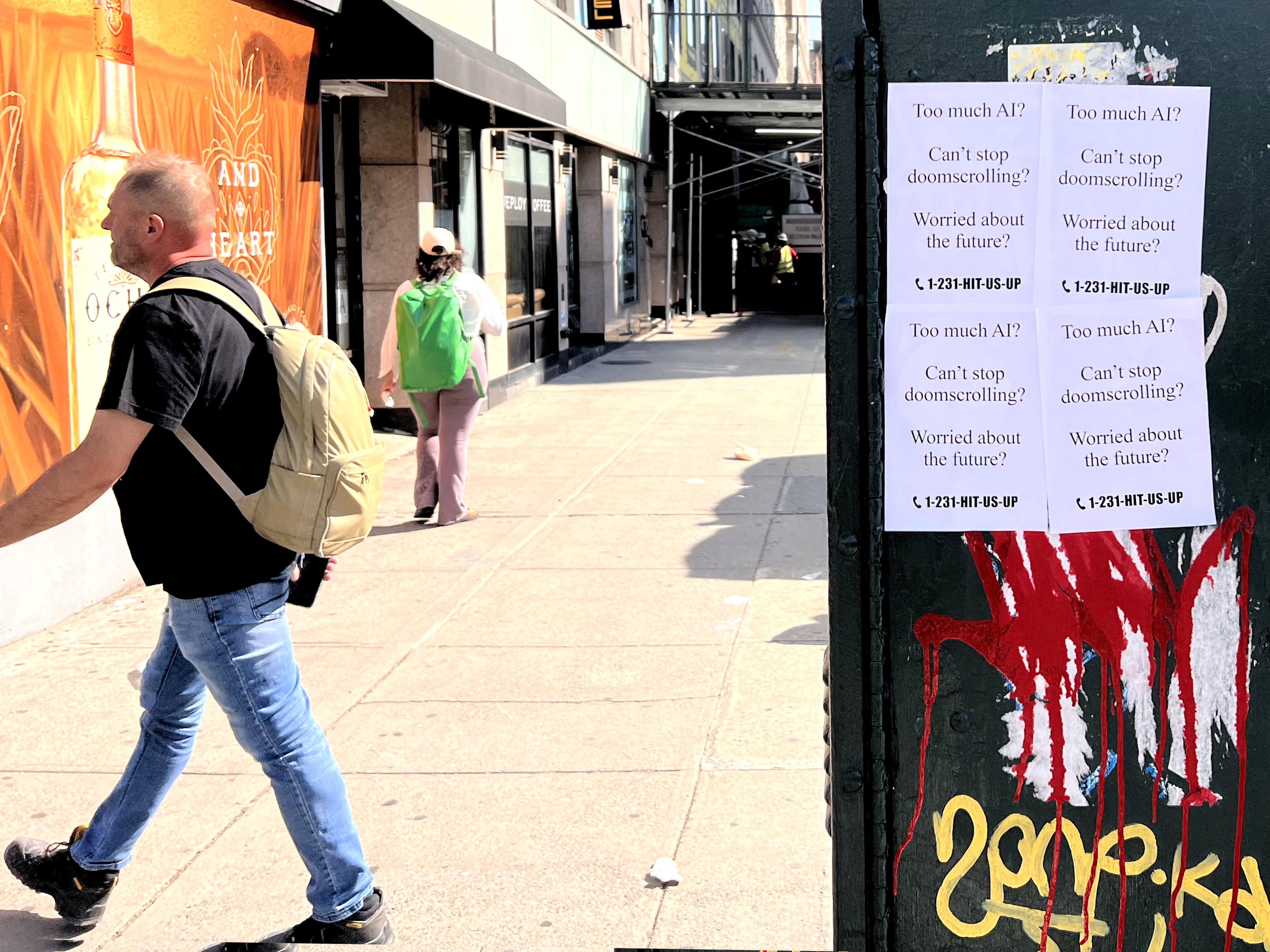
A snipe is a small-format poster — in this campaign, 9×12 — placed on poles, utility boxes, and tight-surface inventory throughout the target geography. Snipes are the ground-level saturation layer of a multi-format street campaign: they fill the spaces between larger wall placements with repeated small-format brand impressions that make the campaign feel omnipresent in a neighborhood. At 100-plus locations per market, the Notion snipe program covered the full surface inventory of the target neighborhoods at a density the 48×72 and 24×36 formats cannot match. An audience member walking through SoMa or Williamsburg during the campaign encountered the Notion brand not only on major wall placements but at every block on the utility-surface level.
A 9×12 take-one is a printed piece placed in a display or holder at a location where the audience stops — a coffee shop counter, a co-working space lobby, a community board near a workspace. Unlike wall-mounted formats, the take-one is designed to be picked up and taken away. The person who takes one has made a deliberate choice to engage with the piece, which is a fundamentally different level of engagement than passing by a poster on a wall. For Notion’s audience — knowledge workers who spend time in coffee shops, co-working environments, and creative spaces — the take-one placed in those specific environments reaches the right person at a moment of voluntary engagement rather than passive exposure.
Google Maps route targeting converts a location list into optimized installer routes that sequence stops for maximum efficiency and coverage density. For a campaign covering two major metropolitan areas across multiple weekly waves, route optimization ensures that installers cover the highest-priority surfaces in the correct geographic sequence — minimizing backtracking, maximizing time in the target zone, and hitting the optimal placement surfaces at each stop along the route. Route targeting also produces a documented record of planned coverage that can be referenced against field documentation to verify that each wave hit the intended geographic footprint in both cities.