🚀 NEW WHEATPASTING MARKETS Discover our wheatpasting campaigns in : 🇬🇧 London • 🇨🇦 Canada • 🇲🇽 Mexico City

American Guerrilla Marketing

Nationwide Service

Media planning, media buying, billboard advertising, & guerrilla marketing

Case Study:

At&t Quantum Fiber Door Hanger Campaign In Minneapolis–saint Paul

AT&T Quantum Fiber Door Hanger Campaign in Minneapolis–Saint Paul

When AT&T expanded into Quantum Fiber territory across the Minneapolis metro, the challenge wasn’t brand recognition — AT&T is one of the most recognized names in American telecommunications. The challenge was conversion at the address level. Fiber internet service is a household-by-household decision driven by availability, pricing, and timing. The residences eligible to receive the service are known before the campaign starts. Every address outside that list is out of scope. That kind of precision marketing has one correct format: direct-to-door distribution, placed at specific residential addresses, with a clear offer in hand.

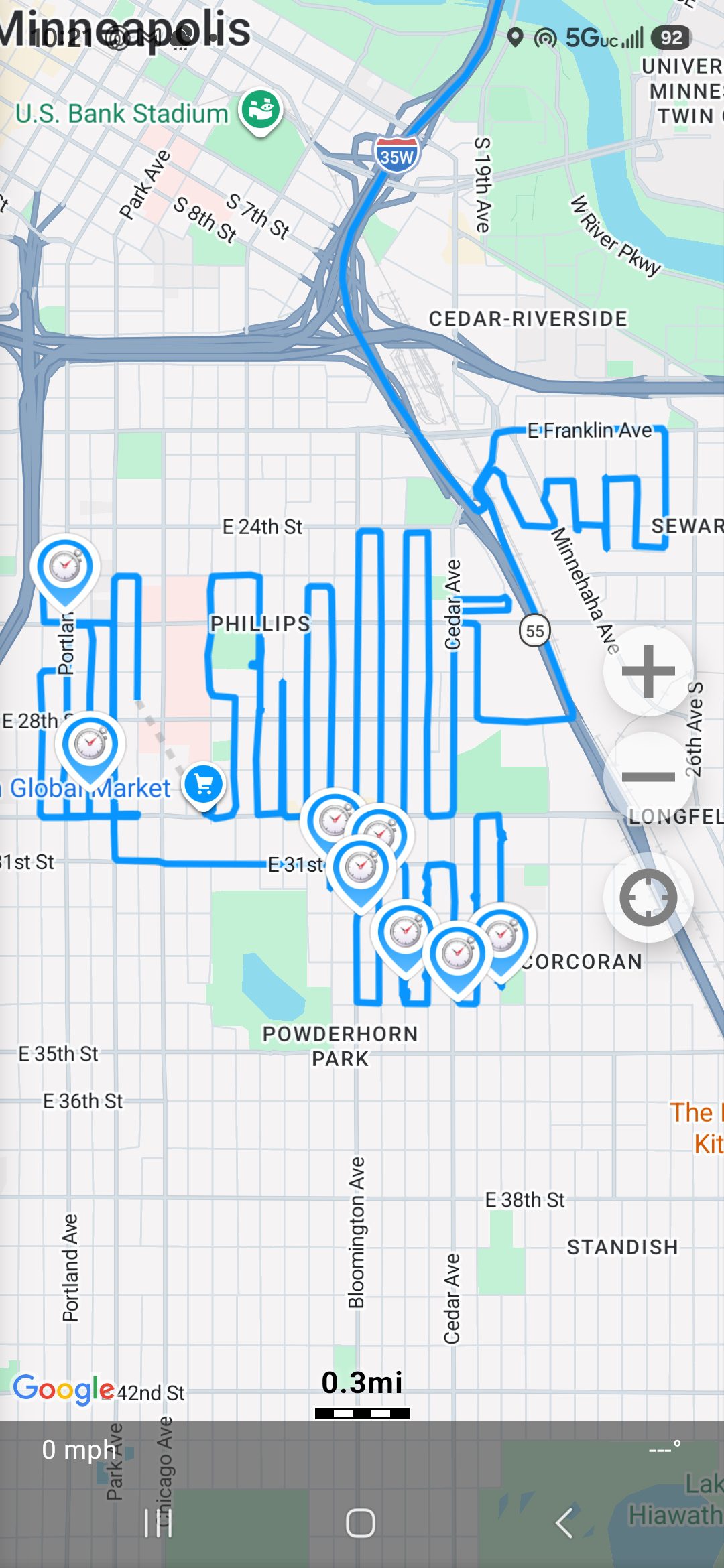
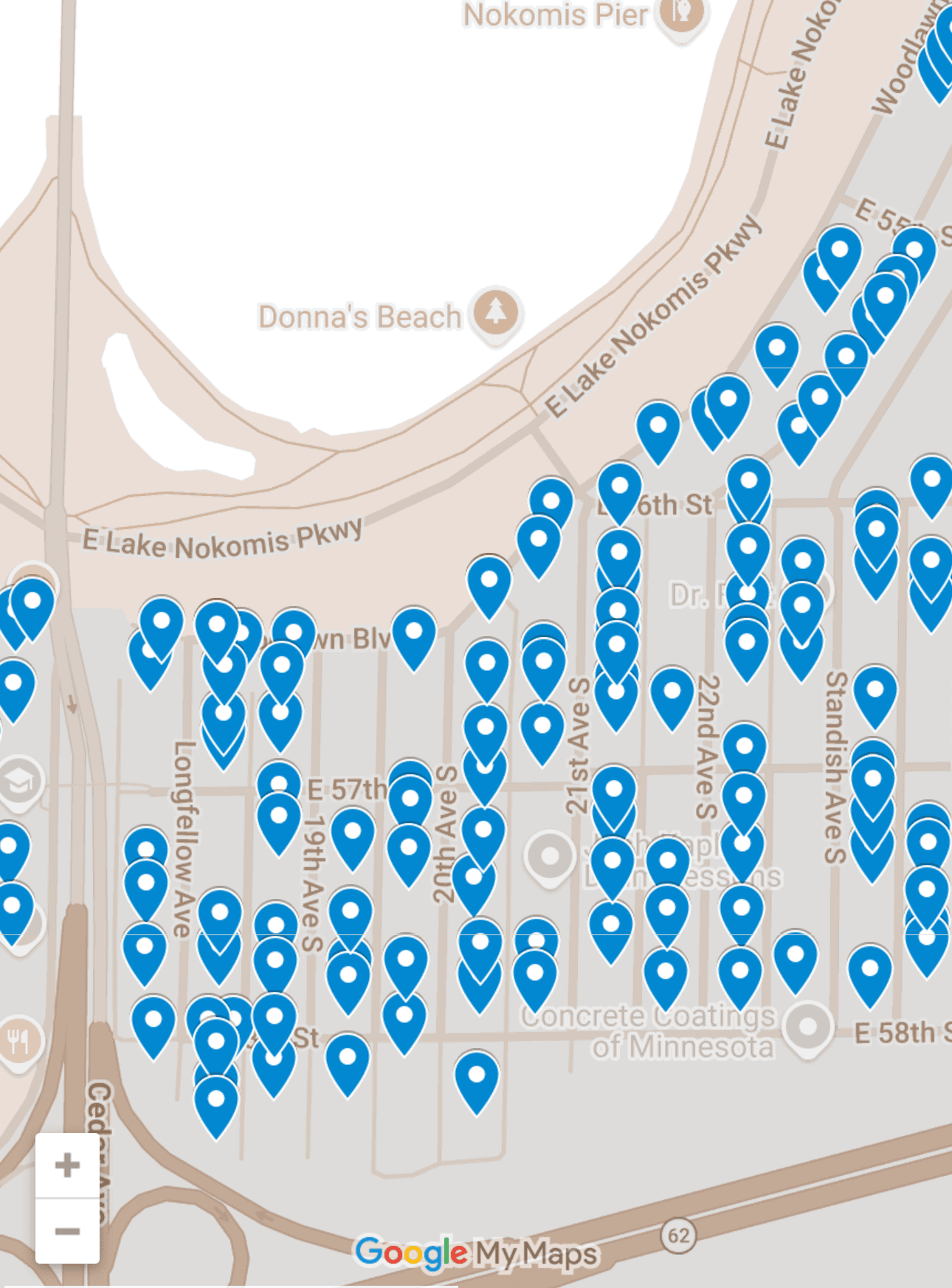
American Guerrilla Marketing was commissioned to execute a 45,000-address door hanger distribution campaign across the Minneapolis and Saint Paul metro. AT&T provided the targeted address data as a CSV file — every residence eligible for Quantum Fiber service in the market. AGM used the Google Maps Platform to build a full routing infrastructure from that data: 45,000 individual addresses organized into 21 mapped layers across three Google My Maps files, each layer containing approximately 1,998 individual address pins. Four teams of four people ran those routes over 30 active working days, covering the full metro from Anoka County’s northern suburbs to Bloomington and the south metro, from Minneapolis’s urban core to the first-ring suburbs east into Saint Paul.

This was address-level marketing at metropolitan scale — every piece delivered to a specific household AT&T had identified as a prospect, with a live service offer at the door, and a reporting package that documented delivery across every major zone in the metro.

Campaign Overview

The AT&T Quantum Fiber door hanger campaign ran June 21 through July 31, 2026 — 41 calendar days with 30 active working days. All 45,000 targeted addresses were sourced from AT&T’s eligibility data, converted by AGM into 21 KML route layers across three Google My Maps files, and executed by AGM field crews across the full Minneapolis and Saint Paul metropolitan area.

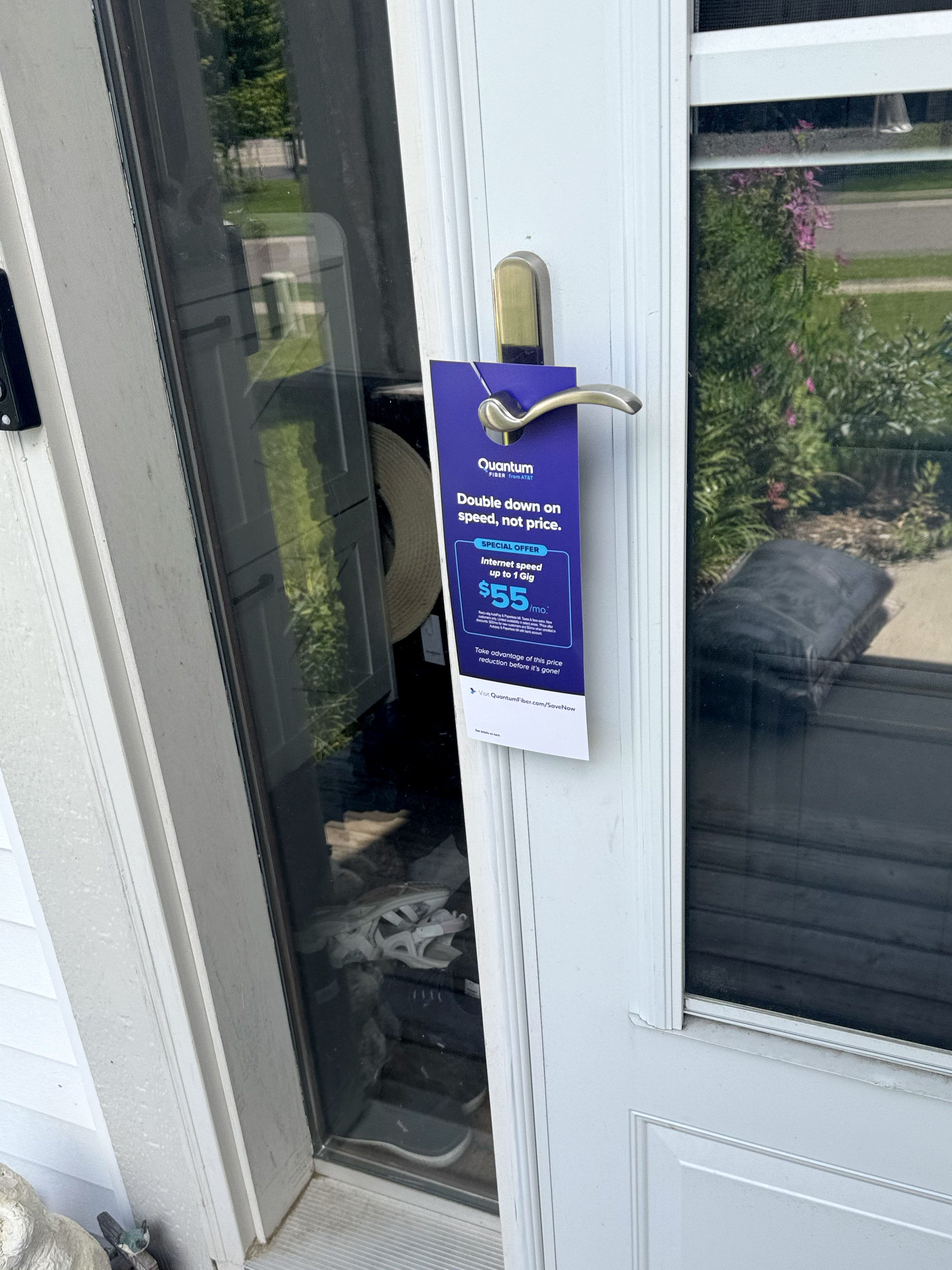
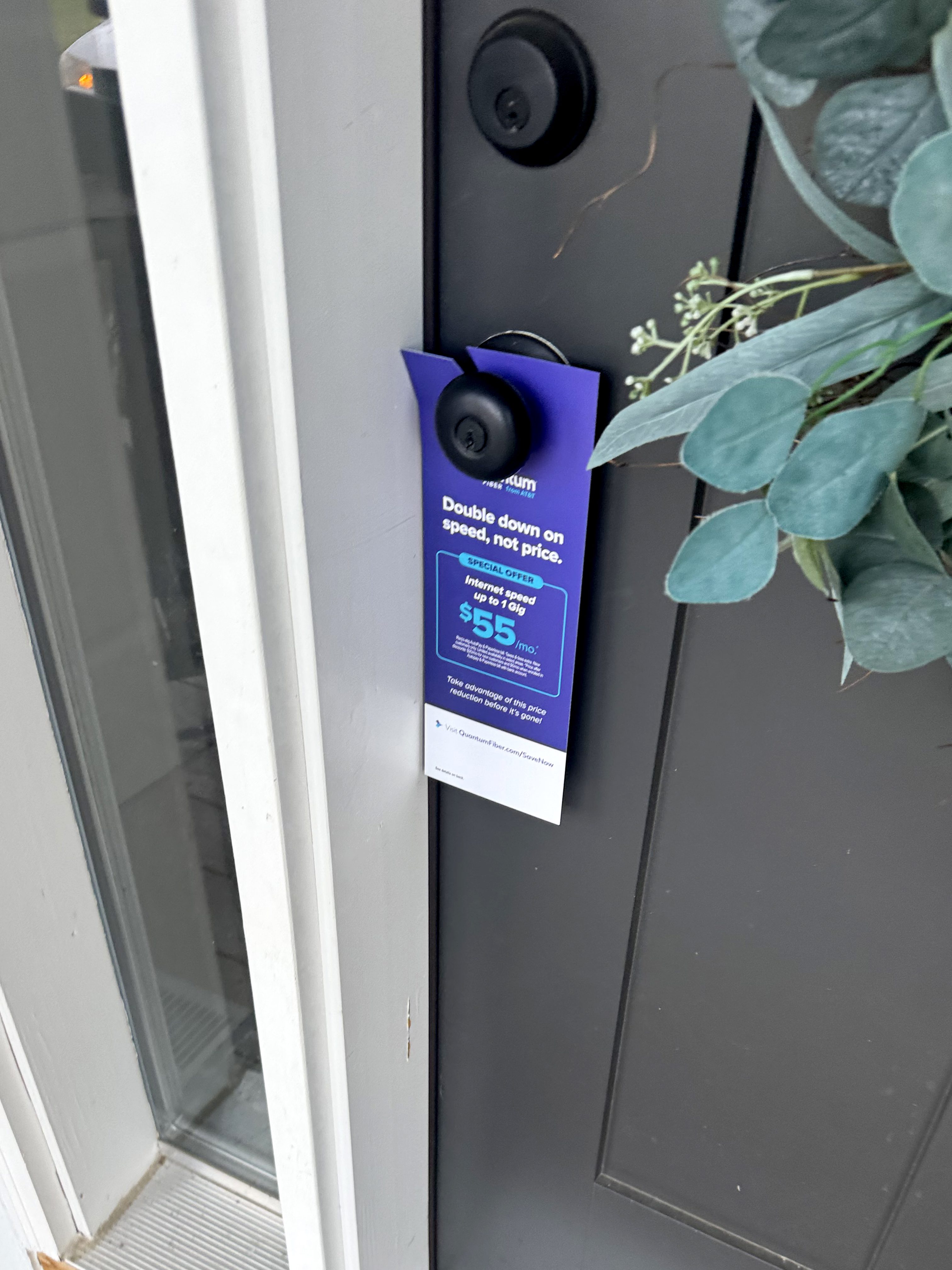
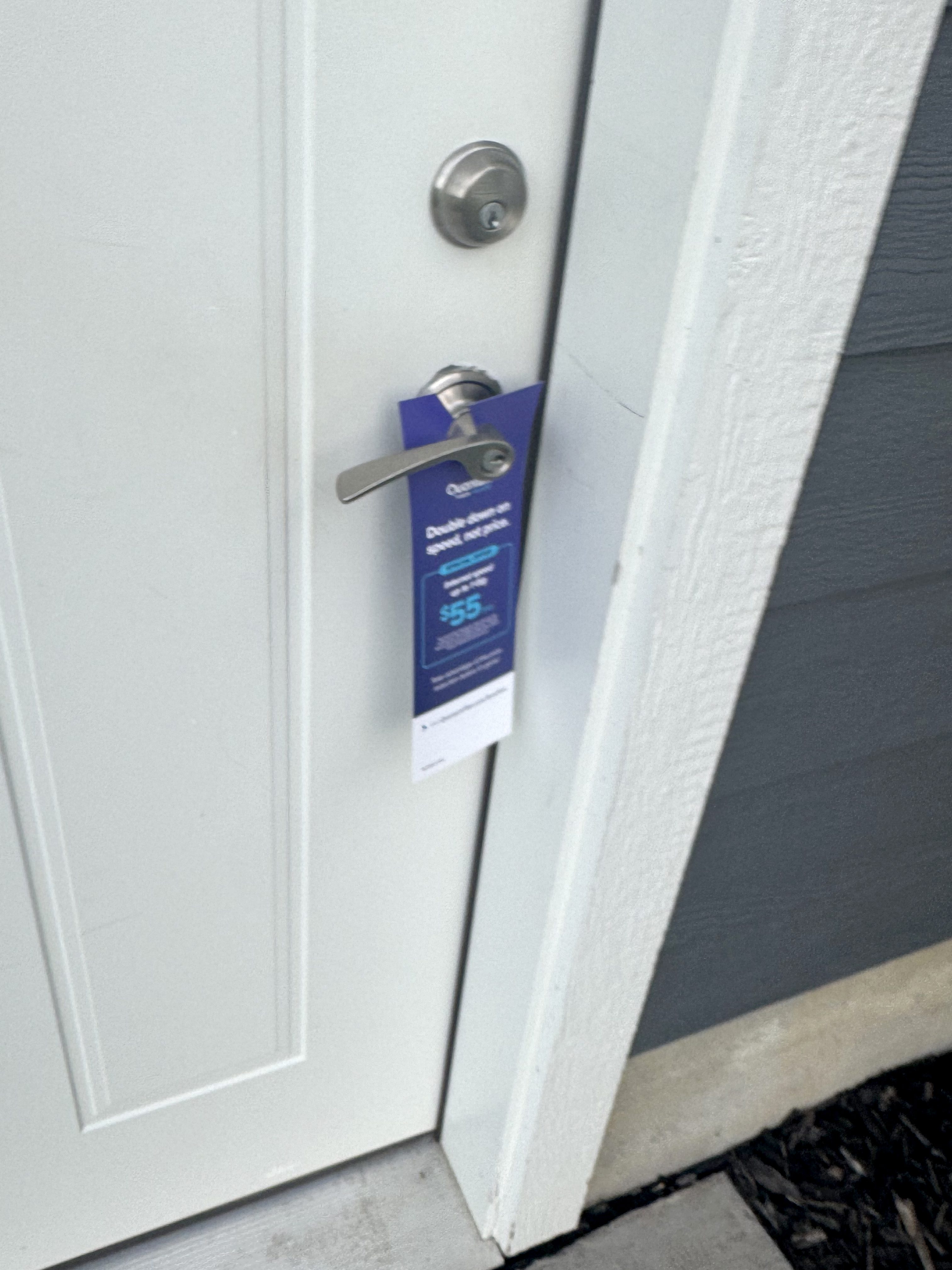
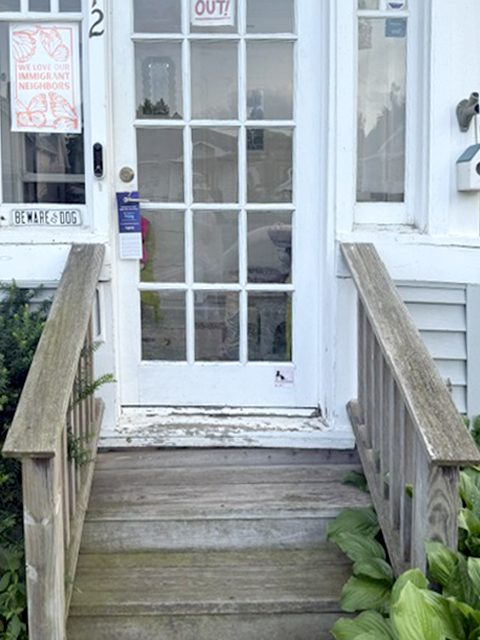
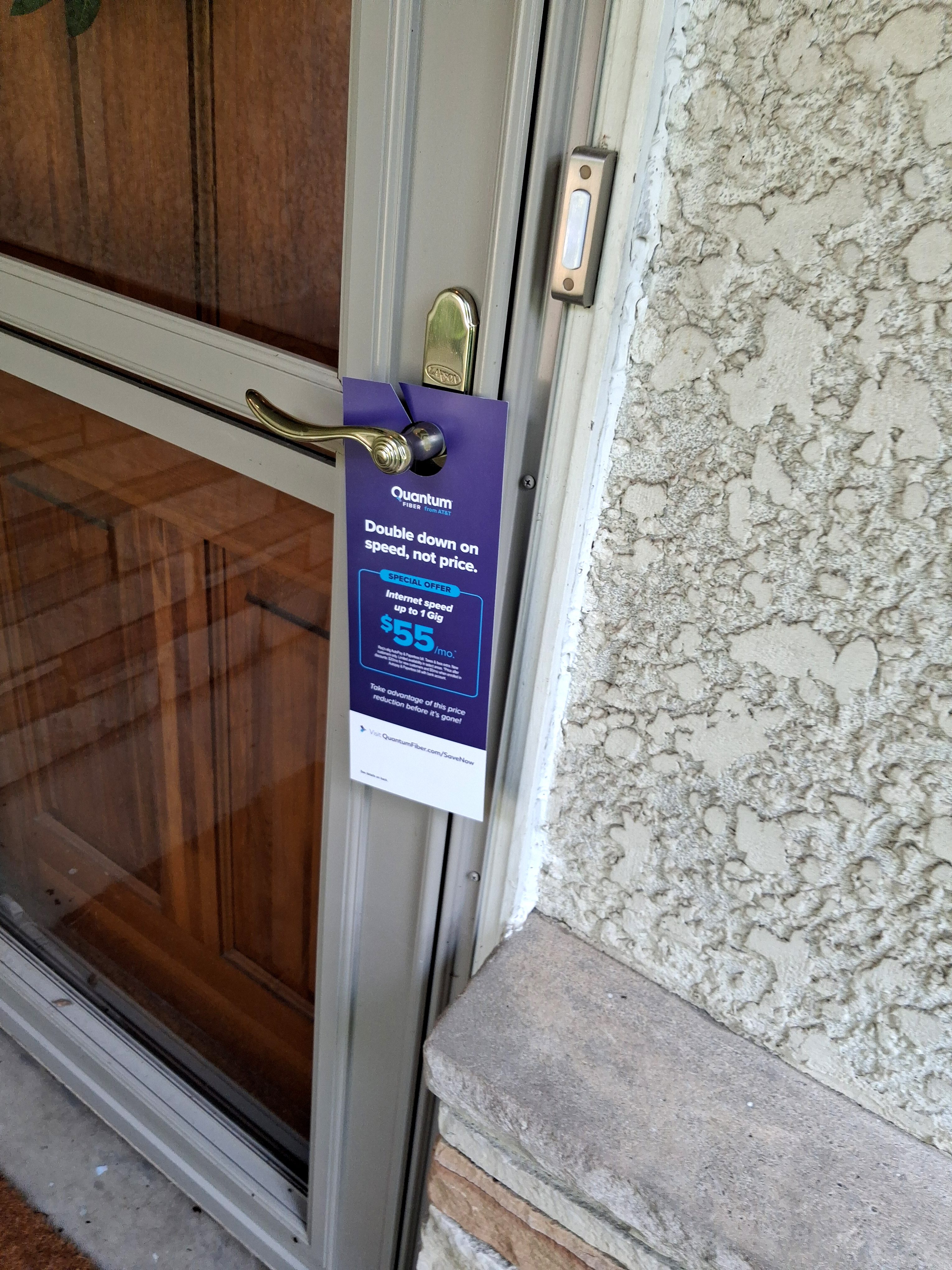
The campaign carried two offer tiers. A $55/month promotion ran during the early weeks of the campaign. A $45/month promotion was deployed mid-campaign as AT&T updated its market pricing. Every hanger was placed directly at the residential address — on the door, on the handle, at the designated entry point — at every stop on the routed lists.

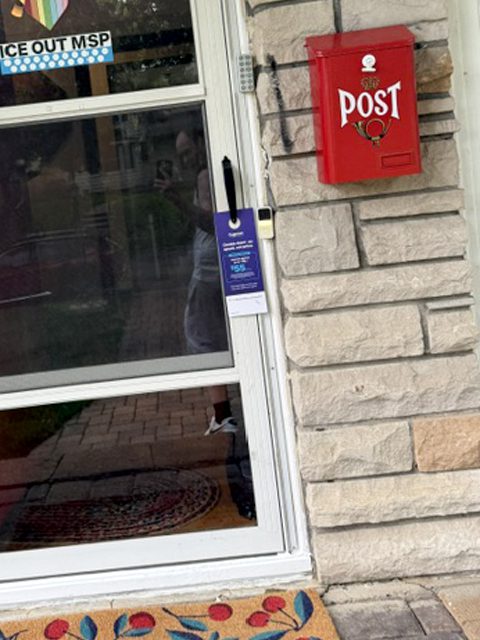
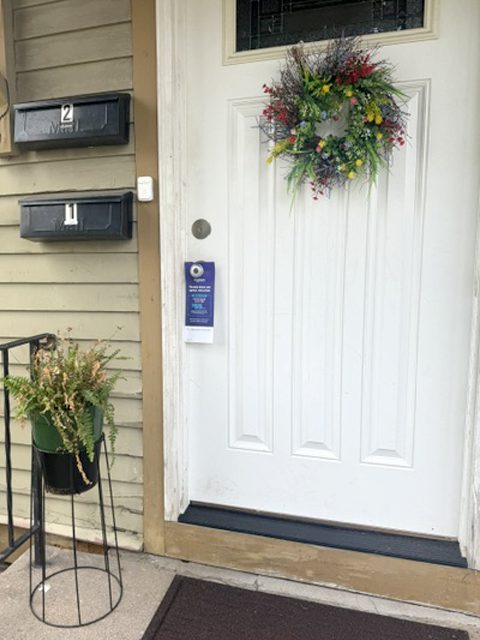
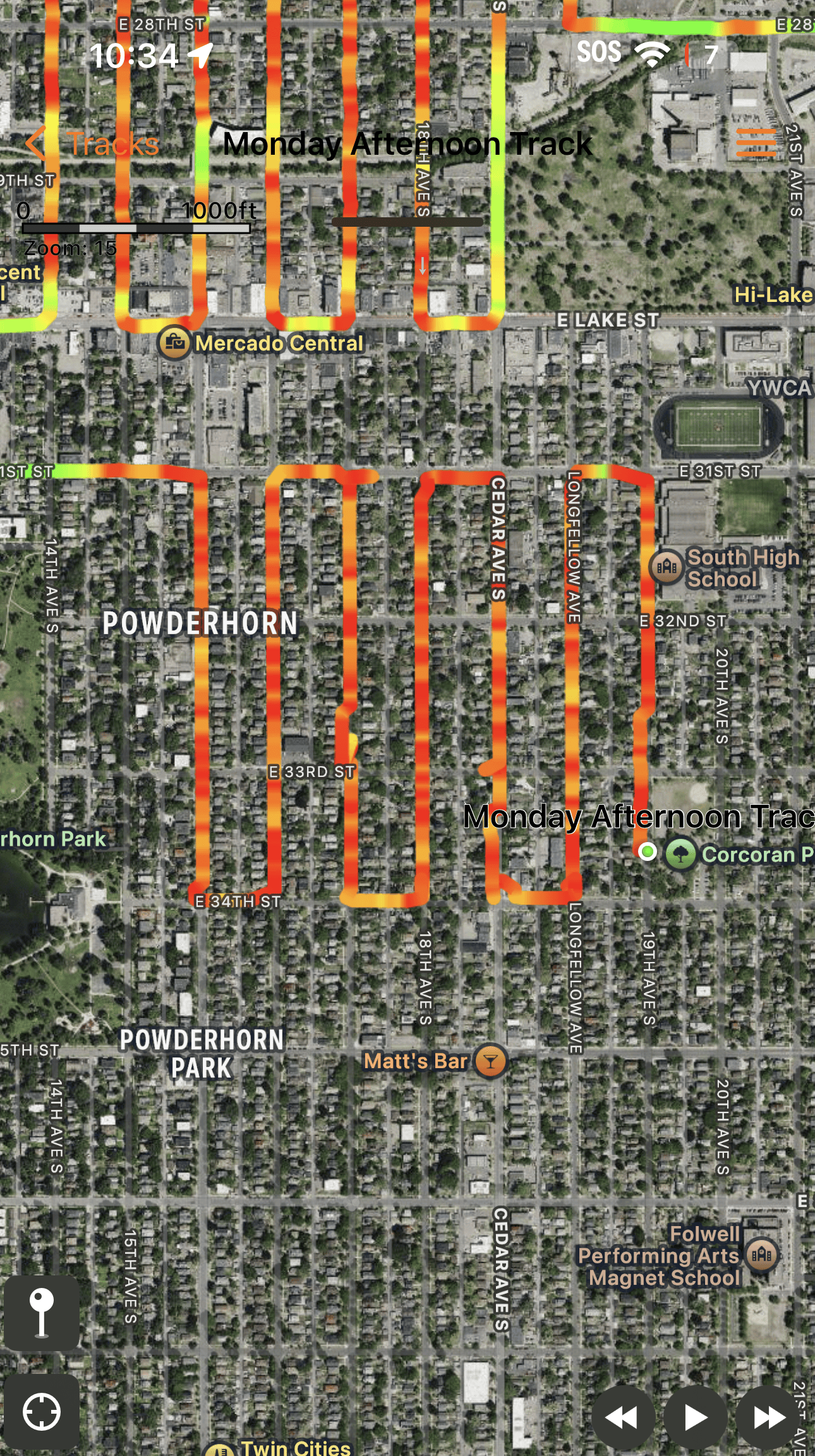
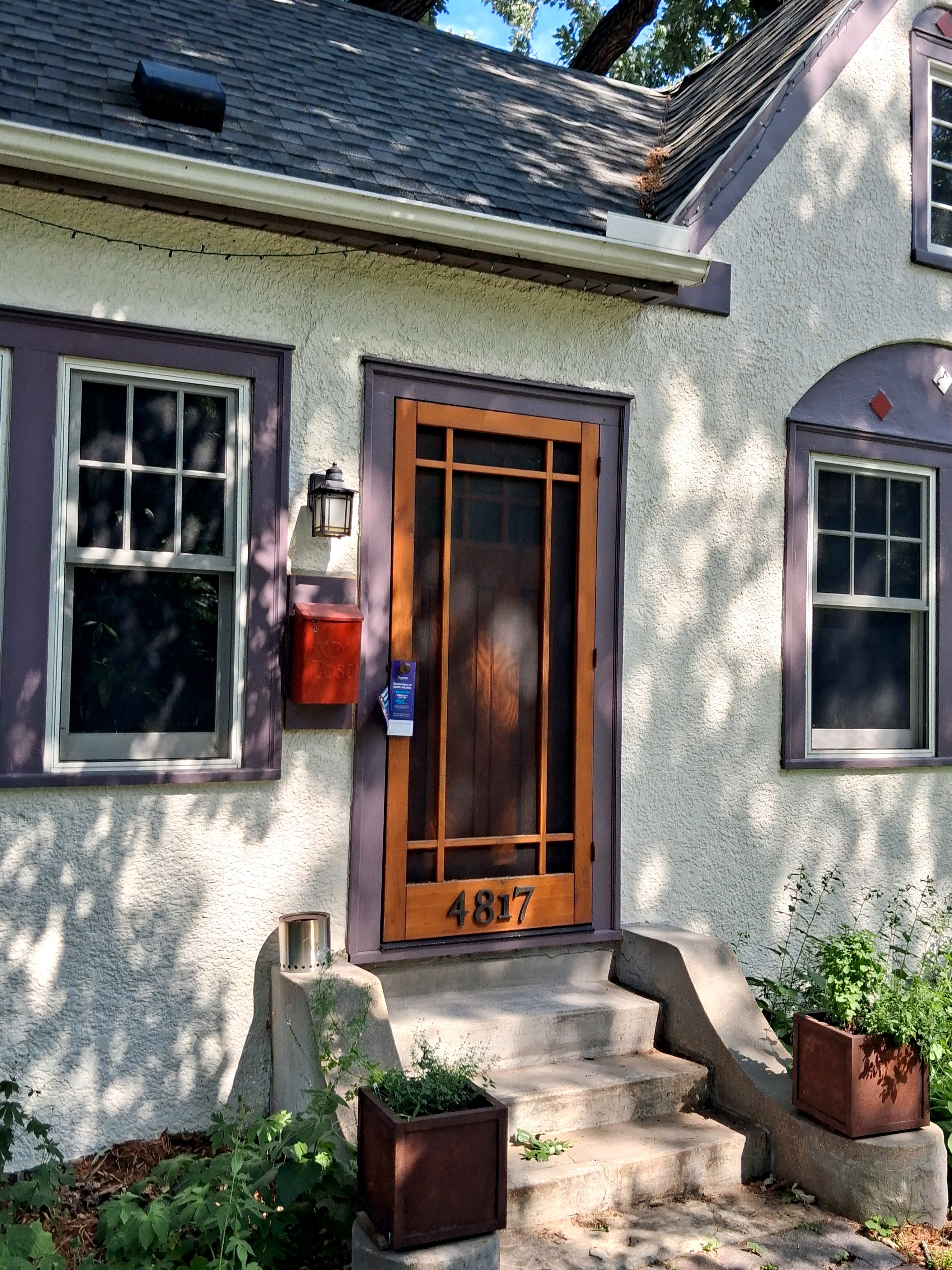
Documentation was built into the campaign from the start. Over 4,157 photographs were taken across the campaign window, representing approximately a 9% sample rate — one documented stop for roughly every eleven placed. All photos were archived with device timestamps. Route completion was verified against the KML layers. A comprehensive campaign performance report delivered distribution totals by geography, route-map breakdowns, a 30-day field activity log, and documentation samples across all major campaign zones.


Campaign Strategy

Door hanger distribution for a fiber internet provider is one of the most direct applications of address-level marketing: the product is location-dependent, the eligible audience is known in advance, and the decision to switch providers is made inside the home by the people who live at that specific address. Reaching those households through digital advertising, broadcast, or general out-of-home creates awareness without controlling for eligibility. A door hanger at the right address puts the offer in the hands of the exact person who can act on it, inside the environment where household spending decisions are actually made.

AT&T’s CSV represented the full universe of Minneapolis metro residences where Quantum Fiber service was available. AGM’s approach to that address set was not to treat it as a mailing list — it was to treat it as a route planning problem. Converting 45,000 individual addresses into efficient walking and driving routes across a major metropolitan area requires geographic intelligence: which addresses cluster for walk efficiency, how to sequence stops to minimize transit between clusters, which neighborhoods require different approaches based on housing density and building type.

The Google Maps Platform build solved that problem. Twenty-one route layers with approximately 2,000 pins each organized the full address set into workable, mapped territories that crews could execute day by day. Four teams of four people working concurrently could cover a metro of this size in 30 days — but only with routing that eliminated wasted travel between stops and concentrated daily work in geographically contiguous zones. The map infrastructure is what made metropolitan-scale door hanger distribution across 45,000 addresses operationally possible.

The two-tier offer structure reflects the reality of a campaign long enough to bridge pricing periods. Every household in the latter portion of the campaign received the current competitive $45/month offer — no stale pricing reaching people who might cross-reference it against AT&T’s active advertising elsewhere.

Campaign Photos

Ready To Put Your Artist Or Brand On The Streets Of America's Top Markets?

    Award Winning Personalized Service

    You will get thoughtful, devoted, and individualized attention from our experienced, qualified, and professional personnel. Being one of the most illustrious agencies in Brooklyn, New York, American Guerrilla Marketing has been awarded the Best of Brooklyn title.

    Nationwide

    Industry City, Brooklyn, New York 11232

    American Guerrilla Marketing

    +1 (646) 776-2770

    [email protected]

    Telegram: @americanguerillamarketing

    Hours

    Mon - Fri: 9 AM - 5 PM

    Sat & Sun: Closed

    Automate your campaign with AGM’s Request for Proposal Builder.

    Automate your campaign with AGM’s Request for Proposal Builder. Simply answer a few quick questions about your campaign goals, markets, and timeline, and the system will generate a tailored presentation with recommended strategies, quantities, and pricing. Click the RFP Builder to instantly receive your customized proposal.

    The Creative

    The door hanger is one of the most direct physical advertising formats available: a single piece of material placed at the point of entry to a home that the resident must physically handle to get through their door. There is no passive exposure — it is in the hand before the person decides whether it’s relevant. For a fiber internet offer targeting pre-qualified addresses, that moment of physical contact is the campaign’s highest-value conversion opportunity.

    The AT&T Quantum Fiber door hangers carried clear pricing, a defined offer, and AT&T’s established brand identity — everything the recipient needed to understand the offer in the seconds between picking it up and deciding to act. The format solves a targeting problem that digital advertising cannot: every piece reached a household where the service was actually available. A door hanger at an eligible address is not interruption advertising. It is a service announcement delivered to someone who can actually use the service.

    Distribution & Route Strategy

    AGM’s routing infrastructure covered the Minneapolis and Saint Paul metro across three mapped territories, organized by geography and crew efficiency.

    Route Map 1 (Layers 1–10, 19,980 pins) covered the east metro and south metro corridor: Lino Lakes, Blaine, and Circle Pines in the north; Shoreview, Vadnais Heights, Maplewood, North St. Paul, and Woodbury across the east suburban ring; Bloomington and Richfield anchoring the south.

    Route Map 2 (Layers 11–20, 19,980 pins) covered the north metro and Minneapolis urban core: Oak Grove, Andover, Elk River, Ramsey, Anoka, and Dayton in the northwest suburbs. Brooklyn Center, Columbia Heights, Fridley, Minneapolis’s residential neighborhoods, Roseville, Richfield, and Edina completed the first-ring suburban and urban coverage.

    Route Map 3 (Layer 21, 1,998 pins) completed northwest suburban coverage — Crystal, New Hope, Brooklyn Center, Fridley — and closed out south metro work in Bloomington and Richfield.

    Housing type required different approaches across environments. Multi-unit buildings in urban Minneapolis required floor-by-floor door access. Large-lot Anoka County suburbs required longer walking distances between stops. Dense older-stock suburbs like Crystal and New Hope combined tight lots with varied entry configurations. AGM field crews adapted to each environment throughout the campaign across all 30 working days, covering 30+ communities from Oak Grove in the north to Apple Valley in the south.


    What The Campaign Delivered

    The AT&T Quantum Fiber door hanger campaign delivered 45,000 direct-to-door placements across the Minneapolis and Saint Paul metro in 30 working days — every hanger at a pre-identified address where AT&T’s fiber service was available, every piece carrying a live service offer. No wasted impressions, no broad-market scatter. The campaign’s reach was defined entirely by AT&T’s eligibility data, and every placement hit within that defined universe.

    The reporting package AGM delivered gave AT&T a documented record of distribution at a level most door-to-door campaigns don’t achieve. 4,157 archived field photographs, timestamped across multiple devices, confirm crew presence in every major campaign zone across the metro. Three route maps with 21 KML layers document the geographic coverage plan and the addresses assigned to each territory. The 30-day field activity log records crew deployment for every working day. The final report breaks distribution out by geography, route-map zone, and community — an auditable record of what was placed, where, and when.

    For a fiber internet provider entering a new market territory, that documentation matters. It confirms that the right households received the material, that the campaign ran the full intended timeline, and that AGM’s field operation covered the complete scope of AT&T’s Quantum Fiber eligibility zone across the Minneapolis metro.

    Frequently Asked Questions

    Fiber internet is only available at specific eligible addresses. That makes address-level distribution the highest-efficiency format available — every piece goes to a household that can actually subscribe. A door hanger at an eligible address puts a service offer directly in the hands of the exact person who can act on it, in the environment where they make household spending decisions. Digital and broadcast advertising reach the general market without filtering for service eligibility. Door hanger distribution targeting a pre-built address list reaches only the households that matter.

    AT&T provided a CSV file of 45,000 targeted residential addresses — the full Quantum Fiber eligibility list for the Minneapolis metro. AGM used the Google Maps Platform to convert those addresses into 21 KML route layers across three Google My Maps files, each layer containing approximately 1,998 individual address pins. The routing system grouped geographically contiguous addresses into daily work territories, allowing four teams of four people to cover the full metro in 30 working days without redundant travel between coverage zones. The completed route maps also served as the primary distribution verification tool throughout the campaign.

    A 9% rate on 45,000 placements means 4,157 individual stops were photographed with a door hanger visibly in place, collected across every major geographic zone: GPS-tagged Anoka County suburbs from June 21, Minneapolis urban neighborhoods across multiple July dates, and exurban Anoka County confirmed July 24. The archive confirms active, documented crew presence across the full metro footprint — not just select zones — at a sample rate consistent with large-scale door hanger distribution standards.

    The door hanger carried a $55/month offer during the early weeks of the campaign. Mid-campaign, AT&T updated pricing to $45/month and AGM deployed updated creative at that transition point. Every household in the latter half of the campaign received the current competitive offer — no outdated pricing, no discrepancy between the hanger and what AT&T was advertising in the market.

    The report included: key metrics summary (45,000 residences, 30 working days, 4,157 photos, 21 route layers); geographic route maps for all three coverage zones with community-level breakdowns; a complete territory list covering every community in the campaign; a 30-day field activity log; representative field documentation photos from multiple dates and zones across the metro; and a campaign certification statement confirming full execution of the 45,000-address distribution.

    30+ communities across the full Minneapolis and Saint Paul metro: Anoka County suburbs (Oak Grove, Andover, Elk River, Ramsey, Anoka, Blaine, Lino Lakes, Coon Rapids); north Minneapolis suburbs (Brooklyn Park, Brooklyn Center, Crystal, New Hope, Fridley, Columbia Heights); Minneapolis urban core (North Minneapolis, Northeast, Southeast, Uptown, Powderhorn, Nokomis, Downtown); inner-ring suburbs (Golden Valley, St. Louis Park, Hopkins, Richfield, Edina); east metro and Saint Paul (Shoreview, Maplewood, Roseville, White Bear Lake, Saint Paul citywide, Woodbury, Cottage Grove); and south metro (Bloomington, Burnsville, Eagan, Apple Valley).

    American Guerrilla Marketing Blog Posts