
July 24, 2026
Wheatpasting Melbourne: Fitzroy, Collingwood, and the Laneway Poster Campaign Map
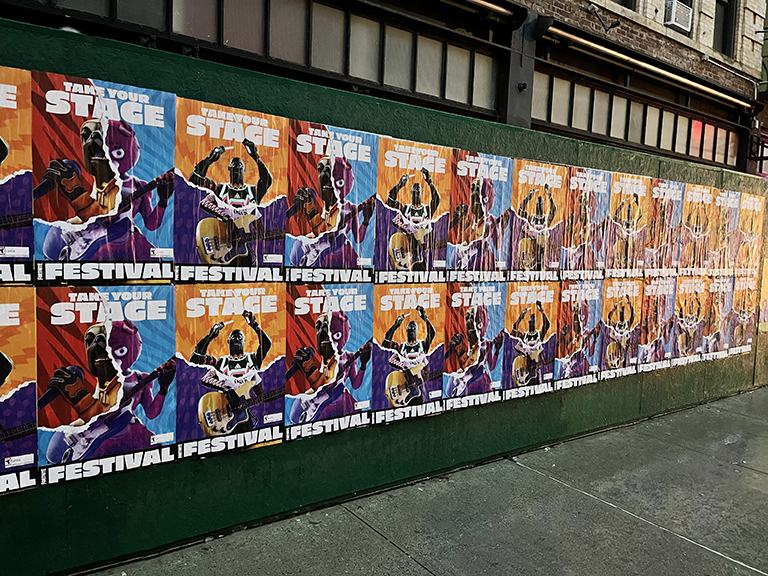
Melbourne is one of the world’s great street culture cities. Its inner-north creative neighborhoods, CBD laneway culture, and the dense independent arts and music scene that runs through Fitzroy, Collingwood, and Brunswick have made it a reference point for urban creative culture globally. For brands seeking to reach Australian creative and young professional audiences, Melbourne’s inner neighborhoods represent some of the highest-concentration street marketing environments in the Asia-Pacific region.
This guide maps Melbourne’s key street campaign neighborhoods — from the established creative core of Fitzroy to the emerging corridors pushing further north through Brunswick and Coburg — with audience profiles, pedestrian traffic patterns, and practical campaign planning considerations. Our team coordinates Melbourne campaigns through established Australian field partners from our New York operations base in Industry City, Brooklyn.
Melbourne’s street campaign landscape rewards specificity. The city’s neighborhoods are genuinely distinct in their cultural character and audience demographics, and campaigns that match placement strategy to neighborhood character consistently outperform campaigns that scatter placements across the inner city without audience analysis behind the selection.
Fitzroy: Melbourne’s Creative Core
Fitzroy is to Melbourne what Williamsburg is to New York or Shoreditch is to London — the neighborhood where the city’s creative class lives, works, and defines its cultural identity. Brunswick Street, the neighborhood’s main commercial artery, is one of Melbourne’s most pedestrian-dense and commercially vital strips, lined with independent retailers, cafés, galleries, bars, and music venues that have made Fitzroy the reference point for the city’s creative scene for more than three decades.
Brunswick Street as the Campaign Spine
Brunswick Street runs north-south through Fitzroy’s commercial core, generating consistent foot traffic from morning through late evening across all days of the week. The street’s density of arts venues, independent retail, and hospitality creates a pedestrian audience that moves slowly, stops frequently, and engages with the visual environment more actively than commuter or destination-shopping audiences. This characteristic makes it particularly effective for poster campaigns where the audience has time to read beyond an immediate visual hook.
The side streets running east and west from Brunswick Street — Smith Street to the east, George Street to the west — provide secondary placement corridors that extend campaign reach into the residential areas surrounding the commercial core. The residential streets of Fitzroy carry a different audience than Brunswick Street itself: the neighborhood’s residents rather than visitors and workers, which is valuable for brands seeking to establish neighborhood presence rather than just commercial-strip visibility.
Johnston Street and the Spanish Quarter
The stretch of Johnston Street between Brunswick Street and Smith Street, including the area known as Melbourne’s Spanish Quarter, is a high-density hospitality corridor with strong evening foot traffic from across Melbourne. Spanish restaurants and bars, live music venues, and the concentration of Fitzroy’s nightlife create an evening audience profile distinctly different from the daytime creative worker and café culture audience of Brunswick Street.
Collingwood: Smith Street and the Music Corridor
Collingwood borders Fitzroy to the south and shares much of its creative character, though with a grittier industrial edge that has made it the home of Melbourne’s most active live music scene and a growing independent retail and food corridor along Smith Street.
Audience Profile
Collingwood draws a younger demographic than Fitzroy — more students, music venue regulars, and early-career creatives alongside the established professionals who’ve settled in the neighborhood’s renovated terrace houses. The music scene anchored by venues like the Tote Hotel and the Gasometer Hotel creates strong evening foot traffic from a citywide audience, not just local residents.
For music, entertainment, fashion, food, and youth lifestyle brands, Collingwood offers the highest concentration of the 18-28 Melbourne demographic in a walkable geographic area. The industrial building stock along the streets adjacent to Smith Street provides ample surface for poster placements at scale.
Smith Street: The Commercial Spine
Smith Street is Collingwood’s main commercial corridor, running parallel to and east of Fitzroy’s Brunswick Street. The two streets share a similar commercial character — independent retail, cafés, bars, food businesses — but Smith Street’s slightly younger and more music-oriented audience gives it a distinct identity. Campaigns running simultaneously on both Brunswick Street and Smith Street create a campaign footprint that captures the full inner-north Melbourne creative demographic.
Brunswick: Student and Artistic Community
Brunswick, north of Fitzroy and Collingwood, has developed into Melbourne’s student and emerging-artist neighborhood, with high concentrations of RMIT and University of Melbourne students alongside an established immigrant community that gives the neighborhood its distinctly multicultural character. Sydney Road is Brunswick’s main commercial corridor — a five-kilometer stretch that runs from Brunswick’s southern boundary all the way to Coburg and beyond, dotted with independent retailers, cafés, Turkish and Middle Eastern restaurants, and live music pubs.
Sydney Road Campaign Geography
Sydney Road’s length creates both an opportunity and a challenge for poster campaigns: the corridor carries consistent foot traffic over a large geographic area, but not all of it is equally relevant for all campaign types. The southern sections of Sydney Road near Moreland Road and Albion Street concentrate the student and young creative demographic most valuable to consumer brands. The northern sections shifting toward Coburg carry more residential and immigrant community traffic relevant for different campaign types.
Sydney Road tram routes make it a high-frequency transit corridor as well, with trams carrying the same audience through the strip throughout the day — a format integration opportunity that places transit-adjacent campaigns alongside street-level poster placements.
The CBD Laneways: Downtown Pedestrian Density
Melbourne’s CBD laneways are a category of campaign environment unique to this city. Narrow pedestrian-only or pedestrian-priority corridors cutting through the city grid — Hosier Lane, Centre Place, Degraves Street, ACDC Lane — carry concentrated foot traffic at close quarters, with building surfaces at arm’s reach that create a fundamentally different viewing experience than street-level advertising on a main road.
The laneway audience is Melbourne CBD workers during weekday daytime hours, tourists navigating the city’s famous coffee and food laneway culture, and the evening entertainment crowd on weeknights and weekends. The close proximity of the audience to both sides of the laneway creates viewing conditions that reward creative design that works at reading distance rather than at the impression-at-a-glance distance of larger-format outdoor advertising.
Richmond: Sports and Entertainment Corridor
Richmond’s Bridge Road and the precinct surrounding the MCG and Melbourne Park create a campaign environment anchored by major sporting and entertainment events. On AFL game days, the streets approaching the MCG carry tens of thousands of fans, creating campaign windows with massive concentrated audience volume for relevant brands.
The event-adjacent campaign opportunity in Richmond differs from the everyday neighborhood campaign environments of Fitzroy, Collingwood, and Brunswick: the audience size is larger, but it’s concentrated in specific time windows tied to the events rather than distributed across the day and week. Brand ambassador deployments and LED mobile units routed through the event approach corridors can complement poster placements for brands activating around major Melbourne sporting events.
Frequently Asked Questions
What is wheatpasting melbourne?
American Guerrilla Marketing provides wheatpasting melbourne services across 50+ U.S. markets. Every campaign is planned, scouted, executed, and GPS-documented by our field teams. We work with regional brands and Fortune 500 companies on campaigns that require real street-level execution and documented proof of performance.
How does AGM approach wheatpasting melbourne?
Our process starts with a market consultation to understand your goals, target audience, and budget. We then scout locations, handle any required permissions or permits, coordinate production and installation with our local crews, and provide a full GPS-tagged photo report after the campaign runs.
What markets does American Guerrilla Marketing cover for wheatpasting melbourne?
We operate in 50+ U.S. markets including New York, Los Angeles, Chicago, Miami, Houston, Atlanta, Seattle, Denver, Boston, and dozens of secondary markets. Contact us to confirm availability and pricing for your specific market.
How much does a wheatpasting melbourne campaign cost?
Campaign pricing depends on market, format, quantity, and duration. We work with budgets ranging from targeted single-market runs to national rollouts across multiple cities. Use our RFP Builder or contact us directly for a custom quote based on your specific campaign requirements.
How do I get started with wheatpasting melbourne through AGM?
The fastest way to get started is to submit your campaign details through our RFP Builder at americanguerrillamarketing.com, or contact us directly at [email protected] or (646) 776-2770. Our team typically responds within one business day with availability and initial pricing.

Ready to Run Your Campaign?
Call us or email us. We’ll tell you exactly what we can do in your market and what it costs.
Related Services
Explore similar advertising solutions offered by American Guerrilla Marketing.
American Guerrilla Marketing — Los Angeles
Street-level campaigns in Los Angeles and nationwide. Wheatpasting, LED trucks, street teams, and more.
(646) 776-2770
Related Articles
-
Street Poster Advertising Ottawa: A Complete Campaign Guide
September 17, 2026
-
Activation Marketing: How Brands Win at Street Level
September 13, 2026
-
Experiential Marketing Firms Chicago | American Guerrilla Marketing
September 12, 2026
-
Pop Up Experiential
September 12, 2026
-
Mobile Pop Up
September 12, 2026