Activation in marketing means bringing a brand to life through direct consumer experience. It is the moment where a brand stops being a logo on a screen and starts being something a person actually feels, touches, tastes, or participates in. Activation converts abstract brand awareness into real human memory.
We run brand activations every week across major US cities. We have done product launches in Soho lofts, sampling campaigns outside subway stations in Brooklyn, event sponsorships at music festivals in Austin, and street-level pop-ups in Miami’s Wynwood district. Each of those is a form of activation. They all share a common goal: get a real person to have a real experience with the brand.
This guide covers what activation means in marketing, the different types of activations brands run, what makes them effective, and how to plan one that actually works.
Brand activation is not about awareness. It is about connection. Awareness tells someone a brand exists. Activation makes them feel something about it.
Brand activation is any marketing effort designed to move consumers from passive awareness to active engagement. It creates a direct interaction between the brand and a real person in a real moment. That interaction might be tasting a product, attending a branded event, participating in an experience, receiving a sample, or engaging with an installation.
The key word is interaction. Passive advertising like a billboard or a digital banner asks nothing from the viewer. Activation asks for participation. And participation creates a fundamentally stronger connection than passive exposure.
Think about the difference between seeing an ad for a new coffee brand and actually tasting that coffee at a sampling station outside a music venue. The ad might register a visual impression. The sampling creates a sensory memory attached to a specific place, time, and feeling. That memory is far more likely to influence the next time that person stands in front of a coffee shelf.
Activation works because of how human memory forms. We remember experiences more reliably than we remember advertisements. Brands that give people something to experience rather than something to observe earn more durable space in consumer memory.
Types of Brand Activation
Brand activation takes many forms. The right format depends on your product, your audience, your budget, and your marketing goals. Here are the primary activation types we work with and what each does best.
Experiential Activations
Experiential activations create immersive brand environments. These might be pop-up installations, interactive experiences, or branded spaces that invite consumers to enter and engage. The goal is to create a memorable moment that connects emotionally to the brand.
A beverage brand might build a rooftop garden experience. A tech company might create an interactive demo environment in a converted retail space. A fashion brand might produce an immersive installation at a cultural event. All of these are experiential activations.
Sampling Campaigns
Sampling is one of the most direct forms of activation for consumer packaged goods. Getting a product into someone’s hands and onto their palate removes the risk of trial. Someone who tastes your product and likes it has a much shorter path to purchase than someone who only saw an ad for it.
Effective sampling campaigns pick locations where the target consumer already is. A health snack brand at a farmer’s market. A new energy drink at a gym parking lot. A premium spirits brand at a food and wine festival. Context matters enormously in sampling. The right environment makes the product feel appropriate and desirable.
Event Sponsorships and Activations
Sponsoring an event gets your brand name attached to the experience. But a branded activation at that event goes further. It creates a specific interaction point where attendees engage with your brand directly. A sponsor tent with games, giveaways, and product experiences turns passive brand association into active engagement.
Street-Level and Ambient Activations
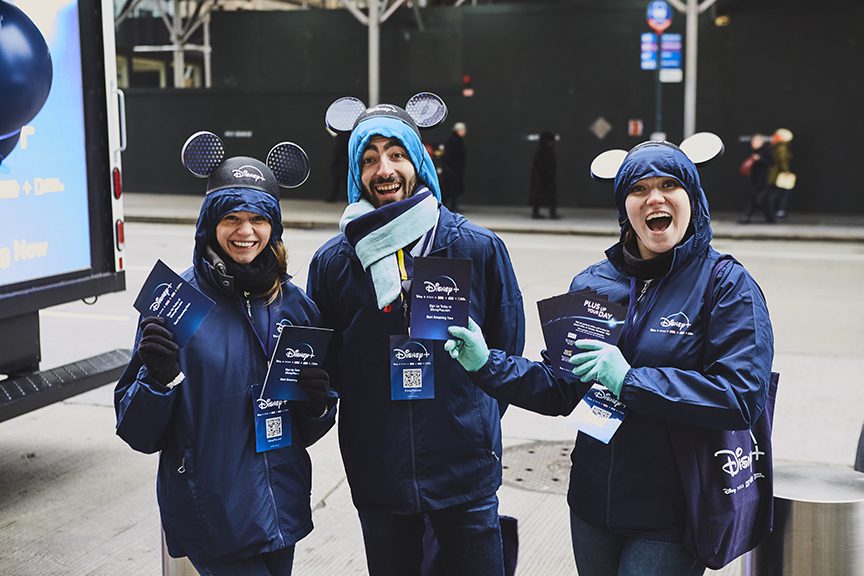
Street-level activations bring the brand to where consumers are already moving through their day. This might be a branded street team distributing samples or content in a high-traffic neighborhood. It might be a striking visual installation that stops people in their tracks on a busy corner. It might be a chalk art campaign, a branded truck, or a pop-up display at a transit hub.
Street activations work because they intercept people in their real lives rather than asking them to seek out the brand. The element of surprise and the context of everyday life makes the interaction feel organic rather than commercial.
Digital and Social Activations
Not all activations are physical. Digital activations create participation through online platforms. Hashtag campaigns, user-generated content contests, interactive social media experiences, and brand challenges on platforms like TikTok all qualify as activations. They ask consumers to do something rather than simply observe.
The most effective modern campaigns combine physical and digital activations. A physical experience that generates social content extends its reach far beyond the people who attended in person. The physical activation produces the authentic content. The digital component amplifies it.
The most powerful activations work on two levels at once. They create a real physical experience for the people there in person. And they generate authentic content that reaches millions more online.
What Makes a Brand Activation Effective
A lot of activations fail. They look good in a brief but fall flat in execution. Understanding what separates effective activations from wasted budget is the difference between a campaign that moves the needle and one that gets filed away and forgotten.
Effective activations have a clear goal. Are you trying to drive trial? Generate social content? Build awareness in a specific neighborhood? Recruit new customers from a competitor? Each goal requires a different approach. Activations that try to accomplish everything accomplish nothing.
Effective activations put the consumer at the center. The experience is designed around what the consumer wants to do, feel, or get. Not around what the brand wants to say. When a brand builds an activation around consumer desire rather than brand message, participation happens naturally.
The location and context must match the audience. A premium brand activating at a bargain-oriented event sends a confusing signal. A youth brand activating at a venue full of retirees wastes its investment. Context communicates. A great activation in the wrong environment still fails.
Execution quality is non-negotiable. A poorly staffed sampling table, broken equipment, or an installation that looks cheap undermines everything the brand is trying to communicate. Consumers judge the brand by the quality of the activation experience. If the activation feels careless, so does the brand.
Real Examples of Brand Activation Done Well
Looking at strong activation examples helps clarify what the concept means in practice. These examples illustrate the range of activation formats and how different approaches serve different brand goals.
A major athletic footwear brand set up a basketball court experience in a residential neighborhood in Chicago. Local players could come shoot around, compete in mini-tournaments, and receive brand product for participation. The activation reached the community directly. It generated social content from real players. And it connected the brand to authentic street culture rather than just claiming it.
A beverage startup ran a sampling campaign at food truck events across five cities in a single summer. They placed sampling teams at the highest-foot-traffic food truck gatherings in each market. Consumers received free samples while waiting in line for food. The context was perfect. The audience was already in an exploratory food-and-drink mindset. The brand picked up thousands of first-time triers in each city.
A streaming service launched a new series by converting a warehouse in Brooklyn into an interactive experience tied to the show’s setting. Attendees moved through scenes from the series, met characters, and received branded merchandise. The media coverage and social content from the launch experience far exceeded what the same budget would have produced in traditional advertising.
Activation vs. Advertising: Understanding the Difference
Factor
Traditional Advertising
Brand Activation
Consumer role
Passive viewer
Active participant
Engagement type
One-way message
Two-way interaction
Memory formed
Ad impression
Personal experience
Social amplification
Paid placement required
Organic sharing common
Cost structure
Pay per impression
Pay per experience
Brand trust built
Gradual through repetition
Rapid through direct experience
Best for
Broad awareness at scale
Deep connection with key segments
How to Plan a Brand Activation Campaign
Planning a successful activation requires thinking through several elements before any execution begins. Skipping the planning phase is the most common reason activations underperform.
Start with your objective. Define exactly what success looks like before you design the experience. Is it number of samples distributed? Social exposures generated? New email subscribers? Units sold at the event? A clear success metric shapes every subsequent decision.
Define your target consumer in detail. Age, lifestyle, interests, daily habits, the events they attend, the neighborhoods they spend time in. The more specific this profile is, the better you can match the activation format and location to the actual people you want to reach.
Select the format that fits your objective and audience. A product that needs to be tasted needs sampling. A brand that wants to communicate progress needs a tech-forward interactive experience. A campaign that needs social content needs a visually compelling, shareable activation element.
Choose the location with the same rigor you would use to choose a media channel. Where does your target consumer spend time? What events do they attend? What neighborhoods do they move through? The right location is the one where your target is already present and in the right mindset.
Staff the activation correctly. The people representing your brand in person are the most critical element. Hire for energy, knowledge, and genuine enthusiasm. Train them thoroughly. A poorly trained street team representing a premium brand does more damage than no activation at all.
Plan for content capture. Every activation produces content opportunities. Build photography and video documentation into the plan from the start. That content should fuel post-event social campaigns and internal reporting.
Activation in Sponsorship Contexts
Event sponsorship and brand activation are related but distinct. Sponsorship buys your name on a banner or a program listing. Activation is what you do with that sponsorship to create real consumer engagement.
A brand can be the title sponsor of a major festival and produce zero meaningful consumer interaction if they do not activate. A smaller brand with a less prominent sponsorship tier but a brilliant activation strategy will often outperform the title sponsor in terms of consumer engagement, social content, and brand recall.
We advise clients to always build an activation plan before committing to a sponsorship. The sponsorship is the access. The activation is the value. Without a plan for how to engage consumers at the event, the sponsorship budget is largely wasted.
Strong sponsorship activations include branded experiences within the event footprint, product integration into the event programming, ambassador programs that connect brand representatives with attendees, and social amplification strategies that extend the sponsorship beyond the event itself.
Common Activation Mistakes to Avoid
We see brands repeat the same activation mistakes regularly. Knowing these pitfalls in advance saves significant budget and frustration.
The first mistake is activating without a clear goal. When there is no defined success metric, there is no way to evaluate performance. Every dollar spent is essentially guesswork. Define the goal before the first dollar is committed.
The second mistake is choosing the wrong location. Brands sometimes choose locations based on convenience or existing relationships rather than where their actual target audience is. A great concept in the wrong place produces no results.
The third mistake is underinvesting in staffing. The people on the ground are the brand in that moment. Hiring cheap, untrained staff to save money on a large production budget is self-defeating. The staff quality determines whether the consumer experience is positive or forgettable.
The fourth mistake is not capturing content. Every activation should produce content for post-campaign use. Brands that do not plan for photography and video walk away from a major activation with nothing to show for it beyond a brief recap document. Build content capture into every activation plan from day one.
The fifth mistake is not tying the activation to the broader campaign. A standalone activation that is not connected to digital, PR, and retail efforts is a missed opportunity. The activation should feed content, conversations, and momentum into every other marketing channel at the same time.
Measuring Activation Success
Measurement separates professional activation work from guesswork. Every campaign we run has defined metrics before it launches. Here is how we measure the key elements of activation performance.
Reach and exposures measure how many people encountered the activation directly. This includes foot traffic at the activation location, event attendance figures, and estimated passerby counts from geo-data tools.
Engagement rate measures what percentage of those reached actually interacted with the activation. Did they stop? Did they participate? Did they sample? Did they photograph? Engagement rate reveals how compelling the activation was to people who encountered it.
Social amplification tracks how much organic content the activation generated. How many social posts, stories, and videos featured the brand? What was the aggregate reach of that user-generated content? Strong activations produce significant organic social lift.
Post-activation sales tracking compares sales velocity in the activation market before and after the campaign. This is the most direct measure of business impact and should be tracked whenever possible.
Brand awareness survey data, collected before and after a campaign in the target market, measures whether the activation moved consumer perception of the brand. This is particularly valuable for new brands or brands entering new markets.
What industries benefit most from brand activation?
Consumer packaged goods, beverages, spirits, apparel, technology, entertainment, and automotive brands all run frequent activations. Any brand that benefits from trial, demonstration, or community connection is a strong candidate. B2B brands also use activation at trade shows and industry events.
Brand activation is the broader category. Experiential marketing is one type of activation, specifically focused on creating immersive experiences. All experiential marketing is activation, but not all activation is experiential. Sampling, sponsorship activation, and street team campaigns are also forms of activation without being fully experiential.
How much does a brand activation cost?
Activation costs range from a few thousand dollars for a local street-level campaign to several million for a large national experiential production. Budget depends on the format, geography, duration, staffing, and production quality. Most effective mid-scale city activations run between $25,000 and $150,000 depending on scope.
What is activation in sports marketing?
In sports marketing, activation refers to how a brand uses its sports sponsorship to create consumer engagement. Beyond logo placement, activation includes branded fan experiences at games, athlete appearances, stadium takeovers, and fan engagement programs that connect consumers to the brand through their love of sport.
Can digital campaigns be considered brand activations?
Yes. Digital activations include hashtag campaigns, user-generated content contests, interactive social experiences, and branded challenges that invite consumer participation. The key element is active participation rather than passive consumption. If a consumer does something as a result of the campaign, it functions as an activation.
How long does a brand activation run?
Activations range from a single-day pop-up to a multi-month touring campaign. The right duration depends on the goal. A product launch moment might need only a single high-impact day. Building awareness in a new market might require a sustained 8-week presence across multiple locations.
What makes a brand activation go viral?
Viral activations are inherently visual, genuinely surprising, and easy to share. They give people something to photograph or video that makes them look cool or interesting to their social audience. The brand benefit comes second. The consumer benefit of having shareable content comes first.
How do brand activations fit into an overall marketing strategy?
Activations work best as one component of an integrated campaign. They generate awareness, trial, and content that feeds into digital, PR, and paid media efforts. The physical activation creates authentic material. The broader campaign amplifies it. Neither works as well alone.