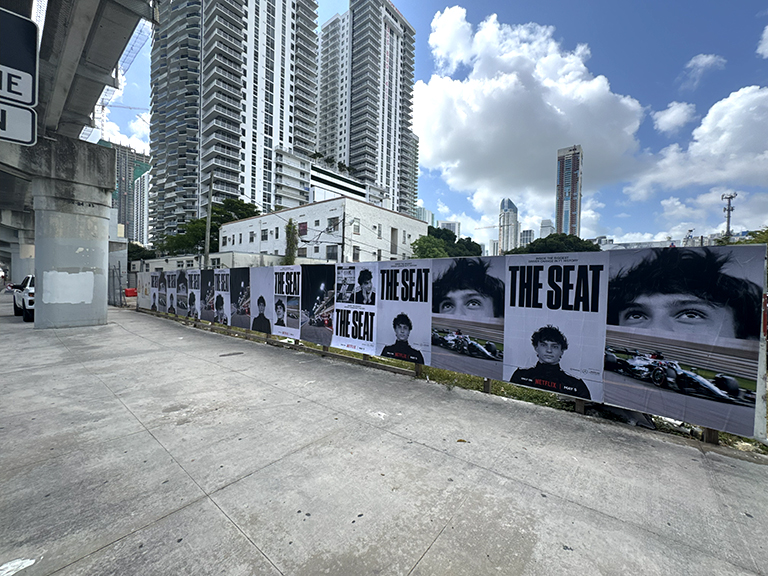
Minnesota has one of the most active and historically significant protest organizing traditions in the United States. From the Twin Cities’ role in the labor movement of the early 20th century to the civil rights marches of the 1960s to the Black Lives Matter organizing that put Minneapolis at the center of a global conversation in 2020 — this state’s streets have consistently been sites where movements are made visible and communities are mobilized. That tradition creates cultural infrastructure that protest organizers today can build on.
The Twin Cities metro concentrates most of Minnesota’s organizing capacity and population. Minneapolis and Saint Paul together have roughly 750,000 residents within city limits, with the broader metro approaching 3.7 million people. Between the two cities’ distinct characters — Minneapolis as the commercial and cultural hub, Saint Paul as the governmental center — and the surrounding suburbs, Dakota, Anoka, Ramsey, Hennepin, and Washington counties, a well-executed Twin Cities campaign can achieve genuine statewide visibility.
American Guerrilla Marketing has executed campaigns in the Twin Cities metro and broader Minnesota, bringing the same geographic precision, legal compliance, and documented execution that we apply in every market. Here is how we approach protest marketing in Minnesota — and how we help organizers build campaigns that convert peaceful power into measurable community action.
Minneapolis: The Activist Heartbeat
Minneapolis is Minnesota’s largest city and the center of its activist organizing culture. Neighborhoods like Uptown, Seward, Longfellow, Northeast (NE Minneapolis), and the Whittier neighborhood adjacent to the Hennepin Avenue corridor carry dense foot traffic and strong community engagement. These are the neighborhoods where cause-based street marketing performs best — where people expect to see materials that reflect the community’s political values, and where a well-executed campaign gets photographed, discussed, and shared.
Lake Street is Minneapolis’s most important east-west commercial and community corridor — a multiracial, multi-neighborhood spine that connects East Lake Street’s immigrant business districts, Midtown Global Market, and the Phillips neighborhood with the commercial district near Lake Calhoun and the Uptown commercial zone. A Lake Street campaign deployment reaches some of Minneapolis’s most diverse and civically engaged communities in a single sweep.
Our wheatpasting and poster campaigns in Minneapolis identify legal placement surfaces along Lake Street, Nicollet Mall, Lyndale Avenue, and Franklin Avenue — the corridors that anchor the city’s activist and community geography. We secure property owner authorization, deploy materials at scale, and document every placement with GPS-stamped photography.
Saint Paul: The Government Campaign Axis
Saint Paul is Minnesota’s state capital and an essential market for any campaign with legislative or policy objectives. The State Capitol complex on Summit Avenue, the connected State Office Building, and downtown Saint Paul’s Wabasha and Robert Street corridors create a concentrated politically relevant audience during legislative sessions from January through May.
Beyond the Capitol, Grand Avenue is Saint Paul’s most distinctive commercial corridor — a dense strip of independent businesses, restaurants, and community venues that draws consistent neighborhood foot traffic from the Summit Hill, Macalester-Groveland, and Cathedral Hill neighborhoods. Grand Avenue placements reach an engaged, educated, community-connected audience that is particularly valuable for campaigns seeking to build beyond their existing base.
Selby Avenue in the Hamline-Midway and Cathedral Hill neighborhoods has historically been one of Saint Paul’s most vibrant organizing corridors — a community with deep ties to labor, civil rights, and progressive causes that creates a naturally receptive audience for cause-based street marketing.
Metro Transit as Campaign Infrastructure
Metro Transit’s Green Line (LRT connecting downtown Minneapolis to downtown Saint Paul through the University of Minnesota campus) and Blue Line (LRT connecting downtown Minneapolis to the Mall of America through Bloomington) are the backbone of the Twin Cities’ transit system and a critical campaign infrastructure for protest organizers.
Green Line station areas on the University of Minnesota campus — Stadium Village, East Bank, and West Bank stations — are among the highest foot-traffic locations in the entire metro area. The corridor connecting these stations passes through Dinkytown, Cedar-Riverside (a major East African immigrant community), and the University district, creating access to diverse, engaged audiences in a compact geographic corridor.
Our team identifies legal placement surfaces near Green Line and Blue Line stations, deploys materials designed for transit-speed reading, and integrates transit-corridor campaigns with broader neighborhood deployments to create multi-touchpoint visibility across the metro area.
Sidewalk Stencils in the Twin Cities
Minneapolis and Saint Paul have both seen significant sidewalk stencil activity from activist communities, making the format culturally legible to Twin Cities residents as a protest communication tool. When done professionally — clean designs, clear messages, appropriate locations — stencil campaigns contribute meaningfully to a campaign’s visual presence without the friction that unauthorized permanent marking creates.
Our sidewalk stencil campaigns in the Twin Cities use biodegradable chalk-based materials that meet Minneapolis and Saint Paul municipal requirements for temporary surface applications. We research applicable city codes before deployment and design stencil copy for maximum ground-level legibility. Stencils near transit stations, farmers markets, and community event spaces create high-frequency exposure to target audiences moving through these zones on foot.
For protest campaigns building toward a major action, stencil campaigns in the 48-72 hours preceding the event — marking the route, reinforcing the message, building environmental anticipation — can meaningfully increase turnout by keeping the event front of mind for people who encounter the stencils in their daily movements.
The University of Minnesota: A Built-In Organizing Ecosystem
The University of Minnesota’s Twin Cities campus is one of the largest public university campuses in the country, with enrollment exceeding 50,000 students. Dinkytown (the commercial neighborhood immediately north of the East Bank campus), Stadium Village (the commercial zone east of campus), and Cedar-Riverside (a mixed-use neighborhood adjacent to the West Bank campus) form a dense, walkable student and community ecosystem that is one of the highest-yield organizing environments in Minnesota.
Students at the University of Minnesota are historically receptive to cause-based organizing and social movement engagement. Campus-adjacent street marketing — on public sidewalks and with property owner authorization on commercial building surfaces — reaches this audience in their daily movement patterns without the restriction and bureaucracy of on-campus placement.
Our brand ambassador agency deploys teams in Dinkytown and Stadium Village during high foot-traffic periods — before and after class change times, at campus farmers markets and public events, and during university-organized public programming. Direct material distribution to students by trained ambassador teams creates the human connection that purely visual campaigns cannot replicate.
Minneapolis’ Minnehaha Avenue and South Minneapolis Organizing
South Minneapolis communities — including the Powderhorn, Longfellow, and Nokomis neighborhoods — have some of the city’s deepest community organizing traditions. Minnehaha Avenue, the spine connecting these neighborhoods, carries consistent community foot traffic and hosts community events year-round. The Nokomis Farmers Market, Powderhorn Park community events, and the independent businesses along Minnehaha Avenue are all deployment opportunities that reach engaged community residents where they already gather.
For protest campaigns rooted in community organizing rather than purely mass outreach, South Minneapolis deployment creates credibility and community buy-in that is difficult to generate through downtown-focused campaigns alone. The community knows which campaigns respect their neighborhoods and which ones are treating them as an audience — and the difference shows in engagement and participation rates.
LED Billboard Trucks: Twin Cities Mass Visibility
The Twin Cities’ dense commuter corridors — I-94 between Minneapolis and Saint Paul, Highway 35W through south Minneapolis, I-35E in Saint Paul — make the metro area ideal territory for mobile LED billboard campaigns. A truck running a four-hour route through downtown Minneapolis, the Lake Street corridor, and the University campus can generate enormous combined impressions in a single day.
Our LED billboard truck campaigns in Minnesota are GPS-tracked with full route documentation. For protest campaigns targeting the legislature, trucks positioned near the State Capitol during key session days create both direct exposure to the political audience and media photography that generates press coverage extending the campaign’s reach statewide. For community-focused campaigns, trucks running neighborhood corridors reinforce poster and stencil campaigns already in place on those same streets.
Minnesota’s Winter: Adjusting Tactics for Cold-Weather Campaigns
Minnesota’s winters present a genuine tactical challenge for outdoor street marketing. Temperatures regularly drop below zero in January and February, dramatically reducing outdoor foot traffic in many corridors. Effective cold-weather protest marketing in Minnesota shifts emphasis toward formats and locations that remain active through winter months.
Building-wall wheatpasted poster campaigns in sheltered or covered locations remain effective year-round. Minneapolis’s enclosed Skyway system — a network of enclosed pedestrian bridges connecting downtown buildings — carries consistent winter foot traffic and offers unique indoor posting opportunities. Indoor community spaces (libraries, community centers, college campus common areas, indoor farmers markets at the Minneapolis Farmers Market’s indoor winter market) become more prominent campaign venues.
We plan Minnesota campaigns with full seasonal awareness, adjusting format mix and location selection to account for the month of deployment. Winter legislative campaigns in Saint Paul, timed to the January-to-May session, maintain effectiveness by concentrating on Capitol-area indoor environments and transit-adjacent covered placements.
Legal Compliance in Minnesota Markets
Minneapolis and Saint Paul each have detailed municipal codes governing outdoor marketing, posting on surfaces, and sidewalk use. The University of Minnesota has additional regulations governing its campus-adjacent public spaces. Suburban municipalities have varying frameworks. Our team researches all applicable regulations before deploying in any Minnesota market.
Operating within these frameworks protects organizers, maintains campaign credibility, and ensures campaigns can run their full course without legal interruption. We identify legal posting surfaces, confirm property owner authorizations, and design deployment plans that hold up to regulatory scrutiny at every stage of campaign execution.
FAQ: Marketing for Protest Organizers in Minnesota
What protest marketing strategies are most effective in Minnesota?
In Minnesota, wheatpasting and poster campaigns in Minneapolis’s Uptown, Seward, and North Loop neighborhoods, sidewalk stenciling near Metro Transit Green and Blue Line stations, targeted flyering at Midtown Global Market and farmers markets, and LED billboard truck deployments in the Twin Cities core are the highest-performing tactics for protest organizers. Combining these formats creates layered visibility that drives strong message recall.
How does the Minneapolis protest organizing scene compare to Saint Paul?
Minneapolis has a larger and more activist-oriented street scene with neighborhood districts like Uptown, Seward, and Northeast being highly receptive to cause-based street marketing. Saint Paul is more government-focused, with the State Capitol area, Grand Avenue, and the Cathedral Hill neighborhood being the primary campaign zones. Both cities are essential for campaigns seeking genuine statewide impact.
How does Minnesota’s winter climate affect outdoor protest marketing campaigns?
Minnesota winters require tactical adjustments. Wheatpasted posters on building walls remain effective in sheltered locations year-round. Indoor bulletin board campaigns, Minneapolis Skyway placements, and ambassador deployments at indoor public venues become more prominent in winter months. We plan all Minnesota campaigns with full seasonal awareness to maintain effectiveness regardless of time of year.
Is the State Capitol in Saint Paul important for Minnesota protest campaigns?
Yes. The Minnesota State Capitol complex, adjacent government buildings, and the Wabasha Street corridor in downtown Saint Paul are essential for campaigns with legislative objectives. The Minnesota Legislature meets from January through May, making this the peak period for Capitol-area campaign deployment that reaches legislators, lobbyists, and political journalists simultaneously.
Can American Guerrilla Marketing run campaigns across the full Twin Cities metro?
Yes. We deploy across Minneapolis, Saint Paul, and the full metro area including Bloomington, Brooklyn Park, Plymouth, Edina, Richfield, Roseville, and Burnsville. Each city gets a tailored location plan based on local foot traffic patterns and community geography. We also deploy in Duluth for campaigns requiring greater statewide reach.
How does street marketing near the University of Minnesota support protest campaigns?
The University of Minnesota’s East Bank and West Bank campuses provide a concentrated student audience on Dinkytown, Stadium Village, and Cedar-Riverside corridors — some of the highest foot-traffic zones in the Twin Cities. Student populations are historically receptive to cause-based messaging and serve as strong campaign amplifiers through social sharing and peer-to-peer organizing networks.
Frequently Asked Questions
What is unleashing peaceful power marketing for protest organizers in minnesota?
American Guerrilla Marketing provides unleashing peaceful power marketing for protest organizers in minnesota services across 50+ U.S. markets. Every campaign is planned, scouted, executed, and GPS-documented by our field teams. We work with regional brands and Fortune 500 companies on campaigns that require real street-level execution and documented proof of performance.
How does AGM approach in minnesota?
Our process starts with a market consultation to understand your goals, target audience, and budget. We then scout locations, handle any required permissions or permits, coordinate production and installation with our local crews, and provide a full GPS-tagged photo report after the campaign runs.
What markets does American Guerrilla Marketing cover for in minnesota?
We operate in 50+ U.S. markets including New York, Los Angeles, Chicago, Miami, Houston, Atlanta, Seattle, Denver, Boston, and dozens of secondary markets. Contact us to confirm availability and pricing for your specific market.
How much does a in minnesota campaign cost?
Campaign pricing depends on market, format, quantity, and duration. We work with budgets ranging from targeted single-market runs to national rollouts across multiple cities. Use our RFP Builder or contact us directly for a custom quote based on your specific campaign requirements.
How do I get started with in minnesota through AGM?
The fastest way to get started is to submit your campaign details through our RFP Builder at americanguerrillamarketing.com, or contact us directly at [email protected] or (646) 776-2770. Our team typically responds within one business day with availability and initial pricing.