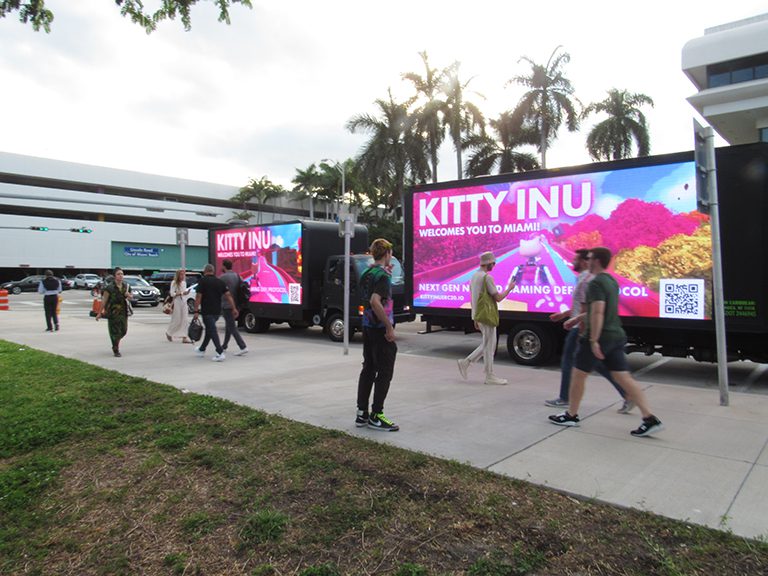
People remember experiences. They remember advertising far less. This is the core logic behind tour experiential marketing: instead of placing a brand message in front of a fan and hoping they absorb it, you put them inside an experience that is worth remembering, worth talking about, and worth posting about. When that experience is designed well and executed consistently across a multi-city tour route, it becomes one of the most powerful tools in live event marketing.
At American Guerrilla Marketing, experiential work is central to what we do. We design and execute live guerrilla marketing activations that put fans inside brand stories rather than in front of brand messages. For touring events, we take those experiences on the road, maintaining quality and impact across dozens of cities while adapting to the specific environment of each venue and neighborhood. This guide covers the theory and practice of tour experiential marketing: what makes it work, what formats perform best, how to execute across multiple markets, and how to measure the results.
Why Experiential Marketing Works in the Touring Context
Touring events give experiential marketing a natural advantage. Fans attending a concert, theatrical production, or live brand event are already in a state of heightened engagement. They chose to be there, they are anticipating an experience they care about, and they are more open to new encounters than they would be in their daily routine. That emotional readiness makes the concert environment exceptionally fertile ground for experiential brand work.
The social dimension amplifies this. Concert-goers are among the most active social media users around their experiences. They document their night in real time: the line outside, the pre-show activation, the crowd, the performance, the post-show energy. A brand experience that fits naturally into that documentation behavior gets shared across fan networks as organic content, reaching audiences that paid media would never find.
The cultural signaling effect also matters. When a brand runs a genuinely interesting experiential activation at a concert, it associates itself with the energy, the culture, and the community of that event. For consumer brands, that association is worth significant brand equity, especially among younger audiences who are highly attuned to which brands understand their world and which ones are just trying to reach them.
Designing Tour Experiential Activations That Actually Work
The difference between a tour experiential activation that generates genuine fan engagement and one that gets ignored comes down to one thing: does the activation offer something the fan actually wants to receive? Not something the brand wants to deliver. Something the fan wants.
The most dependable categories of experiential value are: things fans can take home (product samples, branded merchandise, physical mementos), things fans can create or do (interactive moments, games, photo experiences), and things fans can share (visually compelling moments designed for social media documentation). Activations that offer all three have the highest engagement rates and the strongest social amplification.
Physical design matters enormously. An activation space that looks visually compelling draws attention from across a venue plaza. People approach, ask what it is, participate, and post about it. An activation that looks like a generic branded tent draws no one. We invest significant design thinking in the visual presentation of every experiential activation we build, because the design is the first and most important communication the activation makes.
Staffing the activation with the right people is equally critical. Brand ambassadors who are culturally credible, enthusiastic, and genuinely skilled at creating engaging interactions transform an experiential space from a physical installation into a live, human experience. The best experiential activations feel less like branded booths and more like genuinely interesting things happening in a space where you are glad you stopped.
Formats for Tour Experiential Marketing
Tour experiential marketing takes many forms depending on the brand’s goals, the tour’s cultural context, the physical environment of each venue, and the budget available. Some of the most effective formats we have used:
Product sampling stations are among the simplest and most effective experiential formats. For food, beverage, and personal care brands, giving fans a free product sample in the right moment, when they are waiting in line before a show they are excited about, creates a positive brand encounter that generates strong memory and trial at meaningful scale. We design sampling experiences that go beyond just handing someone a product: the way the sample is presented, the interaction the ambassador has around it, and any additional takeaway all contribute to the strength of the experience.
Photo installations turn the activation space into a content creation opportunity for fans. We design these installations to be visually distinctive, immediately photographable, and unmistakably connected to the brand. The installation becomes a background for fan photos that travel across social networks, each one carrying the brand identity to a new audience.
Interactive games and challenges create dwell time and engagement. Fans who spend five minutes at an activation have a fundamentally different brand experience than those who walk past. Well-designed games that are genuinely fun to play, with prizes or recognition for winners, create queues of fans wanting to participate and word-of-mouth that drives others to find the activation.
Pop-up events in surrounding neighborhoods extend the tour’s experiential footprint beyond the venue. A brand-sponsored pop-up in a bar or coffee shop near the venue, positioned as a pre-show gathering space for fans, creates a branded environment that fans choose to enter rather than being promoted at. These off-site activations work especially well for brands where the lifestyle context of the brand fits naturally with the music community.
Taking the Experience Across Multiple Cities
The operational challenge of tour experiential marketing is significant. Every element that makes a great activation in New York needs to be reproducible in Houston, Chicago, Los Angeles, and every other market on the route. Portable design, standardized briefing, and centralized production management are the keys to maintaining quality across markets.
We design activation structures specifically for touring use: lightweight, modular components that can be assembled and disassembled quickly, packed into tour-friendly shipping cases, and transported between cities without requiring specialized freight. The design aesthetic of the activation travels with the structure, so it looks the same in every market rather than varying based on what local production can replicate.
Ambassador briefing is standardized across markets. Every ambassador who staffs the activation in any city receives the same complete briefing on the brand, the activation, the engagement protocols, and the documentation requirements. Local ambassadors are recruited and selected through our market-specific network, but they are all operating from the same playbook. This combination of local cultural authenticity and consistent training is what makes multi-city experiential programs work.
Social Amplification of Tour Experiential Activations
Every tour experiential activation should be designed with its social life in mind. The physical experience happens once, in one place. The social content from that experience can travel indefinitely, reaching audiences in cities the tour has not even visited yet.
Our team designs social amplification into every activation from the start: clear hashtag conventions that link individual fan posts to the broader campaign, ambassador social content creation protocols, professional photography and video capture of the activation environment and key fan moments, and a content distribution plan that feeds the best content from each city into the brand’s owned channels.
User-generated content from tour experiential activations is some of the highest-value marketing content available. A fan’s genuine, unscripted post about a brand experience they loved carries more credibility than any produced brand content. Our activations are designed to generate exactly that kind of content, and our reporting tracks and amplifies the best of it.
Measuring Tour Experiential Marketing Results
Tour experiential marketing produces measurable results across multiple dimensions. Direct participation counts give a baseline engagement number. Social content tracking gives a view of earned reach. Brand recall surveys among event attendees can measure the activation’s awareness impact. And downstream commercial metrics, product trial rates, purchase conversions, email capture for retargeting, tie the experience to business results.
Our reporting for tour experiential programs covers all of these dimensions and is delivered on a market-by-market basis throughout the tour, giving clients visibility into performance as the tour progresses rather than a single report at the end. This ongoing reporting enables course corrections and tactical adjustments in real time.
Frequently Asked Questions
What is tour experiential marketing?
Tour experiential marketing is the practice of creating live, participatory brand or artist experiences that travel with a tour and engage fans directly in each city. Rather than advertising at fans, experiential marketing puts them inside an experience, making them active participants in the brand or artist’s story.
What makes experiential marketing effective for touring events?
The concert environment gives experiential marketing a built-in advantage: fans are already emotionally engaged, socially active, and present in a concentrated location. An experience that adds genuine value to their night generates strong memories, social sharing, and brand loyalty that passive advertising cannot create.
What formats do tour experiential marketing activations take?
Tour experiential activations include product sampling stations, branded photo installations, interactive games and challenges, merchandise pop-ups, fan engagement booths with activities, branded viewing areas, and pre-show pop-up events in the surrounding neighborhood. The format depends on the brand’s goals and the tour’s cultural context.
How does tour experiential marketing generate social media content?
Well-designed experiential activations are built to be photographed and shared. Photo moments, unique branded environments, and genuinely fun activities create natural incentives for fans to document and post their experience. Each shared post extends the activation’s reach far beyond the people who physically participated.
How do you ensure tour experiential activations work in every city?
Consistency across markets requires portable activation designs, standardized briefing materials for local staff, centralized production of branded materials, and clear quality standards that can be verified through photo documentation. Our team builds these systems into every multi-city experiential tour campaign.
Can tour experiential marketing be done outside the venue?
Yes. Some of the most effective tour experiential marketing happens off-site: pop-up experiences in neighborhoods where the fan community concentrates, branded takeovers of coffee shops or bars near venues, and street-level activations that extend the tour’s presence beyond the venue walls.
What metrics measure tour experiential marketing success?
Key metrics include direct participation counts, social media exposures from fan-generated content, brand recall among event attendees, product trial rates if sampling is included, and email or contact capture for follow-up marketing. We provide full reporting across all these dimensions.
How early should a brand start planning?
For most campaigns, the smart move is to start planning at least two to four weeks before the launch window so production, routing, staffing, and reporting are all lined up.
What makes one market perform better than another?
Market fit depends on audience density, neighborhood behavior, route efficiency, and whether the creative belongs in that setting. The busiest city is not always the best city.
Can AGM bundle this with other services?
Yes. AGM often combines this work with supporting formats so the campaign has stronger repetition and cleaner reporting across the whole run.
How does AGM quote pages like this?
We quote from official rate cards where they apply, then scope the remaining production, staffing, and routing details to the actual job.