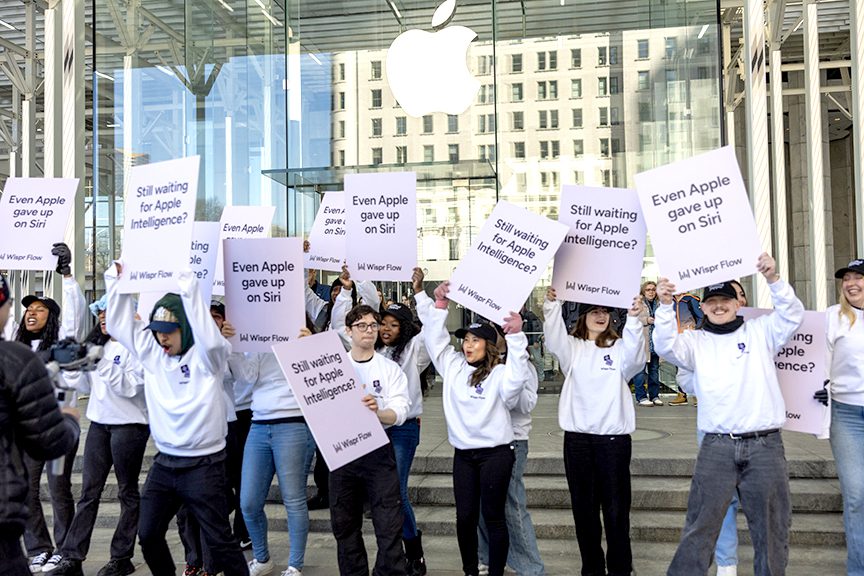
No one knows a college campus better than the students who live on it. They know which dining halls fill up at 11:30 and which quad has the most afternoon foot traffic. They know which events actually draw a crowd and which ones the administration thinks are popular but aren’t. They know how to approach a fellow student at the library without getting ignored. That knowledge is the core advantage of a student brand ambassador program , and it is why these programs consistently outperform external staff deployments for campus marketing. At American Guerrilla Marketing, based in Industry City, Brooklyn, we recruit, train, and manage student ambassador teams that deploy this insider advantage on behalf of the brands we represent. See also: College Marketing.
Student brand ambassadors are not just cheaper labor for campus distribution. They are a peer marketing channel , the most credible marketing channel available in a campus environment where students are instinctively resistant to obvious corporate advertising. When a student recommends a product to their classmate, that recommendation carries weight that no banner ad can buy. When a student ambassador runs a sampling event in a residence hall common room, the product trial experience is social, relaxed, and peer-validated. Our college marketing team builds these programs from recruitment through reporting.
How Student Ambassador Programs Work
A student brand ambassador program begins with recruitment. We identify current students at target campuses who fit the brand’s profile , socially active, campus-connected, genuinely enthusiastic about the product or brand category, and dependable enough to run a structured program independently. Recruitment channels include campus job boards, Greek life networks, athletic programs, student organization leadership, and peer-to-peer referrals from students already in the network. See also: Brand Ambassadors.
Once recruited, ambassadors go through a training process that covers the brand’s story and values, the specific campaign objectives, how to conduct sampling and distribution activities, how to run or support events, how to create social content aligned with brand guidelines, and how to track and report their activity. This training typically takes two to four hours and can be conducted in person, virtually, or through a combination.
Ambassadors then deploy across the campaign period , which might be a single semester, a year-long program, or a concentrated burst around a specific product launch or campus event. During the active campaign period, they are supervised by a program manager who tracks activity, addresses issues, and ensures brand standards are maintained across all ambassador touchpoints.
Why Student Ambassadors Outperform External Staff
The core advantage of student ambassadors over externally-deployed field staff is credibility. An outside brand ambassador approaching students on campus is immediately identified as a marketer. The interaction starts with a defensive posture on the student’s side. A fellow student recommending a product, organizing a tasting, or running a brand event on behalf of a company they work for starts the interaction in a fundamentally different frame , one of peer recommendation rather than commercial pitch.
This credibility translates into measurably better engagement rates, higher sampling conversion to trial, and stronger word-of-mouth diffusion. When a student ambassador talks about a brand in their existing social context , their study group, their residence hall floor, their Greek chapter , the information flows through the network through pre-existing trust relationships that external staff simply cannot access.
Student ambassadors also have superior campus knowledge. They know where the best foot traffic is at 10am on a Tuesday. They know which campus events actually draw big crowds. They know what language and references resonate with their peers and which ones signal that a brand is out of touch. That knowledge, applied to campus marketing strategy, makes every campaign element more efficient.
Product Sampling Through Ambassador Programs
Product sampling is one of the highest-value activities a student ambassador program can execute. A student ambassador conducting a sampling event in a residence hall common room, a student union lounge, or a study break space can distribute dozens to hundreds of samples in a single session while simultaneously having genuine conversations about the product with their peers.
The social context of peer-run sampling events dramatically improves sampling effectiveness. Students who receive a product sample from a campus friend or acquaintance are more likely to try it, more likely to remember it, and more likely to mention it to others than students who receive the same sample from an unknown external marketer in a high-pressure distribution context.
We coordinate all product sampling logistics for ambassador programs , supply management, cooler and storage for temperature-sensitive products, distribution quantity tracking, site-rule alignment with campus sampling site rules, and waste disposal. Ambassadors conduct the sampling activations; our program team handles the operational infrastructure that makes those activations possible.
Event Activation and Campus Programming
Beyond distribution and sampling, student brand ambassadors can run or support brand-sponsored campus events that create larger-scale brand experiences and content moments. Study break events, sports watch parties, campus giveaway activations, collaborative events with student organizations , all of these formats give ambassadors a structured event framework within which to create meaningful brand experiences for their peers.
Brand-sponsored campus events run through student ambassador programs carry authentic student-organized energy that purely commercial brand events cannot replicate. When students see a campus event organized by a fellow student, they attend. When they see a corporate activation run by outside staff, they walk past.
We coordinate event logistics in support of ambassador-run campus events , branded materials, setup and breakdown, any catering or product elements, and documentation for brand reporting. The ambassador team provides the on-campus legitimacy and social networks that make the event successful. We provide the operational support that makes execution smooth.
Social Content Creation Through Ambassador Networks
Student brand ambassadors are natural content creators in the social environments where their peers spend time. When ambassadors create and share authentic social content about their brand partnership , product reviews, campus event coverage, day-in-the-life content featuring the brand , that content reaches peer audiences with the credibility and relevance that branded content from official brand channels cannot achieve.
We incorporate social content expectations into ambassador program briefs where appropriate, providing creative direction and content guidelines that keep ambassador posts authentic and on-brand without making them feel scripted. The best ambassador social content feels like an organic student recommendation, not a paid placement , and for the audience consuming it, that distinction matters enormously.
Reporting and Performance Tracking
Student brand ambassador programs run best when they have clear performance expectations and consistent reporting structures. We build reporting into every program from day one, providing ambassadors with simple tracking tools for their activities and a regular reporting cadence that feeds into consolidated program analytics for the brand team.
Standard program metrics include samples distributed, events activated and attendance estimates, social content posts and organic reach, materials distributed, and notable qualitative observations from campus interactions. For programs with digital components (QR codes, referral links), we track digital conversions attributable to ambassador activity.
Post-program reporting provides brands with a complete picture of campus activity, reach, and any measurable conversion data available. This reporting gives brand marketing teams the evidence base they need to evaluate program performance and make informed decisions about subsequent campus marketing investments.
Multi-Campus Ambassador Program Coordination
For brands targeting the national college audience, ambassador programs at individual campuses need to scale into multi-campus networks without losing the localized, peer-authentic quality that makes student ambassador programs work. Our multi-campus program management maintains the local quality of each campus team while coordinating brand standards, creative direction, training, and reporting across all campuses simultaneously.
We have run student ambassador networks at universities across the country , large state flagship universities, private research universities, HBCUs, community colleges, and liberal arts schools. Each campus team is recruited and trained locally, briefed to the same brand standard, and managed through our central program coordination infrastructure. Brand teams receive a single consolidated view of all campus activity rather than managing dozens of separate campus relationships.
Integrating Ambassador Programs with Broader Campus Campaigns
Student brand ambassador programs perform best when integrated with complementary campus marketing elements. When wheatpasted posters are running in the neighborhood around campus, ambassadors can reference those visible brand elements in their conversations. When an LED truck runs through campus on a high-traffic day, ambassadors can connect that event to their sampling activation. When sidewalk stenciling creates ground-level brand presence on campus, ambassador conversations have a visual anchor students have already encountered.
We build campus marketing programs that integrate ambassador activity with all other elements our team is deploying, creating a coordinated multi-touchpoint campus presence rather than isolated marketing tactics operating independently.
Why AGM Runs Student Ambassador Programs
Campus marketing is not a side business for us. We have built the field team infrastructure, campus networks, and program management systems to run student ambassador programs at scale , from single campuses to national multi-school deployments. We know how to recruit students who will actually do the work and represent brands well. We know how to train them efficiently without over-scripting them. And we know how to manage programs across dozens of campuses without losing the local quality that makes these programs valuable.
Brands that invest in student ambassador programs are investing in a channel that builds the kind of peer-validated, authentic brand familiarity that advertising cannot buy. The students who become enthusiastic about a brand during their college years carry that affinity into their adult consumer lives , often for decades. Building those relationships through genuine campus presence is one of the most efficient long-term brand-building investments available in consumer marketing.
Frequently Asked Questions
What makes student brand ambassadors more effective than external promotional staff?
Student brand ambassadors are members of the same peer community they are engaging. When a student recommends a product to a classmate, that recommendation carries genuine social proof. External promotional staff, no matter how well-trained, approach students as outsiders. The peer dynamic is the foundational difference that makes student ambassadors consistently outperform external staff in college marketing.
How do you recruit the right student brand ambassadors?
We recruit through campus networks, targeting students who already use the product, have strong social connections across campus, and have the outgoing personality to naturally approach peers. Application screening assesses genuine product enthusiasm, campus involvement, social media presence, and communication style. We prioritize authentic brand users over promotional workers.
What does a student brand ambassador program look like day to day?
Programs vary by design, but typically include scheduled distribution and sampling events on campus, organic brand advocacy within the ambassador’s peer network, social content creation, attendance at campus events in a brand capacity, and regular reporting to the program management team. Some programs run throughout the semester; others are concentrated around specific campaign moments.
How many student ambassadors do we need per campus?
Most programs run one to three student ambassadors per campus. This provides meaningful coverage without diluting the peer credibility that makes student ambassadors effective. For large flagship schools or high-priority campuses, up to five ambassadors may be appropriate. The peer social network model works best at a depth-over-breadth staffing level.
What activities generate the best results for student brand ambassadors?
Direct peer-to-peer sampling and product sharing within the ambassador’s existing social network generates the highest-quality brand relationships. Scheduled sampling events in high-traffic campus locations generate the highest volume. Social content creation extends the ambassador’s physical reach into digital channels. The combination of all three creates the most complete campus brand coverage.
How does AGM manage ambassador programs across many campuses?
We manage all ambassador programs from a centralized team. Each campus ambassador has clear activity expectations, direct support from an AGM account manager, consistent brand training materials and product supply, and a simple reporting system. Clients receive consolidated performance reporting across all campuses without managing individual ambassador relationships.
Are student brand ambassadors required to disclose that they are paid?
Yes. FTC guidelines require disclosure of paid relationships in social media endorsements. We incorporate FTC site-rule alignment into all ambassador program training and content guidelines. Ambassadors are trained to disclose their brand relationship appropriately in social content while maintaining the authentic personal voice that makes their recommendations credible.