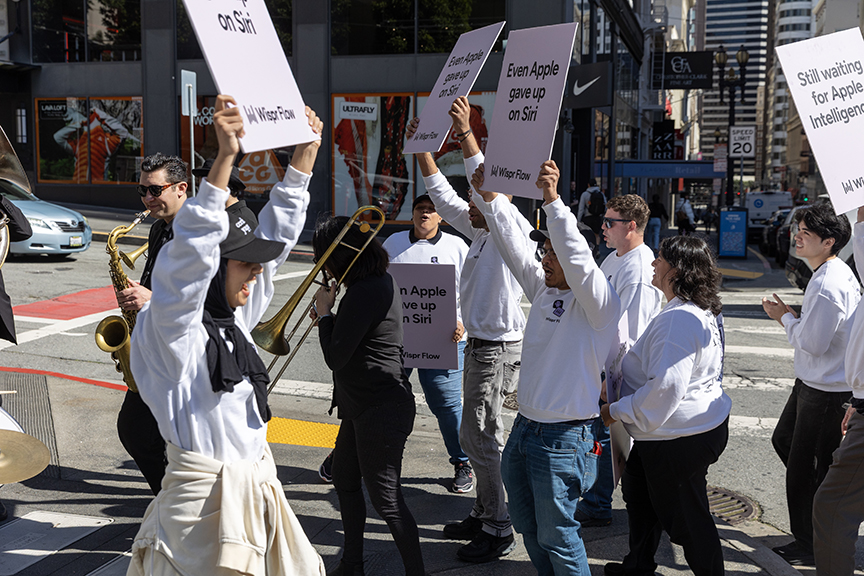
Street team marketing works differently in every city. The pedestrian rhythms of Los Angeles aren’t Miami’s rhythms, and Chicago’s neighborhood structure bears no resemblance to Dallas’s suburban sprawl. Brands that treat street team marketing as a generic tactic — drop a team anywhere with some flyers and hope for engagement — consistently underperform compared to brands that deploy with market-specific strategy.
We run street team campaigns in 50+ U.S. markets. The playbook we use in Wynwood on a Saturday afternoon looks nothing like what we deploy on the Magnificent Mile on a Tuesday morning. What works in the Arts District in Dallas would fall flat in Midtown Atlanta. Market knowledge is the difference between a street team that generates real impressions and one that burns budget without building anything.
This guide covers the strategic and tactical specifics of street team marketing in five major markets: Los Angeles, Miami, Chicago, Dallas, and Atlanta. It’s written for marketing managers and brand teams who need to understand what professional deployment actually looks like — not just in theory, but neighborhood by neighborhood, activation type by activation type.
What Professional Street Team Marketing Actually Delivers
Street teams deployed without a strategic framework produce unreliable results. Professional deployment is different: it’s planned, documented, and measured with the same rigor applied to any paid media channel.
What a Street Team Does
A professional brand street team does more than hand out flyers. Our street teams are trained to represent your brand actively: initiating conversations, communicating key messages, gathering consumer feedback, distributing samples or materials, and creating photo and video content that documents the activation. The goal is face-to-face engagement that builds brand affinity and drives downstream action, not passive material distribution.
Documentation and Accountability
Every professional street team activation should produce: GPS-verified deployment logs, photo documentation of team members in the field, unit distribution counts, unique engagement estimates, and a written post-activation report. Without this documentation, there’s no way to evaluate performance or justify continued investment. We provide all of this as a standard deliverable on every campaign.
Integration with Other Street-Level Tactics
Street teams deliver maximum impact when combined with complementary formats. A team distributing samples in front of a wheatpaste campaign, a team handing out flyers alongside an LED billboard truck pass-through, or a team activating at the base of a brand mural — these combinations create layered brand presence that multiplies the impact of each individual tactic.
Street Team Marketing in Los Angeles
LA is not a single market — it’s a collection of distinct neighborhoods with different demographics, different rhythms, and different brand sensibilities. A street team deployed without understanding these distinctions will find itself in the wrong area at the wrong time with the wrong message.
Best Neighborhoods for Street Teams in LA
For youth-oriented consumer brands, Venice Beach’s main drag and Abbot Kinney deliver dense foot traffic from late morning through evening, with strong demographic alignment for lifestyle, apparel, and wellness categories. Silver Lake and Echo Park attract creative professionals and cultural tastemakers. The Arts District in DTLA draws a mix of gallery visitors, restaurant-goers, and office workers during lunch. Melrose Avenue remains a high-value location for fashion and streetwear. Koreatown’s commercial corridors provide dense residential foot traffic with strong purchasing power.
LA-Specific Tactical Considerations
Car culture dominates LA, which means street team placement near transit hubs — Metro stations, bus stops, bike share stations — captures the smaller but highly concentrated pedestrian population. Farmers markets (Silver Lake, Brentwood, Hollywood) create perfect dwell environments for street team engagement. Beach boardwalk deployments work on weekends but are thin on weekdays. Permit requirements vary significantly by neighborhood; some areas near Venice Beach require advance applications while others allow free distribution.
Timing and Event Calendars in LA
LA’s event calendar creates street team opportunities that general market activations miss. Art Walk in DTLA, sneaker conventions, music festivals at venues from the Greek Theatre to the Kia Forum, film festival crowds in Hollywood and Culver City — all of these create concentrated audiences that match brand demographics precisely. Building activations around LA’s event calendar dramatically improves targeting efficiency.
Street Team Marketing in Miami
Miami’s street team landscape is anchored by a few genuinely world-class pedestrian zones and a calendar of major events that attract national and international audiences. The city rewards brands willing to invest in presence during peak moments.
Best Neighborhoods for Street Teams in Miami
Wynwood is Miami’s most brand-saturated neighborhood and for good reason — its art gallery and restaurant density creates a walking culture that’s rare in South Florida. Weekend foot traffic on NW 2nd Ave and surrounding streets is consistently high. South Beach’s Lincoln Road pedestrian mall delivers heavy tourist traffic suitable for consumer product launches and brand awareness. Brickell’s lunch corridors reach the young professional demographic. Little Havana’s Calle Ocho serves culturally specific campaigns with neighborhood authenticity.
Art Basel and Major Events
Art Basel Miami Beach transforms the city every December into one of the most brand-receptive environments in the country. Wynwood during Basel week draws global art buyers, media, celebrities, and brand-curious consumers who are actively looking for new experiences. Campaigns that book Wynwood wall space, street teams, and event activations for Basel week capture audiences that simply aren’t accessible the rest of the year at any price point. Ultra Music Festival, Miami Open, and Miami Art Week create similar concentrated opportunities throughout the calendar year.
Bilingual Deployment and Cultural Nuance
Miami’s street team composition matters. In neighborhoods with strong Latin American populations, bilingual brand ambassadors are a baseline requirement for meaningful engagement, not an optional upgrade. Our brand ambassador network in Miami includes Spanish-fluent representatives for all neighborhoods where language matters to conversion.
Street Team Marketing in Chicago
Chicago is a true grid city with distinct neighborhood identities that map cleanly to demographic and psychographic targets. This makes it one of the most efficient cities for targeted street team deployment — if you know the neighborhoods.
Best Neighborhoods for Street Teams in Chicago
The Magnificent Mile on Michigan Avenue is Chicago’s tourist and retail corridor — high volume, broad demographic reach, suitable for brand awareness campaigns with wide appeal. Wicker Park and Bucktown serve young creative professionals and have a strong independent retail and restaurant culture that makes street team presence feel organic. Wrigleyville on game days provides concentrated, high-energy crowds. The South Loop and River North serve office worker and young professional lunch crowds. Lincoln Park offers a mix of affluent families and young professionals with above-average purchasing power.
Seasonal Considerations
Chicago winters significantly constrain outdoor street team effectiveness. The peak street team season runs May through October, with the highest-quality pedestrian environments in June through September. Summer events — Lollapalooza, Chicago Jazz Festival, neighborhood festivals — create concentrated opportunities that winter makes impossible. Brands planning Chicago activations should be realistic about seasonal limitations and concentrate budgets accordingly.
Transit-Adjacent Deployments
Chicago’s El train system creates dense pedestrian flow at major stations. Activations near Red Line and Blue Line stations in Wicker Park, Lincoln Park, and the Loop reach commuters during high-volume windows. Station-adjacent deployment requires awareness of CTA regulations around solicitation, but the surrounding sidewalks are generally suitable for street team activity.
Street Team Marketing in Dallas
Dallas is primarily a driving city, which means street team opportunities concentrate around specific walkable nodes rather than distributed neighborhood pedestrian zones. Success in Dallas requires finding those nodes and owning them completely.
Best Areas for Street Teams in Dallas
Deep Ellum is Dallas’s most active pedestrian entertainment district — live music venues, restaurants, bars, and galleries create a walkable environment with strong foot traffic on Thursday through Sunday evenings. The Bishop Arts District in Oak Cliff attracts a creative, locally-minded crowd with independent retail and dining. Uptown’s McKinney Avenue corridor serves young professional and affluent demographics during lunch and evening hours. The Design District, increasingly activated by restaurants and pop-ups, draws a creative professional crowd on weekends.
Event-Driven Street Team Opportunities in Dallas
Dallas’s event calendar includes major drivers: NBA, NFL, and NHL game days at American Airlines Center and AT&T Stadium create predictable crowd concentrations in specific locations. State Fair of Texas in October draws one of the largest fair attendances in the country, with over 2 million visitors over the run. South by Southwest has a Dallas extension; ACL creates a spillover audience. Building activations around Dallas’s sports and events calendar is more efficient than general market saturation because the city’s walkable zones are too dispersed for passive density strategies.
Car-to-Pedestrian Transition Zones
For brands that need to reach Dallas consumers in motion, mobile billboard routes through high-traffic corridors complement street team deployments in the walkable zones. The combination of mobile vehicle presence on major roads and street teams in pedestrian districts creates dual-format reach across a market where no single format can deliver complete coverage.
Street Team Marketing in Atlanta
Atlanta has one of the most vibrant street team scenes in the country, driven by its position as a cultural hub for hip-hop, fashion, film, and entertainment. The city’s creative energy makes it uniquely receptive to street-level brand activation when the execution is culturally aligned.
Best Neighborhoods for Street Teams in Atlanta
Ponce City Market and the BeltLine serve as Atlanta’s most brand-receptive pedestrian environment — a mix of retail, dining, and outdoor space that draws affluent, culturally engaged consumers year-round. Sweet Auburn and Edgewood Avenue serve a younger, culturally connected crowd. Little Five Points is Atlanta’s counterculture center — streetwear, vintage, and independent retail create dense foot traffic with strong demographic targeting potential for subcultural brands. Buckhead’s Peachtree Road corridor serves the affluent professional demographic. Castleberry Hill, Atlanta’s arts district, draws creative professionals and gallery visitors.
Atlanta’s Entertainment Industry Angle
Atlanta’s status as “Hollywood of the South” means film and television production creates unusual street team opportunities. Production areas, studio-adjacent neighborhoods, and entertainment industry events create concentrated access to media industry professionals and talent. For brands targeting the entertainment sector, Atlanta offers access that requires far more investment in LA or NYC.
Sporting Events and College Demographics
Atlanta hosts major sporting events regularly — Falcons and Hawks games, SEC Championship, Peach Bowl, occasional Final Four and Super Bowl visits. Tailgate zones and game-day pedestrian flows create high-energy street team environments with captive, social audiences. Georgia Tech’s Midtown campus and Georgia State’s downtown campus add college demographic reach within walking distance of business districts — a rare combination that brands can exploit with well-timed deployments.
Building a Multi-City Street Team Campaign
For brands activating across multiple markets simultaneously or sequentially, coordination and consistency become as important as local market knowledge. Multi-city campaigns require unified briefing, consistent brand standards, local market adaptation, and centralized reporting that allows real-time performance comparison across markets.
Standardized Briefing with Local Flexibility
Every team in every market should know your brand story, key messages, and activation objectives identically. The local adaptation happens at the tactical level: which neighborhoods, which time windows, which events to activate around. Core brand standards are non-negotiable; tactical execution is market-specific. Our regional team leads in each market ensure consistency at the brand level while optimizing for local conditions.
Centralized Reporting and Real-Time Optimization
Multi-city campaigns generate a lot of data quickly. Centralized reporting allows the brand team to see performance across all markets in a single view, identify which markets and tactics are outperforming, and reallocate resources mid-campaign if one market is delivering stronger results than anticipated. This flexibility is one of the core advantages of working with a national agency rather than assembling city-by-city vendors independently.
Integrating Street Teams with a National Guerrilla Marketing Strategy
The most effective multi-city campaigns layer street teams with city-specific posters, stencils, or murals to create multi-format presence in each market. A brand that’s running street teams in five cities simultaneously while also running wheatpaste campaigns in those same markets creates the feeling of national saturation — the sense that the brand is everywhere at once. That perception of ubiquity is one of the most powerful brand-building signals a street campaign can generate.
Frequently Asked Questions
What is street team marketing major cities?
American Guerrilla Marketing provides street team marketing major cities services across 50+ U.S. markets. Every campaign is planned, scouted, executed, and GPS-documented by our field teams. We work with regional brands and Fortune 500 companies on campaigns that require real street-level execution and documented proof of performance.
How does AGM approach major cities?
Our process starts with a market consultation to understand your goals, target audience, and budget. We then scout locations, handle any required permissions or permits, coordinate production and installation with our local crews, and provide a full GPS-tagged photo report after the campaign runs.
What markets does American Guerrilla Marketing cover for major cities?
We operate in 50+ U.S. markets including New York, Los Angeles, Chicago, Miami, Houston, Atlanta, Seattle, Denver, Boston, and dozens of secondary markets. Contact us to confirm availability and pricing for your specific market.
How much does a major cities campaign cost?
Campaign pricing depends on market, format, quantity, and duration. We work with budgets ranging from targeted single-market runs to national rollouts across multiple cities. Use our RFP Builder or contact us directly for a custom quote based on your specific campaign requirements.
How do I get started with major cities through AGM?
The fastest way to get started is to submit your campaign details through our RFP Builder at americanguerrillamarketing.com, or contact us directly at [email protected] or (646) 776-2770. Our team typically responds within one business day with availability and initial pricing.