
July 24, 2026
Sidewalk Stencils San Francisco: The Mission, Castro, and the Street Surface Map
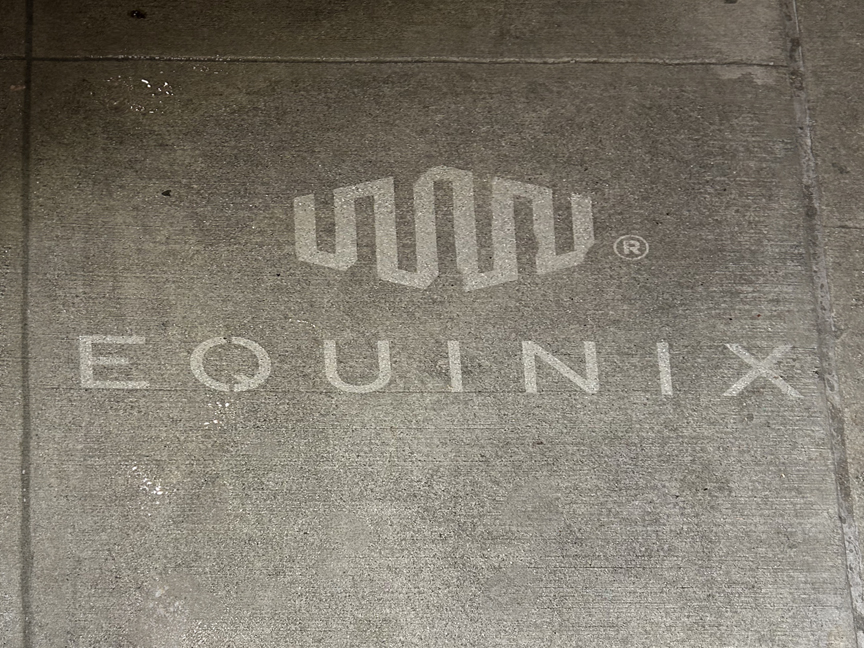
Sidewalk stencils work in San Francisco because the city’s pedestrian culture is genuinely pedestrian-first. San Franciscans walk their neighborhoods. They know their blocks. They look down, look around, and engage with the street environment in ways that car-first cities don’t support. A well-executed stencil on Valencia Street in the Mission or on Castro Street approaching the Castro MUNI station doesn’t disappear into the urban background — it registers, gets noticed, and gets talked about.
The challenge in San Francisco is that the city’s permitting environment, its street surface variety, and its neighborhood culture all require market-specific knowledge to navigate effectively. What works on the smooth concrete of Hayes Street doesn’t behave the same way on the textured brick approach to a Mission District bar. What reads well to a SOMA tech conference crowd doesn’t land the same way with a Castro neighborhood audience. Getting sidewalk stencil campaigns right in San Francisco requires understanding both the technical execution and the neighborhood context.
Our team has run sidewalk stencil campaigns across San Francisco’s major pedestrian neighborhoods for brands in tech, entertainment, consumer goods, and the convention marketing space. This guide covers where to run them, how to execute them properly, and what to expect from a San Francisco stencil campaign.
The Mission District: Valencia Street and 24th Street
The Mission District is San Francisco’s highest-pedestrian-density neighborhood outside of SOMA and the Financial District, and it carries the most diverse foot traffic of any SF neighborhood: a mix of longtime Latino residents, tech workers, young professionals, and weekend visitors from across the Bay Area. Valencia Street from 16th to 24th Street is the neighborhood’s primary commercial corridor and one of the most effective sidewalk stencil zones in the city.
Valencia Street: Restaurant and Retail Corridor
Valencia Street’s dense concentration of restaurants, bars, boutiques, and coffee shops creates dwell-time foot traffic that slows down long enough to actually read a stencil. The weekend evening window from 6 to 10 PM produces particularly concentrated foot traffic as the entire restaurant corridor fills with diners moving from block to block. Stencils installed on Thursday night are fresh for the peak weekend traffic window.
We deploy sidewalk stencils on Valencia Street using water-based formulas applied to the sidewalk concrete panels between the curb and the building line. Standard placements at major intersections (16th/Valencia, 18th/Valencia, 20th/Valencia, 24th/Valencia) hit the natural decision points where pedestrians pause and look around before continuing.
24th Street: The Neighborhood Artery
24th Street is the Mission’s secondary commercial corridor and carries a more neighborhood-resident-skewing audience than Valencia. 24th Street stencils reach the daily-routine audience: people walking to the coffee shop, the grocery store, the BART station. For brands trying to build ongoing neighborhood presence rather than event-specific visibility, 24th Street placements complement Valencia Street coverage.
The Castro: LGBTQ+ Community and Foot Traffic Hub
The Castro is one of San Francisco’s most iconic neighborhoods and one of its most welcoming for creative street-level campaigns. Castro Street between Market and 19th Street carries concentrated foot traffic from the neighborhood’s residential and commercial core, with the Castro MUNI station at Market and Castro serving as the neighborhood’s primary transit entry point.
Castro Street: The Main Pedestrian Zone
Castro Street itself, particularly the block between 17th and 19th Streets, produces the neighborhood’s highest pedestrian volume. The concentration of cafes, bars, and LGBTQ+-focused retail on this stretch creates dwell-time engagement that rewards detailed stencil messaging. Brands running campaigns during Pride Month, Pride Weekend, or Castro-specific events should plan to install stencils 24-48 hours before the event begins, when foot traffic is building toward the peak.
18th Street: The Secondary Corridor
18th Street between Castro and Diamond is the Castro’s secondary commercial corridor and carries strong neighborhood-resident foot traffic at a slightly lower volume than Castro Street itself. Stencils here reach the everyday Castro resident moving through their neighborhood rather than the tourist and visitor traffic that concentrates on Castro Street.
Hayes Valley: The Premium Consumer Corridor
Hayes Valley’s Hayes Street between Laguna and Franklin is one of San Francisco’s most brand-friendly sidewalk stencil zones because the neighborhood’s demographic is clearly defined: premium-income young professionals and creative types who patronize the independent boutiques, design studios, and upscale restaurants that line the corridor. Brands targeting this demographic — premium consumer goods, tech products, lifestyle brands — find Hayes Valley stencils hitting a highly qualified audience in a relatively compact geographic zone.
Hayes Valley also sits adjacent to the SF Symphony, the War Memorial Opera House, and Civic Center, creating an arts and culture audience overlap that extends the neighborhood’s reach for entertainment and cultural brand campaigns.
SOMA: Convention and Tech Campus Zone
SOMA’s sidewalk stencil opportunities are most valuable during convention periods at Moscone Center and during specific tech event windows (Dreamforce, GDC, RSA, and similar). The pedestrian environment around Moscone Center on Howard Street, Mission Street, and 4th Street supports convention-adjacent stencil campaigns that create directional wayfinding or brand awareness for companies competing for convention attendee attention.
Outside convention windows, SOMA’s stencil opportunities are concentrated around the Mission Bay tech campus area (4th Street and King Street approaching Oracle Park and the UCSF Mission Bay campus) and the bar and restaurant corridor on Folsom Street. We run convention-specific stencil campaigns around Moscone as a complement to broader guerrilla marketing programs for convention-period clients.
The Haight-Ashbury: Cultural Landmark and Foot Traffic Zone
Haight Street between Central and Stanyan remains one of San Francisco’s most recognizable pedestrian corridors and carries a demographically diverse foot traffic stream of long-term residents, young people, and tourists visiting the iconic Haight-Ashbury district. The Amoeba Music storefront and the surrounding blocks on Haight generate particularly strong foot traffic, especially on weekends.
Brands with counterculture, music, arts, or cannabis-adjacent positioning find Haight Street stencils reaching an aligned audience at a relatively low cost per impression. The street’s surface condition is variable, with some blocks providing ideal concrete and others presenting rougher surfaces that require adaptation in stencil design.
Design Considerations for San Francisco Sidewalk Stencils
San Francisco’s pedestrian-first streets reward stencil designs that respect the walking experience rather than demanding it. Oversized, aggressive stencils that occupy the entire sidewalk width are both harder to permit and less effective in neighborhoods where pedestrians are moving with purpose. Tighter, well-positioned designs at natural pause points (intersections, transit stops, bar entrances) work more effectively than sprawling installations.
Typography and Legibility at Walking Speed
Stencil messages in San Francisco need to be readable at walking speed in 2-3 seconds. This means short, high-contrast messages with fonts that read clearly even on slightly textured surfaces. Complex logos with fine detail don’t translate well to stencil format; simplified brand marks with bold typography perform significantly better. We design all stencil artwork with legibility as the primary constraint, not creative complexity.
Color Selection for SF Street Environments
San Francisco’s light conditions — frequent fog, overcast skies, variable natural light — affect how colors read on street surfaces. High-contrast combinations (white or yellow on dark surfaces, black on light concrete) perform better than subtle or monochromatic designs. Bright colors read well on the overcast days that are standard SF weather for much of the year.
Combined Stencil and Wheatpaste Campaigns
Sidewalk stencils work at ground level; wheatpaste posters work at eye level and above. A combined campaign deploys both formats in the same neighborhood, creating a full-field brand presence that reaches pedestrians across multiple visual planes. Brands running combined stencil-and-wheatpaste campaigns in the Mission or Castro produce more complete neighborhood saturation than either format alone at comparable cost.
Frequently Asked Questions
Are sidewalk stencils legal in San Francisco?
Sidewalk stencils using water-soluble, biodegradable chalk-based or water-based paint formulas are generally removable and compliant with San Francisco Department of Public Works regulations for temporary markings. Permanent paint stencils require permits and approval. Our team uses approved temporary formulas for all San Francisco sidewalk stencil campaigns and handles any required coordination with DPW.
Which San Francisco neighborhoods are best for sidewalk stencil campaigns?
The Mission District (Valencia Street, 24th Street), the Castro (Castro Street, 18th Street), Hayes Valley (Hayes Street), the Haight-Ashbury (Haight Street), SOMA (Howard and Mission near Moscone Center), and the pedestrian commercial corridors in Noe Valley and the Inner Sunset are all strong zones for sidewalk stencil campaigns in San Francisco.
How long do sidewalk stencils last in San Francisco?
Water-based temporary sidewalk stencils in San Francisco typically last 3-7 days under normal conditions, depending on foot traffic volume, weather, and surface texture. High-traffic pedestrian areas like Valencia Street or Castro Street experience faster wear. San Francisco’s frequent fog and light rain can also affect durability. We can refresh stencils for campaigns requiring longer visibility windows.
How much does a sidewalk stencil campaign in San Francisco cost?
Sidewalk stencil campaigns in San Francisco typically run $500-$2,500 depending on the number of stencils, geographic spread, and design complexity. Stencil campaigns combined with wheatpaste or other street-level formats are typically packaged for efficiency. Our team handles stencil production, location scouting, overnight installation, and photography documentation.
What kind of brands use sidewalk stencils in San Francisco?
Tech companies launching consumer apps and products, entertainment brands promoting releases, food and beverage brands entering the SF market, convention and event marketers around Moscone Center, and retail brands building neighborhood awareness all use sidewalk stencil campaigns in San Francisco. The format works for any brand targeting specific SF neighborhoods or transit corridors.
Does American Guerrilla Marketing run sidewalk stencil campaigns in San Francisco?
Yes. Our team deploys sidewalk stencil campaigns across San Francisco’s highest-pedestrian neighborhoods including the Mission, Castro, Hayes Valley, SOMA, the Haight, the Richmond, and the Sunset. We handle location scouting, stencil production, overnight installation, and GPS-stamped photography documentation for all SF stencil campaigns.

Ready to Run Your Campaign?
Call us or email us. We’ll tell you exactly what we can do in your market and what it costs.
Related Services
Explore similar advertising solutions offered by American Guerrilla Marketing.
American Guerrilla Marketing — Los Angeles
Street-level campaigns in Los Angeles and nationwide. Wheatpasting, LED trucks, street teams, and more.
(646) 776-2770
Related Articles
-
Street Poster Advertising Ottawa: A Complete Campaign Guide
September 17, 2026
-
Activation Marketing: How Brands Win at Street Level
September 13, 2026
-
Experiential Marketing Firms Chicago | American Guerrilla Marketing
September 12, 2026
-
Pop Up Experiential
September 12, 2026
-
Mobile Pop Up
September 12, 2026