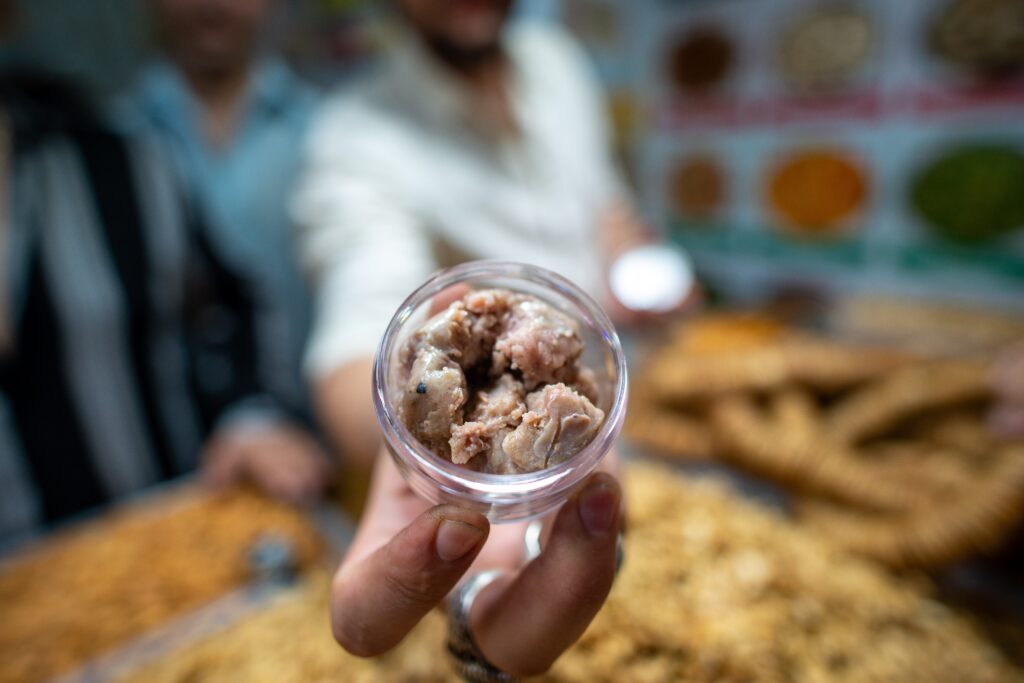
Sampling marketing is the practice of generating consumer trial of a product through direct distribution, with the explicit goal of converting that trial into purchase behavior and long-term brand loyalty. It is one of the oldest tactics in consumer marketing and, executed well, still one of the most effective. No advertising format creates the sensory, personal, and memorable product encounter that a direct sample does when it is put into the right hands at the right moment.
We build and deploy sampling marketing programs for consumer brands across North America. We cover the full range of sampling channels: street-level ambassador deployments, retail in-store demo programs, campus activations, event-adjacent sampling, and B2B sampling for brands that sell to businesses or professionals. Every program we build is designed around a specific objective, executed with trained and managed field teams, and measured with data that gives brands the information they need to make the next program better than the last one.
This guide covers sampling marketing comprehensively: how it works, where it fits in the marketing mix, how to measure it, and how to build programs that produce return worth talking about. It is built for marketing leaders and brand managers who want to understand sampling marketing at a strategic level, not just as a tactical line item in a campaign plan.
AGM Field Note: Sampling marketing works because it removes the two biggest barriers to first purchase: unfamiliarity with the product and fear of wasting money on something that disappoints. When you remove both barriers in a single interaction, the path to purchase becomes very short.
Understanding why sampling marketing works at a psychological level helps you design programs that maximize its natural advantages rather than squandering them through poor execution.
The Reciprocity Effect
When someone gives us something, we feel a natural social impulse to give something back. In a sampling context, that reciprocal impulse is often expressed as a purchase. Consumers who receive a generous, well-presented sample from a brand representative who is genuinely helpful feel a pull toward buying that goes beyond simple product preference. This is not manipulation. It is a natural social dynamic that good sampling programs work with rather than against.
Uncertainty Reduction
Most consumers will not purchase a product they have never experienced if the category carries any meaningful risk of disappointment. A $12 jar of nut butter that turns out to be disappointing is a wasted $12. A sample that the consumer can try risk-free removes that barrier entirely. Once they like it, the purchase decision is not a risk anymore. It is a confirmation of something they have already experienced.
Peak-End Memory
People remember experiences by their peak moment and their ending. A sampling interaction that creates a genuinely positive peak moment, whether that is a great taste, a surprising benefit, or a particularly warm and helpful ambassador interaction, is remembered far better than a neutral product encounter through advertising. The brand memory created by sampling is qualitatively different from the brand memory created by media exposure.
Social Proof Through Personal Experience
A consumer who has personally tried and liked a product has real personal experience to draw on when they tell a friend about it. That recommendation, grounded in genuine trial, carries more weight than any third-party endorsement. Sampling creates the raw material for peer-to-peer advocacy at scale. Each sample distributed is a potential future advocate for the brand within their social network.
Sampling Marketing Channel
Reach Potential
Conversion Strength
Street-level ambassador deployment
High (mass trial in urban markets)
Moderate to high (depends on follow-through)
Retail in-store demo
Moderate (store-specific)
High (proximity to purchase point)
Event-adjacent sampling
Moderate to high (event dependent)
Moderate (social context, receptive mindset)
Campus ambassador networks
Moderate (campus-specific)
High among peer groups (social amplification)
Mail sampling
High (broad geographic)
Low to moderate (no human engagement)
Digital-triggered sampling
High (digital reach)
Low to moderate (self-selected, no moment)
Sampling Marketing Strategy
Effective sampling marketing begins with strategy, not logistics. The sequence matters. Define the objective first. Build the field execution second. Measure the result third. Optimize the fourth program based on what the third taught you. Here is the strategic framework we apply to every sampling marketing program we build.
Define the Specific Objective
Every sampling program needs one primary objective. Is it retail velocity lift at specific store locations? Market awareness building in a new city? Consumer feedback collection for a product formulation decision? First-purchase conversion for a newly distributed product? App downloads for a digital companion product? The objective determines the channel, the location, the ambassador brief, and the success metrics. Programs without a clear objective produce activity without purpose.
Identify the Target Consumer with Precision
General descriptions of target consumers produce unfocused programs. The target consumer for a sampling program needs to be specific: not “health-conscious adults” but “women 28-45 in urban markets who shop at natural grocery stores and purchase premium personal care products.” That specificity drives location selection, ambassador recruitment criteria, training content, and interaction design.
Select the Channel and Format
Match the sampling channel and format to where the target consumer is, when they are most receptive, and what product experience is possible in that environment. A product that benefits from a lengthy demonstration is not a good fit for a transit hub where consumers have thirty seconds to spare. A product that can be handed in a sealed sample unit works anywhere. A product that requires refrigeration needs a demo station setup. Channel and format selection is a constraint-matching exercise as much as a reach-optimization exercise.
Design the Conversion Follow-Through
The most common failure point in sampling marketing is the absence of a clear conversion follow-through mechanism. What does the consumer do after they try the sample and like it? If there is no coupon, no QR code, no purchase incentive, no clear next step, the positive trial experience evaporates. Design the follow-through before designing the sampling interaction. The follow-through is what converts sampling into sales.
AGM Field Note: Sampling without a conversion mechanism is brand awareness, not sampling marketing. The sample creates the moment. The follow-through converts the moment into revenue. Both are required for the program to earn its budget.
Measuring Sampling Marketing Effectiveness
Sampling marketing is one of the most measurable forms of consumer marketing when the measurement framework is built before the campaign starts rather than reverse-engineered after. Here are the metrics that matter.
Trial Volume
The total number of consumers who tried the product during the program. This is the baseline metric for any sampling program: how many people did we reach with direct product experience? It is not the only metric that matters but everything else builds on it.
Conversion Rate
Of the consumers who tried the sample, what percentage purchased the product within a defined window after the sampling interaction? This can be measured directly through point-of-sale data in retail programs, through coupon redemption rates in programs that distribute coupons with samples, or through consumer survey-based purchase intent that is correlated with actual purchase tracking when available.
Sales Velocity Lift
For retail programs, compare sales velocity at sampled store locations on sampling days versus non-sampling days and versus the same period in a prior period without sampling. The lift percentage is the most concrete commercial evidence of a sampling program’s effectiveness.
Consumer Feedback Quality
The themes and content of consumer reactions during sampling interactions are a research asset that goes beyond the trial number. What questions did consumers ask? What reactions were most common? What did they compare the product to? This qualitative data informs product development, pricing, and positioning decisions.
Social Amplification
How much organic social content did the program generate? Are consumers sharing their sampling experience? Are they tagging the brand? Social amplification extends the program’s reach beyond its physical footprint and creates lasting digital assets from temporary field marketing activity.
Sampling Marketing Best Practices
These are the practices that consistently separate high-performing sampling programs from programs that produce volume without return.
Train for the conversation, not just the handoff. The sample is not the product of a sampling program. The conversation is. A sample handed without a word is an advertisement. A sample handed by someone who can explain what makes the product special, answer questions honestly, and create a genuine moment of product enthusiasm is sampling marketing at its most effective.
Choose locations for consumer quality, not location prestige. The busiest corner in a city is not necessarily the right sampling location. The right sampling location is where the target consumer is concentrated in a state of mind that is receptive to the product. Consumer quality of a location is more important than foot traffic volume.
Design for shareability. Build elements into the sampling interaction that give consumers a natural reason and easy mechanism to share the experience on social media. A photo-worthy setup, a branded hashtag, a social incentive tied to the sample. The best sampling programs generate social content that extends their reach far beyond what the field team can physically achieve.
Measure everything, not just samples distributed. Total samples distributed is the easiest metric to count and the least useful for understanding whether the program worked. Build a complete measurement framework before the program starts and collect data throughout in the format needed for meaningful analysis.
Frequently Asked Questions About Sampling Marketing
Is sampling marketing right for every type of product?
Sampling marketing is most powerful for products with a direct sensory benefit that is not fully communicable through advertising: food and beverage products with a distinctive taste, personal care products with a sensory experience, consumer electronics with a hands-on advantage, or any product whose quality is significantly better experienced than described. Products with benefits that are purely functional or intellectual without a sensory component may benefit more from demo-based approaches than traditional sampling.
How does sampling marketing integrate with a digital marketing strategy?
Sampling marketing and digital marketing work well together through several integration points. Digital ads can geo-target consumers near sampling locations to increase motivated foot traffic. Sampling programs can collect email addresses and social follows that feed digital marketing lists. Social content generated by sampling events can be amplified through paid social promotion. Digital purchase tracking can be used to attribute sales velocity changes to sampling program timing. Integration requires planning from both sides but produces measurably better results than either channel operating independently.
How often should a brand run sampling marketing programs?
For brands in consumer categories where trial is the primary purchase driver, we recommend treating sampling as a continuous channel rather than a periodic campaign. Monthly retail sampling programs, quarterly market entry campaigns, and annual event-based programs can be layered together to create consistent market presence. The frequency and channel mix are calibrated to the brand’s distribution footprint, budget, and growth stage.
What is the cost per trial for a sampling marketing program?
Cost per trial is calculated as the total program cost divided by the total number of consumers who experienced the product. This varies significantly by channel and market. Retail demo programs at major grocery chains typically produce cost-per-trial in the range of $1.50 to $4.00 per trial in fully loaded program cost. Street-level programs in major urban markets typically range from $2.00 to $6.00 per trial depending on program structure and geography. Event-based programs vary more widely based on event cost and consumer concentration.
Can sampling marketing work for a premium-priced product?
Yes, and it is often more important for premium-priced products than for everyday-priced ones. A consumer who is skeptical about a $25 personal care product or a $15 specialty food item needs stronger evidence of quality before committing to purchase. Sampling provides exactly that evidence through direct experience. Premium brands that sample effectively often see higher conversion rates from trial to purchase than value brands because the consumer who was willing to be skeptical is particularly persuaded by strong product experience.
How do you handle consumer feedback collected during a sampling marketing program?
Consumer feedback collected during sampling shifts is organized by theme and delivered in the campaign reporting document. We capture verbatim comments from the field and tag them by product attribute, price sentiment, competitive comparison, and overall purchase intent category. This qualitative data is presented alongside the quantitative metrics so the brand gets both a picture of what the program produced commercially and insight into how consumers are experiencing and talking about the product.
What is the best time of year to run a sampling marketing program?
The best timing depends on your product category, your target consumer, and your distribution situation. For seasonal products, the weeks immediately before peak season are the most valuable sampling window. For year-round products, spring (March through May) and fall (September through November) are the highest-activity windows in most consumer categories. Summer programs can be very effective for outdoor-lifestyle and food and beverage brands. Holiday season programs work well for gift-adjacent categories. We advise on timing based on your specific category and market dynamics.
How do you prevent ambassador fatigue in a multi-week sampling program?
Ambassador fatigue is a real performance variable in extended programs. We manage it through rotating ambassador assignments so that no individual is working the same location repeatedly for extended periods, through re-briefing sessions mid-program that refresh energy and knowledge, and through field supervisor attention to energy and engagement levels throughout the program. Programs longer than three weeks benefit from a mid-program ambassador refresh that brings new faces into rotation alongside the core team.
Can sampling marketing programs be run with a small internal marketing team?
Yes. Many of our brand clients are lean marketing teams of two to five people who rely on us to handle the full field execution. A well-structured agency relationship means the brand provides the brief, the product, and the feedback on reporting, and the agency handles everything in between. This division of labor is efficient and allows the internal team to stay focused on brand strategy, retail relationships, and digital marketing while the field execution runs independently.
Building Your Sampling Marketing Program
Sampling marketing is the most direct and measurable path between a brand and a potential buyer’s first positive product experience. Getting that path right requires the right strategy, the right people, and the right management behind them.
We build programs that work. Call us to start building yours.
Sampling Marketing and Consumer Behavior Research
Sampling marketing programs are one of the richest sources of primary consumer behavior research available to a brand. When designed thoughtfully, the data generated from sampling interactions is far more valuable than what you would gather from a traditional survey or focus group, because it captures real reactions from real consumers in real purchasing environments rather than self-reported behavior in an artificial research setting.
The consumer who just tasted your product for the first time and is standing at the shelf where it lives will tell you things that no survey respondent imagining the same scenario will tell you. They will tell you what the flavor reminds them of. They will mention the competitor they switched from. They will react to the price with the emotional authenticity of a consumer who is actually considering spending their money right now, not imagining spending it hypothetically. That authenticity is irreplaceable and it is one of the most valuable outputs of a well-managed sampling program.
We build research objectives into sampling programs for brands that want to extract maximum intelligence from their field investment. The research questions are built into the ambassador training so that the relevant conversation happens naturally during the sampling interaction rather than as a separate survey tacked on at the end. The data is captured digitally, organized by theme, and delivered in the campaign report in a format that makes it immediately useful for marketing, product development, and pricing decisions.
Sampling Marketing in the Digital Age
The integration of sampling marketing with digital channels has created new opportunities for extending the reach and measuring the impact of sampling programs that did not exist a decade ago. Here is how brands are integrating sampling with digital effectively.
QR codes on sampling collateral connect the in-person trial experience to digital purchase opportunities, social follow prompts, and newsletter sign-up pages. A consumer who has just tried your product and liked it is in the highest purchase intent state they will be in. A QR code that gives them an immediate, low-friction path to purchase or to a digital relationship with the brand converts that intent before it fades. We include QR code integration in every sampling program where it is appropriate to the product and the purchase pathway.
Geo-targeted digital advertising can be used to prime consumers in the geographic areas where sampling deployments are planned. A consumer who has seen your brand on social media three times in the past week before encountering your ambassador on the street is in a completely different mental position than a consumer encountering the brand for the first time. The digital pre-priming creates familiarity that makes the in-person interaction warmer and the conversion more likely.
Social media monitoring during and after a sampling program captures the organic content that consumers generate when they share their sampling experience. We provide social listening support for brands that want to track and amplify this organic content. A brand that responds to a consumer’s post about their sampling experience, or that reshares strong consumer-generated content from a sampling event, extends the reach of the program into social networks that the field team never physically touched.
What Our Clients Say About Working With AGM
We let the results speak, but client feedback shapes how we build every subsequent program. The pattern we hear most consistently is that the combination of ambassador quality, active field management, and reporting specificity separates our programs from what brands experienced with other field marketing providers. Ambassadors who are thoroughly briefed and genuinely engaged with the brand produce interactions that clients recognize as qualitatively different from what less disciplined programs deliver. Management that is visibly present in the field rather than checking in remotely from a desk produces performance consistency that brands notice in the data. And reporting that tells a brand exactly what happened, where, and why gives them the information they need to justify the investment and build the next program with confidence.
We are not the cheapest option in the market. We are not trying to be. We are the option that produces results you can measure, report internally, and build on. For brands that have been through a disappointing sampling or street team program and want to understand what the right partner relationship looks like, we are ready to have that conversation honestly.
Next Steps
Whether you are planning your first field marketing program or your fiftieth, the path to a program that produces results is the same: a clear objective, a specific target consumer, an honest budget assessment, and a partner with the field infrastructure and management discipline to execute at the quality level the investment requires.
We are that partner. Call us at (646) 776-2770 or email [email protected]. We will ask the right questions, give you honest answers about what is achievable in your market and timeline, and build you a program that earns its budget. American Guerrilla Marketing has been doing this work in cities across North America for years. We know what works. Let us put that knowledge to work for your brand.
The AGM Difference
American Guerrilla Marketing is a field marketing company with deep roots in the guerrilla and street-level marketing world. We were built on the idea that direct, human, physical marketing is uniquely powerful precisely because so much of the marketing environment has moved digital. When every brand is competing for attention on the same platforms with the same formats, the brand that shows up in person stands out. We help brands show up in person, in the right places, with the right people, at the right times, with the discipline and infrastructure to do it consistently and measure it accurately.
Our team includes strategists who have built field marketing programs for emerging brands and established national names, field managers who have coordinated deployments across dozens of markets simultaneously, recruiters who know how to find the ambassadors who will genuinely represent a brand rather than just show up and do a job, trainers who build the product knowledge and conversion skills that turn sampling shifts into sales lift, and data analysts who turn field activity into reporting that is worth reading and acting on.
We operate across North America with field teams in major markets including New York, Los Angeles, Chicago, Miami, Austin, Atlanta, Boston, Seattle, Denver, Philadelphia, Dallas, Houston, San Francisco, and more. We also have partner networks in secondary and tertiary markets that extend our geographic coverage to virtually any US market a brand needs to reach. Multi-market programs are coordinated centrally but executed locally, ensuring both the strategic coherence of a unified brand presence and the tactical precision of local market knowledge.
We are built for brands that take their consumer relationships seriously, that invest in the quality of their brand’s first impression, and that want field marketing partners who bring genuine strategic value rather than just field labor. If that describes your brand, we are ready to talk. Call us at (646) 776-2770 or email [email protected].
Field Marketing as a Competitive Advantage
In most consumer categories, field marketing is still underutilized relative to its impact. The majority of marketing budget goes to digital channels where every brand is competing for the same attention with the same formats. The brands that allocate a meaningful portion of their marketing investment to field marketing, street teams, and sampling programs are working in less crowded channels where the relative impact per dollar is often significantly higher than in digital.
This is not an argument against digital marketing. It is an argument for channel diversification that includes the physical world. Consumers live in the physical world. They eat food, use personal care products, buy beverages, and make a hundred consumer choices in physical retail and social environments every week. The brands that show up in those physical moments with genuine human presence and compelling product experience build consumer relationships that purely digital brands cannot replicate.
We build field marketing programs for brands that understand this dynamic. We help them show up in the physical world in ways that are strategic, accountable, and measurable. And we help them integrate that physical presence with the digital channels they are running to create a consumer experience that is both broad in reach and deep in impact. That integration is the future of effective consumer marketing for brands that want to own their category relationships rather than just buy them through media spend.