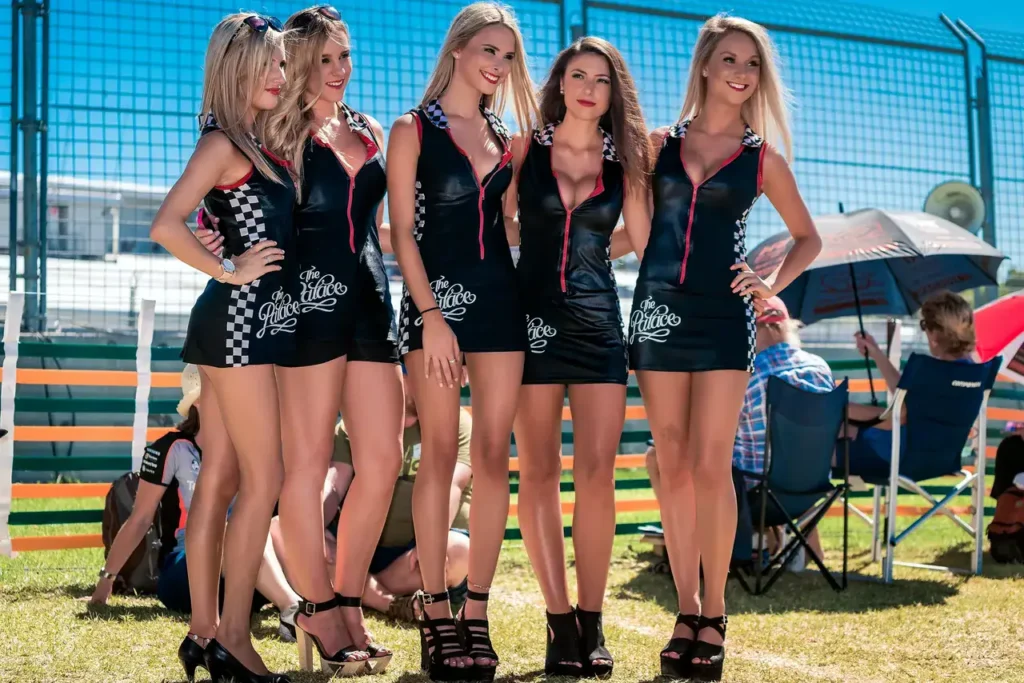
The promotional model has evolved. What was once primarily a role defined by appearance and presence has become a sophisticated marketing function that combines professional presentation with active consumer engagement, product expertise, and measurable business outcomes. The most effective promotional models today aren’t decoration for a trade show booth. They’re trained brand representatives who initiate conversations, educate consumers, collect leads, and drive the kind of direct engagement that brand advertising can only point toward.
For brands running trade shows, product launches, sampling programs, and live activations, the quality of promotional staff is a direct determinant of campaign ROI. This guide covers what modern promotional models actually do, how to source and evaluate them, and how to structure deployments that deliver measurable results rather than just impressive-looking booths.
What Modern Promotional Models Actually Do
The role of a promotional model in a contemporary brand activation is substantially more complex than the traditional concept of a brand representative standing near a product display. Understanding this full scope helps brands set expectations, source the right talent, and brief staff appropriately.
Consumer Engagement and Conversation
The primary function of a promotional model in most brand activation contexts is initiating and sustaining consumer conversations. This requires the confidence to approach strangers proactively, the communication skill to quickly assess what a consumer is interested in, and the product knowledge to deliver relevant, compelling information that moves the consumer toward trial, purchase, or brand interest. This is an active, demanding skill set, not a passive presence role.
Product Education and Demonstration
For product launches, tech demonstrations, and sampling programs, promotional models deliver structured product education to consumers in a format that’s engaging rather than instructional. The goal is not to deliver a features list but to create a product experience that makes the benefits feel real and personal. Effective product educators combine knowledge with storytelling skill to create trial moments that create genuine consumer interest.
Lead Generation and Data Collection
Many promotional model deployments include explicit lead generation objectives: email sign-ups, contest entries, loyalty program registrations, or direct response actions. Promotional staff trained in data collection techniques and opt-in protocols collect leads that feed the brand’s CRM and digital marketing pipeline. This function transforms the promotional model into a direct response marketing asset.
Social Content Creation
At activations where social media is a key performance metric, promotional models trained in creating social content moments, suggesting photo opportunities to consumers, and engaging social media creators who visit the activation generate earned media value that multiplies the activation’s reach. The best promotional staff understand that every interaction is a potential content creation opportunity.
Sourcing Promotional Models That Match Your Brand
The promotional model market has wide variance between excellent and inadequate. Sourcing talent that actually matches your brand’s standards requires a deliberate selection process rather than accepting whoever is available at the needed rate.
Brand Aesthetic Alignment
Promotional models should fit naturally within the brand’s visual world. This is not about superficial appearance requirements but about authenticity: people who look like they genuinely belong in the brand’s context create credibility that increases engagement effectiveness. A luxury beauty brand and a craft beer brand have very different aesthetic contexts, and the promotional staff for each should reflect those differences.
Personality and Engagement Profile
Appearance is a threshold requirement for promotional model roles. Personality and engagement skill are the differentiating variables that determine actual performance. In the interview and selection process, evaluate how naturally and confidently candidates initiate conversation, how they handle challenging questions about a product they don’t yet know well, and how they adapt their communication style to different consumer personalities. These soft skills predict field performance more reliably than aesthetic criteria alone.
Product Category Affinity
Promotional models who have genuine interest in or affinity for the product category they’re representing perform measurably better than those who are neutral about the category. Someone who genuinely loves fitness and wellness will represent a fitness brand more authentically than someone with no interest in the category who memorized talking points. This affinity criterion should be part of the selection process for any promotional deployment.
Agency Vetting and Track Record
Working with an established promotional staffing agency that maintains vetted rosters with documented field performance provides higher probability of quality outcomes than sourcing direct from model databases. Agencies that track individual performance across deployments and curate their rosters accordingly provide access to talent whose effectiveness has been validated, not just asserted.
Preparing Promotional Models for Maximum Effectiveness
The investment in pre-deployment preparation is the single highest-return action available to brands running promotional campaigns. The performance difference between well-prepared and poorly prepared promotional staff is visible within the first hour of any activation.
Product Knowledge Training
Promotional models need product knowledge that goes beyond surface features. They need to understand the product’s origin story, what differentiates it from alternatives, who it’s designed for and why, what the most common consumer questions are, and how to answer them clearly and compellingly. Product knowledge training sessions with brand team members, combined with product experience opportunities, create the foundation for authentic consumer education.
Engagement Technique Training
Specific engagement techniques make measurable differences in performance: how to open a conversation with a stranger who hasn’t self-selected into engagement, how to identify quickly what a consumer is most interested in, how to create trial moments that feel natural rather than salesy, and how to transition from conversation to lead collection or call to action. These techniques are trainable, and the training investment pays back in measurably higher engagement rates.
Brand Voice and Messaging Alignment
Promotional models representing a brand need to communicate in that brand’s voice. This requires understanding not just what the brand says but how it says it: the tone, the energy, the specific language choices that are consistent with the brand’s positioning. A brief covering these elements, with examples and practice opportunities, ensures that every consumer interaction reinforces rather than contradicts the brand’s messaging.
Promotional Models at Trade Shows and Conventions
Trade shows are among the most competitive environments for promotional staff deployment. The audience is sophisticated, the competition for attention is intense, and the time available for each meaningful interaction is limited. Performance in this context requires specific preparation and technique.
Traffic Generation and Lead Qualification
At trade shows, promotional models serve a dual function: generating traffic to the booth and qualifying visitors as leads. The traffic generation function requires the ability to engage passing foot traffic confidently and create a reason for attendees to stop and engage with the booth. The qualification function requires quickly assessing visitor fit and directing genuine prospects toward deeper engagement while efficiently managing those who don’t qualify.
Booth Presence and Energy Management
Trade show days are long. The promotional model who maintains full engagement energy at 4 PM on day two of a three-day show delivers very different results than one who has visibly fatigued by mid-afternoon. Selecting staff with documented stamina in trade show contexts and scheduling appropriate break and rotation coverage prevents the energy decline that undermines late-day performance.
Industry Knowledge Integration
In business-to-business trade show contexts especially, promotional staff who understand the industry’s terminology, current challenges, and decision-making context engage visitors more credibly than those with only brand-specific preparation. Brief industry orientation training that covers the basics of the category and common visitor concerns allows promotional models to hold conversations at a level of sophistication that matches the professional audience.
Promotional Models for Consumer Activation Campaigns
Consumer-facing promotional campaigns, from street-level sampling to festival activations to retail floor promotions, require promotional staff profiles different from the trade show context. Consumer environments are more unpredictable, the audience hasn’t self-selected for engagement, and the emotional register is more casual and playful than professional events.
Street-Level Sampling Programs
For sampling campaigns, the promotional model’s core skill is the approach: engaging someone who wasn’t looking for engagement and creating enough interest in 15 seconds to motivate them to accept a sample and engage further. This requires warmth, timing, and the ability to read a pedestrian’s receptivity quickly and adapt accordingly. Training for the nuances of street approach, including how to read body language, how to position oneself for maximum visibility, and how to recover smoothly from rejection, makes a measurable difference in sample acceptance rates.
Festival and Event Activations
Festival environments offer high consumer energy but intense competition for attention. Promotional models at festivals need to cut through a crowded attention environment with presence and energy that stands out. Creative activation concepts that give promotional staff something interesting to do or demonstrate, rather than simply standing near product displays, dramatically increase engagement rates in these high-stimulus environments.
Measuring Promotional Model Campaign Performance
Promotional campaigns with clear measurement frameworks generate data that improves subsequent deployments and builds the internal business case for continued investment. Establishing these frameworks before the campaign begins is essential.
Engagement Volume and Quality Metrics
Tracking total consumer engagements, meaningful engagements above a defined quality threshold, and engagement rate relative to total foot traffic creates a baseline for evaluating performance and comparing results across locations, markets, and time periods. Quality-weighted engagement metrics are more meaningful than raw volume counts.
Lead Generation and Conversion Tracking
For campaigns with lead generation objectives, tracking total leads collected, data completion rate, and downstream conversion from lead to purchase or registration creates a direct ROI calculation. Comparing cost per lead from promotional models against cost per lead from digital channels in the same campaign period creates compelling budget allocation data.
Brand Recall and Awareness Lift
Pre- and post-campaign surveys in markets with promotional model deployments versus control markets quantify the awareness lift attributable to the promotional program. This methodology requires planning before the campaign begins but produces the most persuasive ROI evidence for executive audiences evaluating the program.
Frequently Asked Questions
What are promotional models?
Promotional models are trained brand representatives who combine professional presentation with active brand engagement at events, trade shows, and activations. They engage directly with consumers, deliver product education, and drive measurable marketing outcomes.
What is the difference between a promotional model and a brand ambassador?
The terms are often used interchangeably. Today, the most effective promo models function as brand ambassadors: combining strong presentation with active engagement, product knowledge, and measurable outcome focus.
What events use promotional models most effectively?
Trade shows, product launches, automotive shows, sporting events, music festivals, nightlife brand activations, in-store promotions, street-level sampling campaigns, and corporate hospitality events all regularly use promotional models effectively.
How do you measure the effectiveness of promotional models?
Key metrics include consumer engagements initiated, samples distributed, leads collected, social content generated, booth traffic driven, and conversion rates. Post-campaign brand recall surveys measure awareness lift attributable to the promotional staff deployment.
What training should promotional models receive before deployment?
Effective training covers product knowledge, brand voice and messaging, engagement techniques, rejection handling, data collection protocols, and any specific event or location protocols.
Does American Guerrilla Marketing provide promotional model staffing?
Yes. Our team provides trained promotional model and brand ambassador staffing across 50+ U.S. markets. We source, brief, and deploy talent that combines professional presentation with active brand engagement capability, with GPS-tracked accountability and comprehensive post-deployment reporting.