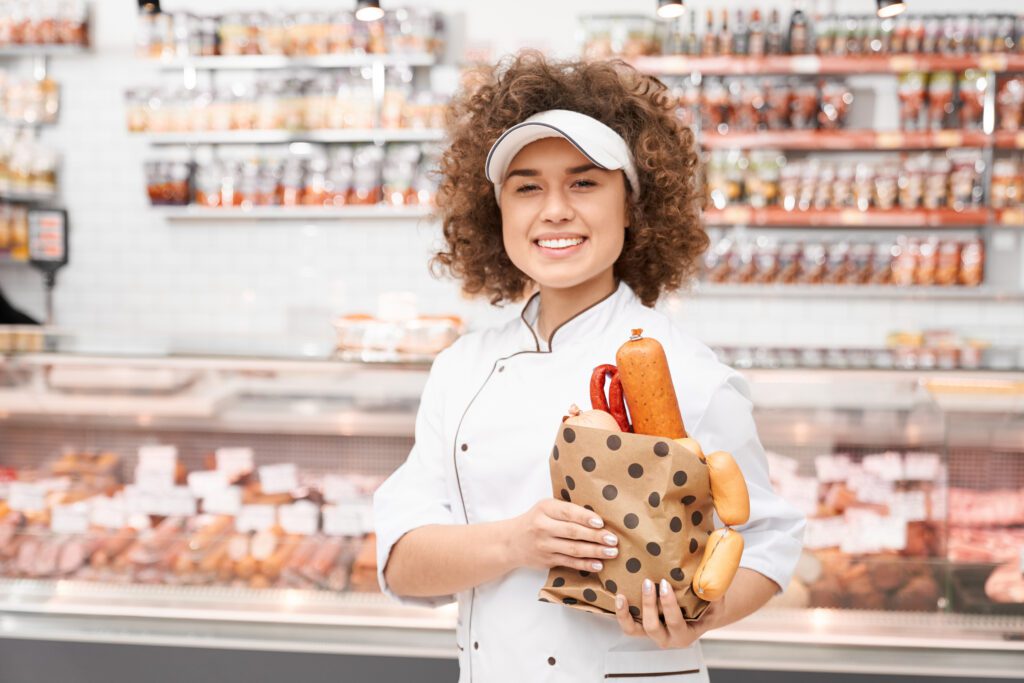
Product Sampling at Expos | Expo Sampling Programs | AGM
There is no advertising format that creates the same kind of brand relationship as a physical product experience. An attendee who has tasted the product, held the product, or used the product before they reach the show floor arrives at the booth with a fundamentally different relationship to the brand than one who has only seen the logo on a banner. Product sampling at expos creates that first-hand encounter in the convention zone, before the show floor, in the spaces where the expo audience is most accessible and most receptive. At American Guerrilla Marketing, based in Industry City in Brooklyn, we deploy product sampling programs at expos and trade shows across the country, putting products in attendee hands at coffee queues, hotel lobbies, and approach route positions that create the highest-quality first contact available in the convention zone. Contact us at [email protected] or call (646) 776-2770.
Why Product Sampling at Expos Works Differently Than Anywhere Else
Product sampling in a general urban environment has a fundamental efficiency problem: the target audience is dispersed across the city. A sampling crew on a busy commercial street might reach thousands of people per hour, but the percentage of those people who are relevant to the brand is often small. At an expo, that problem is inverted. Every person in the convention zone is attending the event, which means every person is within the target audience by definition. A sampling crew in the expo convention zone is not sorting through the general public to find relevant contacts. It is distributing to a pre-qualified audience with every interaction.
The efficiency advantage is not the only distinction. The expo convention zone also creates a specific set of physical conditions that make sampling particularly effective: predictable audience movement patterns, defined high-dwell positions, and a professional context that makes the attendee’s receptiveness to relevant brand contact higher than in most consumer environments.
Product Sampling Positions in the Expo Convention Zone
Coffee Queue Positions
The hotel and convention center coffee queue during morning arrival is the highest-dwell sampling position in the expo convention zone. Attendees waiting for coffee have three to seven minutes of idle time with no competing stimuli. They are standing in one place, awake, and mentally transitioning into their expo day. An effective sampling interaction at this position can include a full conversational exchange, a product handoff, and a complete call-to-action delivery in the natural idle window that the queue creates.
Hotel Lobby and Departure Zone Positions
The hotel lobby during morning departure is the second-highest-value sampling position in the expo zone. Attendees in the lobby during the 7:30 to 9:30 AM departure window are planning their day, moving at a measured pace, and in a mental state that is more accessible than any point on the show floor. A sampling crew in the primary conference hotel lobby during morning departure encounters the full complement of hotel guests on their way to the expo, in the only part of the day when the professional guard is low and the schedule pressure has not yet begun.
Convention Center Entrance and Approach Route Positions
The approach route positions between the hotel cluster and the convention center entrance capture the secondary foot traffic stream that has already left the hotel zone but has not yet entered the venue. This position reaches attendees from multiple hotels on the converging approach routes, with slightly less dwell time than lobby or coffee queue positions but higher total volume. Approach route sampling is most effective for quick, high-volume distribution that does not require extended conversation.
Product Sampling Program Design for Expos
Effective expo sampling programs are designed around three variables: position selection, product format, and the interaction sequence that turns a sample handoff into a qualifying contact.
Position selection determines the volume and quality of contacts. The highest-volume positions are not always the highest-quality positions. A coffee queue with 30 attendees per shift window is a better sampling position than an open approach route with 300 pedestrians per hour if the coffee queue dwell time enables a five-second qualifying exchange and the approach route position does not.
Product format determines acceptance rates and recall quality. Samples in individually packaged formats appropriate for the convention zone context are accepted at higher rates and with higher hygiene confidence than bulk-served samples. The packaging must communicate the brand message, include the call to action, and be sized for easy acceptance and transport by an attendee carrying a conference bag.
The interaction sequence determines whether a sample handoff becomes a qualified contact. A crew member who simply hands over the sample and says “try this” creates a distribution event. A crew member who makes brief eye contact, identifies the attendee as relevant, delivers a single specific sentence about the product’s relevance to the expo context, and hands over the sample creates a qualified interaction. The difference between these two approaches is the difference between distribution volume and qualified contact generation.
Sampling Integration with Outdoor Convention Zone Campaigns
Product sampling programs at expos perform significantly better when integrated with outdoor advertising in the same convention zone. An LED billboard truck on the approach route creates brand recognition before the attendee encounters the sampling crew. When the sampling crew member hands over the product, the attendee who has already seen the billboard is accepting the sample from a brand they recognize, rather than from a stranger. The recognition effect from prior outdoor exposure increases acceptance rates, conversation quality, and call-to-action response rates at the sampling position.
Integrated programs that combine outdoor advertising with sampling are designed with consistent creative and messaging across both elements, ensuring that every convention zone touchpoint reinforces the same brand message and the same call to action.
Documentation and Performance Reporting for Expo Sampling Programs
Metric
Documentation Method
Delivered When
Sample distribution by position
Shift supervisor tally, product count
Within 24 hours of each shift
Qualifying conversations
Structured shift logs
Within 24 hours of each shift
Call-to-action responses
Shift supervisor interaction notes
Within 24 hours of each shift
Field photos
On-site photography by supervisor
Within 24 hours of each shift
Post-campaign report
Compiled documentation + analysis
5-7 business days post-program
Ready to Launch Your Campaign?
What is product sampling at expos?
Product sampling at expos is the deployment of sampling crews in the convention zone during the expo to distribute product samples directly to expo attendees before they reach the show floor. Key positions include hotel lobby areas, coffee queues, hotel breakfast zones, and pedestrian approach routes.
Where do expo product sampling crews deploy?
At coffee queues and hotel breakfast areas during morning departure, on pedestrian approach routes between hotel clusters and the expo venue, at convention center entrance positions, and at afternoon break period food and beverage positions in the expo district.
What products are suitable for expo sampling programs?
Food and beverage products, branded consumables, functional supplements, personal care products, and any physical product that can be experienced in a brief expo zone encounter. Technology brands may use sampling to distribute demo access codes or branded physical items.
How are expo product sampling programs staffed?
AGM staffs expo sampling programs with crews recruited for the specific professional or consumer audience at the target expo, briefed on the product, target audience profile, qualifying criteria, and documentation protocol. A shift supervisor manages each deployment and submits structured shift reports daily.
How are expo sampling programs documented?
Every sampling shift is documented with distribution counts by position and time period, field photos from each deployment position, and a shift supervisor report covering qualifying contact counts and field observations. A full post-campaign performance report is delivered within five to seven business days after the final shift.
Can expo sampling be combined with brand ambassador programs?
Expo sampling and brand ambassador programs are frequently combined into a single deployment where sampling creates the initial physical contact and the ambassador interaction qualifies the contact and delivers the call to action. This combined format produces the highest per-contact engagement quality in the expo convention zone.
Can non-exhibiting brands run product sampling programs at expos?
Yes. Non-exhibiting brands can deploy product sampling programs in the public spaces of the expo convention zone without any official event participation. The call to action directs contacts to a meeting link, off-site demonstration, or digital destination rather than a booth.
How far in advance should expo sampling programs be planned?
Six to ten weeks before the expo for programs requiring sample sourcing and logistics. Programs with pre-existing product inventory may be executable in four to six weeks. Contact AGM as early as possible to secure planning lead time.
American Guerrilla Marketing is based in Industry City, Brooklyn. We deploy product sampling programs at expos and trade shows nationwide. Contact us at [email protected] or call (646) 776-2770.