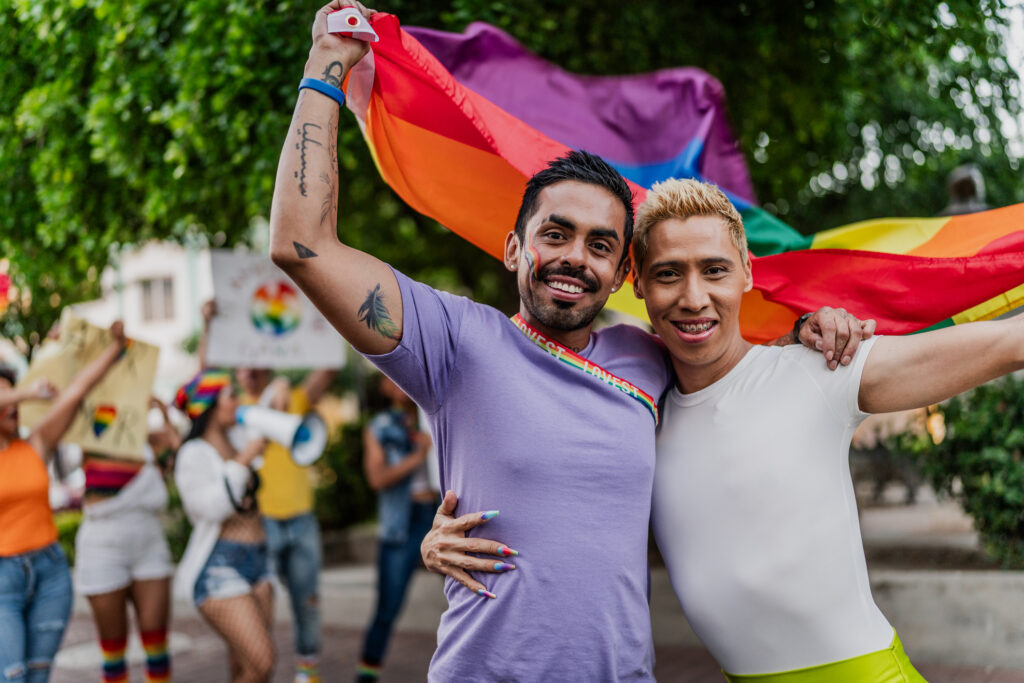
Pride community marketing is not a June calendar event. It is a strategic, ongoing investment in the relationships between a brand and the LGBTQ+ communities it wants to serve. The brands that understand this distinction build lasting, defensible loyalty with LGBTQ+ consumers and their allies. The brands that treat pride marketing as a seasonal tactic find themselves starting from zero each year, unable to build the cumulative trust that drives real commercial results.
At American Guerrilla Marketing, based at Industry City in Brooklyn, our team has built pride community marketing programs for brands that understood the difference. We bring the street-level tactical expertise to make these programs visible and memorable on the ground, in the neighborhoods and events where LGBTQ+ communities actually gather.
This article explains what effective pride community marketing looks like, the year-round tactical cadence that builds real relationships, and the street-level formats our team deploys to make brands genuinely present in LGBTQ+ communities.
The Case for Year-Round Pride Community Marketing
The LGBTQ+ community has seen enough seasonal brand enthusiasm to recognize the pattern immediately. A brand floods LGBTQ+ media channels in June with rainbow-themed content, activates at Pride events, then vanishes until the following June. This pattern is so well-documented within LGBTQ+ communities that it has its own vocabulary. Community members track which brands are consistent year-round compared to which ones appear only when it is commercially convenient.
The commercial implications are significant. LGBTQ+ consumers and their allies actively favor brands with genuine community commitment and actively avoid brands perceived as exploitative. The reputational risk of a poorly received Pride campaign is real and public. The competitive advantage of genuine year-round investment is durable and compounds over time.
Pride community marketing built on year-round presence creates something June-only campaigns cannot: the sense that the brand is actually part of the community’s fabric. This is the foundation of the kind of loyalty that survives competitive pressure, price competition, and the endless noise of modern marketing.
Mapping the LGBTQ+ Community Calendar
Year-round pride community marketing starts with understanding the full calendar of LGBTQ+ community events and moments throughout the year. Here is a representative mapping of key moments:
January to March: Regional winter Pride events in warmer climates (Miami Beach Pride, Palm Springs Pride). Trans Day of Visibility (March 31). LGBTQ+ film festival season in many cities. Black History Month intersections with LGBTQ+ Black community events.
April to May: Smaller regional Pride events. LGBTQ+ health awareness moments. Pre-season buildup activities for major summer Pride events. Community center fundraising events.
June (Pride Month): Flagship Pride events in New York, Los Angeles, San Francisco, Chicago, Washington D.C., and dozens of other cities. The highest-profile marketing window with maximum community concentration.
July to September: Additional summer regional Pride events. LGBTQ+ sports leagues and tournaments. Late summer community fundraisers and cultural events.
October: LGBTQ+ History Month. National Coming Out Day (October 11). Spirit Day (anti-bullying). Halloween celebrations in LGBTQ+ neighborhoods (historically significant community celebrations). Film festivals.
November to December: Trans Day of Remembrance (November 20). LGBTQ+ philanthropy season. Year-end community organization galas and fundraisers.
Our team maps this calendar for each client and identifies the moments and events most relevant to their brand and target communities. The result is a year-round activation roadmap rather than a single June spike.
Neighborhood Presence as Community Marketing Infrastructure
The most sustained form of pride community marketing is consistent visual presence in LGBTQ+-concentrated neighborhoods. This is where the community lives, shops, eats, socializes, and builds its daily life. Brands that are visually present in these environments throughout the year build familiarity and association that no event-only strategy can match.
Wheatpasting campaigns in neighborhoods like Chelsea in New York, the Castro in San Francisco, Boystown in Chicago, or WeHo in Los Angeles create sustained visual touchpoints on the streets the community walks daily. When the creative is genuinely beautiful and culturally resonant, these installations become part of the neighborhood’s visual culture rather than advertising to be dismissed.
Sidewalk stencils at key pedestrian intersections add ground-level visual moments that catch eyes naturally. LED truck routes through these neighborhoods during high-traffic moments create mobile spectacle that builds brand awareness efficiently in the most relevant audiences.
The compound effect of this neighborhood presence is powerful. A brand that is consistently visible in the spaces where the community gathers builds a sense of presence and commitment that no amount of LGBTQ+ media advertising can replicate. The physical world is where the community actually lives.
Community Organization Partnerships
Effective pride community marketing includes genuine institutional investment in LGBTQ+ organizations. These partnerships serve multiple functions: they give brands a credible community presence with institutional backing, they generate authentic marketing opportunities at community events, they create good in the community that builds genuine goodwill, and they give brands accurate information about community needs and priorities that inform better marketing decisions.
The organizations worth partnering with vary by market and brand focus. Community centers like The Center in New York or the Los Angeles LGBT Center run programs that touch thousands of community members. Advocacy organizations like GLSEN, the Trevor Project, or local LGBTQ+ approved clinics focus on specific community needs with strong donor-aware audiences. LGBTQ+ arts organizations, sports leagues, professional networks, and health organizations all offer partnership opportunities that align with different brand categories and audience goals.
Our team helps clients identify partnership candidates, structure partnership agreements that are genuinely mutually beneficial rather than extractive, and integrate partnership activities into the broader pride community marketing program.
Ambassador Programs as Community Relationship Builders
Beyond one-time event deployments, brand ambassador programs can function as ongoing community relationship infrastructure. A team of ambassadors who are themselves LGBTQ+ community members can attend community events throughout the year, building brand relationships at a sustained cadence rather than only at the annual Pride peak.
These ongoing ambassador programs work best when ambassadors are genuinely empowered to represent the brand in their own community spaces, not just deployed to scripted appearances. Ambassadors who can share genuine enthusiasm for a brand within their existing community relationships are far more powerful than promotional staff at scheduled events.
We structure ambassador programs with both event-activation and ongoing community representation components, building teams that work across the full year rather than only for the June spike.
Creative That Represents LGBTQ+ Communities Year-Round
One of the most visible signals of authentic pride community marketing is whether a brand features LGBTQ+ people in its creative throughout the year, not just in June. Brands that include LGBTQ+ relationships, families, and individuals in their regular advertising communicate consistent community membership in a way that seasonal rainbow filters never can.
The creative development process for pride community marketing benefits from ongoing LGBTQ+ creative talent involvement. Not just for dedicated Pride campaigns but for the brand’s year-round creative output. Art directors, photographers, copywriters, and creative directors who are LGBTQ+ community members bring perspectives that consistently improve the authenticity and resonance of work intended to reach these communities.
Our team connects clients with LGBTQ+ creative talent and helps integrate authentic community representation into overall brand creative strategy, not just seasonal Pride executions.
Digital Integration with Street-Level Pride Community Marketing
Street-level pride community marketing generates powerful organic social content when executed well. Beautiful wheatpaste installations, striking LED truck displays, and genuine ambassador moments all get photographed and shared by community members who encounter them. This organic amplification extends the campaign’s reach far beyond the direct physical touchpoints.
We help clients design street-level activations with digital amplification in mind. Creative that is photographically beautiful and emotionally resonant generates more sharing. Campaign hashtags that are simple and memorable help aggregate and track organic sharing. Social team response plans that engage authentically with community members who share activation content extend the conversation.
The integration of physical street presence with digital amplification creates a complete community marketing system where each element reinforces the other. Street presence drives social content. Social content extends physical reach. Community organization partnerships create additional digital channels. The cumulative effect builds brand presence that no single channel can achieve alone.
How We Execute Pride and LGBTQ+ Community Marketing Programs
Pride marketing requires genuine cultural alignment, not superficial rainbow branding. The LGBTQ+ community is a sophisticated audience that recognizes performative support from authentic brand commitment. Our approach to Pride festival marketing starts with the creative authenticity of the brand’s engagement and extends through the operational quality of the field execution.
We plan Pride marketing programs that activate in the neighborhood environments where LGBTQ+ communities gather year-round, not only during Pride season. Street teams and sampling programs in the relevant neighborhood districts, poster campaigns on walls in culturally significant locations, and ambassador programs at community events outside the formal Pride festival calendar create sustained brand presence in these communities rather than one-time seasonal appearances.
Building Multi-Festival Campaign Programs
Brands that invest in festival marketing across a calendar of shows build cumulative community presence that individual festival activations cannot achieve. The brand that appears at the same cultural festivals year after year becomes a familiar, trusted presence in those communities. Festival attendees who encounter a brand at their third consecutive appearance remember it differently from someone encountering it for the first time.
We build multi-festival programs for brands that want to build sustained presence in the festival market. These programs share a centralized creative framework that ensures consistent brand communication across all festival activations while allowing for market-specific adaptations in the specific neighborhoods, venues, and community contexts of each show.
Multi-festival programs also benefit from our venue relationships in key festival markets: New York, Los Angeles, Austin, Chicago, and other major festival cities. We know the neighborhoods surrounding major festival venues and can plan efficient outdoor advertising and ambassador programs without the market research that first-time programs require. This institutional knowledge translates directly into better campaign execution and better results per dollar invested.
We document all festival activations with field reports, photo coverage, and distribution records. Annual aggregated reporting for multi-festival programs gives clients the year-over-year performance data they need to optimize program design and investment allocation across the festival calendar.
What is pride community marketing?
Pride community marketing is a sustained, relationship-focused approach to engaging LGBTQ+ consumers that goes beyond one-time Pride event activations. It includes year-round neighborhood presence, community organization partnerships, ambassador programs, events throughout the calendar, and creative that reflects authentic community representation in all brand communications.
How does pride community marketing differ from a standard Pride Month campaign?
A Pride Month campaign activates during June and then disappears. Pride community marketing operates year-round with presence at LGBTQ+ community events throughout the calendar, sustained neighborhood visual presence, ongoing organizational partnerships, and consistent brand representation of LGBTQ+ people and relationships beyond June.
What cities and neighborhoods are best for LGBTQ+ community marketing?
Major LGBTQ+-concentrated neighborhoods include Chelsea and Hell’s Kitchen in New York, West Hollywood and Silver Lake in Los Angeles, the Castro and Mission in San Francisco, Boystown in Chicago, Midtown and Old Fourth Ward in Atlanta, and South Beach in Miami. But every city has LGBTQ+-concentrated areas and a community calendar worth mapping. Our team does this neighborhood research in each market.
What types of organizations should we partner with for pride community marketing?
Community centers, advocacy organizations, LGBTQ+ arts and cultural institutions, health organizations, youth programs, and professional networks are all strong partnership candidates. The right partners depend on your brand category and the specific community relationships you want to build. We help clients identify organizations where genuine, mutually beneficial partnerships are possible.
How do we avoid being seen as exploitative in LGBTQ+ community marketing?
The difference between exploitation and authentic community marketing is investment. Brands that invest financially in LGBTQ+ organizations, hire and promote LGBTQ+ employees, maintain year-round presence rather than appearing only in June, and develop creative with genuine LGBTQ+ input are recognized as authentic. Brands that arrive annually with rainbow logos and no other investment are recognized as exploitative.
What is the role of grassroots street marketing in pride community campaigns?
Grassroots street marketing is the foundation of authentic pride community presence. Wheatpasting in LGBTQ+ neighborhoods, ambassador programs at community events, sidewalk installations in high-traffic community corridors, and LED truck visibility at key moments all build the physical, local presence that makes a brand feel genuinely part of the community rather than advertising from a distance.
Can small brands run effective pride community marketing programs?
Yes. Small and emerging brands often have an authenticity advantage over large corporations because their commitment to the community is more visible and personal. A small brand that genuinely shows up for the community, partners with local LGBTQ+ organizations, and invests in neighborhood presence can build community loyalty that scales as the brand grows.
Campaign Architect – American Guerrilla Marketing
Frequently Asked Questions
What is pride community marketing?
Pride community marketing is a sustained, relationship-focused approach to engaging LGBTQ+ consumers that goes beyond one-time Pride event activations. It includes year-round neighborhood presence, community organization partnerships, ambassador programs, events throughout the calendar, and creative that reflects authentic community representation in all brand communications.
How does pride community marketing differ from a standard Pride Month campaign?
A Pride Month campaign activates during June and then disappears. Pride community marketing operates year-round with presence at LGBTQ+ community events throughout the calendar, sustained neighborhood visual presence, ongoing organizational partnerships, and consistent brand representation of LGBTQ+ people and relationships beyond June.
What cities and neighborhoods are best for LGBTQ+ community marketing?
Major LGBTQ+-concentrated neighborhoods include Chelsea and Hell’s Kitchen in New York, West Hollywood and Silver Lake in Los Angeles, the Castro and Mission in San Francisco, Boystown in Chicago, Midtown and Old Fourth Ward in Atlanta, and South Beach in Miami. But every city has LGBTQ+-concentrated areas and a community calendar worth mapping. Our team does this neighborhood research in each market.
What types of organizations should we partner with for pride community marketing?
Community centers, advocacy organizations, LGBTQ+ arts and cultural institutions, health organizations, youth programs, and professional networks are all strong partnership candidates. The right partners depend on your brand category and the specific community relationships you want to build. We help clients identify organizations where genuine, mutually beneficial partnerships are possible.
How do we avoid being seen as exploitative in LGBTQ+ community marketing?
The difference between exploitation and authentic community marketing is investment. Brands that invest financially in LGBTQ+ organizations, hire and promote LGBTQ+ employees, maintain year-round presence rather than appearing only in June, and develop creative with genuine LGBTQ+ input are recognized as authentic. Brands that arrive annually with rainbow logos and no other investment are recognized as exploitative.
What is the role of grassroots street marketing in pride community campaigns?
Grassroots street marketing is the foundation of authentic pride community presence. Wheatpasting in LGBTQ+ neighborhoods, ambassador programs at community events, sidewalk installations in high-traffic community corridors, and LED truck visibility at key moments all build the physical, local presence that makes a brand feel genuinely part of the community rather than advertising from a distance.
Can small brands run effective pride community marketing programs?
Yes. Small and emerging brands often have an authenticity advantage over large corporations because their commitment to the community is more visible and personal. A small brand that genuinely shows up for the community, partners with local LGBTQ+ organizations, and invests in neighborhood presence can build community loyalty that scales as the brand grows.
How early should a brand start planning?
For most campaigns, the smart move is to start planning at least two to four weeks before the launch window so production, routing, staffing, and reporting are all lined up.
What makes one market perform better than another?
Market fit depends on audience density, neighborhood behavior, route efficiency, and whether the creative belongs in that setting. The busiest city is not always the best city.
Can AGM bundle this with other services?
Yes. AGM often combines this work with supporting formats so the campaign has stronger repetition and cleaner reporting across the whole run.
How does AGM quote pages like this?
We quote from official rate cards where they apply, then scope the remaining production, staffing, and routing details to the actual job.