Poster City: How Urban Poster Campaigns Work | American Guerrilla Marketing
Cities have their own poster culture. Each neighborhood has its own walls, its own traffic patterns, its own visual language. Here is how we think about poster campaigns in urban environments.
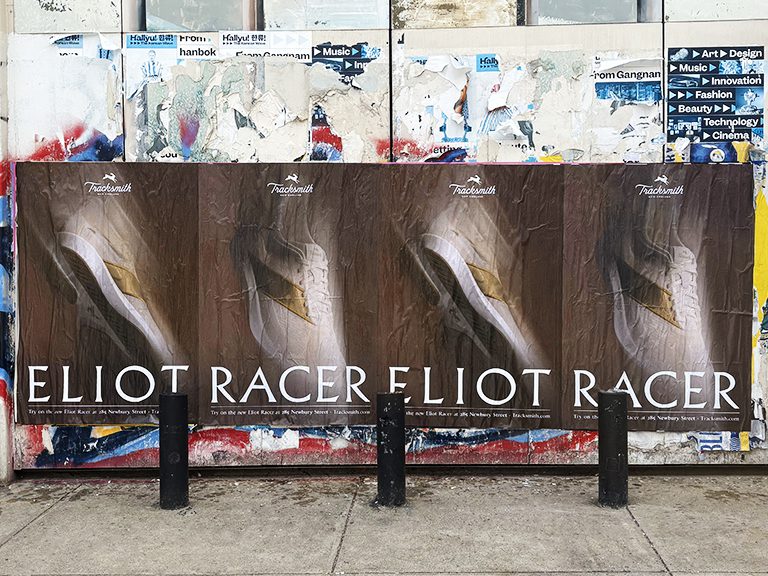
Every major city has neighborhoods where posters are part of the visual fabric. Lower East Side in New York. Fairfax in Los Angeles. Wicker Park in Chicago. These are places where music, culture, brand, and community intersect on walls. They are places where a well-executed poster campaign can reach exactly the right people at exactly the right moment.
We have been doing this work for years. We know these cities. We know the walls, the foot traffic patterns, the local permission networks, and the print specifications that deliver consistent results across different urban environments. This guide breaks down how poster campaigns work in cities, from size selection to placement strategy.
Why Cities Are the Natural Home of Poster Marketing
Outdoor poster marketing thrives in dense urban environments because density creates opportunity. When thousands of people move through a city block on foot every day, a well-placed poster reaches them repeatedly. Repetition builds recognition. Recognition builds action.
Digital advertising can target demographics with precision. But it cannot replicate the physical presence of a poster on the wall of a neighborhood that your audience actually lives in. The poster is not an ad they see on a screen. It is part of the environment they navigate. That creates a different kind of impression.
The neighborhoods where poster campaigns perform best tend to be walkable, culturally active, and dense with the specific demographics that clients want to reach. Williamsburg in Brooklyn. Silver Lake in Los Angeles. Lincoln Park in Chicago. Wynwood in Miami. The campaign geography needs to match the audience geography.
Why It Works: Urban poster campaigns work because cities are walkable, dense, and full of surfaces that carry visual information. A poster on the right wall in the right neighborhood reaches real people multiple times per day.
Standard Poster Sizes for City Campaigns
Not every size works the same way in an urban environment. The visual competition in a city is intense. Storefronts, transit signage, digital displays, murals, and other posters all compete for attention on the same block. Your poster needs to be large enough to hold its own.
Size
Best Urban Use
Typical Coverage per Day
11 x 17 in
Indoor venues, coffee shops, record stores
50 to 200 placements
18 x 24 in
Storefronts, event boards, exterior walls
30 to 100 placements
24 x 36 in
Street walls, construction hoardings
15 to 50 placements
36 x 48 in
Premium walls, high-traffic intersections
5 to 15 placements
For most urban campaigns, 24×36 is the anchor format. It delivers the visual weight needed to compete in a dense environment. It reads at 50 feet or more. And it is logistically practical enough to place at volume across a multi-block campaign area.
New York City: Poster Culture and Campaign Geography
New York is the most poster-saturated city in the United States. Decades of music, fashion, nightlife, and brand culture have turned certain neighborhoods into running poster zones. The Lower East Side, Williamsburg, Bushwick, the East Village, SoHo, and parts of Harlem all have strong poster cultures built into their physical infrastructure.
In New York, the combination of extremely high pedestrian density and a culturally engaged population makes poster placements exceptionally effective. A 24×36 on the right wall in Williamsburg reaches art directors, musicians, tastemakers, and trend-forward consumers multiple times per day as they walk to work, the subway, or their favorite spots.
The density of foot traffic in Manhattan means that even a relatively small number of well-chosen placements can generate significant exposure. We have run campaigns in New York with under 100 placements that delivered measurably stronger results than digital-only campaigns with far larger budgets.
Los Angeles: A Different Kind of Poster City
Los Angeles is a car city, but its cultural neighborhoods are extremely walkable and poster-friendly. Fairfax Avenue, Melrose, Abbot Kinney, Highland Park, and Silverlake are all zones where street poster culture is active and audiences are engaged.
LA’s sprawl means campaigns need to be more geographically targeted than in New York. You cannot saturate the whole city. You target the neighborhoods where your specific audience concentrates. A campaign for a streetwear brand runs heavy on Fairfax and Melrose. A campaign for a music release targets the clubs and coffee shops of Silverlake and Highland Park.
Size selection in LA also accounts for the visual environment differently than in New York. LA walls tend to be larger. The city has more single-story retail, more blank exterior surfaces, and more surface area per block than Manhattan. Larger formats like 36×48 can make more visual sense in LA neighborhoods where the wall space supports them.
Chicago: Midwestern Poster Culture
Chicago has a strong and underappreciated poster tradition. Wicker Park, Logan Square, Pilsen, and the music venues along North Broadway have sustained a poster culture built around music, art, and neighborhood identity for decades.
Chicago’s mix of walkable neighborhoods and distinctive architectural environments creates excellent opportunities for targeted poster campaigns. The city’s music scene, in particular, has always relied on street-level poster promotion. New touring acts and local artists both use poster campaigns as a primary promotional tool.
Winter in Chicago is a factor. Materials need to handle cold temperatures and precipitation without failing. We specify water-resistant substrates and weather-appropriate adhesives for Chicago winter campaigns. A poster that falls off the wall in January is wasted.
Other Key Poster Cities in the US
Beyond New York, Los Angeles, and Chicago, several other cities have strong poster campaign cultures that we work in regularly.
Miami
Wynwood is the obvious anchor. The neighborhood’s mural culture has created a visual environment where poster campaigns feel native and premium rather than out of place. Little Havana and Brickell serve different audiences with different campaign approaches. Miami’s year-round outdoor activity means posters stay visible longer without weather degradation, but heat and humidity require appropriate materials.
Austin
Austin’s music and tech culture creates a specific kind of audience that responds well to street-level poster campaigns. The Sixth Street corridor, the Domain, and the South Congress area are all active zones. During SXSW, poster campaigns reach a nationally and internationally concentrated audience of cultural influencers and industry insiders in a small geographic area. That concentration makes Austin campaigns during conference season exceptionally high-impact.
Nashville
Nashville’s growth as a music and lifestyle destination has created new poster campaign opportunities in neighborhoods like the Gulch, Germantown, and East Nashville. The city’s younger demographic skews toward experience-oriented consumption, making street-level marketing a strong fit.
Portland and Seattle
Both Pacific Northwest cities have strong independent music and arts cultures with running poster traditions. Pearl District in Portland and Capitol Hill in Seattle are natural anchor neighborhoods for most campaigns targeting these markets.
What Makes a Good City Poster Placement
Placement strategy is as important as poster size and design. Here is how we evaluate locations for urban poster campaigns.
Foot Traffic Volume
The goal is maximum exposure to the right audience. We look for locations with consistent, high foot traffic from the demographic the campaign targets. A great wall in a low-traffic location is less valuable than a modest wall in a high-traffic corridor.
Viewing Angle and Distance
The best placements are visible from a natural viewing angle as pedestrians approach. A poster facing directly onto a sidewalk with 10 to 30 feet of open space in front of it is ideal. Placements that require people to crane their necks or change direction to see are significantly less effective.
Competition and Context
A poster surrounded by visual clutter competes harder for attention. We look for walls where our placement can stand out rather than get lost. Sometimes a slightly less trafficked location with a clean visual environment outperforms a high-traffic location with heavy visual competition.
Surface Quality
The wall needs to accept the poster cleanly and hold it for the duration of the campaign. Rough, dirty, or structurally compromised surfaces lead to poor adhesion, premature peeling, and posters that look bad within days of placement.
Placement Rule: A great poster in a bad location is a wasted poster. We spend as much time thinking about where posters go as we do thinking about what they look like.
Poster Design for Urban Environments
City streets are visually loud. Competing with that noise requires design that cuts through rather than blends in. Here is how we think about poster design for urban campaigns.
Contrast and Legibility
High contrast between your poster and its background is essential. A bright yellow background on a gray concrete wall reads immediately. A white poster on a light-painted brick wall disappears. Think about the visual context before you finalize color choices.
Bold Typography
If your poster carries text, it needs to be readable from at least 20 to 30 feet. That means large, bold type with clear spacing. Decorative or script fonts that require close inspection to read are wrong choices for street campaigns.
One Dominant Message
Urban posters compete for half a second of attention as someone walks by. In that half second, your poster communicates one thing or it communicates nothing. Lead with one dominant visual or message. Support it with secondary information. Do not try to say five things at once.
Scale-Appropriate Design
A design that works at 18×24 does not automatically scale to 24×36 or 36×48 without adjustment. As the poster gets larger, design elements need to breathe more. What reads as comfortable spacing at 18×24 can feel cramped and cluttered at 36×48.
Print Specifications for City Poster Campaigns
Urban campaigns require posters that hold up in real conditions. Here are the specifications we use for different campaign contexts.
Campaign Type
Recommended Size
Material
Finish
Indoor venue saturation
11 x 17
80 lb. uncoated
Matte
Event promotion (mixed)
18 x 24
100 lb. coated gloss
Gloss
Outdoor street campaign
24 x 36
100 lb. coated + UV laminate
Satin
Premium outdoor installation
36 x 48+
Scrim vinyl or heavy stock
Matte or satin
City Poster Culture: How Different Markets Treat Street Advertising
Not every city has the same relationship with street poster advertising. The cultural attitude toward visual street marketing varies significantly by market, which affects everything from placement viability to campaign reception.
New York City
NYC has the deepest and longest-running poster campaign culture in the United States. From punk rock flyers in the 1970s to major fashion brand wheatpaste campaigns today, the city has a long history of street-level visual communication. The Lower East Side, East Village, and Williamsburg have specific wall traditions that regulars recognize and engage with. Brands that understand this history and participate with genuine visual quality earn a reception that out-of-place corporate posters never receive. New York audiences can smell the difference between a campaign that belongs and one that is just buying wall space.
Los Angeles
Los Angeles poster culture is concentrated in specific creative neighborhoods. The Fairfax District, Silver Lake, and Echo Park have running visual cultures that support strong poster campaigns. Outside these zones, poster campaigns in more residential or commercial LA neighborhoods receive less cultural reinforcement. The entertainment industry’s long tradition of using posters for film and music promotion has normalized the format in the city’s creative districts in ways that other US cities have not replicated.
Chicago
Chicago’s poster campaign culture centers on Wicker Park and Logan Square along the Milwaukee Avenue corridor. These neighborhoods have an active independent music and arts scene that produces and consumes street poster culture regularly. The Loop and River North are more conventionally commercial and do not have the same grassroots poster tradition, but they support professional-quality poster campaigns for brands with the right aesthetic.
Austin
Austin’s 6th Street entertainment district and the Red River Cultural District are high-density poster environments tied to the city’s music industry. South Congress Avenue draws a lifestyle consumer audience that engages well with street visual culture. Austin’s growing tech sector has introduced a new demographic that responds to tech brand poster campaigns in the South major OOH operators and East Austin neighborhoods.
Nashville
Nashville’s music industry has always generated poster culture around venues on Lower Broadway and the Gulch. The city’s rapid population growth has created new poster campaign zones in East Nashville and 12 South. The combination of tourism and a growing young professional population makes Nashville one of the more interesting emerging poster markets in the South.
What Happens After the Posters Go Up
The installation is the beginning, not the end. A city poster campaign has a life cycle that starts when the first poster hits the wall and ends when the last placement comes down or weathers out.
We document every placement with GPS-tagged photos taken the same day as installation. You see exactly where each poster landed, what it looks like on the surface, and what the surrounding visual environment is. That documentation goes to you within 24 to 48 hours of the installation day. No waiting a week for a recap.
During multi-week campaigns, we monitor placements and replace or refresh posters that get covered, damaged, or removed. Cities are dynamic. Walls change. A poster that was clean on Monday may be covered by the weekend. We track that and respond without waiting for you to notice.
The final recap covers total placements, a photo selection from key locations in each neighborhood, any installation notes worth knowing, and our honest assessment of which placements delivered the most visible presence. That assessment helps inform the next campaign in the same market.
Frequently Asked Questions
What size posters work best in cities?
24×36 inches is the standard for outdoor urban placements. It provides strong visual impact at street level and is readable from across most city sidewalks. For indoor venue placements, 18×24 or 11×17 are more appropriate depending on the available space.
Which cities are best for poster campaigns?
New York, Los Angeles, and Chicago have the strongest and most running poster campaign cultures in the US. Austin, Miami, Nashville, Portland, and Seattle are also active markets. The best city for your campaign is the one where your audience concentrates.
How many posters do I need for a city campaign?
For a meaningful presence in a single neighborhood, plan for 50 to 150 placements at 24×36. For a multi-neighborhood city campaign, 300 to 1,000 placements is a common range. The right number depends on your target geography, campaign duration, and budget.
How long do street posters last in a city?
With proper materials and adhesion, outdoor posters typically last two to four weeks in good weather conditions. Hot sun, rain, and humidity reduce that lifespan. Cold and dry conditions can extend it. We factor expected duration into our material recommendations for each market.
What neighborhoods are best for poster campaigns in New York?
Williamsburg, the Lower East Side, East Village, Bushwick, and SoHo are consistently strong performers for most campaigns. The right neighborhoods depend on your target audience. We match campaign geography to the specific demographic profile of the brand or project.
Do poster campaigns in cities work for national brands?
Yes. Many national brands use city poster campaigns specifically because they want to reach the tastemakers and cultural influencers who live in urban environments. A campaign in New York, Los Angeles, and Chicago at the same time can generate national cultural momentum that digital advertising cannot replicate.
What paper weight should I use for outdoor city posters?
100 lb. coated gloss is our baseline recommendation for outdoor urban placements. In wet markets or campaigns expected to run for more than two weeks, we recommend adding a UV laminate or specifying water-resistant inkjet media for better durability.