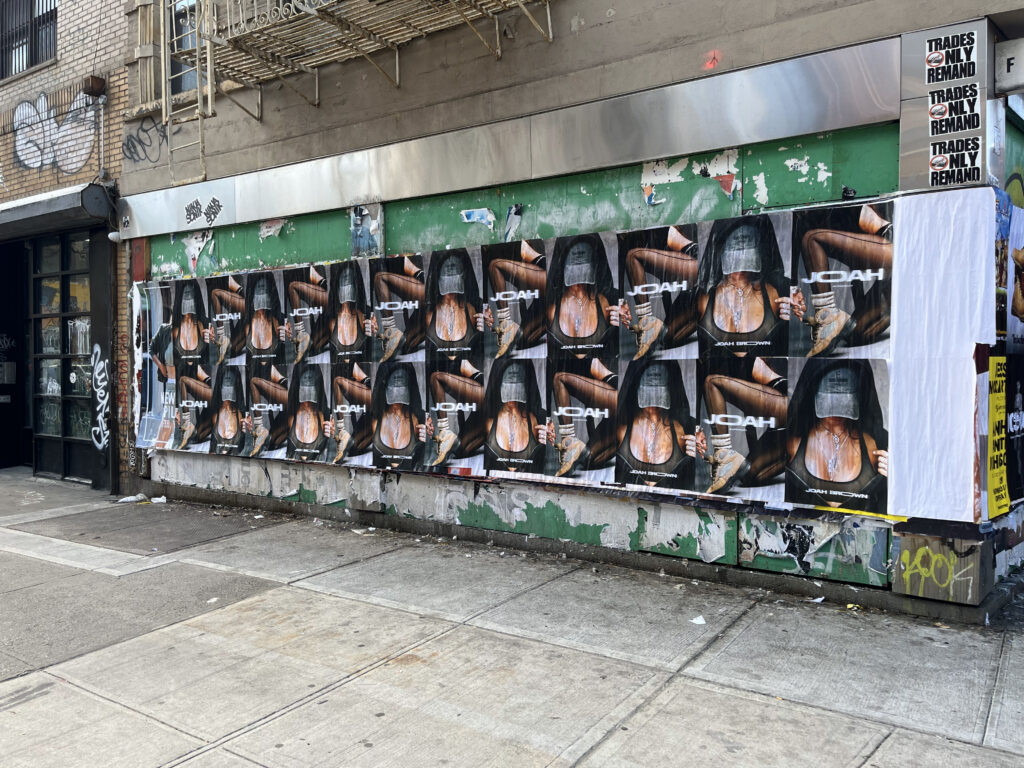
Outdoor advertising in Miami requires a different framework than any other major U.S. market. The city is not one audience — it is four, each with distinct geographic concentrations, cultural touchpoints, and brand relationships. It has seasonal events that compress international brand activity into specific windows and drive premium pricing for premium inventory. It has a photo-sharing culture that converts well-placed physical advertising into sustained digital earned media. And it has a street art environment in Wynwood that makes certain types of brand activation uniquely effective in ways that simply don’t exist in any other U.S. city.
American Guerrilla Marketing operates regularly in Miami across wheatpaste campaigns, street team programs, LED truck activations, and event-adjacent marketing for both local and national brands. This guide covers how we think about the Miami market, which neighborhoods and formats perform for which objectives, and what World Cup 2026 and Art Basel mean for campaign planning and pricing.
The Four Demographic Universes That Define Miami’s OOH Market
No other major U.S. market requires this kind of demographic stratification before planning an outdoor campaign. New York is primarily a resident city with domestic tourism overlay. Los Angeles is a sprawling, car-dependent market where street-level pedestrian advertising is constrained by how people move. Miami is different in structure: it layers four distinct audience segments on top of each other geographically, temporally, and culturally.
The Latin American Community
This is Miami’s largest and most deeply rooted population segment. Cuban-American, Venezuelan, Colombian, Argentine, and broader Latin American communities have shaped Miami’s culture, commerce, and neighborhood geography for decades. This audience concentrates in Little Havana, Hialeah, Doral, Sweetwater, and the southwestern neighborhoods of the metro. It has strong brand loyalties, a culture of community-based word-of-mouth, and a media relationship that includes Spanish-language TV, radio, and print alongside mainstream channels.
Brands targeting this community authentically — not through demographic assumption but through genuine community presence — achieve relationship depth that tourist-focused campaigns in Wynwood rarely match. The right approach: neighborhood-level activation in Little Havana and surrounding communities, Spanish-language creative where appropriate, and timing coordinated with community events and cultural moments.
The Domestic Anglo Market
The domestic non-Hispanic white population concentrated primarily in Miami Beach, Coconut Grove, Coral Gables, and parts of the Design District. This audience skews toward higher income and education levels, has strong brand relationships with premium consumer categories, and consumes media primarily in English. Street marketing for this segment focuses on Miami Beach pedestrian corridors, Brickell’s urban professional zone, and the Design District’s luxury retail environment.
The International Luxury Tourist Market
Year-round but peaking from December through April, this audience arrives primarily from South America (Brazil, Argentina, Colombia, Venezuela), Europe (UK, France, Italy), and Canada. International tourists have high per-trip spending, high social media documentation rates, and strong interest in the Miami brand — the city itself as an aspirational destination. This audience concentrates in Miami Beach (Lincoln Road, Ocean Drive, Collins Avenue), Brickell, and the hotel and nightlife clusters that define the luxury Miami experience.
The social sharing behavior of this audience makes it uniquely valuable for campaigns designed around earned media amplification. A well-photographed brand experience in the right Miami Beach location reaches the tourist’s home-country network through their documentation — creating organic international brand exposure without paid media.
The Creative Class and Content Creator Economy
The fastest-growing Miami audience segment and the one with the highest social media documentation rate. Concentrated in Wynwood, the Art District, parts of Little Haiti, and Brickell. This audience includes influencers, photographers, design professionals, and content creators who treat the Miami visual environment as source material for their feeds. They photograph murals, street art, branded activations, and interesting visual elements in their regular movement through the city.
Wynwood is the center of this ecosystem and is where outdoor advertising achieves its highest earned media multiplier in the entire U.S. market. A poster in Wynwood appears in hundreds of organic social posts over its lifespan, reaching far beyond the people who see it in person.
Why This Market Structure Changes Campaign Strategy
Most Miami campaigns fail to clarify which of these four audiences they’re targeting before selecting formats and locations. When you don’t know which audience you’re reaching, you default to the most visible and accessible option — which in Miami usually means Miami Beach or Wynwood. Both are legitimate choices for specific campaign objectives. Neither is automatically the right choice for all of them.
A campaign targeting the Latin American community that concentrates budget in Wynwood reaches the creative class, not the target. A campaign targeting the luxury tourist market that posts in Little Havana reaches a different audience. Understanding the geographic segmentation of Miami’s four major audiences is a prerequisite for allocating outdoor advertising budget effectively in this market.
Neighborhood Guide: Where Each Format Performs
Wynwood
The highest-earned-media-multiplier neighborhood in the U.S. for outdoor advertising. The area’s established street art culture means well-executed visual work gets photographed and shared by thousands of visitors and residents as a regular part of their experience of the neighborhood. Wheatpasted poster campaigns in Wynwood reach not just the people who walk past but the audiences of everyone who photographs and posts.
The challenge in Wynwood is production quality standards. In a neighborhood where the visual bar is set by professional muralists and major art installations, cheap or poorly designed street work stands out as incongruous rather than fitting. Campaigns in Wynwood should invest in creative quality proportionate to the neighborhood’s standards.
Miami Beach
The tourist corridor. Lincoln Road, the Ocean Drive approach streets, and the pedestrian zones connecting major hotels are the primary foot-traffic corridors for international visitors. Street team activations and brand ambassador programs on Miami Beach reach the highest concentration of international tourist spending power in the U.S. outside of Las Vegas.
Little Havana
The community neighborhood. Campaigns here are evaluated by the Latin American community on authenticity, not just visibility. Brands that enter Little Havana with Spanish-language materials, community-contextualized creative, and timing aligned with community events (the Calle Ocho corridor during festivals, for example) create genuine community relationships. Brands that treat it as just another posting zone underperform and sometimes create friction.
Brickell and the Design District
The urban professional and luxury retail zones. Brickell City Centre and the surrounding blocks have strong pedestrian traffic from the professional and financial services population. The Design District concentrates luxury retail and the upscale creative professional audience. Both are appropriate for campaigns targeting higher-income demographics with premium brand positioning.
The Art Basel Effect: What December Does to Miami OOH Pricing
Art Basel Miami Beach compresses international brand activation budgets into a 10-day window in early December. Every brand that wants to be visible to the global art world, luxury market, and creative class audience descends on Miami simultaneously. The result is a demand spike for outdoor advertising inventory in Wynwood, the Design District, and Miami Beach that drives premium pricing to 2-3x standard rates.
For brands that need Art Basel visibility, early reservation of premium posting locations (8-12 weeks in advance) is the practical approach — not because space runs out exactly, but because the best locations go to the first committed buyers and everything else is what remains. Budget for Art Basel campaigns at premium rates: $10,000-$25,000+ for meaningful Wynwood and Design District presence during the peak week.
The World Cup Effect: June-July 2026
FIFA 2026 brings Latin American national teams to Hard Rock Stadium in Miami during the tournament. For the Latin American fan communities in Little Havana, Doral, and the surrounding neighborhoods, the World Cup in Miami is a hometown event — an opportunity to watch their national teams play in the city where their community lives.
This creates a unique outdoor advertising opportunity: brands that establish presence in Miami’s Latin American neighborhoods during World Cup match weeks are activating for a community that is emotionally engaged at peak intensity. The social sharing, community gathering, and word-of-mouth amplification that happens in these neighborhoods during tournament weeks creates earned media value well beyond the physical placements.
Non-official sponsors can reach this audience effectively through poster saturation in Little Havana and Hialeah, LED truck routes on the approach corridors to fan viewing areas, and street team programs at community gathering points during match day windows.
Ambient Permanence: When a Miami Poster Becomes a Global Asset
Ambient permanence is the Miami-specific phenomenon where a well-placed physical advertisement accrues earned media impressions continuously through organic social documentation. Miami attracts global influencers, photographers, and content creators at higher rates than almost any other U.S. city. When these visitors document the Miami visual environment — street art, murals, activations, posters — they share that documentation with their home-country networks.
A brand poster in the right Wynwood location might appear in five hundred organic Instagram posts over a six-week run. Each post reaches that poster’s audience with zero incremental cost to the brand. The effective CPM for Wynwood poster placement, accounting for earned impressions, is substantially lower than the quoted rate suggests.
Designing for ambient permanence means: high visual quality, photographically interesting composition, and placement in the highest-documentation-rate locations rather than the highest-foot-traffic locations. Sometimes these overlap. Sometimes they don’t. Understanding the distinction is what separates effective Miami outdoor advertising from technically executed but functionally inert campaigns.
FAQ
What makes outdoor advertising in Miami different from other major U.S. markets?
Miami is not one advertising audience — it is four: the Latin American community, the domestic Anglo market, the international luxury tourist market, and the emerging creative class. Each segment has distinct geographic concentrations, media habits, and brand relationships. Campaigns that treat Miami as a single undifferentiated audience underperform consistently.
What are the best neighborhoods for street marketing in Miami?
Wynwood for earned media amplification and the creative class audience. Miami Beach for tourist reach. Little Havana for authentic Latin American community engagement. Brickell and the Design District for upscale professional and luxury audiences. Each serves different campaign objectives and requires different creative approaches.
How does Art Basel affect outdoor advertising inventory in Miami?
Art Basel (December) drives premium pricing for Wynwood, Miami Beach, and Design District inventory to peak levels — 2-3x standard rates. Budget for Art Basel campaigns at premium rates and reserve premium locations 8-12 weeks in advance.
How does World Cup 2026 affect outdoor advertising in Miami?
FIFA 2026 brings concentrated Latin American fan community activity during match weeks, amplifying the city’s existing soccer culture and creating premium demand for advertising in fan community neighborhoods and venue approach corridors. Plan World Cup Miami campaigns with the same lead time and budget premiums as Art Basel.
What outdoor advertising formats perform best in Miami?
Wheatpasted posters in Wynwood (very high social sharing rate), LED billboard trucks for corridor coverage, street team activations on Miami Beach and at Brickell City Centre, and branded activations adjacent to fan zones during major events.
What is ambient permanence in the context of Miami outdoor advertising?
Ambient permanence describes the phenomenon where a well-placed Miami poster becomes a recurring element in social media documentation by the global influencers, photographers, and content creators who visit Miami at high rates. A poster in the right Wynwood location may appear in hundreds of organic social posts over its lifespan, creating earned impressions far beyond its physical location.
How much does a professional outdoor advertising campaign cost in Miami?
A 50-location wheatpaste program in Wynwood and adjacent neighborhoods runs approximately $7,000-$12,000 including print, installation, and documentation. During Art Basel or World Cup windows, add 25-50% for premium location pricing. LED truck day rates run $1,500-$3,500 per unit depending on route and documentation requirements.
Frequently Asked Questions
What is outdoor advertising miami?
American Guerrilla Marketing provides outdoor advertising miami services across 50+ U.S. markets. Every campaign is planned, scouted, executed, and GPS-documented by our field teams. We work with regional brands and Fortune 500 companies on campaigns that require real street-level execution and documented proof of performance.
How does AGM approach advertising miami?
Our process starts with a market consultation to understand your goals, target audience, and budget. We then scout locations, handle any required permissions or permits, coordinate production and installation with our local crews, and provide a full GPS-tagged photo report after the campaign runs.
What markets does American Guerrilla Marketing cover for advertising miami?
We operate in 50+ U.S. markets including New York, Los Angeles, Chicago, Miami, Houston, Atlanta, Seattle, Denver, Boston, and dozens of secondary markets. Contact us to confirm availability and pricing for your specific market.
How much does a advertising miami campaign cost?
Campaign pricing depends on market, format, quantity, and duration. We work with budgets ranging from targeted single-market runs to national rollouts across multiple cities. Use our RFP Builder or contact us directly for a custom quote based on your specific campaign requirements.
How do I get started with advertising miami through AGM?
The fastest way to get started is to submit your campaign details through our RFP Builder at americanguerrillamarketing.com, or contact us directly at [email protected] or (646) 776-2770. Our team typically responds within one business day with availability and initial pricing.