
July 26, 2026
Mural Advertising NYC: Finding Walls, Negotiating Access, and Running a Legal Campaign
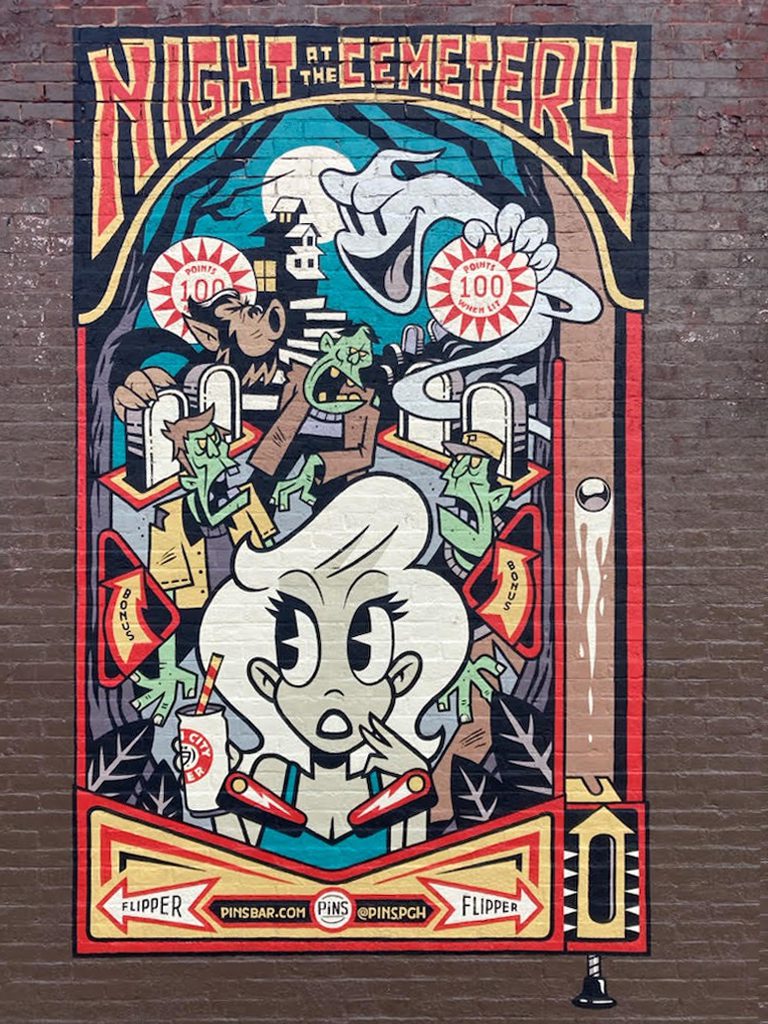
Mural advertising in New York City is one of the most visible and shareable formats available to brands that want a physical presence at scale. A well-executed mural in Williamsburg, SoHo, or the Lower East Side delivers millions of impressions from street-level foot traffic and generates ongoing social media content from consumers who photograph and share it. The challenge is getting there: finding the right wall, negotiating property access, navigating NYC’s sign regulations, and managing production so the final result actually matches the creative vision.
Our team at American Guerrilla Marketing executes mural advertising campaigns in New York and other major U.S. markets, managing the full process from wall scouting and property negotiation through production management and campaign documentation. This guide covers the complete process for brands that want to understand what is involved before committing to a mural program.
Mural advertising is not a quick-turn format. It requires careful planning, property negotiation, and production management that typically takes four to eight weeks from initial brief to completed mural. The investment is justified by the duration of exposure, the impression volume from high-foot-traffic locations, and the social amplification that well-designed murals consistently generate in New York’s culture-conscious neighborhoods.
Understanding the New York City Mural Advertising Landscape
NYC’s mural advertising market is more complex than most U.S. cities because of the density of desirable walls, the sophistication of property owners about the commercial value of their building surfaces, and the regulatory environment governing commercial signage in different zoning districts.
The Managed Wall Network
Several vendors maintain ongoing access agreements with property owners across New York’s high-demand neighborhoods, creating a managed network of available mural positions that brands can access through the vendor. These managed networks offer faster time-to-market than direct property negotiation, predictable access terms, and established production relationships. The tradeoff is that the available positions are shared across multiple brands sequentially, limiting the exclusivity and custom location selection that direct negotiation allows.
Direct Property Negotiation for Custom Walls
Brands seeking a unique, brand-specific location that is not available in a managed network pursue direct property negotiation. This involves identifying target walls through field scouting, researching property ownership through NYC property records, initiating outreach to property owners or managers, negotiating access terms and fees, and coordinating the legal and financial elements of a property access agreement. Direct negotiation produces the most distinctive results but requires four to eight weeks of lead time and specialized local knowledge. Our team handles direct wall negotiation as part of our full-service mural campaign management.
NYC Sign Regulations and Permitting
Commercial signage in New York City is regulated by the NYC Department of Buildings under the city’s Zoning Resolution. Painted wall signs that contain commercial advertising content and are visible from public rights-of-way may require a sign permit, and the permitting requirements vary based on the sign’s square footage, the zoning district classification of the property, and whether the building is in a designated scenic area or historic district. NYC’s sign regulations are among the most complex in the United States; campaigns that skip the permitting research create removal risk that wastes the entire production investment.
Scouting Walls in New York City
Wall scouting in New York requires field research, not just a map search. The qualities that make a wall ideal for mural advertising are often not visible from satellite imagery.
Physical Wall Requirements
The ideal mural advertising wall is large (minimum 400 to 600 square feet for meaningful visual impact), blank or nearly blank (existing signage, windows, or architectural elements reduce the usable painting surface), facing a high-foot-traffic direction (the visible face should be oriented toward the primary pedestrian flow), and free of obstructions that would block visibility from the street (trees, parked vehicles, temporary structures). Scouting visits at different times of day reveal lighting conditions, shadow patterns from adjacent buildings, and the actual foot traffic volume and pedestrian approach angles that determine how many people actually see the wall.
Neighborhood Assessment
Beyond the individual wall, the neighborhood context shapes whether a mural advertising campaign will perform as intended. Neighborhoods with high pedestrian traffic, active street life, and strong social media engagement produce substantially more impressions and social sharing than technically similar walls in lower-activity areas. Williamsburg on Bedford Avenue, Bushwick along Flushing Avenue, and SoHo along Prince and Spring Streets consistently outperform less trafficked neighborhoods on impression volume and social sharing rates.
Ownership Research and Initial Outreach
Once a target wall has been identified through field scouting, ownership research through NYC’s ACRIS property database and the Department of Finance’s property lookup tools identifies the current property owner and any management company contacts. Initial outreach begins with a direct communication to the property owner or manager explaining the mural program, the anticipated visual design, the campaign duration, the proposed access fee, and the full restoration commitment at campaign end. Our team manages this outreach process and draws on our existing property owner relationships to reduce negotiation timeline.
Negotiating Property Access
Property access negotiation for mural advertising is a commercial real estate transaction with creative components. Property owners are negotiating the use of their building’s exterior, which affects curb appeal, neighborhood perception, and potentially their other tenants’ satisfaction with the building’s appearance.
Access Fee Structures
Property access fees in New York City vary significantly by neighborhood, wall visibility, and wall size. Premium positions in Williamsburg, SoHo, and the Lower East Side command monthly access fees in the range of $5,000 to $15,000 for high-visibility large walls. Less premium positions in outer Brooklyn, Queens, or less-trafficked Manhattan neighborhoods are available for $1,500 to $5,000 per month. Longer-term agreements (six to twelve months) typically offer better monthly rates than short-term campaigns. Negotiated terms should be documented in a formal license agreement covering access dates, permitted use, production access requirements, and restoration obligations.
Production Access Coordination
Mural production requires physical access to the exterior of the building: scaffolding for taller walls, lift equipment for walls that cannot be reached from the ground, and sometimes coordination with building residents or tenants who may be affected by scaffolding placement or painting activities. These access requirements must be explicitly negotiated in the property agreement and coordinated with the production team before a production schedule is finalized.
Restoration Commitment
Every mural property access agreement must include a clear restoration commitment: the brand or campaign manager is responsible for restoring the wall surface to its pre-campaign condition at campaign end. For painted murals, restoration means painting over the campaign imagery with a matching base coat. For vinyl murals, restoration means complete vinyl removal with no adhesive residue. Restoration obligations are typically bonded, with a deposit held by the property owner and returned after satisfactory restoration is confirmed.
Mural Production: Painted vs. Vinyl
The production method chosen for a mural advertising campaign has a significant impact on the final visual result, the timeline, and the cost.
Painted Murals: Craft and Cultural Resonance
Painted murals are produced on-site by professional muralists working from the campaign’s approved design. The hand-crafted nature of painted murals gives them a visual quality that is distinct from digitally printed media, and they carry cultural associations with artistic authenticity that vinyl murals do not share. In neighborhoods like Bushwick and Williamsburg where street art culture is strong, painted murals can integrate into the neighborhood aesthetic in a way that enhances rather than disrupts the visual environment. Production time for a large painted mural typically runs three to seven days depending on complexity, wall size, and weather conditions.
Vinyl Murals: Precision and Speed
Vinyl murals are produced as large-format digital prints and installed on the wall surface using outdoor-grade adhesive vinyl. Vinyl production allows exact color matching to brand standards, complex photographic imagery, and rapid production timelines. A vinyl mural can be produced in two to three days and installed in one to two days, versus a week or more for a comparable painted mural. Vinyl is the standard choice for campaigns requiring precise brand color reproduction, complex photographic content, or short-duration placements where painted production cost cannot be amortized over a long campaign period. Our poster and large-format campaigns use vinyl production methods calibrated to each location’s requirements.
High-Performing NYC Mural Advertising Neighborhoods
Not all neighborhoods in New York City deliver equal value for mural advertising investment. Understanding the specific characteristics of the highest-performing neighborhoods guides both wall selection and budgeting decisions.
Williamsburg, Brooklyn
Williamsburg is the most established mural advertising market in New York, with a well-developed inventory of available walls, a consumer demographic that skews young, creative, and affluent, and among the highest social sharing rates of any neighborhood in the city. The Bedford Avenue corridor and surrounding blocks produce strong branded mural impressions for consumer brands targeting 22-to-40 demographics. Our office at Industry City in Brooklyn puts our team in direct proximity to the Brooklyn mural market and its property owner relationships.
SoHo and the Lower East Side
SoHo’s combination of premium retail, tourist foot traffic, and fashion and lifestyle brand presence makes it one of the highest-value mural advertising locations in the U.S. Large walls on Prince, Spring, and Houston Streets deliver fashion brand and premium consumer brand impressions to a global audience of tourists alongside New York’s high-income resident consumer base. The Lower East Side offers lower access costs than SoHo with strong foot traffic and cultural relevance for brands targeting younger urban demographics.
Long Island City, Queens
Long Island City has emerged as a significant mural destination over the past decade, with large-scale murals visible from the 7 train approaching the Queensboro Plaza station and from the waterfront parks along the East River. The LIC mural market offers larger walls at more accessible price points than Manhattan or Williamsburg locations, with strong regional visibility from the transit corridors that pass through the area.
Campaign Documentation and Impression Reporting
Mural advertising campaigns at high-visibility locations generate substantial impression volumes that should be documented for ROI reporting and future budget justification. Our team provides campaign documentation and impression reporting for all mural advertising campaigns we manage, including guerrilla marketing services documentation that meets brand marketing team reporting standards.
Foot Traffic and Impression Estimation
Impression estimates for mural advertising are generated using pedestrian count data for the specific block, visibility radius analysis based on wall orientation and street width, and day-part weighting based on when foot traffic is highest. For walls visible to vehicle traffic as well as pedestrians, vehicle impression estimates use traffic count data from the relevant block. Comprehensive impression estimates covering both pedestrian and vehicle exposure are included in campaign documentation.
Social Media Monitoring
Branded and location-tagged social media posts featuring the mural extend the campaign’s documented reach beyond physical impressions. Social media monitoring throughout the campaign period captures user-generated content, hashtag mentions, and tagged location posts associated with the mural. This organic social reach is documented in the campaign wrap report as supplementary to the physical impression estimate.
Frequently Asked Questions
How do you find legal mural advertising walls in New York City?
Legal mural advertising walls in NYC come from two primary sources: managed mural networks where a vendor maintains relationships with property owners and handles placement logistics, and direct property owner outreach for brands seeking custom, one-of-a-kind wall locations. Scouting involves identifying buildings on high-foot-traffic blocks with large, unobstructed blank walls, then researching property ownership through NYC property records and initiating outreach.
Does mural advertising in NYC require a permit?
Mural advertising with commercial content in NYC may require a sign permit from the NYC Department of Buildings, particularly for painted wall signs on buildings adjacent to public rights-of-way. Requirements depend on the sign’s dimensions, whether it contains commercial advertising content, and the zoning district of the property. NYC’s sign regulations are among the most complex in the U.S.; working with an agency experienced in NYC permitting is strongly advisable.
How much does a mural advertising campaign cost in New York City?
Costs vary significantly based on wall size, neighborhood, production complexity, and campaign duration. Property access fees in premium Manhattan and Brooklyn neighborhoods run $3,000 to $15,000 per month depending on location quality and visibility. Mural production (painting by professional muralists or vinyl application) ranges from $5,000 to $30,000+ depending on size and design complexity. A full campaign including access, production, and management typically runs $15,000 to $60,000.
What neighborhoods in NYC have the best mural advertising walls?
Williamsburg and Bushwick in Brooklyn are the most established mural corridors in NYC, with high foot traffic and a culture that embraces large-format street art and branded murals. SoHo and the Lower East Side in Manhattan offer premium visibility walls with high pedestrian and tourist foot traffic. Long Island City in Queens has emerged as a significant mural destination. Walls in these areas command premium access fees but deliver strong impressions and social sharing rates.
How long does a mural advertising campaign last in NYC?
Campaign duration is determined by the property access agreement with the building owner. Short-term campaigns typically run four to twelve weeks. Long-term placements of six months to one year are available at some properties and typically offer better cost efficiency on a per-impression basis. Vinyl mural applications can be removed and replaced more easily than painted murals, making them better suited for shorter-term campaigns.
What is the difference between a painted mural and a vinyl mural for advertising?
Painted murals are produced on-site by muralists and have a handcrafted quality that is visually distinct from digital reproduction. They require more production time (typically three to seven days for a large wall) but can achieve results not possible with printed media. Vinyl murals are produced digitally and installed as large-format printed material, allowing precise color reproduction and complex imagery. Vinyl installs faster, is easier to remove, and is better suited for shorter campaign durations or campaigns requiring exact brand color matching.

Ready to Run Your Campaign?
Call us or email us. We’ll tell you exactly what we can do in your market and what it costs.
Related Services
Explore similar advertising solutions offered by American Guerrilla Marketing.
American Guerrilla Marketing — Los Angeles
Street-level campaigns in Los Angeles and nationwide. Wheatpasting, LED trucks, street teams, and more.
(646) 776-2770
Related Articles
-
Street Poster Advertising Ottawa: A Complete Campaign Guide
September 17, 2026
-
Activation Marketing: How Brands Win at Street Level
September 13, 2026
-
Experiential Marketing Firms Chicago | American Guerrilla Marketing
September 12, 2026
-
Pop Up Experiential
September 12, 2026
-
Mobile Pop Up
September 12, 2026