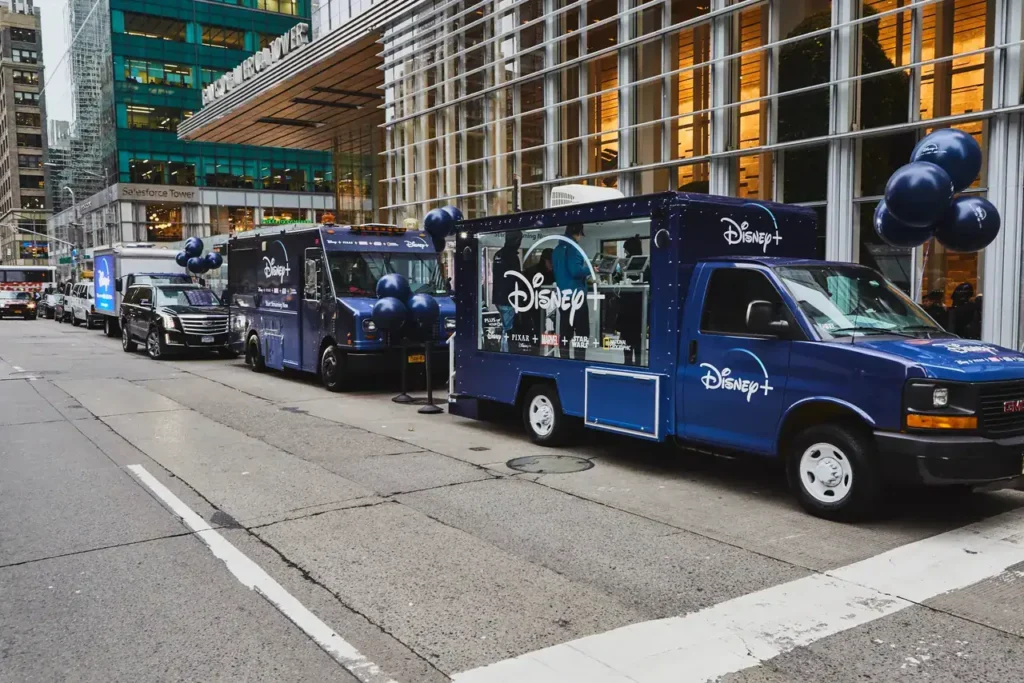
Retail is not dying. Fixed retail is being disrupted. The brands that are gaining market share aren’t abandoning physical retail. They’re rethinking what physical retail is allowed to be, including where it shows up, how long it stays, and how it makes customers feel when they encounter it.
The mobile pop up shop is one of the clearest expressions of this shift. Instead of waiting for customers to come to a fixed location, a mobile pop up brings the brand experience directly to where target customers already spend their time. It creates shopping moments in unexpected places, generates social content through novelty and surprise, and gives brands market testing capability that permanent retail infrastructure can’t offer without enormous cost and commitment.
This guide covers what makes a mobile pop up shop strategy effective, how to plan and execute one well, and how to integrate it into a broader brand marketing campaign that multiplies the activation’s reach and impact.
Why Mobile Pop Up Shops Are Changing Retail Strategy
The mobile pop up shop represents a fundamental shift in retail logic. Traditional retail is built around attraction: design a store that draws customers in from the surrounding foot traffic. Mobile retail is built around interception: appear where customers already are and create a shopping opportunity that didn’t exist before.
The Scarcity Advantage
Nothing in retail drives urgency like scarcity, and nothing creates scarcity more naturally than a mobile pop up that’s only here until Thursday. Consumers who know an experience is temporary make purchase decisions faster, browse more intently, and share their experience more immediately than they would in a permanent retail environment. The knowledge that this opportunity won’t be here next week accelerates every consumer behavior that retail depends on.
Market Expansion Without Infrastructure Cost
For brands testing a new city or neighborhood, a mobile pop up delivers market intelligence and direct sales without the lease commitment, build-out cost, and operational complexity of a permanent location. A well-executed mobile tour of five cities generates meaningful data about market response, product mix performance, and price sensitivity in each market at a fraction of the cost of establishing five permanent locations.
Social Content Generation
A striking mobile pop up shop in an unexpected location is inherently shareable. Customers photograph the vehicle, the display, their purchases, and their experience. They tag the brand, share to their networks, and generate earned media that extends the activation’s reach far beyond the immediate audience. For brands building social presence, mobile pop ups are content generation engines as much as retail vehicles.
Planning a Mobile Pop Up Shop Strategy
Successful mobile pop up shops are not spontaneous. They’re carefully planned operations with clear objectives, detailed logistics, and marketing strategies that drive awareness and traffic before the pop up even opens.
Defining Campaign Objectives
Mobile pop ups can serve different primary objectives: direct revenue, brand awareness, new market testing, product launch support, lead generation, or social content creation. The objective determines almost every other planning decision, from location selection to merchandise mix to staffing to measurement. Clarity on primary objective before beginning logistics planning prevents the decision conflicts that undermine execution.
Location Research and Selection
Location is the most critical planning variable for a mobile pop up. The right location puts the brand in front of a self-selected audience with high demographic fit. The wrong location creates an expensive exercise in converting uninterested pedestrian traffic. Location research should consider pedestrian volume, demographic profile of the surrounding area, competitive retail presence, permit accessibility, and logistical factors like parking and power access.
Event Integration
Positioning a mobile pop up adjacent to or within an existing event dramatically reduces the traffic generation challenge. Farmers markets, street fairs, music festivals, outdoor fitness events, and neighborhood celebrations attract self-selected consumer audiences with disposable income and time to browse. Building an event calendar into the mobile pop up schedule creates predictable high-traffic opportunities at every stop.
Permit Planning
Permit requirements for mobile retail vary significantly by city and location type. Street vending permits, sidewalk use permits, business licenses, and occasionally health department approvals create a regulatory landscape that must be navigated before the pop up arrives at any location. Building permit lead time into the planning calendar prevents last-minute location changes that undermine the marketing effort.
Designing the Mobile Pop Up Experience
The physical design of a mobile pop up shop determines the quality of the customer experience and the social content it generates. Investment in design is investment in both conversion and earned media.
Vehicle and Structure Selection
The vehicle choice communicates brand positioning before a single product is displayed. An Airstream trailer suggests a different brand aesthetic than a converted shipping container or a wrapped step van. The structure should align with the brand’s visual identity and create a visual experience that works at both 100 feet (catching attention from a distance) and 5 feet (drawing customers inside).
Interior Layout and Merchandising
The interior of a mobile pop up should function as a compressed boutique: organized, visually compelling, and easy to navigate in a small footprint. Merchandising decisions, including which products to feature, how to organize display, and how to create clear purchase paths, directly affect conversion. Less is generally more in small retail footprints; curated assortments outperform cluttered inventory displays.
Instagrammable Moments
Designing specific moments within the pop up that are photographically compelling creates social content that generates itself. A distinctive backdrop, a branded product display wall, or a creative interactive element that begs to be photographed turns every customer into a content creator. These design elements don’t need to be expensive; they need to be intentional and visually distinctive.
Marketing a Mobile Pop Up Shop
The best pop up in the world fails without an audience. Driving traffic to a temporary retail location requires a multi-channel marketing approach that builds anticipation, communicates location clearly, and creates urgency around each appearance.
Social Media Location Strategy
Social media is the primary channel for mobile pop up location announcements. Building a following specifically engaged with location updates creates a ready audience for each appearance. Instagram Stories, TikTok location posts, and neighborhood-targeted Facebook posts all reach audiences who are geographically positioned to visit. The key is consistent location announcement across all channels in the 24 to 48 hours before each stop.
Email and SMS Location Alerts
Email and SMS lists built around location notification opt-ins represent the highest-intent customer segment a mobile pop up can reach. These are consumers who have explicitly asked to know when the pop up is near them. Building and maintaining this list is a long-term asset that compounds in value across every subsequent appearance.
Street Team Pre-Seeding
Deploying a street team in the target neighborhood 1 to 2 hours before a pop up opens creates awareness among people who aren’t on the brand’s digital channels. Flyers, direct engagement, and directional signage from the street team to the pop up location captures the organic foot traffic that digital marketing doesn’t reach.
Guerrilla Marketing Integration
Coordinating wheatpaste poster campaigns, sidewalk stencils, and other guerrilla tactics in neighborhoods where the mobile pop up will appear creates brand presence and wayfinding that drives traffic even without direct consumer contact. Guerrilla marketing around a pop up stop transforms the immediate environment into a brand experience before the doors open.
Staffing a Mobile Pop Up Shop
The staff running a mobile pop up shop carry the entire guest experience. In a small footprint with limited time to create impression, every interaction matters more than it would in a permanent retail environment with more customer contact time and more staff to cover gaps.
The Right Profile for Pop Up Staff
Pop up staff need to combine retail sales skill with brand ambassador energy. They’re greeting cold traffic that often didn’t plan to stop, creating engagement with people who might have walked by without the right approach, and converting that engagement into both purchases and social content. This requires confidence with strangers, genuine product enthusiasm, and the ability to create a welcoming atmosphere in an unfamiliar setting.
Training for the Mobile Context
Mobile retail creates specific training requirements beyond standard service preparation. Staff need to understand setup and breakdown procedures, outdoor operation protocols, mobile POS operation, crowd management during high-traffic periods, and how to handle the logistics challenges that fixed retail doesn’t produce. Training for these realities before the first deployment reduces the friction that inevitably shows up on day one.
Measuring Mobile Pop Up Performance
Mobile pop up shops generate measurable data at every stop that should inform both ongoing optimization and the business case for continued investment.
Revenue and Units Per Hour
Revenue per hour at each stop, combined with units sold, average transaction value, and product mix data, creates a performance baseline that improves route and location planning over time. Stops that consistently underperform should be replaced with better options. Stops that consistently exceed targets should be scheduled more frequently.
Social Impressions and Content Generated
Tracking brand hashtag usage, tagged posts, and follower growth during and immediately after pop up appearances quantifies the social media value of each activation. For brands where brand awareness is a primary objective, social metrics may carry more weight than direct revenue in the performance evaluation.
Customer Acquisition and Lifetime Value
Email and SMS opt-ins collected at each stop feed the long-term customer acquisition pipeline. Tracking the downstream purchase behavior of customers acquired through mobile pop up appearances, including online purchase rates, repeat purchase frequency, and average order value, creates lifetime value data that makes the case for pop up investment in language that finance teams understand.
Frequently Asked Questions
What is a mobile pop up shop?
A mobile pop up shop is a temporary retail or brand experience built inside or around a vehicle, trailer, or portable structure that can be transported and set up at different locations. It combines the flexibility of mobile operations with the immersive quality of a physical retail environment.
How is a mobile pop up shop different from a standard pop up shop?
A standard pop up shop occupies a fixed temporary location. A mobile pop up shop can move between locations, markets, events, and neighborhoods, dramatically expanding reach and creating novelty with each new stop.
What types of brands benefit most from mobile pop up shops?
Direct-to-consumer brands without physical retail, established brands testing new markets, fashion and beauty brands, food and beverage brands, fitness and wellness companies, and tech hardware brands all benefit significantly from mobile pop up retail strategies.
How do I drive traffic to a mobile pop up shop?
Effective traffic drivers include social media location announcements, email and SMS list alerts, street team pre-seeding in the neighborhood, guerrilla marketing tactics like poster and stencil campaigns, press and influencer outreach, and event integration.
What permits do I need for a mobile pop up shop?
Permit requirements vary by city and location type. Street vending permits, business licenses, temporary structure permits, and parking and sidewalk use permits are commonly required depending on the activation location.
How does American Guerrilla Marketing support mobile pop up activations?
Our team provides location scouting, street team support, permit coordination, brand ambassador staffing, and integrated guerrilla marketing campaigns that drive foot traffic to mobile pop up shops across 50+ U.S. markets.