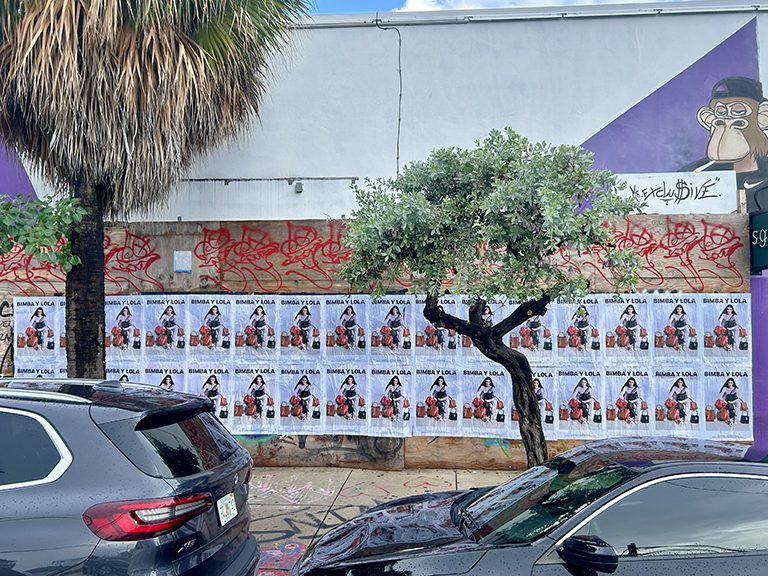
Miami is one of the highest-value convention markets in the United States, and it operates differently from most other major convention cities. The Miami Beach Convention Center sits in the middle of one of the country’s most visually saturated, culturally active environments, which means that conventional advertising approaches get lost in the existing noise. Brands that break through in Miami do it with street-level campaigns that meet the city’s aesthetic standards and deploy with the kind of precision that turns foot traffic into genuine brand moments.
Our team has run campaigns across Miami and Miami Beach for entertainment companies, fashion brands, technology platforms, food and beverage groups, and event organizers tied to the city’s major annual conventions. The geography of Miami convention marketing is more complex than most cities because the audience disperses across several distinct neighborhoods during evenings and free periods. This guide maps those neighborhoods, identifies the formats that work in each, and explains how we build campaigns that cover the full attendee geography.
From the Miami Beach Convention Center’s convention corridors to Wynwood’s wall-art culture and Brickell’s financial district hotel cluster, understanding where convention attendees actually go in Miami is the foundation of a campaign that delivers results rather than just street presence.
The Miami Convention Market: Key Venues and Attendee Flows
The Miami Beach Convention Center on 17th Street in Miami Beach is the city’s primary convention venue, with approximately 500,000 square feet of exhibition space and a renovation completed in 2018 that positions it among the best-equipped convention facilities in the Southeast. Major recurring events include industry trade shows in finance, technology, healthcare, beauty, and automotive sectors, alongside the cultural events that define Miami’s international profile: Art Basel Miami Beach in December and related satellite fairs that draw art industry professionals from around the world.
The PortMiami cruise terminal and the James L. Knight Center in Downtown Miami handle additional convention and event volume, bringing attendees into the Brickell and Downtown zones rather than Miami Beach. Campaigns serving PortMiami or Knight Center events require a different geographic footprint than MBCC campaigns, with deployment focusing on Brickell Avenue, Biscayne Boulevard, and the Downtown Miami restaurant and bar district along Flagler Street and Bayside.
How Miami Convention Attendees Move
Miami Beach convention attendees typically stay in the hotels clustered near the MBCC on Collins Avenue and Washington Avenue. Evening movement follows three primary patterns: toward Lincoln Road’s pedestrian mall for dining and retail, toward Ocean Drive for nightlife, or across the MacArthur Causeway into Downtown Miami and Wynwood for cultural exploration. Understanding these movement patterns is the foundation of the campaign map we build for every Miami convention program.
Primary Campaign Zones for Miami Convention Marketing
Miami Beach Convention Center Perimeter
The blocks surrounding the MBCC on 17th Street, Washington Avenue, and Meridian Avenue generate the highest-concentration foot traffic from convention attendees during event hours. Street team activations at the convention center’s pedestrian exits and on the approach streets deliver direct brand contact during the high-movement windows between sessions. Sidewalk stencil programs on the approach routes from the hotel cluster create repeated impressions on the daily hotel-to-convention commute.
Lincoln Road and South Beach
Lincoln Road is Miami Beach’s outdoor shopping and dining pedestrian mall and the default evening destination for convention attendees who want dinner and retail without crossing to the mainland. The pedestrian traffic on Lincoln Road from 17th Street west to Alton Road peaks from 6pm to 10pm during major convention weeks. Wheatpaste poster campaigns on the building surfaces flanking Lincoln Road generate repeated evening impressions from the same convention audience over multi-day events. Street team deployment on the Lincoln Road mall itself requires coordination with Miami Beach’s public space permitting process, which we handle as part of campaign planning.
Wynwood
Wynwood is Miami’s primary street art and creative culture district, and it draws a significant portion of convention attendees from creative, fashion, technology, and design industries who seek authentic cultural experiences outside the convention center environment. The walls and building surfaces in Wynwood create a natural context for poster campaigns that is more receptive to bold creative work than most urban advertising environments. Brands that want to be associated with Miami’s creative scene deploy in Wynwood as a primary campaign zone.
Brickell and Downtown Miami
The Brickell neighborhood on Brickell Avenue south of Downtown Miami is Miami’s financial district and the primary location for hotel overflow from major conventions, particularly those drawing finance, technology, and professional services audiences. Brickell’s dense population of business travelers during major convention weeks, combined with the neighborhood’s upscale restaurant and bar scene, creates a concentrated audience for evening activations. LED billboard truck routes on Brickell Avenue and along Biscayne Boulevard provide coverage of the Brickell-to-Downtown commute corridor that convention attendees travel repeatedly.
Wheatpaste Campaigns in Miami
Miami’s wheatpaste poster environment is shaped by the city’s street art culture, particularly in Wynwood and parts of the Design District, where large-format imagery on building surfaces is a native visual element rather than an intrusion. This cultural context makes Miami one of the highest-quality markets for wheatpaste campaigns provided the creative meets the city’s visual standards.
Miami’s climate creates specific material considerations for wheatpaste campaigns. Heat and humidity accelerate paste degradation relative to northern markets. We use materials and adhesive formulations rated for Florida outdoor conditions and schedule placement timing to avoid periods of peak rain probability during active campaign windows. Campaigns during summer months require more aggressive paste formulation and may need more frequent refreshing than fall or winter campaigns.
Art Basel and Miami Art Week Campaigns
Art Basel Miami Beach in December is the single highest-value convention marketing window in Miami, drawing an audience of art world professionals, collectors, gallerists, curators, and lifestyle media from around the world. Campaigns timed to Art Basel require six to eight weeks of lead time because surface inventory and crew availability in Wynwood, the Design District, and Miami Beach compress significantly in the months before the event. The audience for Art Basel is among the most sophisticated in any U.S. convention market, which means creative quality requirements are higher than for standard trade show campaigns.
Street Team Operations in Miami
Street team activations in Miami require compliance with Miami Beach’s public space regulations for commercial promotion. Miami Beach has specific ordinances governing the distribution of promotional materials and the operation of commercial street teams in the public way. We research current requirements and file applicable permits as part of campaign setup. Street teams operating on private commercial property, including hotel lobbies with operator permission, restaurant outdoor seating areas, and shopping center plazas, require written permission from the property operator.
Our brand ambassador teams in Miami are staffed for the bilingual English-Spanish environment that Miami’s population requires. For campaigns targeting international Art Basel or fashion week attendees, multilingual team capability can be arranged.
LED Billboard Trucks in Miami
Mobile LED billboard trucks in Miami provide route coverage across the dispersed geography of the Miami convention market. Standard LED truck routes for MBCC convention campaigns cover the Collins Avenue hotel corridor, the MacArthur Causeway connecting Miami Beach to Downtown, Biscayne Boulevard through Downtown Miami, Brickell Avenue, and a Wynwood loop covering NW 2nd Avenue and the primary gallery corridor. Evening deployment timing aligns with the convention audience’s movement to dinner and entertainment destinations from approximately 6pm to midnight.
Timing Miami Convention Campaigns
Campaign deployment for Miami convention programs should begin one to two days before the first full convention day and run through the final day or evening. For conventions that generate significant move-in or preview activity in the day before the official opening, beginning deployment during that move-in window captures the advance audience before the main convention population arrives. For Art Basel specifically, the satellite fair preview days beginning three to four days before the main fair opens are among the highest-value deployment windows of the entire event cycle.
Frequently Asked Questions
What is convention marketing in Miami?
Convention marketing in Miami refers to street-level brand campaigns targeting attendees at the Miami Beach Convention Center, PortMiami, and events across Miami’s Brickell, Wynwood, and South Beach districts. Formats include wheatpaste posters, street team activations, LED billboard trucks, and sidewalk stencils deployed across the high-foot-traffic corridors that convention attendees travel between venues and hotels.
What neighborhoods are best for Miami convention marketing?
The zone around the Miami Beach Convention Center on Collins Avenue, South Beach’s Ocean Drive and Lincoln Road, Brickell for financial and technology conventions hosted in Downtown Miami, and Wynwood for creative and design industry events are the primary campaign zones for Miami convention marketing.
How long does it take to launch a Miami convention marketing campaign?
We recommend four to six weeks of lead time from brief to first deployment for Miami convention campaigns. Campaigns tied to Miami Art Week, Art Basel, or major trade shows should allow six to eight weeks because surface inventory and crew availability tighten significantly during those periods.
What formats perform best for Miami street-level campaigns?
Wheatpaste poster campaigns in Wynwood, street team activations along Collins Avenue and Lincoln Road, LED billboard trucks on Biscayne Boulevard and Brickell Avenue, and sidewalk stencils on the pedestrian approaches to convention venues are the highest-performing formats for Miami convention campaigns.
Does American Guerrilla Marketing run campaigns in Miami?
Yes. We run street-level campaigns in Miami and across 50+ U.S. markets. Our team scouts locations, secures surface permissions, deploys crews with GPS tracking, and delivers full geo-tagged documentation for every campaign. Reach us at (646) 776-2770 or through our contact page.