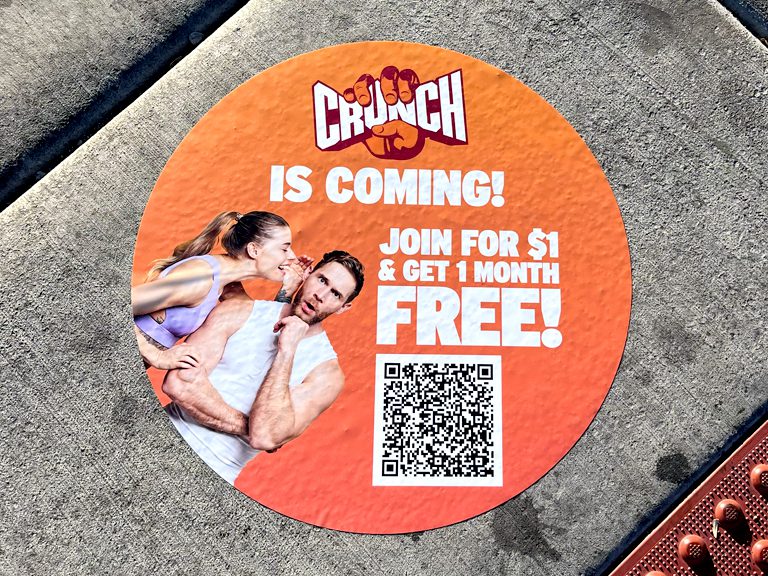
Lifestyle adverts sell a way of being, more than a product. They show people what their life could look like. They create aspiration without making people feel inadequate. The best lifestyle advertising makes you think: I want to be around that. I want to feel like that. I want to be part of that world.
We build lifestyle-oriented campaigns for brands across fashion, food and beverage, fitness, travel, and culture. The strategy is different from product advertising. You are not listing features. You are painting a picture. The picture has to be vivid enough to create real desire, honest enough to feel genuine, and specific enough to connect with the right audience.
This guide breaks down how lifestyle advertising works, what formats carry it best, and how to execute campaigns that actually resonate rather than just look good on a mood board.
The best lifestyle adverts share a few common qualities. They are specific, not generic. They feel real, not staged. They show the audience at their best, not an unrecognizable fantasy version of themselves. And they are placed where that audience actually spends time.
Generic lifestyle advertising fails because it could be for anyone. A beautiful photograph of a person on a mountain with no connection to a real audience or a real community does not land. It is wallpaper. The people who see it do not connect it to themselves because the image is too abstract to feel personal.
Specific lifestyle advertising works because it mirrors something the audience already identifies with. An ad that shows someone biking down Prospect Park West in Brooklyn on a sunny morning, coffee in hand, with headphones in, that resonates with the exact person who does that every Sunday. It does more than show a lifestyle. It shows their lifestyle. That specificity creates connection in a way that generic imagery never can.
The Role of Place in Lifestyle Advertising
Place matters enormously in lifestyle advertising. The setting of a lifestyle advert sends signals about who the brand is for and what world they inhabit. A campaign set on the streets of the East Village tells a different story than one set in the Hamptons. Neither is wrong. But both are very deliberate choices that communicate identity.
When we run outdoor lifestyle campaigns, we choose placement locations that reinforce the visual world of the creative. A fitness lifestyle campaign placed on running paths along the Hudson River in New York is more than advertising to runners. It is placing the brand inside the actual lifestyle it is selling. That contextual alignment creates authenticity that no digital ad can replicate.
Lifestyle Advertising Is About Identity, Not Features
Nobody buys a pair of running shoes because they were told the foam is 18% more responsive. They buy them because they saw someone like them looking strong and free and alive. Lifestyle adverts sell the feeling, and the product delivers it. Keep that order straight and your creative will always connect.
The Best Formats for Lifestyle Advertising
Not every format is equally good at conveying lifestyle. Some are perfectly suited. Others are completely wrong for the job.
Posters_and_Street-Level_Print”>Outdoor Posters and Street-Level Print
Outdoor posters are one of the strongest formats for lifestyle advertising because they live in the physical world where people actually experience their lives. A poster on a wall in Silver Lake in Los Angeles, seen during a Sunday afternoon walk, is encountered in the same context as the lifestyle being advertised. The person sees it while living the life it depicts. That is powerful alignment.
Large format outdoor prints give you room to breathe. The image can be immersive. The copy can be minimal. The lifestyle can fill the frame without being cluttered by product information. This is the visual language of lifestyle advertising done right.
Out-of-Home Experiential
Pop-up events and street activations are some of the most effective lifestyle advertising formats because they create actual experiences rather than just images of experiences. If your brand is about community, build community through an outdoor event. If your brand is about adventure, put people in an adventurous situation for a moment. The experiential format makes the lifestyle real for a moment, and that reality is what people remember and share.
Social Media Content
Social media is the natural home of lifestyle content because it is where people project and perform their own lifestyles. Instagram and TikTok are platforms where people share the version of their life they want the world to see. Lifestyle brands that produce genuinely aspirational and visually rich content find strong organic traction here.
The most effective social lifestyle content we see is created by real people, in real locations, living the life the brand represents. Polished studio shoots can look beautiful but they rarely feel as honest as a video shot at a farmer’s market in Portland or a photo taken at the Fulton Street subway station in Manhattan.
Influencer Campaigns
Lifestyle advertising and influencer marketing are natural partners. An influencer who genuinely lives the lifestyle a brand is selling can carry that message to their audience with a credibility that a traditional ad can never achieve. The key word is genuinely. Audiences can tell immediately when an influencer is performing a lifestyle they do not actually live. The inauthenticity kills the campaign.
Retargeting only, not primary lifestyle communication
Radio/podcast
Moderate
Audio storytelling, show sponsorships
Building Creative for Lifestyle Adverts
Creative development for lifestyle advertising is different from product advertising. The process starts with understanding the audience’s aspirations, not the brand’s features.
Audience Research That Goes Deeper
To build effective lifestyle creative, you need to understand how your target audience actually lives. Not the demographic sketch. The real texture of their daily life. What time do they wake up? What do they do on a Saturday morning? What does their social feed look like? What are they proud of? What do they aspire to?
This kind of deep audience understanding drives creative that feels specific and resonant rather than generic and safe. It is why lifestyle advertising from brands that truly know their audience always outperforms lifestyle advertising from brands that are guessing.
Photography and Visual Direction
Lifestyle advertising lives and dies by its photography. The talent, location, lighting, and composition all carry enormous weight. We recommend shooting in real locations that the audience knows and identifies with. A model photographed on the actual streets of the Marigny in New Orleans carries more weight than the same model in a generic outdoor set designed to look like New Orleans.
Real locations, real light, and real moments, even if they are art-directed and staged, perform better than studio-controlled perfection that feels artificial. The aspiration should be believable, not impossible.
Copy Tone and Voice
Lifestyle copy is usually minimal. The image does the heavy lifting. Copy in lifestyle advertising sets a tone rather than making an argument. It reinforces the emotional message of the image rather than adding information.
Some of the best lifestyle copy ever written is just a few words. “Just Do It.” “Think Different.” “Because You’re Worth It.” These lines work because they are simple, emotionally resonant, and clearly tied to the identity the brand has built. They do not explain. They affirm.
Where You Place a Lifestyle Ad Matters As Much As What It Shows
A lifestyle advert for a yoga brand placed inside a yoga studio building, on the trail near Runyon Canyon in LA, or in the lobby of a wellness-focused apartment complex in Denver creates contextual resonance that the same ad placed in a random subway station cannot match. Think about where the lifestyle lives in the physical world and put your ads there.
Lifestyle Adverts and Community Building
The most durable lifestyle brands do more than sell products. They build communities. Their advertising does double duty: it attracts new customers and reinforces the identity of existing ones. Every lifestyle advert you place is a signal to the people who already love your brand that you understand them. That signal strengthens loyalty as much as it builds awareness.
Community-oriented lifestyle advertising often features real customers, real moments, and real locations. User-generated content campaigns, community photography projects, and neighborhood-specific creative all reinforce the idea that the brand is part of a real community, more than a company selling products to it.
We have built lifestyle campaigns that feature the actual customers of a brand in their actual environments. The creative direction is tighter and more complex than using models, but the authenticity it creates is something no amount of polish can substitute for.
Lifestyle Adverts Across Different Cities
Lifestyle advertising needs to be localized to work in specific markets. The lifestyle of Brooklyn is not the lifestyle of Austin. The creative, the placement, and even the copy should reflect the specific culture of the market you are in.
In New York, lifestyle advertising in neighborhoods like Williamsburg, Astoria, or the Upper West Side each requires different visual and tonal choices. The audience in Williamsburg is younger, more creative, and more style-conscious. The audience on the Upper West Side skews older, more affluent, and more family-oriented. The lifestyle being depicted needs to reflect these differences to land authentically.
In Los Angeles, neighborhoods like Los Feliz, Venice Beach, and DTLA attract different lifestyle audiences. A campaign that works brilliantly on Abbott Kinney in Venice might miss completely on Wilshire Boulevard. Local intelligence about these differences is what separates genuinely effective lifestyle advertising from generic creative that shows up everywhere and resonates nowhere.
Lifestyle Advertising Mistakes That Kill Campaigns
We have seen well-funded lifestyle campaigns fall completely flat. Here is what goes wrong and how to avoid it.
Selling the product instead of the lifestyle. The moment your lifestyle ad becomes a product feature list, it stops being lifestyle advertising. Keep the product in the background. The lifestyle is the message.
Aspirational to the point of alienation. Showing a lifestyle so distant from the audience’s actual life creates envy, not desire. The aspiration should be a slightly elevated version of who the audience already is, not a completely unattainable ideal.
Ignoring context in placement. A lifestyle ad for an outdoor adventure brand placed in a financial district subway corridor is fighting against its own message. Placement should reinforce the lifestyle, not contradict it.
Inconsistency across channels. When the Instagram content feels like one brand and the outdoor ads feel like another, the lifestyle identity fractures. Consistency across every touchpoint is what builds a coherent brand world.
Casting people who do not represent the actual audience. Models and talent should be aspirational but relatable. If nobody in your target audience could ever imagine seeing themselves in the lifestyle you depict, the advertising creates distance rather than connection.
No patience for the long game. Lifestyle brand building does not show ROI in two weeks. Brands that abandon lifestyle campaigns because they did not see immediate conversion data are throwing away brand equity they already built.
How to Brief a Lifestyle Advertising Campaign
The brief for a lifestyle campaign is different from a product campaign brief. Here is what needs to be in it.
First, define the target audience as a real person, not a demographic. Give them a name. Describe their Tuesday morning routine. Describe what they care about, what they read, and what kind of brands they already love. This description is the lens through which every creative decision gets made.
Second, describe the lifestyle you are selling. Not the product. The lifestyle. What does life look like when this brand is part of it? What activities, feelings, relationships, and environments come with it?
Third, identify the emotional territory. Is this brand about freedom? Community? Excellence? Joy? Calm? The emotional territory defines the visual and tonal language of the campaign.
Fourth, list the channels and context of exposure. Where will these ads appear? Who is walking or scrolling or commuting when they see them? What is their state of mind at that moment? The context of exposure shapes what kind of creative will be most effective.
Fifth, define what a successful campaign looks like. More than in terms of metrics. In terms of how people talk about and relate to the brand after seeing these ads. The qualitative measure of a lifestyle campaign is often more meaningful than the quantitative one.
Measuring the Impact of Lifestyle Advertising
Lifestyle advertising creates effects that are harder to measure than direct response advertising, but they are real and significant. Brand affinity, word of mouth, social sharing, and purchase intent all move in response to effective lifestyle campaigns.
We track brand lift surveys before and after campaigns. We monitor social engagement and user-generated content. We track branded search volume in target markets. We use foot traffic attribution tools to connect outdoor exposure to physical location visits. Together, these metrics paint a picture of whether the lifestyle advertising is actually building the brand it is designed to build.
Long-term brand building is the true ROI of lifestyle advertising. The metrics that capture it look different from direct conversion data, but they drive real commercial outcomes over months and years, more than days and weeks.
Frequently Asked Questions
What exactly is a lifestyle advert?
A lifestyle advert promotes a way of living rather than just a product or service. It positions the brand within an aspirational world and invites the audience to join that world by engaging with the brand. The product is a means to an end, and the end is a desirable identity or experience.
What industries use lifestyle advertising most effectively?
Fashion and apparel, food and beverage, fitness and wellness, travel and hospitality, automotive, and consumer electronics all use lifestyle advertising heavily and effectively. Any brand whose product connects to how people live, identify, or aspire to be is a natural fit for lifestyle advertising.
Is lifestyle advertising different from brand advertising?
They overlap significantly. Brand advertising builds overall brand identity. Lifestyle advertising specifically connects that identity to how people live their lives. You can have strong brand advertising that is not lifestyle-focused, but lifestyle advertising is always a form of brand advertising.
How do I avoid lifestyle adverts that feel fake or aspirational in a bad way?
Root your creative in reality. Show real places. Show real moments. Avoid models and situations that feel so polished they become unrelatable. The aspiration should feel achievable, not like a fantasy from a different world. The best lifestyle advertising makes people think “that could be me” rather than “that could never be me.”
Can small brands do effective lifestyle advertising?
Yes. In some ways, small brands are better at lifestyle advertising than large ones because they are closer to their actual community. A neighborhood coffee shop, a local clothing brand, or a regional fitness studio can build powerful lifestyle campaigns by featuring their actual customers and their actual neighborhood. Authenticity is easier when you are genuinely local.
What is the best medium for lifestyle adverts?
Outdoor print in relevant locations, social media content on visual platforms, and in-person experiential events are the strongest formats for lifestyle advertising. The key is using formats that allow the visual storytelling to breathe and that reach the audience in contexts that are relevant to the lifestyle being depicted.
How long does it take for lifestyle advertising to show results?
Brand building through lifestyle advertising is a long-term investment. The most significant results, brand affinity, loyalty, premium pricing power, and word of mouth, accumulate over months and years. Short-term metrics like engagement and search volume can show movement within weeks, but the full commercial impact takes longer to realize.