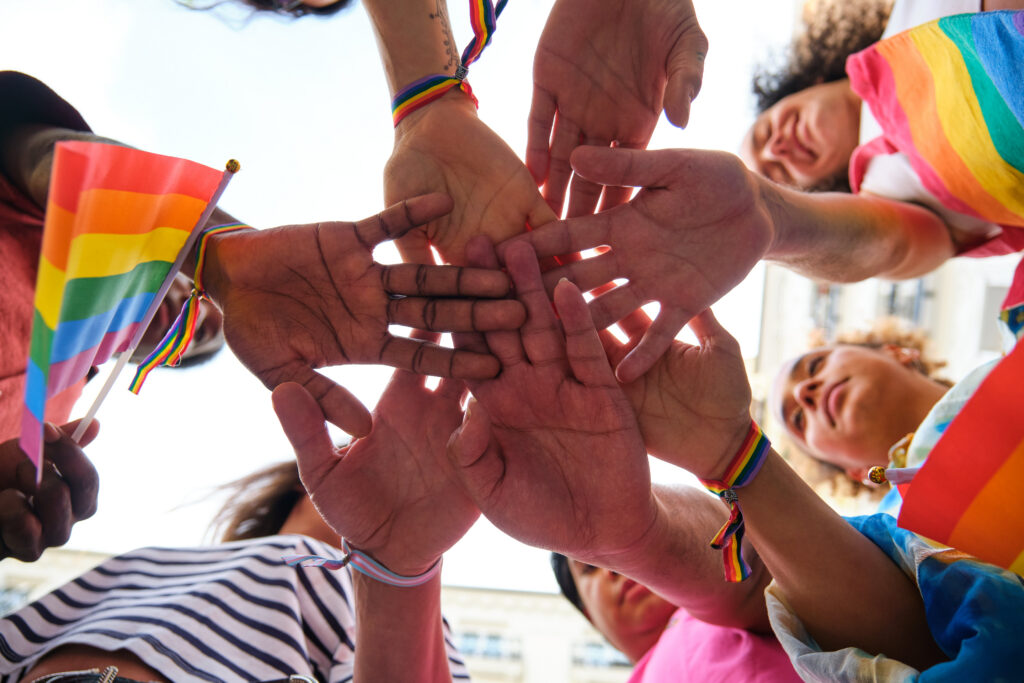
LGBTQ community outreach is one of the most relationship-driven categories in modern marketing. It cannot be reduced to ad spend or impression targets alone. The LGBTQ+ community has a long, complex relationship with brand marketing, one shaped by decades of erasure followed by decades of often superficial inclusion. The brands that have built genuine loyalty within this community are those that understood outreach as a long-term relationship, not a quarterly campaign.
At American Guerrilla Marketing, based out of Industry City, Brooklyn, our team has developed LGBTQ community outreach programs for brands that wanted to go beyond the surface. That means showing up in the neighborhoods where the community actually lives, staffing campaigns with people who have genuine community ties, and building creative that reflects real cultural understanding rather than borrowed aesthetics.
This article explains what effective LGBTQ community outreach looks like on the ground, the tactics that generate lasting results, and how to build programs that earn community trust over time.
Why LGBTQ Community Outreach Requires a Different Approach
The LGBTQ+ community is not a monolithic consumer segment that can be reached with a single creative execution. It includes people across every race, age, income level, gender identity, and cultural background. It has its own history, aesthetics, cultural touchstones, and ongoing political realities. Outreach that treats it as a single undifferentiated group with shared preferences will always fall short.
Effective LGBTQ community outreach starts with genuine listening. What are the specific communities your brand wants to reach, and what matters to them? What are the local venues, events, and neighborhood spaces where they gather? Who are the trusted voices and cultural figures they look to? What brands do they already love and why?
The answers to these questions shape outreach that feels relevant rather than generic. They also reveal opportunities that mass-market approaches completely miss, like the thriving bisexual community organizing scene in one city, or the trans-focused community center in another that is constantly looking for brand partners for its fundraising events.
Our team invests in this listening phase before any outreach program launches. The result is campaigns that actually land rather than campaigns that simply check a box.
The Core Tactics of LGBTQ Community Outreach
Street-level LGBTQ community outreach draws on a specific toolkit. Here is how our team builds effective programs:
Neighborhood Presence Campaigns: The most sustained form of outreach is consistent visual presence in LGBTQ+-concentrated neighborhoods. Wheatpasting in the Castro, Boystown, Chelsea, WeHo, or Midtown Atlanta creates the kind of sustained neighborhood visibility that says “we are here all the time, not just on a holiday.” Our team places poster art at high-traffic corners, near community venues, and along the pedestrian corridors the community uses most. When the work is genuinely beautiful and culturally resonant, it becomes part of the neighborhood visual environment rather than advertising to be ignored.
Ambassador Programs: Brand ambassadors who are themselves part of the LGBTQ+ community carry a different kind of credibility. They can approach community members peer-to-peer rather than as a brand representative. They can navigate the cultural nuances of different sub-communities within the broader LGBTQ+ umbrella. They can answer genuine questions about what a brand actually stands for. Our ambassador recruitment for LGBTQ outreach specifically prioritizes candidates with real community ties.
Event and Festival Presence: Beyond the flagship pride festival calendar, the LGBTQ+ community runs a year-round calendar of events, from film festivals and arts openings to bar crawls, fundraising galas, and sports leagues. Our team maps these event opportunities and builds outreach programs that maintain community presence across the full calendar.
Mobile Billboard Coverage: For high-impact moments like Pride parades, major community events, or neighborhood festivals, LED billboard trucks deliver brand visibility at a scale that commands attention. We route trucks through neighborhoods at times when community traffic is highest, maximizing exposures among the specific audiences our clients want to reach.
Sampling and Distribution: Getting a product directly into community members’ hands at events and gathering points creates memory and trial that passive advertising cannot replicate. Product sampling programs at LGBTQ+ events consistently deliver above-average conversion rates because the brand experience happens in a positive, celebratory context.
Building Year-Round Outreach compared with. One-Time Campaigns
One of the most important strategic decisions in LGBTQ community outreach is whether to run concentrated event-tied campaigns or build sustained year-round presence. The answer, for most brands, is both.
Event-tied campaigns use the concentrated attention and energy of Pride festivals and major community events. They generate high impression volumes in short timeframes and benefit from the amplification of event media coverage. They are also the most visible way for a brand to publicly demonstrate community support.
But year-round outreach is what builds genuine community relationships. Brands that are present at the local queer bar’s anniversary party, the LGBTQ+ film festival in October, the Trans Day of Visibility event in March, and the community organization’s fundraising gala in November earn a depth of community loyalty that Pride-only brands never access. They become part of the community’s fabric rather than seasonal visitors.
Our team builds both types of programs and helps clients understand how to phase investment between them. For brands new to LGBTQ outreach, we often recommend starting with a focused Pride-season campaign to establish initial presence, then developing a year-round roadmap based on what we learn about community response and opportunities.
Creative That Honors the Community
The creative work in LGBTQ community outreach deserves as much strategic investment as the tactical execution. Creative that is developed without genuine LGBTQ+ input consistently misses the mark. It either over-simplifies community identity into rainbow imagery, appropriates visual languages without cultural understanding, or simply reproduces mainstream advertising with a few token gestures toward inclusion.
Creative that works comes from collaboration. Our team connects clients with LGBTQ+ creative directors, art directors, photographers, and community advisors who bring genuine insider perspective to campaign development. The result is work that community members recognize as authentic, share with their networks, and associate positively with the brand.
Some of the most effective LGBTQ outreach creative we have seen celebrates the genuine diversity within the community, showing trans people of color, older gay couples, bisexual individuals, non-binary people, and the many other communities that make up the broader LGBTQ+ umbrella. This kind of representation is still rare enough in advertising that when it appears, it generates genuine appreciation and brand affinity.
Community Partnerships as Outreach Infrastructure
Beyond direct-to-consumer tactics, LGBTQ community outreach is strengthened enormously by genuine community partnerships. LGBTQ+ organizations, community centers, advocacy groups, and cultural institutions are often looking for brand partners who can support their work financially and through promotion.
These partnerships serve outreach goals in multiple ways. They give brands a credible institutional relationship within the community that ambassadors and consumers can point to as evidence of authentic support. They provide platforms for brand visibility at community events. And they create genuine good in the community that builds the kind of trust that no amount of advertising spend can manufacture.
Our team helps clients identify partnership opportunities that align with their brand values and target audiences. We can also help facilitate the conversations that lead to genuine, mutually beneficial partnerships rather than transactional sponsorship arrangements.
Measuring LGBTQ Community Outreach Effectiveness
Measurement for LGBTQ community outreach requires a broader framework than standard campaign metrics. We track:
Direct engagement volume: Ambassador interactions, items distributed, event attendee touchpoints, and opt-ins collected all represent trackable direct engagement.
Neighborhood impression counts: Wheatpaste placements and truck routes generate estimated impression counts based on traffic data and placement duration.
Community sentiment tracking: Social listening for mentions, hashtags, and sentiment related to the brand within LGBTQ+ social communities provides real-time feedback on how outreach is landing.
Partnership media reach: When outreach includes community organization partnerships, the reach generated through those partners’ communications channels is tracked as additional earned media.
Long-term brand favorability: For clients with ongoing measurement programs, we track LGBTQ+ consumer brand favorability scores over time to measure the cumulative effect of sustained outreach.
Common Pitfalls in LGBTQ Community Outreach
After running many of these programs, our team has identified the patterns that lead to poor results or community backlash:
Over-relying on Pride Month: Brands that appear only in June signal clearly that the community is a marketing opportunity, not a genuine relationship priority. Year-round presence is what builds real trust.
Generic rainbow creative: Adding rainbow colors to existing brand assets is the minimum possible gesture and is recognized as such. Creative that reflects genuine cultural engagement performs dramatically better.
Non-community ambassadors: Deploying people who have no connection to the LGBTQ+ community to conduct outreach within it creates awkward, inauthentic interactions. We recruit genuine community members and allies for these programs.
Ignoring internal practices: Community members increasingly research brands before accepting their outreach. A brand with a strong Pride outreach campaign but no LGBTQ+ employees, no non-discrimination policies, or political donations to anti-LGBTQ+ candidates will face community members who have done their research.
Treating the community as monolithic: The LGBTQ+ community includes gay men, lesbians, bisexual people, transgender people, non-binary people, intersex people, and many other identities. Programs that speak only to the most visible segments of the community while ignoring others miss major audiences and signal limited understanding.
What is LGBTQ community outreach in a marketing context?
LGBTQ community outreach in marketing refers to intentional, direct engagement with LGBTQ+ individuals and communities through field campaigns, events, ambassador programs, and neighborhood presence initiatives. Unlike mass advertising, outreach creates personal touchpoints that build brand relationships at the individual and community level.
How is LGBTQ community outreach different from standard brand marketing?
Standard brand marketing often reaches LGBTQ+ audiences incidentally. Community outreach is intentional and specific, designed to meet the community where it gathers, using cultural fluency and authentic representation. The goal is trust and relationship, not just impression volume.
What neighborhoods and venues are best for LGBTQ outreach campaigns?
High-concentration LGBTQ+ neighborhoods like the Castro in San Francisco, Chelsea and Hell’s Kitchen in New York, Boystown in Chicago, Midtown Atlanta, and WeHo in Los Angeles offer the most direct access. But effective outreach also goes to the venues, events, and gathering points where the community is present across every city.
How do we staff LGBTQ outreach programs with culturally competent teams?
Our team recruits brand ambassadors with genuine community ties, prioritizing LGBTQ+ candidates and those with demonstrated allyship. We provide cultural training that covers community history, current issues, and conversational approach. Authentic staffing is the single biggest factor in whether outreach is received warmly or with skepticism.
Can LGBTQ community outreach work for B2B brands as well as consumer brands?
Yes. B2B brands in tech, professional services, financial services, and healthcare all benefit from LGBTQ community outreach. LGBTQ+ business owners, executives, and professionals are a significant audience, and outreach at LGBTQ+ professional events, chambers of commerce gatherings, and industry conferences reaches this audience directly.
How far in advance should we plan an LGBTQ community outreach campaign?
For event-based outreach tied to Pride festivals or major community events, we recommend 10 to 14 weeks of planning lead time. For sustained neighborhood outreach programs, we can launch faster but build toward a 90-day cadence that establishes consistent presence over time.
Does AGM have experience with LGBTQ outreach in smaller markets?
Yes. While our flagship experience is in major metro markets, we regularly execute outreach in mid-size cities and regional markets. Smaller markets often have tight-knit LGBTQ+ communities where authentic outreach makes a particularly strong impression because fewer brands invest there.
Campaign Architect – American Guerrilla Marketing
Frequently Asked Questions
What is LGBTQ community outreach in a marketing context?
LGBTQ community outreach in marketing refers to intentional, direct engagement with LGBTQ+ individuals and communities through field campaigns, events, ambassador programs, and neighborhood presence initiatives. Unlike mass advertising, outreach creates personal touchpoints that build brand relationships at the individual and community level.
How is LGBTQ community outreach different from standard brand marketing?
Standard brand marketing often reaches LGBTQ+ audiences incidentally. Community outreach is intentional and specific, designed to meet the community where it gathers, using cultural fluency and authentic representation. The goal is trust and relationship, not just impression volume.
What neighborhoods and venues are best for LGBTQ outreach campaigns?
High-concentration LGBTQ+ neighborhoods like the Castro in San Francisco, Chelsea and Hell’s Kitchen in New York, Boystown in Chicago, Midtown Atlanta, and WeHo in Los Angeles offer the most direct access. But effective outreach also goes to the venues, events, and gathering points where the community is present across every city.
How do we staff LGBTQ outreach programs with culturally competent teams?
Our team recruits brand ambassadors with genuine community ties, prioritizing LGBTQ+ candidates and those with demonstrated allyship. We provide cultural training that covers community history, current issues, and conversational approach. Authentic staffing is the single biggest factor in whether outreach is received warmly or with skepticism.
Can LGBTQ community outreach work for B2B brands as well as consumer brands?
Yes. B2B brands in tech, professional services, financial services, and healthcare all benefit from LGBTQ community outreach. LGBTQ+ business owners, executives, and professionals are a significant audience, and outreach at LGBTQ+ professional events, chambers of commerce gatherings, and industry conferences reaches this audience directly.
How far in advance should we plan an LGBTQ community outreach campaign?
For event-based outreach tied to Pride festivals or major community events, we recommend 10 to 14 weeks of planning lead time. For sustained neighborhood outreach programs, we can launch faster but build toward a 90-day cadence that establishes consistent presence over time.
Does AGM have experience with LGBTQ outreach in smaller markets?
Yes. While our flagship experience is in major metro markets, we regularly execute outreach in mid-size cities and regional markets. Smaller markets often have tight-knit LGBTQ+ communities where authentic outreach makes a particularly strong impression because fewer brands invest there.
How early should a brand start planning?
For most campaigns, the smart move is to start planning at least two to four weeks before the launch window so production, routing, staffing, and reporting are all lined up.
What makes one market perform better than another?
Market fit depends on audience density, neighborhood behavior, route efficiency, and whether the creative belongs in that setting. The busiest city is not always the best city.
Can AGM bundle this with other services?
Yes. AGM often combines this work with supporting formats so the campaign has stronger repetition and cleaner reporting across the whole run.
How does AGM quote pages like this?
We quote from official rate cards where they apply, then scope the remaining production, staffing, and routing details to the actual job.