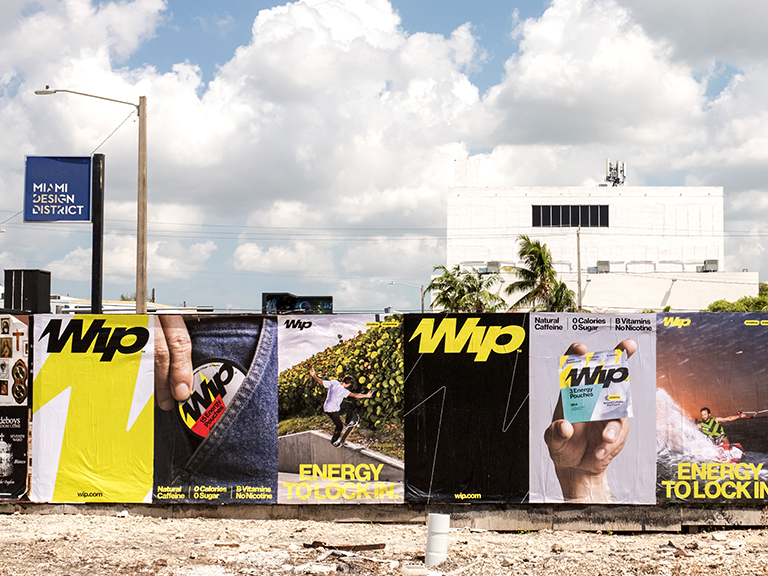
AGM is a full-service fly posting company with direct operations in New York, Los Angeles, Chicago, Miami, Austin, and other major US markets. Here is exactly how we run campaigns, what we charge, and what you get.
American Guerrilla Marketing runs fly posting campaigns across the United States. We handle the complete process: placement planning, print production, installation, and documentation. When the campaign is done, you have a verified record of every placement, with photos and a map, and your brand has been on walls in the neighborhoods where your audience lives, works, and walks past every day.
We have been doing this for over ten years. The surface network we operate in New York, Los Angeles, Chicago, Miami, Austin, Atlanta, and other markets was not built overnight. It represents years of relationships with property owners, years of crew development, and years of learning which neighborhoods in which cities deliver the right audience for the brands we work with. That operational depth is what makes the difference between a fly posting campaign that lands effectively and one that puts posters in the right city but the wrong places.
This page covers how we operate, what markets we cover, how campaigns are priced, and what the process looks like from first call to delivered documentation.
AGM is a full-service fly posting company. We do not just install posters. We manage the complete campaign lifecycle, which includes:
Placement planning: We build a placement plan that identifies specific surface locations in the target neighborhoods before any production begins. The client approves the plan. The campaign executes against that plan.
Print production: We coordinate print production for every campaign, working with our print partners to produce the right stock, at the right size, with the right finish for the campaign’s outdoor durability requirements.
Surface network: We operate a managed surface network in each of our core markets, with established posting rights on walls that are in the right neighborhoods for the brand categories we work with.
Field installation: Our crews go out overnight, execute the placement plan, and document each installation at the surface location.
Campaign documentation: We deliver geo-tagged placement photos and a placement map within a few business days of installation completion.
Print and installation are quoted as separate line items. That transparency lets clients see exactly what they are paying for in each component of the campaign and compare our pricing accurately against other vendors.
Our Markets and Surface Network
We operate directly in the following US markets, with managed surface inventory in the neighborhoods listed.
New York City
New York is our home market and the deepest part of our surface inventory. We have managed surfaces across Williamsburg and Bushwick in Brooklyn, which are the primary creative and youth culture neighborhoods in the city; the Lower East Side and East Village in Manhattan, which carry dense pedestrian foot traffic and a well-established street culture; SoHo and NoLIta, which serve fashion and lifestyle campaigns; parts of Harlem and Crown Heights, which are strong for music and culture campaigns; and a range of secondary locations across Brooklyn and Manhattan that fill out broader coverage campaigns.
Our New York campaigns range from tightly focused neighborhood runs in one or two corridors to city-wide campaigns covering eight or more distinct neighborhood clusters. We structure the scope based on the brand’s audience and the campaign’s objectives, not on the geographic maximum we can technically cover.
Los Angeles
In Los Angeles, fly posting concentrates in the walkable pockets of the city where pedestrian foot traffic is genuinely dense. Our primary surface corridors in LA are Melrose Avenue and the Fairfax District, which serve streetwear, music, and youth culture campaigns; the Arts District in DTLA, which serves creative, fashion, and design-forward campaigns; Silver Lake and Los Feliz along the Sunset corridor, which reach a lifestyle and entertainment audience; and West Hollywood, which covers a fashion and entertainment audience with high visitor traffic from outside the neighborhood.
Chicago
Chicago fly posting runs through the city’s north side creative corridor: Wicker Park, Bucktown, Logan Square, and Pilsen on the south and west sides for campaigns targeting the city’s arts and music communities. River North and the West Loop serve broader young professional campaigns. Chicago is a seasonal market for outdoor fly posting, with spring through fall as the primary campaign window due to winter weather’s effect on paste adhesion and poster durability.
Miami
Miami campaigns focus on Wynwood, the Design District, and parts of South Beach. Wynwood has one of the highest concentrations of street art and visual culture per square block of any neighborhood in the US, and the foot traffic from the arts and design community, combined with tourism, gives placements in Wynwood both a local cultural audience and a broader visitor audience. The Design District serves luxury brand campaigns and high-end lifestyle positioning.
Austin
Austin campaigns target the East Side, South Congress Avenue, and the 6th Street and Rainey Street corridors. The Austin market skews young, creative, and tech-adjacent, with a strong music culture that makes the city a natural fit for music and entertainment fly posting. The growth of Austin as a tech hub has also made it a relevant market for consumer tech and app campaigns targeting early adopters.
Additional Markets
We operate in Atlanta (Old Fourth Ward, Ponce City Market, the BeltLine), Boston (the Seaport, Allston, Jamaica Plain), Philadelphia (Fishtown, Northern Liberties, South Street), Seattle (Capitol Hill, Fremont, the Central District), Denver (RiNo, Capitol Hill), and several other markets. Contact us to confirm coverage in your specific target city.
Campaign Pricing
Our fly posting campaigns are priced on an installation basis. The table below covers installation only. Print production is quoted separately based on quantity, stock weight, and any specialty finishes. The total campaign budget is the sum of installation and print.
Campaign Scale
Placements
Markets
Installation Price Range
Small
25 to 50
Single city
Contact for quote
Mid-Scale
75 to 200
Single city
Contact for quote
Large
200 to 500
Single or multi-city
Project-specific; contact us
Small campaigns in the 25 to 50 placement range work well for single-neighborhood focus campaigns and for brands making their first fly posting run in a new market. Mid-scale campaigns cover multiple neighborhoods within a single city and are the format most commonly used by brands making a meaningful market push. Large campaigns at 200 or more placements involve multi-neighborhood or multi-city execution and are quoted based on the specific scope of the brief.
Multi-city campaigns at the 200 to 500 placement range require four to six weeks of planning lead time for surface coordination, crew scheduling, and print logistics across markets. Contact us early if your campaign has a fixed launch date and requires coverage in multiple cities.
AGM Field Note: Print cost varies more than installation cost across campaigns. A 100-placement campaign using standard 80 lb. stock at 24×36 has a very different print bill than a 100-placement campaign using 100 lb. cover with UV laminate at 27×40. When we quote, we give you both numbers separately so you can see where the budget is going and make informed decisions about spec adjustments if needed.
The Campaign Process: Step by Step
Understanding how our campaign process works helps brands plan lead times and set accurate expectations for what can be delivered and when.
Step 1: First Contact and Brief
The process starts with a call or email. We want to know: the brand and campaign objective, the target market or markets, the campaign timing, the audience, and any existing creative or brief we can reference. We can work from a fully developed creative brief or from a conversation that covers the basics. The initial call usually takes fifteen to twenty minutes and gives us everything we need to start building a placement plan.
Step 2: Placement Plan
Within two to four business days of the initial brief, we produce a placement plan. The plan identifies target neighborhoods, the specific surfaces we plan to use in each neighborhood, and the total placement count. It includes a map of the proposed campaign footprint and notes on any neighborhood-specific context that affects the recommendation. The client reviews and approves the plan before we move to production.
Step 3: Creative Review and Print Production
Once the placement plan is approved, we move to creative review and print. We review the print file for resolution, color mode, bleed, and any legibility issues that would affect how the poster reads in a street environment. If we identify problems, we note them before production begins. After file approval, print runs on a five to eight business day timeline for standard quantities. Rush print is available for time-sensitive campaigns.
Step 4: Installation
Installation happens on the scheduled date, typically in evening or overnight hours. Our crew executes the placement plan in sequence, documenting each surface at installation. If a planned surface is unavailable on the installation night, we substitute from a pre-approved backup list in the same neighborhood and note the change in the campaign report. Installation is complete when every planned placement has been executed or accounted for.
Step 5: Documentation and Report
Within a few business days of installation, we compile and deliver the campaign report. Every placement gets a geo-tagged installation photo. The placement map shows the full campaign footprint. The report is delivered digitally and is formatted for easy sharing with decision-makers.
Phase
Timeline
Output
Brief and Placement Plan
2-4 business days
Placement plan, quote
Creative Review
1-2 business days
File approval or revision notes
Print Production
5-8 business days
Print run delivered to crew
Installation
1-2 nights
All posters installed at planned surfaces
Campaign Report
3-5 days post-install
Geo-tagged photos, placement map
Who We Work With
We work with brands across a wide range of categories, sizes, and campaign types. The common thread is a need for genuine street-level presence in specific urban markets, as opposed to the standardized reach of billboard or transit advertising.
Music and Entertainment
Music labels, independent artists, concert promoters, film studios, and streaming services use our fly posting service for album releases, tour announcements, film launches, and platform campaigns. Music is the category where fly posting has its deepest roots, and the format continues to be one of the most effective channels for reaching the audience that cares most about new music. We have run campaigns for artists at every level of the industry, from independent releases with tight budgets and specific city targets to major label campaigns running in ten markets simultaneously.
Fashion and Streetwear
Fashion brands, streetwear labels, and footwear companies use fly posting to establish and reinforce street-level presence in the neighborhoods that matter to their target customer. A new sneaker release in the Fairfax District, a fashion campaign in Williamsburg, a streetwear brand going up on walls in the Arts District. The placement signals cultural belonging in a way that paid digital cannot replicate.
Consumer Goods and Beverage
Consumer goods brands in food, beverage, beauty, and wellness use fly posting for product launches and market entry campaigns. The format works well alongside experiential activations: posters go up in the neighborhood before and during an event or sampling activation, creating ambient awareness that reinforces the on-the-ground activity.
Tech and Apps
Tech companies and app developers use fly posting to create real-world presence for brands that exist primarily in digital space. Physical poster campaigns in neighborhoods where the target user concentrates create a tangible market signal that purely digital campaigns cannot generate. For a new app or platform, street presence in the right neighborhood communicates market seriousness and user-base credibility.
Multi-City Campaign Coordination
Running a fly posting campaign in multiple cities simultaneously is one of the things we do best. It requires centralized planning and clear communication across markets, but when it is executed well, a multi-city campaign creates a powerful signal of national market presence that a single-city campaign cannot match.
For a multi-city campaign, we build placement plans for each market, coordinate print production to ensure consistent material is delivered to each city on the right timeline, schedule installation across markets to align with the campaign launch date, and compile documentation from all markets into a single unified campaign report. The client deals with us and only us, regardless of how many cities the campaign covers.
Large multi-city campaigns at 200 or more total placements require four to six weeks of planning lead time. This runway allows us to confirm surface availability across markets, build routing plans for each city’s crew, coordinate print production and shipping, and ensure that every element of the campaign is confirmed before the installation date arrives.
Seasonal Planning and Market-Specific Timing
Fly posting campaigns are available year-round in all our core US markets, but seasonal factors affect outdoor durability, foot traffic patterns, and paste adhesion in ways that are relevant to campaign planning.
Weather Effects by Market
New York has four distinct seasons, and each creates different conditions for fly posting. Summer is the strongest season for foot traffic in creative neighborhoods and for social media documentation of street advertising. Humidity in summer can affect poster adhesion on some surface types, though our paste formulations account for this. Winter campaigns in New York are fully operational but require paste formulation adjustments for cold temperatures and UV laminate on any campaign that needs to last more than two to three weeks. Spring and fall are the most reliable seasons for outdoor poster quality across all surface types.
Los Angeles has a mild climate year-round, which makes it one of the most consistent markets for outdoor poster campaigns across all seasons. The primary weather consideration in LA is UV exposure: direct sun fades uncoated ink faster in LA than in markets with more cloud cover. For campaigns running longer than three weeks in sun-exposed locations, UV laminate is a practical choice in Los Angeles.
Chicago is a seasonal market with a defined primary campaign window. Spring through fall, roughly April through October, is when most outdoor fly posting campaigns run effectively. Chicago winters create genuine challenges for paste adhesion and poster durability that push serious outdoor campaigns to warmer months. We run Chicago campaigns in winter when client timing requires it, with appropriate production spec adjustments, but the default recommendation for outdoor Chicago campaigns is the spring through fall window.
Miami campaigns work consistently year-round with some seasonal variation. Summer brings higher humidity and occasional heavy rain, which affects poster adhesion and lifespan in exposed locations. UV laminate is strongly recommended for Miami campaigns at any time of year given the high sun exposure. Winter and spring in Miami have the most favorable conditions for outdoor poster campaigns.
Event Calendar Alignment
Aligning campaign timing with major local events drives higher foot traffic past poster placements during the campaign window. Art Basel Miami Beach in December, SXSW in Austin in March, Chicago’s summer festival season, and the continuous cultural calendar in New York all create periods where specific neighborhoods see elevated foot traffic that increases the audience exposure for well-placed fly posting campaigns. Brands planning campaigns around these events should account for the higher demand for surface inventory in those periods when building lead times.
Our Creative Review Process
Every creative file we receive goes through a pre-press review before it goes to print. This is not optional, and it is not a formality. The pre-press review catches problems that cost nothing to fix before production and cost a full print run to fix after it. Over the years, the most common issues we find are: resolution below 250 DPI at the final print size (images that look crisp on a screen but will print soft or pixelated at poster scale); color mode in RGB rather than CMYK (colors that look one way on screen but print differently on paper); missing or incorrect bleed area (designs that will show white borders at the edge of the poster after trimming); and typography that is set at a size that reads fine on a laptop but is too small to parse from street distance.
When we identify a problem in pre-press review, we send the client specific notes about what needs to be fixed and what the issue would look like in the printed output if it were not addressed. The client revises and resubmits, we confirm the revision resolves the issue, and production proceeds. This adds at most a day or two to the production timeline in cases where revision is needed. It eliminates the far worse outcome of discovering the problem when the crew is installing posters and the creative does not read the way it was intended.
What We Check
File format: PDF or high-resolution TIFF preferred. Editable design files are not print-ready by default.
Resolution: 300 DPI at the final output size. We calculate effective DPI based on the actual print dimensions, not the file’s native DPI setting.
Color mode: CMYK. RGB files are flagged for conversion, and significant color shifts are noted before client approval.
Bleed: 0.125 inch minimum on all sides for standard sizes. Larger bleed for multi-sheet formats where alignment tolerances are wider.
Safe zone: All essential elements should be at least 0.25 inch inside the trim line to avoid being cut off or visually uncomfortable at the edge of the poster.
Legibility at distance: We evaluate whether the headline and key visual elements read clearly at reduced size, simulating the visual experience from 20 to 30 feet.
Campaign Add-Ons and Complementary Formats
Fly posting does not have to stand alone. Several complementary street formats work well alongside a fly posting campaign, extending the campaign’s physical presence and creating multiple touchpoints with the target audience in the same neighborhoods.
Mural Campaigns
Street murals, whether hand-painted or vinyl-printed, create long-term anchor presences in neighborhoods that fly posting campaigns move through. A hand-painted mural at a key location in Williamsburg or the Arts District in Los Angeles can last five or more years, generating ongoing organic social content and neighborhood visibility well beyond any single campaign window. A brand that commissions a mural and runs a concurrent fly posting campaign in the surrounding neighborhood benefits from the mural’s landmark quality and the poster campaign’s distributed awareness simultaneously. The mural is the flag planted in the ground; the fly posting campaign is the campaign that spreads outward from it.
Experiential Activations
Fly posting campaigns pair naturally with on-the-ground activations. A sampling event, a popup retail moment, a brand experience, or a performance activation in a neighborhood is strengthened by poster activity in the same area in the days leading up to and during the event. The posters build ambient awareness before the activation happens. The activation gives people an encounter with the brand that the poster can only point toward. The combination of distributed awareness and direct brand encounter in the same neighborhood creates a layered campaign effect that either format alone does not produce.
Street Teams and Ambient Distribution
Street team distribution, flyer handouts, and brand ambassador activations in the same neighborhoods where fly posters are running create additional touchpoints with the same audience. Someone who has seen the brand’s poster on multiple walls in their neighborhood and then receives a flyer or sample from a street team in the same area is encountering the brand through multiple physical channels in a single day. The repetition reinforces the brand impression in a way that a single-format campaign cannot match.
What Sets AGM Apart
We run AGM on the principle that a fly posting campaign should be as accountable as any other line item in a marketing budget. You should know what you bought, where it went, and what it looked like when it was up. The campaign should execute against the plan that was approved, not against an improvised version of it. The documentation should be accurate and complete, not inflated or generic.
We have built the surface network, crew relationships, and documentation systems that allow us to deliver on those principles consistently. Our New York surface network is the result of more than a decade of operating in Brooklyn and Manhattan neighborhoods. Our Los Angeles network knows the specific walls on Melrose and in the Arts District that work for the specific brands and campaign types we handle. Our Chicago operation understands the seasonality and neighborhood character of the north side corridors where fly posting concentrates.
When we take on a campaign, we take on the responsibility of making it work. If a surface we planned to use is unavailable on installation night, we have a backup list in the same neighborhood ready to substitute. If a print file has a problem, we catch it before production, not after. If a campaign is running in four cities and there is a logistics issue in one of them, the other three do not slow down while we resolve it.
We work with brands at every scale, from independent artists and small labels running their first street campaign to national consumer brands running twenty-city coordinated rollouts. The process is the same; the scale changes. And we measure our work by whether the campaign we deliver matches the one we proposed, which is the only accountability standard that actually matters. That consistency across campaign sizes and markets is what clients come back for, and it is what makes fly posting campaigns with AGM a repeatable channel rather than a one-time experiment.
Frequently Asked Questions
What does a fly posting company do?
A fly posting company manages the placement of printed paper posters on wall surfaces in target neighborhoods. A full-service fly posting company like AGM handles print production, surface sourcing, installation crews, and post-campaign documentation from a single point of contact.
What markets does AGM operate in as a fly posting company?
AGM operates directly in New York, Los Angeles, Chicago, Miami, Austin, Atlanta, Boston, Philadelphia, Seattle, and other major US markets. International campaigns are coordinated through our partner network. Contact us to confirm coverage in your target city.
How much does a fly posting campaign cost with AGM?
Campaigns are priced by poster package and market. Print is quoted separately. Contact AGM for a custom quote.
Does AGM handle print as well as installation?
Yes. AGM coordinates print production for all campaigns, either in-house or through trusted print partners. Print and installation are quoted as separate line items so clients see exactly what each component costs.
What neighborhoods does AGM cover in New York?
In New York, AGM’s surface network covers Williamsburg, Bushwick, the Lower East Side, the East Village, SoHo, NoLIta, and parts of Harlem, Bed-Stuy, and Crown Heights, among other neighborhoods in Brooklyn and Manhattan.
How does AGM document fly posting campaigns?
Every placement is documented with a geo-tagged installation photo taken at the surface location. A placement map identifies each surface. Campaign reports are delivered within a few business days of installation completion.
Can AGM run simultaneous campaigns in multiple cities?
Yes. AGM manages multi-city fly posting campaigns with coordinated installation timing, centralized print logistics, and unified campaign reporting. Large multi-city campaigns require four to six weeks of planning lead time.
What types of brands does AGM work with?
AGM works with brands across music, entertainment, fashion, streetwear, consumer goods, beverage, tech, lifestyle, and retail. The format works for independent artists and major labels, regional brands and national companies alike.
Call (646) 776-2770 or email [email protected]. Tell us your target market, campaign timing, and brief. We will build a placement plan and provide a quote for installation and print.