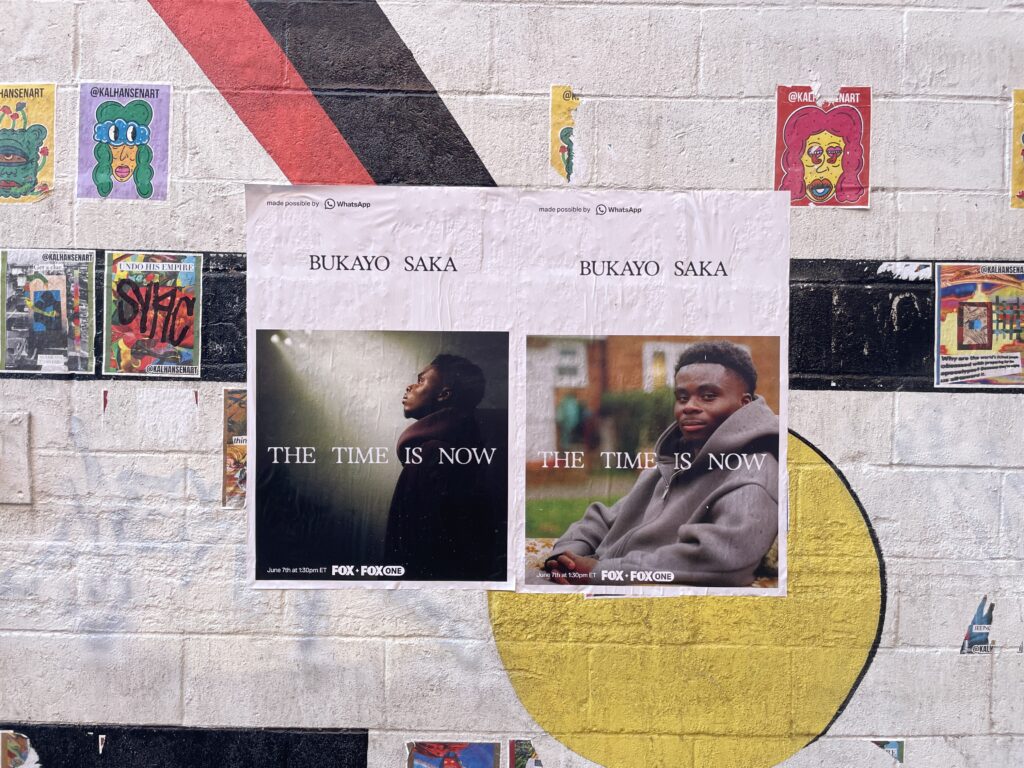
Film festivals are not just movie screenings. They are some of the most concentrated gatherings of press, industry professionals, cultural tastemakers, and dedicated audiences that happen anywhere in the country. Sundance brings thousands of industry insiders and film fans to a small mountain town for ten days. SXSW turns Austin into a three-week convergence of film, music, and tech. Tribeca activates the streets of lower Manhattan for more than a week each spring.
For brands, these events represent something rare: a dense, high-influence audience in a physical space that is genuinely activatable at street level. The walkable formats of most major film festivals, the foot traffic concentrated on a few key corridors, and the attendee mindset of discovery and conversation all make film festival marketing one of the most favorable environments for street-level campaigns.
At American Guerrilla Marketing, we have executed campaigns around film festivals from Park City to Austin to lower Manhattan. What we know from that work: the brands that generate the most impact at film festivals are not always the ones inside the official sponsorship program. They are the ones who understand the festival’s physical environment and activate it intelligently.
Why Film Festivals Are High-Value Marketing Environments
The value of a film festival as a marketing environment comes from three overlapping factors: audience quality, media concentration, and physical accessibility.
Audience quality: Film festival attendees are not a general audience. They self-select by buying tickets, often planning travel from other cities, and spending multiple days at the event. They are curious, culturally engaged, and more likely to notice and respond to thoughtful brand work than a typical consumer crowd. The industry professionals who attend are tastemakers and decision-makers whose opinions carry weight far beyond the festival footprint.
Media concentration: The press presence at major film festivals is extraordinary. Sundance draws national media, trade publications, and entertainment journalists in numbers that few other events can match. A brand campaign that generates a photo or story during Sundance can travel nationally in hours. SXSW’s combination of film, music, and tech press means that a well-executed activation can earn coverage in entertainment, business, and lifestyle outlets simultaneously.
Physical accessibility: Most major film festivals happen in walkable, concentrated physical environments. Sundance’s Main Street in Park City. SXSW’s 6th Street and Congress Avenue corridors. Tribeca’s lower Manhattan neighborhood. These are public spaces where street advertising, ambassador programs, and mobile media all operate effectively and with proper approval without any official festival relationship.
Art Festival Marketing Agency compared with. In-House: Why Experience in the Environment Matters
Film and art festival marketing is different from standard event marketing in ways that matter for execution. The audiences are more sophisticated and less forgiving of obvious or heavy-handed brand work. The physical environments have unique site approval requirements and local site rules that vary by city and event. The compressed timeframes, most major festivals run seven to twelve days, mean that setup, execution, and breakdown all happen on a tight calendar with no room for logistical errors.
An agency that has operated in these environments before knows which tactics work and which ones feel wrong for the audience. They know the site approval requirements in Park City compared with Austin compared with lower Manhattan. They know how to brief ambassadors who can hold their own in conversations with press and industry professionals. They know where the foot traffic actually flows on different days of the festival, which often differs from what the official schedule would suggest.
Our team brings this operational experience to every film festival campaign we execute. We do not treat a Sundance activation like a street fair in a neighborhood market. We treat it as a sophisticated brand exercise in one of the most scrutinized marketing environments in the country.
Sundance Film Festival: Marketing in Park City
Sundance is the premier event for film festival marketing in North America. The combination of industry influence, press saturation, and a physically concentrated, walkable venue on Main Street in Park City makes it uniquely activatable. More than 100 brands show up in some form around Sundance each year, ranging from official sponsors to brands operating entirely in public spaces on the street.
Main Street is the key geography. Over the ten days of the festival, Main Street is packed with foot traffic from morning to late night, including industry professionals, press, filmmakers, and general festival attendees. Restaurants, storefronts, and temporary pop-up spaces along Main Street become brand activation zones. LED billboard vehicles running the street create visibility for brands that want presence without a physical footprint.
Wheatpaste campaigns in the days before and during Sundance create an ambient brand presence in the areas surrounding Main Street and the festival venues. The cold winter environment means people are bundled up and moving between venues, which creates natural gathering points and dwell time at transit stops, lodge entrances, and heated gathering areas where brand ambassadors can engage in genuine conversations.
The key to Sundance activation is matching the tone of the environment. Sundance is about art, discovery, and ideas. Brands that show up with that sensibility, that present something worth encountering rather than just a logo to be photographed, earn the attention of an audience that is very good at filtering out generic marketing.
SXSW: Film Festival Marketing in Austin
SXSW’s film section is part of a larger cultural event that spans film, music, and tech over nearly three weeks. The brand marketing environment at SXSW is more crowded than Sundance, with a wider range of brands and a more diverse audience. But the physical scale of SXSW is also larger, which means there is more territory to own and fewer brands competing for any specific corridor or neighborhood.
For film-focused brands at SXSW, the strategy typically involves concentrating on the corridors around the primary film screening venues and the neighborhoods where film badge holders are most concentrated. Ambassador programs that speak directly to the film audience, rather than the broader SXSW attendee mix, generate better conversion and recall for brands whose products are specifically relevant to that segment.
LED billboard trucks at SXSW run the major corridors of downtown Austin during peak traffic windows, reaching the full festival audience across film, music, and tech tracks. For brands that want to reach all three audiences, the truck is the most efficient single tool available.
Sidewalk stencils on the approach routes to primary film venues create brand awareness for attendees during the transition between screenings, when they are moving, looking down, and genuinely in the physical space rather than on their phones.
Tribeca Film Festival: Marketing in Lower Manhattan
Tribeca has evolved from a post-9/11 neighborhood revitalization effort into a major cultural event that draws significant brand marketing investment each spring. The lower Manhattan location, the concentration of media and entertainment industry professionals in New York, and the walkable neighborhood format all make Tribeca a strong environment for street-level film festival marketing.
The Tribeca audience skews slightly older and more established than Sundance or SXSW, with a higher concentration of industry professionals and media. For brands targeting that demographic, the neighborhood around the Tribeca festival zone offers some of the most sophisticated brand audience access in the country during the event week.
Our team deploys wheatpaste poster campaigns in the blocks around the primary Tribeca venues in the weeks before and during the festival. Ambassador programs cover the restaurant patios and bar areas where industry professionals gather in the evenings. LED billboard trucks run the Hudson waterfront and the key streets of the festival zone during peak traffic hours.
Toronto International Film Festival: Cross-Border Opportunities
TIFF is the largest public film festival in the world by attendance, drawing over 480,000 people to Toronto each September. For brands with Canadian operations or cross-border ambitions, TIFF represents a significant marketing opportunity in a dense, walkable, brand-receptive environment. The King Street West and Entertainment District corridors are the primary festival geography, with significant foot traffic over the ten-day event window.
American brands can and do activate at TIFF. Our team has experience coordinating campaigns that cross the US-Canada border, including navigating Canadian site approval requirements and working with local vendor partners for physical installations in Toronto. For brands whose target audience includes entertainment industry professionals globally, TIFF’s unmatched attendance and industry credibility make it a compelling addition to the film festival marketing calendar.
Street Advertising Tactics at Film Festivals
The street advertising toolkit for film festival marketing includes several core tactics that our team deploys based on the specific festival environment and campaign objectives.
LED billboard trucks: LED billboard trucks are the highest-visibility single tactic available in most film festival environments. A truck running the main festival corridor during peak traffic hours creates thousands of exposures per hour from an audience that is on foot, looking at their surroundings, and highly brand-aware. The ability to change creative between windows means the truck can carry different messages for the morning press rush, the afternoon audience, and the evening industry crowd.
Wheatpaste campaigns: Wheatpaste poster campaigns in the weeks before and during film festivals create a frequency effect. A Sundance attendee who sees a poster in the airport, sees the same brand on Main Street, and then encounters a brand ambassador later in the day has had three distinct exposures that reinforce each other. Wheatpaste creates the environmental context that makes later exposures more effective.
Brand ambassadors: Ambassador programs at film festivals require training that goes beyond product knowledge. In an environment with significant press and industry presence, ambassadors need to be comfortable in sophisticated conversations, able to speak intelligently about the brand’s connection to the cultural moment, and skilled at identifying and engaging the specific people who matter most to the campaign’s objectives.
Projection: For evening events, projection media on building surfaces in festival zones creates dramatic brand moments that photograph well and generate social content. A well-executed projection in a high-traffic film festival corridor can produce the kind of organic sharing that takes a campaign from local to national reach in hours.
Content Creation as Campaign Output
At film festivals specifically, the content created around a brand activation often has more value than the direct exposures generated by the activation itself. The press who attend major film festivals are actively looking for stories. A brand that creates something genuinely interesting at Sundance or SXSW has a real chance of being written about in publications that reach millions of people, far beyond the few thousand who walked past the activation on Main Street.
We brief every film festival campaign with this in mind. What is the story? What is the moment that a journalist or photographer would want to capture? What is the image that an attendee would post on social because it is genuinely worth sharing? These questions drive every design and execution decision we make in the film festival environment.
Brand activations that are designed to be experienced and shared, rather than just seen and ignored, consistently generate more media and social value than those designed primarily for logo exposures. In the film festival context, where the audience includes the people who create media for a living, this principle is not optional. It is the table stakes for showing up at all.
Budgeting for Film Festival Marketing
Film festival marketing does not require a seven-figure official sponsorship budget to generate meaningful impact. Effective street-level campaigns at major film festivals typically run between $15,000 and $75,000 depending on the festival, tactics deployed, and duration. This is a fraction of the cost of official sponsorship packages, which start at six figures for most major events.
The key to making a perimeter campaign work within a constrained budget is concentration. Rather than spreading thin across many tactics at a modest scale, we recommend concentrating resources on the two or three tactics that will generate the most impact given the specific festival environment. An LED truck running a tight loop during peak hours, combined with a small but well-briefed ambassador team, often outperforms a larger but more diffuse campaign with more moving parts and less focus.
We work with brands at a range of budget levels and will tell you directly what is achievable at each tier. If a certain approach does not make sense for the budget available, we say so and propose what does.
Ready to Launch Your Campaign?
Film Festival Marketing
What is film festival marketing?
Film festival marketing is the practice of placing brand activations, street advertising, ambassador programs, and OOH campaigns in and around major film festivals to reach the highly concentrated audience of industry professionals, press, and film fans that these events attract. It encompasses everything from official sponsorship activation to entirely exterior, public-space campaigns that require no festival relationship.
Which film festivals are best for brand marketing?
Sundance, SXSW, Tribeca, and the Toronto International Film Festival are the four highest-impact events for brand marketing due to their combination of industry influence, press coverage, and concentrated foot traffic in walkable, activatable environments. Smaller regional festivals can also offer strong value for brands with more targeted geographic or audience objectives.
Do we need an official festival sponsorship to market at film festivals?
No. Street advertising, LED billboard trucks, brand ambassador programs, and wheatpaste campaigns all operate in public spaces around festival venues and require no official festival relationship. Many of the most effective film festival campaigns we have executed were entirely perimeter-based, with no official sponsorship component at all.
How do brands activate at Sundance without being an official sponsor?
Sundance’s Main Street in Park City is public space. Brands have historically run pop-up lounges, ambassador programs, street advertising, and OOH campaigns on Main Street without official festival relationships. The foot traffic on Main Street during Sundance is significant and accessible to any brand operating with proper approval in public space. We have executed effective Sundance campaigns with no official festival involvement.
What is the typical film festival marketing budget?
Effective street-level campaigns at major film festivals typically run $15,000 to $75,000 depending on the festival, tactics deployed, and duration. This compares favorably to official sponsorship packages, which can start at six figures for most major festivals. We work with brands across this budget range and will tell you directly what is achievable at each tier.
What industries benefit most from film festival marketing?
Streaming services, studios, tech brands, automotive brands, financial services, fashion, and luxury goods are the heaviest investors in film festival marketing. But the concentration of press and social influencers at these events also makes them valuable for any brand seeking earned media and social amplification.
How early should we book film festival marketing?
For Sundance in January, bookings should begin by October or November. For SXSW in March, December is the target. For Tribeca and TIFF, six to eight weeks before the event is the minimum, with earlier preferred for ambassador staffing and print production lead times.
Related: Wheatpasting & Poster Campaigns | Guerrilla Marketing Services | Sidewalk Stencils | LED Billboard Trucks | Brand Ambassador Agency
Ready to Launch Your Campaign?
Millie Phillips
Campaign Architect , American Guerrilla Marketing
Email: [email protected]
Office: (646) 776-2770
Official Wheatpaste Pricing
We only quote from AGM’s published rate cards or from a custom scope tied to the actual market, route, staffing plan, and production load.
- 24×36 wheatpaste campaign, 100 posters: $4,500
- 24×36 wheatpaste campaign, 200 posters: $5,500
- 48×72 wheatpaste campaign, 100 posters: $10,500
- 48×72 wheatpaste campaign, 200 posters: $13,500
- Optional maintenance for the final two weeks of a monthly run: $3,500
If your campaign needs a different city mix, custom fabrication, or rush timing, contact AGM for a quote built from the same rate-card logic.
How AGM scopes Film Festival Marketing: Street Advertising and Brand Activations at Film Events
Every wheatpaste deployment plan starts with the same field questions. Where will the audience actually see the work, how long will the message stay in view, what kind of crew does the job need, and what proof will the client want after the run is live. We scope those answers before we talk about volume. That keeps the program grounded in real conditions instead of broad theory. For film festival marketing: street advertising and brand activations at film events, the planning work matters because one weak choice at the start can waste the whole run. A strong route, a realistic install pace, and a clean recap process are what make the campaign feel sharp in the street instead of rushed.
What changes performance in the field
Performance usually comes down to placement, timing, and repetition. The best campaigns do not chase every possible block. They pick the blocks, venues, walls, stations, storefronts, or pedestrian paths that line up with the right audience behavior. We watch how people move through a neighborhood, what side of the street they face, how long they dwell, and what else is competing for attention. For film festival marketing: street advertising and brand activations at film events, that means the visible details, sightline, lighting, install condition, and recap quality all matter. Good field work looks obvious after the fact, but it only feels obvious because the plan was tight before the crew ever rolled.
Budget and timing without guesswork
AGM does not pad numbers with vague ranges. We tie budgets to rate cards where a public rate exists, then fill in the rest with real production needs, staffing, route density, timing, and market conditions. That keeps the conversation honest. On film festival marketing: street advertising and brand activations at film events jobs, timing is often shaped by access windows, weather, production lead time, and how much documentation the client wants back. If a project is simple, the schedule stays simple. If it has many neighborhoods, many surfaces, or several city teams moving at once, the schedule expands because the work on the ground expands. That is a normal operations decision, not filler.
How we document results
Clients do not just need the work done. They need to know where it landed, how it looked, and whether the rollout matched the brief. Our recap process is built around timestamped photos, neighborhood notes, route summaries, and clear proof of completion. On film festival marketing: street advertising and brand activations at film events work, recap quality often decides whether a client books the next run. Clean reporting also helps the next wave because the team can see what held up, what drew the strongest response, and which placements deserve a second pass. The recap is not an afterthought. It is part of the product.
Common mistakes brands make with Film Festival Marketing: Street Advertising and Brand Activations at Film Events
The most common mistake is chasing surface area without enough planning. Brands sometimes assume that more units or more neighborhoods always means better results. In practice, sloppy spread kills recall. Another mistake is forcing creative that is too dense for the setting. Street work needs clear hierarchy, strong contrast, and a message that makes sense at the distance where the audience sees it. A third mistake is underestimating production details. The stock, finish, weather window, shift timing, and recap expectations all shape the outcome. Strong campaigns respect the boring details because the boring details decide whether the visible work looks premium.
Why this topic matters to AGM clients
Clients hire AGM because they need people who understand street conditions, not just ad concepts. Film Festival Marketing: Street Advertising and Brand Activations at Film Events is valuable when it turns a broad brand idea into something that holds up in a real place, in front of moving people, with real constraints. That is where execution matters. A page like this should leave you with a clear sense of what the work involves, what can go wrong, and what a disciplined rollout looks like. If the campaign needs city selection, route design, crew planning, printing, fabrication, staffing, reporting, or a combined package, AGM can scope it from one operating plan instead of handing the job off across five vendors.
Frequently Asked Questions
How early should a brand start planning?
For most campaigns, the smart move is to start planning at least two to four weeks before the launch window so production, routing, staffing, and reporting are all lined up.
What makes one market perform better than another?
Market fit depends on audience density, neighborhood behavior, route efficiency, and whether the creative belongs in that setting. The busiest city is not always the best city.
Can AGM bundle this with other services?
Yes. AGM often combines this work with supporting formats so the campaign has stronger repetition and cleaner reporting across the whole run.
How does AGM quote pages like this?
We quote from official rate cards where they apply, then scope the remaining production, staffing, and routing details to the actual job.