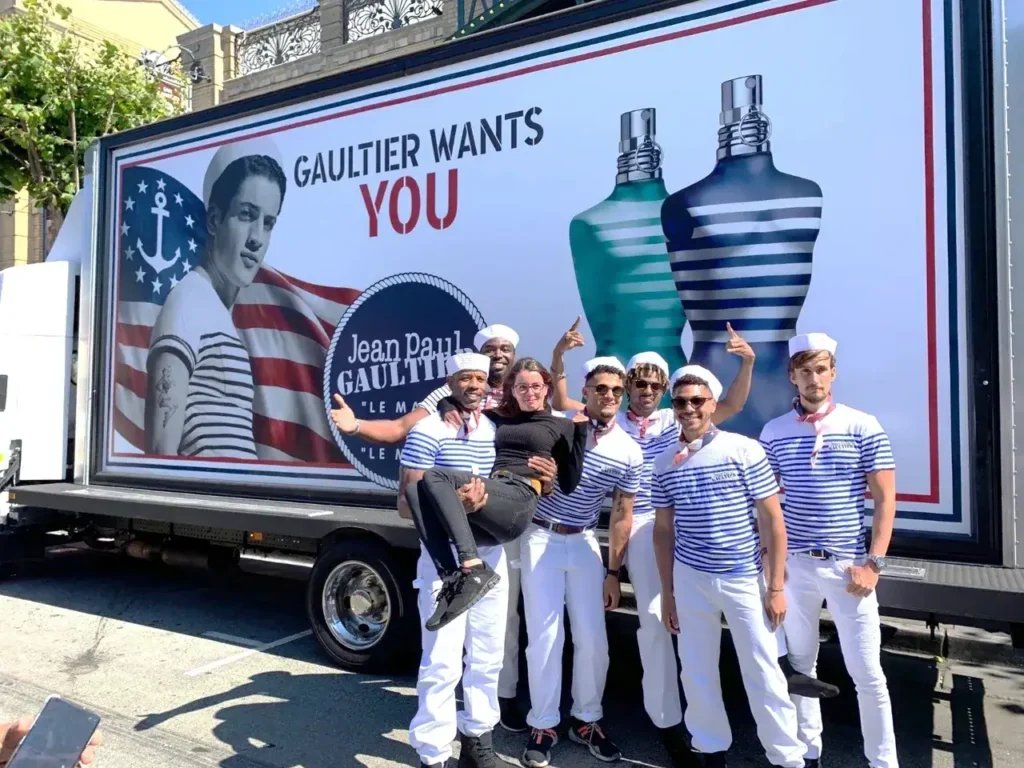
Advertising reaches audiences. Field marketing staff convert them. The gap between seeing a brand message and actually engaging with a product is where most marketing campaigns lose momentum, and it’s exactly where a well-deployed field team earns its budget.
Field marketing staff are the human infrastructure behind sampling programs, street-level activations, retail demonstrations, event engagements, and guerrilla marketing campaigns. They go where your target audience already is, initiate contact that advertising can’t, and create the kind of direct, sensory brand experience that digital media can only approximate.
When they’re sourced well, trained properly, and deployed strategically, field marketing staff are among the most cost-efficient brand investment available. When they’re treated as interchangeable warm bodies, they’re a drain. This guide covers what separates the two outcomes.
What Field Marketing Staff Actually Do
Field marketing is not a single role. It’s a category that encompasses a range of specific functions, each requiring different skills and preparation.
Sampling and Product Trial Programs
Consumer packaged goods brands, food and beverage companies, and personal care brands use field staff to execute sampling programs at grocery stores, gyms, transit hubs, and events. The core function is getting product into hands and creating trial moments that advertising can suggest but not deliver. Effective sampling staff manage logistics, engage approaching consumers, and gather opt-in data that feeds the brand’s marketing pipeline.
Street-Level Brand Engagement
Street teams deploy in high-traffic urban areas to distribute materials, create brand presence, drive foot traffic to nearby activations or retail locations, and generate organic social content through guerrilla stunts and interactions. Street-level guerrilla marketing campaigns depend on field staff who can engage cold audiences confidently and represent the brand without a script that makes them sound like a script.
Retail and Trade Marketing
At the retail level, field staff conduct in-store product demonstrations, support new product launches, train retail staff on product features, and conduct compliance audits that verify planogram adherence and promotional display execution. This function bridges brand and retail partner, ensuring that the brand’s marketing investment at the store level is actually being executed as intended.
Event Staffing and Activation Support
At branded events, festivals, and trade shows, field marketing staff manage traffic flow, engage attendees, execute interactive brand experiences, and collect data through surveys, sign-ups, and digital interactions. They’re the operational layer that makes abstract event concepts into executed reality.
The Profile of Effective Field Marketing Staff
Not everyone can do this work well. The profile of an effective field marketing professional combines specific personality traits with trainable skills in a combination that’s less common than staffing agencies often suggest.
Approachability and Natural Warmth
The fundamental challenge of field marketing is initiating contact with strangers who didn’t ask to be engaged. Staff who can walk up to an unknown person, create an immediate sense of warmth and authenticity, and initiate a productive brand conversation are genuinely rare. This is a selection criterion, not a training outcome. Training improves technique; it doesn’t install personality.
Brand Literacy
Field staff who understand why a brand exists, what makes its products distinctive, and who the target consumer is carry conversations forward in ways that trained-but-uninvested staff can’t. Brand literacy means understanding the positioning, not just memorizing talking points. Staff who genuinely believe in the product they’re presenting are measurably more effective than those who are neutral about it.
Physical Stamina and Consistency
A six-hour outdoor sampling shift in July is physically demanding. Field marketing work requires sustained energy, consistent engagement quality, and the ability to bring the same enthusiasm to the 47th conversation of the shift as to the first. Candidates who underestimate this requirement don’t last, and their decline in engagement quality in the final hours of a shift is visible and damaging.
Adaptability and Problem-Solving
Field conditions change. Weather changes. Crowds move. Event schedules slip. Equipment fails. Permits get challenged. Field marketing staff who can adapt to changing conditions and improvise within brand guidelines without calling for escalation on every unexpected development are valuable. Those who freeze or go off-brand under pressure are a liability.
Training Field Marketing Staff for Maximum Impact
The quality gap between field staff who exceed campaign targets and those who barely meet minimums usually comes down to training quality. The investment in rigorous pre-deployment training is consistently the highest-ROI action a campaign team can take.
Brand Immersion
Before a field team hits the street, they need to understand the brand at a level that goes beyond product features. Who is this brand for? What does it stand for? What’s the target consumer’s relationship with the category? What tone and energy is appropriate? Brand immersion training answers these questions and gives field staff the context they need to make smart decisions in the field without constant supervision.
Engagement Script Development and Practice
Scripts are training tools, not deployment documents. Field staff who lean on scripts sound scripted. The training process should use scripts to develop natural language patterns, then practice until those patterns feel conversational. Role-play practice against a variety of consumer responses, including disinterest and hostility, builds the flexibility that real field work requires.
Objection Handling
Field marketing staff will encounter rejection constantly. Training for rejection is as important as training for engagement. Staff who understand that “no thanks” is the default response to an unsolicited approach, and who can respond to rejection without deflating, maintain engagement quality across a full shift. Those who take rejection personally or make consumers feel pressured after declining damage brand perception.
Data Collection Protocols
Many field campaigns include data collection objectives. Training staff on data collection tools, opt-in requirements, and data handling protocols ensures that the lead and engagement data collected in the field is accurate, compliant, and useful. Sloppy data collection wastes the entire downstream value of the engagement.
Managing and Accountable Field Deployments
Field marketing campaigns that lack accountability structures consistently underperform. Managing a distributed field team across multiple locations without visibility into what’s actually happening on the ground is a recipe for budget waste.
GPS Tracking and Location Verification
We GPS-track every field deployment. Real-time location data confirms that staff are at their assigned locations during their assigned windows, not sitting in a coffee shop two blocks away. This accountability isn’t about distrust; it’s about ensuring that the campaign plan is being executed as designed and that any deviation from plan is caught and corrected quickly.
Photo and Video Documentation
Photographic documentation of field activations provides proof of presence to clients and creates content assets that can be used in campaign reporting, case studies, and social media. Staff trained to capture high-quality documentation add value beyond their direct engagement function.
Real-Time Reporting and Communication
Field staff need a communication channel to report conditions, request support, and log engagement data in real time. We use mobile reporting platforms that aggregate data from multiple deployment locations into a single dashboard that campaign managers can monitor throughout the activation day. This visibility allows for real-time course correction rather than post-event discovery of problems.
Field Marketing Staff for Multi-City Campaigns
The most ambitious brand campaigns deploy field teams simultaneously across multiple markets. National product launches, tour support campaigns, and multi-market brand activations require a staffing partner with both geographic reach and the infrastructure to maintain consistent quality across decentralized deployments.
Consistent Standards Across Markets
The brand standard in New York needs to match the brand standard in Los Angeles, Chicago, and Miami. Maintaining that consistency across markets with different local talent pools requires standardized training materials, remote training delivery capability, and quality control protocols that don’t depend on an in-person manager at every location. Our team manages this infrastructure across 50+ U.S. markets.
Local Market Knowledge
National reach needs to be paired with local intelligence. Consumer behavior, traffic patterns, permit requirements, and cultural context vary significantly by market. Local field staff who understand their market add value that out-of-market placements can’t replicate. Building a national network of vetted local talent is more effective than flying the same team everywhere.
Integrating Field Marketing Staff with Broader Campaign Strategy
Field marketing staff deliver their best results when integrated into a broader campaign architecture rather than deployed as standalone elements. The combination of street-level human engagement with complementary tactical channels creates a multiplier effect that neither channel produces alone.
Field Staff and OOH Advertising
Field staff deployed in proximity to LED billboard trucks or wheatpaste poster campaigns benefit from the brand awareness that out-of-home advertising creates. Consumers who’ve already encountered the brand in their environment are warmer to field staff engagement than those who haven’t. The OOH softens the approach; the field staff completes the conversion.
Field Staff and Social Media Amplification
Field activations generate organic social content when they’re designed to be photographable and sharable. Staff trained to create memorable moments, suggest photo opportunities, and engage with consumers who are actively documenting their experience create earned media value that multiplies the direct engagement ROI. A campaign that produces 500 direct engagements and 2,000 social impressions is worth more than one that produces 500 direct engagements and nothing else.
Field Staff and Digital Retargeting
Field staff who collect opt-in data, email addresses, or social follows during activations feed the brand’s digital retargeting capability. Consumers who’ve had a positive in-person brand experience and then encounter the brand in their digital environment have significantly higher conversion rates than cold digital audiences. The field engagement primes the digital conversion.
Frequently Asked Questions
What is field marketing staff?
Field marketing staff are trained brand representatives deployed to public locations, events, and retail environments to engage consumers directly on behalf of a brand. They execute sampling programs, distribute materials, conduct demonstrations, and gather market intelligence in real-world settings.
What makes field marketing staff effective?
Effective field marketing staff combine approachability, brand knowledge, adaptability, and genuine enthusiasm for the product or service they represent. Training in rejection handling, engagement techniques, and brand messaging is essential.
How do you measure field marketing staff performance?
Key metrics include consumer engagements per hour, samples distributed, leads collected, conversion rates, social impressions generated, and shift attendance rates. GPS check-ins and photo documentation provide accountability.
What industries use field marketing staff most effectively?
Consumer packaged goods, alcohol and beverage brands, fitness and wellness companies, technology products, entertainment companies, and retail brands all use field marketing extensively.
How many field staff do I need for a campaign?
Team size depends on activation footprint, engagement intensity, and campaign geography. A single-location sampling program might need 2 to 4 staff. A multi-city campaign running simultaneously could require 20 to 100 or more.
Does American Guerrilla Marketing provide field marketing staff nationwide?
Yes. Our team deploys trained field marketing professionals across 50+ U.S. markets. Every deployment is GPS-tracked, photographically documented, and reported with engagement data so clients have proof of performance.