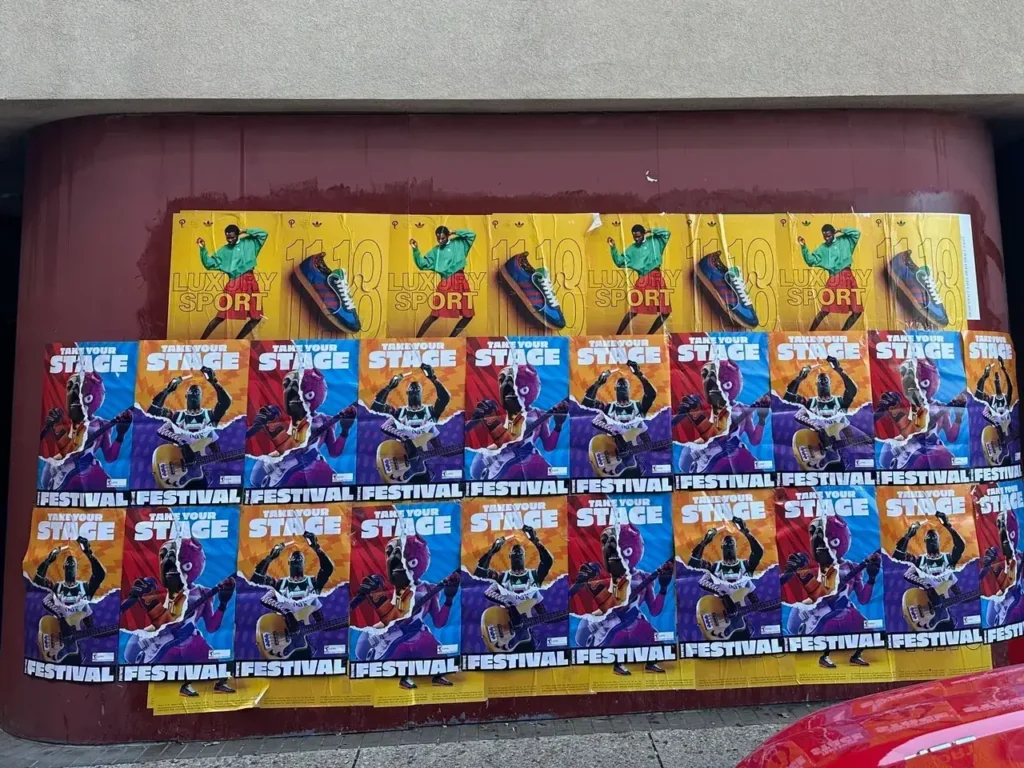
Festival activations put your brand in front of thousands of engaged consumers over a single weekend. The ideas that work are the ones that earn their space by doing something useful or genuinely surprising.
Festivals are some of the highest-density consumer marketing environments available. Coachella draws 125,000 people over three days. Lollapalooza pulls 400,000 across four days in Chicago’s Grant Park. SXSW generates 250,000 registered attendees in Austin every March. The audiences are self-selected, culturally engaged, and concentrated in a physical space for days at a time.
That concentration creates both the opportunity and the challenge. You are not the only brand with a festival activation idea. The competition for attention at major festivals is real. The brands that win are the ones whose activation earns attention by solving a problem, delivering something genuinely interesting, or creating a moment the festival-goer wants to document and share. The brands that lose spend money building something that nobody stops for.
We have activated at Coachella, SXSW, Governors Ball, Lollapalooza, Outside Lands, Bonnaroo, and dozens of regional music and cultural festivals. These are the activation ideas and approaches that generate real consumer engagement — not just foot traffic projections on a sponsorship deck.
The Activation Idea That Actually Works: Solve a Problem
The single most effective framework for festival activation ideas is simple: identify what festival-goers need, and provide it in a way that reinforces your brand.
Festival environments create specific, predictable consumer needs. People get hot. They need shade, water, and a place to sit. They get hungry and thirsty between food vendor lines. Their phones die. Their feet hurt. Their sunscreen runs out. They need a moment to decompress between stages. They want to document the experience but lack interesting backdrops.
Every one of those needs is a brand activation opportunity. The brand that provides shade and cold water in a beautifully designed lounge space earns 20 minutes of premium consumer attention without any hard sell. The brand that sets up a phone charging station generates a captive audience with direct access to the brand’s product while their phone charges. The brand that creates a visually striking physical installation generates photo documentation from thousands of festival-goers who share it without being asked.
The best festival activations feel like they belong at the festival. The worst feel like a brand inserted itself into an environment it does not understand. If the activation would feel more at home in a trade show booth than at the specific festival you are activating at, the creative concept needs more work before it goes to fabrication.
Activation Ideas by Festival Type
Different festival types attract different audiences with different expectations. A brand activation concept that works at a music festival may not translate to a food and wine festival or a cultural street fair. Matching the activation idea to the specific festival environment is as important as the idea itself.
Music Festival Activation Ideas
Branded rest and recharge lounge: Create a shaded, comfortable lounge space with seating, phone charging, and brand touchpoints. The best versions include a branded bar or beverage station where festival-goers can sample the brand’s product. The physical comfort draws people in; the brand experience happens naturally during dwell time.
Photo installation: Build a physical installation — a large-scale brand structure, an art piece, a fabricated environment — that festival-goers want to photograph. The installation should be visually distinct from the festival’s standard visual environment. It should be large enough to be visible from a distance and draw people toward it. Include a space within the installation where people can photograph themselves with the brand element.
Product sampling station: For beverage, food, or personal care brands, a high-volume sampling station at a high-traffic festival corridor can deliver thousands of product trials over a multi-day event. The station design needs to enable fast throughput — two to three staff members serving consumers at a comfortable pace without long waits.
Artist collaboration: Partnering with an artist or designer to create a custom installation or limited product run for the festival creates cultural credibility that a conventional brand presence cannot achieve. The artist brings their audience and their cultural authenticity. The brand brings the platform and the production resources.
Interactive game or experience: Physical games — a branded ring toss, a custom carnival game, an interactive competition — create engagement time and brand interaction that passive displays cannot. The game does not need to be elaborate; it needs to be genuinely fun and quick to play.
Food and Wine Festival Activation Ideas
Food and wine festival audiences are specifically there to eat and drink. Activations that position the brand within the consumption experience — providing something to drink, taste, or pair — are the natural fit. Activations that try to create a non-food experience in a food-first environment often compete unsuccessfully with the primary festival content.
Exclusive tasting or pairing experience: A branded tasting station or pairing experience that positions the product as part of the food and drink discovery the attendee is already seeking. This works particularly well for beverage brands, specialty food brands, and kitchen or home brands that can connect their product to the cooking or hospitality theme of the event.
Chef or bartender collaboration: Working with a participating chef or bartender to feature the brand’s product in a recipe or cocktail creates a credibility transfer from the food personality to the brand. Festival-goers attending the chef’s demo encounter the brand in a context that reinforces quality and culinary appropriateness.
Recipe card or content giveaway: Providing a physical recipe card, cocktail guide, or pairing recommendation that features the brand’s product gives attendees something useful they take home. Physical printed materials have longer shelf life in the home environment than brand swag that gets thrown away.
Cultural and Arts Festival Activation Ideas
Cultural and arts festivals attract an audience that is specifically resistant to conventional advertising and aggressive brand presence. Activations in these environments need to contribute to the cultural experience, not interrupt it.
Artist residency or commissioned work: Commissioning an artist to create work that is installed at the festival creates genuine cultural contribution. The brand’s association with the art is earned rather than purchased. This approach requires authentic artist selection — the artist’s work should genuinely align with the brand’s identity, not be chosen purely for audience size.
Workshop or skill-share: Hosting a workshop or skill-sharing session relevant to the festival’s cultural theme positions the brand as a contributor to the community. A paint brand hosting a mural workshop, a camera brand hosting a documentary film session, a music brand hosting a production masterclass — these create genuine value for attendees and natural brand association.
Festival Activation Formats
Format
Best Festival Type
Consumer Interaction Time
Build Complexity
Sampling Station
Music, food, cultural
30-90 seconds
Low
Branded Lounge
Music, fashion, lifestyle
10-30 minutes
Medium to High
Photo Installation
Music, arts, cultural
2-5 minutes
Medium to High
Interactive Game
Music, sports, family
3-10 minutes
Low to Medium
Service Experience
Beauty, wellness, lifestyle
15-45 minutes
Medium
Workshop or Demo
Arts, food, cultural
30-90 minutes
Medium
Location Within the Festival Matters Enormously
Where your activation sits within the festival footprint determines how much of the festival audience it reaches. The best activation idea in the worst location produces poor results. Understanding the pedestrian flow patterns of the specific festival you are activating at is as important as the activation concept itself.
High-traffic corridors at most music festivals include: the main entrance and exit paths (every attendee passes through these at least twice per day), the areas between main stages (attendees route through these to move between performances), and food and beverage vendor zones (these generate high dwell time and repeat daily traffic).
Lower-traffic areas include: corners of the festival footprint distant from stages, areas behind or between vendor structures, and locations with poor sight lines to high-traffic paths. A brand with a great activation concept but poor placement will reach a fraction of the audience that a simpler activation in a better location reaches.
At festivals where official sponsorship packages include activation space selection, negotiate specifically for placement near high-traffic corridors or stage areas. The premium for a better location is almost always worth the cost compared to the reduction in consumer reach from a poor placement. At festivals where you are activating adjacent to the perimeter, scout the pedestrian flow at street level during an earlier edition of the festival before committing to a specific activation spot.
Official Sponsorship vs. Non-Official Activation
Festival activations operate in two distinct modes: official sponsorship with dedicated branded space inside the festival perimeter, and non-official activations outside the perimeter or at nearby venues during the festival period.
Official sponsorship packages at major festivals range from $50,000 to millions of dollars depending on the sponsorship tier, the festival size, and the activation space allocated. These packages typically include rights to specific brand mentions, stage signage, and a designated activation footprint. The advantage is guaranteed access to the full festival audience within the event. The disadvantage is cost and the competitive density of other official sponsors.
Non-official activations — street-adjacent activations on public property around the festival perimeter, activations at nearby hotels and bars during festival weekends, shuttle and transit advertising that reaches attendees traveling to and from the festival — cost significantly less and can reach the same audience. They require careful planning to ensure they do not run afoul of the festival’s exclusivity arrangements with official sponsors, and they need creative approaches that work outside the controlled festival environment.
Staffing Festival Activations
Festival activation staffing presents specific challenges: long hours (10 to 14 hour days are standard at multi-day festivals), physically demanding conditions (heat, standing, high-volume interaction), and the requirement to maintain brand energy and enthusiasm for the full duration of each day.
Select staff with demonstrated stamina and genuine enthusiasm for the brand and the festival environment. Brief them comprehensively on the brand, the product, and the specific interaction objectives for the activation. Establish clear shift structures with breaks — brand ambassadors who have been on their feet for six hours without a break are not delivering quality consumer interactions. Festival staffing is one area where investing in quality makes an immediately visible difference in campaign outcomes.
What to Avoid at Festival Activations
A few patterns consistently underperform at festival activations, regardless of how they look on a campaign plan.
Activations that require too much consumer effort fail in festival environments. If someone has to wait in line for more than two to three minutes, answer several questions, or complete a registration process to receive a benefit, most festival-goers will keep walking. Festival environments prioritize the live experience over brand interactions. Your activation has to earn engagement, not demand it.
Activations with nothing to offer but brand messaging fail. Festival-goers have hundreds of other things competing for their attention. An activation that exists only to show the brand logo and hand out a pen is a sunk cost. The activation needs to provide genuine value — an experience, a service, a product sample, something useful — to earn consumer time.
Activations that feel mismatched to the festival culture fail. A conservative financial services brand running a loud game show format at a countercultural music festival creates cognitive dissonance that undermines both the brand and the activation. The best festival activations feel like they belong there. The worst feel like interruptions.
Documenting Festival Activations
Festival activations generate substantial documentation opportunities. Dedicated photography and video coverage from every day of the festival produces the content assets that extend the campaign value beyond the event itself. Photo documentation of consumer interactions, the activation environment, and the broader festival context provides the visual record that demonstrates campaign execution and generates post-event content.
At major festivals, a dedicated documentation team — one or two people focused exclusively on capturing the activation — is worth the investment. The campaign manager and brand ambassadors are focused on running the activation. They cannot simultaneously document it at the level of quality needed for post-event content use.
Building the Activation Narrative: Before, During, and After
The most effective festival activations operate across three distinct phases that extend the campaign beyond the event itself. The before phase builds anticipation and consumer awareness of the brand’s festival presence. The during phase delivers the in-person consumer experience. The after phase amplifies the documentation and extends the campaign’s audience through social and media channels.
Brands that treat festival activation as a single-day or single-weekend event miss two of the three phases entirely. A brand that announces its festival presence through social channels in the week before the event, documents the activation compellingly during the event, and publishes the best documentation content over the following two to four weeks extends the campaign’s effective consumer reach by a multiple of the in-person audience.
The before phase requires minimal investment beyond creative planning. A few social posts announcing the festival presence, teasing what consumers will find at the activation, and building excitement around any limited or exclusive elements the activation will offer. The after phase requires good documentation captured during the event, which reinforces the value of investing in dedicated documentation staff rather than relying on incidental phone photography from the activation team.
Staff Briefing for Festival Environments
Festival brand ambassador briefings require elements that standard event staffing briefs do not. Brand ambassadors working a festival need preparation for: high-volume sustained interaction across a full festival day, managing consumer interactions in high-noise environments where verbal communication requires physical closeness, the physical demands of outdoor work in sun, heat, and standing, and the social environment of the festival itself — understanding the cultural context well enough to feel authentic in it rather than awkward.
We conduct festival-specific pre-activation briefings that cover brand and product knowledge, the activation’s specific mechanics and objectives, festival-specific conduct guidelines (both the festival operator’s requirements and the brand’s standards), documentation protocol, and a clear chain of escalation for the situations that come up on a festival day. The briefing happens in person, at the activation space if possible, so ambassadors can orient themselves to the physical environment before the festival opens to the public.
Staff energy management across a multi-day festival matters as much as pre-event preparation. Ambassadors who were excellent on Day 1 after 12 hours of work may be depleted by Day 2 afternoon. Shift structures, mandatory breaks, and crew meals and hydration are operational commitments that affect consumer experience quality throughout the event, not just on the first day.
Technology Integration in Festival Activations
Festival activations increasingly integrate technology elements that create new consumer interaction possibilities. Digital displays that respond to consumer action, charging stations that connect consumers to branded digital content while their phones charge, QR code activations that enable exclusive content or offers, and social sharing mechanics that encourage organic documentation all add digital dimensions to the physical festival activation.
Technology integration in festival environments requires specific engineering considerations. Outdoor digital displays need high-brightness panels to be legible in daylight conditions. Electronics need weatherproofing against the possibility of rain. Power requirements for technology elements need to be calculated and provided for in the power planning. And any technology that requires a consumer’s phone data connection needs to account for the poor cellular coverage that dense festival crowds regularly create.
The best technology integrations enhance the physical experience rather than replacing it. A consumer who has to stop interacting with a human brand ambassador to interact with a screen is getting a worse experience. A consumer who is interacting with a brand ambassador while something interesting happens on a screen behind them is getting an enhanced one.
Festival Activation Debrief and Learning
Every festival activation produces learnings that improve the next one. The debrief — conducted with the full activation team within 48 hours of the event’s conclusion — captures the operational learnings that fade quickly if not documented: what the setup challenges were, which locations had better consumer flow than expected, which ambassador approaches generated the most engagement, what product ran out first and why, what the weather required that was not in the plan.
Formalizing the debrief process makes those learnings available for the next campaign planning cycle. We produce written debrief notes for every festival activation that become part of the program documentation and inform the planning for subsequent events. Brands that use festival activation on an annual basis can trace the improvements in execution quality directly to the debrief and learning cycle applied from year to year.
Planning a Festival Activation Calendar
Brands that activate at festivals regularly build annual activation calendars that sequence events by season, target consumer, and geographic reach. The spring festival season — South by Southwest in March, Coachella in April, numerous regional spring music and cultural festivals through May — reaches a different consumer profile than the summer season, which includes Lollapalooza, Outside Lands, and the height of the outdoor music festival calendar.
A well-planned annual festival activation calendar balances budget allocation against consumer reach objectives. Not every festival warrants the same level of activation investment. A brand might allocate a premium activation budget for two or three major national festivals where its core consumer is heavily concentrated, supplemented by lighter activations at regional festivals that provide local market presence at lower cost.
Calendar planning also allows for the kind of advance sponsorship commitment timelines that major festivals require. Brands that plan their festival activation calendar 9 to 12 months in advance can secure the best sponsorship packages and activation space placements. Brands that plan 6 weeks in advance often find that the best placements and packages are already committed to competitors who planned earlier.
The most productive festival activation calendars treat the festival as a relationship-building opportunity, not a one-time consumer touchpoint. Brands that appear consistently at the same events over multiple years become part of the festival’s identity in the minds of returning attendees. That consistency creates the foundation for brand community that single-event activations cannot build regardless of the production quality of the activation itself.
Understanding what your brand can authentically offer at a festival — the actual utility, service, or experience it is qualified to provide — is the foundation of a festival activation idea that earns consumer engagement rather than forcing it. The best ideas come from this honest self-assessment applied to the specific festival context, not from lists of what other brands have done at other festivals in other years.
Frequently Asked Questions
What makes a festival activation successful?
Successful festival activations solve a problem for festival-goers — heat, hunger, thirst, phone charging, sun protection — while delivering a brand experience. Activations that serve a genuine need generate organic dwell time and word-of-mouth traffic without requiring hard sell.
How early do I need to book festival activation space?
For major festivals like Coachella, Lollapalooza, and SXSW, activation space planning typically begins 6 to 12 months in advance. Official sponsorship packages with dedicated activation space are sold on annual contracts. Non-official street-adjacent activations have more flexibility but still require significant lead time for permitting and logistics.
What festival activation formats generate the most social content?
Installations with distinct visual identity, photo-optimized backdrops, interactive physical elements (spin wheels, stamp stations, personalization), and shareable giveaways consistently generate high organic social documentation from festival-goers.
Can brands activate near festivals without official sponsorship?
Yes. Street-adjacent activations outside festival perimeters, activations at nearby hotels and venues during festival weekends, and compliant off-site experiences are all legitimate approaches that many brands use to reach festival audiences without paying official sponsorship fees.