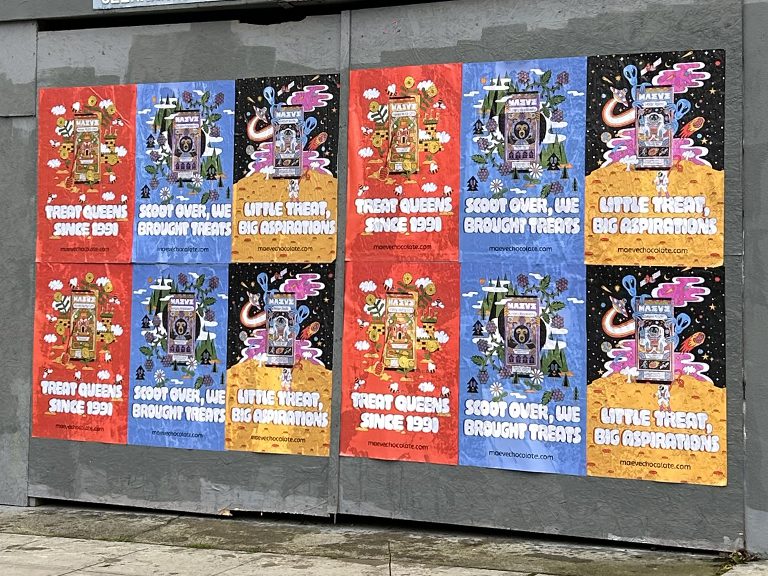
Experiential Marketing Seattle | American Guerrilla Marketing
Seattle has one of the highest concentrations of educated, outdoors-oriented, and tech-forward consumers in the country. Brands that earn loyalty here earn it genuinely — and Seattle consumers are not shy about sharing what they love.
Seattle is a market that rewards quality. The city’s consumer base, concentrated heavily in the technology, outdoor recreation, and coffee culture sectors, evaluates brand experiences with a level of discernment that comes from living in a city where both companies and products are routinely judged against extremely high standards. This is the city that gave us Amazon, Starbucks, REI, and a coffee culture that changed the country. The bar for brand experience here is informed by that legacy.
We are American Guerrilla Marketing. We have activated brands in Seattle across multiple neighborhoods and event contexts. This guide covers the Seattle market — its neighborhoods, its consumer character, its seasonal considerations, and what experiential programs actually work here.
Why Seattle Is a Priority Experiential Marketing Market
Several characteristics make Seattle a market worth specific investment rather than treating it as a secondary West Coast activation after San Francisco and Los Angeles.
Corporate headquarters concentration: Seattle is the headquarters city for Amazon, Microsoft, Boeing, Starbucks, Costco, REI, and Nordstrom, among others. This creates a very high concentration of well-compensated professionals with significant discretionary income. The consumer base skews toward premium, quality-conscious purchasing in most categories.
Outdoor culture: Seattle’s proximity to the Cascades, the Olympic Peninsula, and the Pacific coast creates a strong outdoor recreation culture that is embedded in the city’s consumer identity in a way that few other major US cities match. Outdoor brands, fitness brands, and any company whose story touches on nature, sustainability, or active lifestyle finds a highly receptive audience here.
Food and coffee culture: Seattle’s food and beverage culture is among the most developed in the country. The Pike Place Market, a thriving independent restaurant scene, craft brewery culture, and the world’s most demanding coffee consumer base all create a consumer environment that rewards genuine quality and authentic brand stories in food and beverage categories.
Early adopter technology culture: The concentration of Amazon and Microsoft workers, plus the hundreds of tech companies that have grown up around them, creates a strong early adopter culture for technology products and innovation-oriented brands. Seattle consumers are generally comfortable with new technology and are willing to give new brands a genuine try when the product delivers.
Seattle Neighborhoods for Brand Activation
Neighborhood
Consumer Profile
Best Brand Fits
Capitol Hill
LGBTQ+ community, young creatives, nightlife, arts and music scene
Lifestyle brands, food and beverage, youth culture, LGBTQ+-relevant brands
Seattle’s weather pattern is one of the most defining factors in activation planning for this market. The city receives a significant proportion of its annual rainfall between October and May, with relatively dry and genuinely beautiful summers. This seasonal pattern has important implications:
Summer (June through September): Seattle’s outdoor activation season is concentrated in these months. The city responds to summer weather with an energy that reflects how much people have been waiting for it. Farmers markets, outdoor festivals, parks programming, and waterfront activations all draw enormous crowds during the Seattle summer. This is the highest-value outdoor activation window in the market.
Fall and Winter (October through February): Outdoor activations require weather contingency in this period. Indoor activations, retail programs, and event integrations become the dominant format. Holiday season programs in the Pike Place Market area and indoor retail activations maintain consumer engagement through the wet season.
Spring (March through May): A variable window. Some spring days in Seattle are excellent for outdoor programming; others are wet and cold. Programs in this window need flexible execution plans that can adapt to conditions.
Seattle summer is short and precious. When the sun comes out in Seattle, the entire city mobilizes to be outside. Outdoor activations during July and August in Seattle produce consumer energy and engagement that you do not find in other markets because the good weather itself is part of the cultural event. Position your brand in that moment.
Major Seattle Events for Brand Activation
Bumbershoot Music and Arts Festival (Labor Day Weekend): One of the largest arts and music festivals in the Pacific Northwest. Strong consumer activation environment.
Capitol Hill Block Party (July): Music festival in Capitol Hill neighborhood. Strong youth and creative audience.
Seattle Seahawks and Mariners game days: Major sports events drawing large crowds to the south end of downtown and surrounding neighborhoods.
Seattle Marathon (November): Annual marathon with strong spectator presence along the waterfront and through the city.
Seattle Pride (June): One of the largest Pride events in the Pacific Northwest. Strong for brands with authentic LGBTQ+ community values.
Pike Place Market events: Year-round programming at Pike Place creates consistent high-traffic activation opportunities in one of the most visited destinations in the Pacific Northwest.
Seattle’s Outdoor Recreation Consumer
For brands in the outdoor, fitness, or active lifestyle category, Seattle is one of the highest-value activation markets in the country. The consumer who shops at REI’s flagship store on Capitol Hill, who hikes the Cascades on weekends, who trail-runs around Greenlake in the morning before going to their Amazon office — this consumer is the exact target audience for a large range of outdoor, fitness, and active lifestyle brands.
Reaching this consumer in Seattle requires positioning in the environments they inhabit: trailheads and parks, fitness studios and gyms, running events, outdoor gear shops, and the farmers markets and food destinations that punctuate their active lifestyle. A brand that appears in these contexts, with product that genuinely serves the outdoor-active consumer, finds an audience that is both highly receptive and highly loyal when the product delivers.
AGM in Seattle
We manage Seattle campaigns from our New York headquarters with dedicated Pacific Northwest field management. Our Seattle ambassador networks include people embedded in the city’s technology, outdoor, and creative communities. For national campaign clients, we recommend Seattle as a priority West Coast market alongside San Francisco and Los Angeles for brands in outdoor, technology, food and beverage, and premium lifestyle categories.
Measuring Seattle Activation Performance
Seattle’s measurement environment has specific characteristics that affect how program performance should be evaluated.
Lead capture quality in Seattle tends to be higher than national averages because the tech-forward, digitally sophisticated consumer base is more accustomed to providing contact information through digital interfaces and more likely to engage with brand follow-up sequences. Programs that invest in digital lead capture integration — CRM-connected mobile capture tools rather than paper-based collection — see higher data quality and faster digital conversion timelines in Seattle than in less tech-oriented markets.
Social documentation rates are also above average in Seattle, particularly in the outdoor, food, and technology categories where consumer documentation behavior is strong. The documented activation reach that programs generate in Seattle through organic consumer social content extends the program’s consumer contact well beyond the individuals who were physically present.
For programs with retail distribution components, tracking sales velocity at key Seattle retail accounts is particularly important because Seattle’s consumer base includes a high proportion of the category-specific early adopters whose purchase behavior predicts broader national adoption patterns. A strong velocity performance at Seattle’s key specialty retail accounts provides forward-looking evidence about national market potential that many brands value for investor and buyer communications as well as for internal campaign evaluation.
AGM in Seattle
We manage Seattle campaigns with dedicated Pacific Northwest field management and ambassador networks that include people with genuine roots in the city’s key consumer communities. Our Seattle market knowledge covers the specific operational realities that affect program execution: the neighborhoods, the seasonal timing, the event calendar, and the consumer behaviors that make Seattle different from other Pacific Northwest markets like Portland.
For brands including Seattle in a national program, we provide the same operational standard in Seattle that we deliver in our home market of New York. Same daily reporting cadence, same quality management standards, same consumer experience goals. The geographic distance does not change the quality standard.
Seattle’s Consumer Categories: Where Brands Win
Seattle’s specific consumer culture creates distinct opportunities in several brand categories. Brands in these categories find the Seattle market particularly receptive:
Outdoor and active lifestyle brands: Seattle is the outdoor brand testing ground. Residents who hike the Cascades on weekends, trail run through Discovery Park before work, and kayak Puget Sound on summer evenings are among the most demanding and most loyal outdoor consumers in the country. A brand that earns genuine credibility with the Seattle outdoor community earns a signal that resonates nationally.
Coffee and specialty beverage brands: Seattle invented American specialty coffee culture. The consumer base here is among the most knowledgeable and most demanding beverage consumers in the world. A brand that earns genuine approval from Seattle’s coffee-aware consumer community has passed a quality test that national media recognizes as meaningful. Coffee alternative brands, premium tea brands, and specialty beverage producers find Seattle a uniquely valuable credibility-building market.
Technology and apps: The concentration of Amazon and Microsoft workers — and the hundreds of tech companies that have grown up around them — creates a consumer base that is more technologically sophisticated than almost any other US market. New technology products, apps, and consumer electronics find early adopter communities in Seattle that can generate genuine usage and organic advocacy before a product reaches mass market distribution.
Sustainable and mission-driven brands: Seattle’s consumer culture places high value on environmental responsibility, ethical sourcing, and corporate accountability. Brands with genuine sustainability credentials — not greenwashed messaging but actual product and business practice sustainability — find more receptive audiences in Seattle than in most other major US markets. The REI consumer is not a niche Seattle consumer — the REI value orientation is mainstream Seattle consumer culture.
Pike Place Market: Seattle’s Highest-Value Activation Location
Pike Place Market is the most visited tourist destination in Seattle and one of the most foot-traffic-dense public spaces in the Pacific Northwest. For brands seeking broad consumer reach with high quality of consumer engagement, Pike Place and the surrounding Pike-Pine corridor represent some of the most valuable activation real estate in the city.
The Pike Place Market draws both local residents and tourists in roughly equal measure, creating a consumer environment that is both geographically concentrated and demographically diverse. Food and beverage brands, artisan products, and lifestyle brands with strong quality stories find highly receptive audiences here. The market’s culture — built around quality, craft, and direct producer-to-consumer relationships — creates contextual alignment for brands that genuinely share those values.
Activation at or near Pike Place requires advance coordination with the market’s management for any activity that takes place within the market’s footprint. The adjacent streets, particularly First Avenue and Pike Street, are publicly accessible and create strong brand presence locations that benefit from the market’s consumer concentration without requiring formal market participation.
The concentration of Amazon, Microsoft, and hundreds of other technology companies in the Seattle metro creates a consumer demographic that is genuinely different from the tech worker demographics of San Francisco and New York. Seattle’s tech community has a more outdoor-active, community-oriented character than Silicon Valley’s, and a stronger neighborhood loyalty than Manhattan’s. Brands that understand this specific character create more resonant activations than brands that treat “tech workers” as an undifferentiated national demographic.
The South Lake Union neighborhood, where Amazon’s campus dominates, has transformed dramatically in recent years into a high-density mixed-use environment with substantial daytime and evening foot traffic. Midday and after-work activation windows in South Lake Union reach tens of thousands of tech workers in a compressed geographic area. Food, beverage, wellness, and technology brands find this corridor highly productive.
The Capitol Hill, Fremont, and Queen Anne neighborhoods adjacent to the tech core attract significant numbers of tech workers as residents, creating activation opportunities in environments that feel less corporate than the office district. Brands that activate in these residential neighborhoods during morning markets, weekend events, and evening destination moments reach the tech worker in their off-hours, personal-life context — which often produces a different quality of brand connection than activations in the work-adjacent corporate corridor.
Seattle Budget and Investment Guide
Seattle is a moderately expensive activation market — less expensive than New York and Los Angeles but more expensive than mid-size Midwest markets. Budget ranges for different program scales:
A focused single-neighborhood activation in Capitol Hill or Fremont with a strong brand team: $7,000-$15,000 per day. A multi-day Seattle program covering two to three neighborhoods: $25,000-$60,000. A summer event integration program around Bumbershoot or another major Seattle event: $20,000-$60,000 depending on scale and format. A sustained multi-month Seattle presence program: $60,000-$150,000 for a comprehensive program with regular neighborhood activations and event integrations across the outdoor season.
These investment levels produce returns that reflect Seattle’s specific market characteristics: outdoor and tech consumers who are highly loyal once won, a food and beverage consumer culture that rewards genuine quality with strong word-of-mouth, and a media environment that is less dense than New York or LA but still capable of generating meaningful regional coverage for programs that earn it.
Seattle Events Beyond Bumbershoot
While Bumbershoot and the major sports seasons are the most well-known activation opportunities in Seattle, the city’s event calendar has several less-commonly-activated windows that produce strong results for brands willing to move beyond the obvious.
Seattle Restaurant Week (October and April): A citywide promotion that concentrates consumer attention on food and dining. Food and beverage brands that align sampling and tasting programs with Seattle Restaurant Week reach a self-selected audience of food-enthusiastic consumers during a period when their attention is deliberately focused on discovering new food experiences.
Seattle Design Festival (September): A week of design-focused events, open studios, and public installations that concentrates the creative and design community across the city. Brands in home goods, technology, fashion, and premium consumer goods find strong audiences here that are receptive to brand stories about craft, design excellence, and material quality.
Earshot Jazz Festival (October-November): One of the most significant jazz festivals in the country, drawing audiences with strong arts-engaged, adult professional demographics. Premium consumer brands in food, beverage, and lifestyle find strong consumer quality at Earshot events.
Seafair (July-August): A month-long Seattle civic celebration including hydroplane races, the Blue Angels air show, and a wide range of waterfront and neighborhood events. Draws enormous crowds and represents one of the highest consumer concentration periods of the Seattle summer. Broad consumer goods brands find exceptional access to diverse Seattle audiences during Seafair.
Why Brands Add Seattle to Their National Programs
Seattle consistently earns a place in national brand activation programs for several reasons beyond its population size.
The market-making quality of the Seattle consumer for specific categories — outdoor, coffee, technology, sustainability — gives brands a credibility signal that translates to their broader national narrative. A brand that has earned genuine market acceptance in Seattle can claim a quality validation that carries weight in the national marketing context.
The media efficiency of Seattle activations is also strong. The Pacific Northwest media market is active and regional coverage of compelling brand stories in Seattle reaches audiences across Oregon, British Columbia, and the broader Pacific Northwest region. Seattle activations can generate regional earned media reach that extends well beyond the city’s immediate consumer population.
The Seattle Activation Standard: What This Market Demands
Seattle consumers do not grade on a curve. This is a city where the coffee is genuinely excellent, the outdoor gear is put to serious outdoor use, and the technology expectations are set by the people who built the technology. Brand activations that do not meet the quality standard this consumer environment implies are noticed, evaluated, and found lacking in ways that other markets might be more forgiving about.
The practical implication for brands entering Seattle: do not send your B-team to this market. Send the best product specialists who know the product most deeply. Position in the locations with the highest-quality consumer concentration, not just the highest foot traffic. Create an experience that holds up to the scrutiny of a consumer who knows quality when they encounter it and expects it.
The reward for meeting this standard is a consumer loyalty that is exceptional. Seattle consumers who become brand advocates talk about brands with the same specificity and credibility that they bring to their professional expertise. A favorable word about your brand from a Seattle software engineer or REI devotee carries weight in their social network that a branded social post cannot generate. Earning that genuine consumer endorsement requires meeting the city’s quality standard first.
The brands that earn it find Seattle one of their most productive markets for organic advocacy and word-of-mouth generated return on their activation investment. The ROI from Seattle programs often exceeds what comparable investments in larger, less discerning markets produce, precisely because the consumer quality and the loyalty depth of the Seattle consumer base is higher than in markets where consumers are easier to impress.
The Portland comparison is worth addressing directly for brands planning Pacific Northwest programs. Portland and Seattle are often treated as interchangeable regional markets by national program planners. They are not. Portland’s consumer culture is more countercultural and craft-oriented; Seattle’s is more professional and technology-forward. Portland’s outdoor culture skews toward cycling and urban sustainability; Seattle’s skews toward alpine and water-based recreation. A program designed for one city does not translate directly to the other. Brands that want to reach the Pacific Northwest should plan specifically for each city, not create a single Pacific Northwest program that is too generic to earn genuine engagement in either market.
Seattle is a market that builds brand advocates. When your activation program earns genuine engagement from this city’s consumers, the advocacy they generate on the brand’s behalf is more credible, more persistent, and more influential than what equivalent investments produce in less discerning markets. We know how to earn that engagement in Seattle, and we are ready to build that program for your brand.
Frequently Asked Questions
What makes Seattle a valuable experiential marketing market?
Seattle is home to the headquarters of Amazon, Microsoft, Boeing, Starbucks, and REI. The concentration of tech professionals, outdoor enthusiasts, and highly educated consumers creates a receptive and influential brand activation audience. Seattle consumers have strong brand loyalty once earned and are particularly responsive to quality and authenticity.
What are the best Seattle neighborhoods for brand activations?
Capitol Hill for youth culture, arts, and nightlife brands. Fremont for quirky, creative, and community-oriented brands. Queen Anne and the South Lake Union tech corridor for tech and professional brands. Pike Place Market area for food and broad consumer brands with high tourist reach.
How does Seattle’s weather affect outdoor activations?
Seattle’s rainy season runs roughly October through May, with the driest and most favorable outdoor activation weather from June through September. The summer months in Seattle are particularly strong for outdoor programming as the population responds enthusiastically to good weather after a long wet season.
What events create strong activation windows in Seattle?
Bumbershoot music and arts festival (Labor Day weekend), Seattle Seahawks and Mariners game days, the Seattle Marathon, Capitol Hill Block Party, and Seattle Pride all create strong consumer concentration windows for brand activation programs.