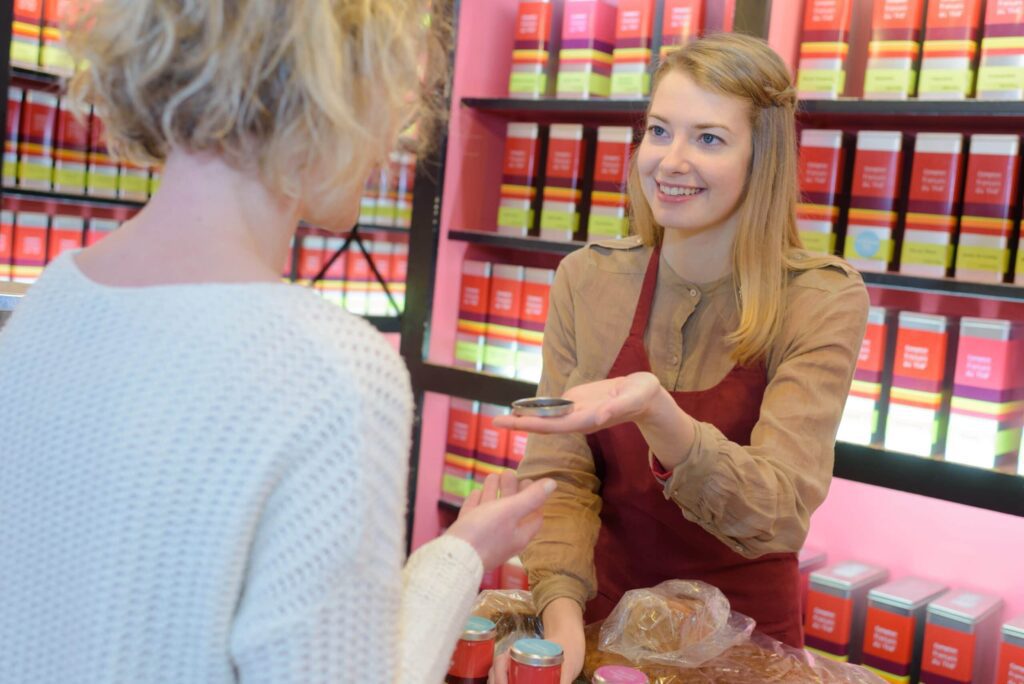
West Virginia represents something many national brands overlook: a market where genuine consumer engagement is achievable without the noise and competition that make outreach difficult in larger cities. When a brand takes the time to show up in Charleston, Huntington, or Morgantown with a well-run product demonstration, consumers notice. They engage. And they remember. In a state where quality brands don’t always have local representation and where word-of-mouth carries exceptional weight, a well-executed product demo program can build meaningful market presence faster than almost any other marketing approach.
Product demonstrations in West Virginia work because they meet consumers where they already are: at their grocery stores, at their community events, at the retailers they visit week after week. A knowledgeable brand ambassador who can hold an honest conversation about a product, answer real questions, and put something directly into a shopper’s hands creates the kind of brand memory that digital advertising cannot replicate. At American Guerrilla Marketing, our team deploys trained demonstration staff across West Virginia with the logistics and accountability infrastructure to make every event count.
This guide covers the West Virginia markets we serve, the retail formats that produce the best demo results, and what a professionally managed demonstration program delivers for brands entering or expanding in the state.
Why Product Demonstrations Work Particularly Well in West Virginia
West Virginia consumers are practical, value-oriented, and loyal. When they find a product that works for them, they stick with it and tell others about it. That loyalty is the upside of the same community-oriented culture that makes West Virginia a distinctive market. But it also means that first impressions carry enormous weight. A consumer who encounters your brand through a well-run demonstration, gets real answers to their questions, and walks away with a positive product experience becomes the kind of brand advocate who recommends you to their neighbors, coworkers, and family members.
In larger urban markets, the competition for consumer attention is intense. Brands spend significant resources just to get noticed before they can communicate anything meaningful. In West Virginia’s retail environment, a brand ambassador who knows their product deeply and engages authentically with shoppers stands out immediately. The lower noise floor means your message gets through more clearly, and the community dynamics mean that positive trial experiences propagate faster through local social networks.
The practical implication: a West Virginia demo program typically delivers higher engagement rates and stronger trial-to-repeat purchase conversion than comparable programs in more saturated urban markets. Brands that invest in West Virginia early build the kind of loyal customer base that sustains market position for years.
West Virginia Markets Where Demo Programs Deliver Results
Charleston
Charleston is West Virginia’s capital and largest city, with a retail environment anchored by Kroger, Sam’s Club, Walmart, and a growing specialty food sector. The Charleston Town Center area and the South Hills shopping corridor both support active consumer foot traffic. Charleston’s professional community, state government employment base, and healthcare industry create a diverse consumer audience with varying product needs. Demo programs targeting food, wellness, and household goods all find receptive audiences in Charleston’s retail ecosystem.
Huntington
Huntington’s position near the Kentucky and Ohio borders makes it a regional retail hub drawing consumers from multiple states. Marshall University’s presence creates a younger consumer demographic that’s particularly receptive to new brand discovery. The city’s established grocery retail network, including Kroger and various independent retailers, supports structured in-store demo programs. Consumer goods, food products, and personal care brands all perform well in Huntington demo activations.
Morgantown
Morgantown is home to West Virginia University, one of the region’s largest universities, and its retail environment reflects a younger, student-influenced consumer base. The downtown core and Suncrest Town Centre both support active retail demo programs. Health-conscious and lifestyle products, food brands with a quality or craft positioning, and tech-adjacent consumer goods all find engaged audiences in Morgantown’s demographically skewed market.
Parkersburg and Wheeling
These northern West Virginia markets serve regional populations with strong ties to Ohio, creating a retail catchment area that extends well beyond city limits. Demo programs in Parkersburg and Wheeling reach consumers who represent both the West Virginia market and the adjacent Ohio mid-market. Practical household goods, food staples, and value-oriented products typically perform well in these corridors.
Retail Demo Formats for West Virginia Markets
The West Virginia retail landscape is dominated by grocery chains, big-box retailers, and a network of independent specialty stores that serve local communities. Our demo programs are structured to operate effectively across all of these formats.
Grocery chain demonstrations at Kroger, Food Lion, and Walmart locations across West Virginia provide the highest foot traffic and most direct path to purchase conversion. Our brand ambassador teams coordinate with store management to schedule demos at optimal traffic windows, typically Saturday mornings and early afternoon slots that capture the peak weekly shopping rush.
Community and civic event activations across West Virginia’s town square events, county fairs, and community festivals reach consumers outside the retail environment in a context where new product discovery is expected and welcomed. The state’s strong calendar of regional events, from the West Virginia State Fair in Lewisburg to local farmers markets in Charleston and Morgantown, provides excellent demo activation opportunities.
Specialty and independent retail demonstrations at natural food stores, gift shops, and regional specialty retailers allow for longer, more detailed product conversations that work well for premium products with compelling ingredient or origin stories. These retail partners often appreciate demo programs as a value-add that differentiates their store experience from big-box competition.
What AGM’s West Virginia Demo Program Delivers
Our product demonstration programs in West Virginia are built on the same operational foundation we deploy across 50+ U.S. markets. Every program begins with a planning phase that identifies target retail locations, confirms retailer agreements, determines the optimal demo schedule based on traffic patterns, and develops the training program for your product’s brand ambassadors.
Training covers your product’s key differentiators, target consumer profile, common objections and how to address them, and the documentation process our ambassadors use to track interactions throughout each event. By the time your team is deployed in West Virginia retail locations, they’re prepared to represent your brand with confidence and accuracy.
We provide day-of supervision for all activations through our field management team, which monitors execution quality, addresses any operational issues, and ensures the brand presentation remains consistent with your standards. This supervision layer is what separates professional demo programs from amateur staffing operations, and it’s what allows us to guarantee consistent execution quality across every market we serve.
Post-campaign reporting includes GPS-tagged photography, interaction logs, sample quantities, and any qualitative feedback collected from brand ambassadors about consumer reactions, common questions, and competitive landscape observations. This information feeds directly into planning for future campaign phases and helps identify the strongest retail partners for ongoing programs.
Extending Your West Virginia Demo Presence with Ambient Marketing
In-store demos perform best when supported by ambient marketing that builds brand recognition in the community before shoppers enter the retail environment. Our team can pair West Virginia demo programs with street-level marketing activations that seed brand awareness ahead of demo events.
Guerrilla marketing activations in high-traffic pedestrian areas near retail locations, wheatpaste poster campaigns in approved locations throughout target neighborhoods, and street team deployments that distribute samples and brand materials all create the multi-touchpoint awareness arc that makes in-store demos more productive. When consumers recognize your brand before they reach the demo table, the interaction shifts from cold introduction to warm confirmation, and conversion rates reflect the difference.
LED billboard trucks traveling through Charleston or Morgantown’s commercial corridors during demo week create visual brand presence that reaches consumers at work, in traffic, and anywhere along their route, not just those who happen to visit the specific retail locations where demos are running.
Building Brand Loyalty Through Sustained West Virginia Presence
The brands that build the strongest positions in West Virginia are those that commit to sustained presence rather than episodic activity. A single demo weekend creates trial at a handful of locations. A quarterly demo program across 10-15 West Virginia retail locations creates genuine market presence that changes brand velocity at the category level.
As a program matures, we shift resources toward the strongest-performing locations and add new retail partners based on category fit and consumer response data. We also use accumulated knowledge about West Virginia consumers’ preferences, questions, and purchasing triggers to refine the demo format over time, improving conversion rates with each successive campaign phase.
For brands using West Virginia as a regional proof-of-concept before expanding to larger markets, we provide the documented performance data needed to make that expansion case internally. West Virginia demo results, paired with ambient marketing documentation and sell-through analysis, build the evidence base that supports resource allocation decisions for broader regional campaigns.
Frequently Asked Questions
Is West Virginia a viable market for product demonstrations?
Yes. West Virginia is an underserved market where brands face less competition for consumer attention than in coastal cities. Consumers here are loyal once they discover a brand they trust, and demo programs that deliver genuine value build lasting relationships. Charleston, Huntington, and Morgantown all support active retail demo programs.
Which cities in West Virginia does AGM cover for product demonstrations?
We operate in Charleston, Huntington, Morgantown, Parkersburg, Wheeling, and other West Virginia markets. Our statewide network allows us to reach multiple cities in a single campaign cycle efficiently.
What product categories perform best in West Virginia demonstrations?
Food and beverage, household goods, personal care, and outdoor and sporting goods all perform well. Products with a practical value proposition that’s clear within a short demonstration window are particularly effective in West Virginia markets.
How does AGM recruit brand ambassadors in West Virginia?
We maintain a network of trained brand ambassadors across West Virginia markets, supplemented by targeted local recruitment for campaigns requiring specialized category knowledge. All ambassadors complete our standard product training before their first activation.
Can product demonstrations help a brand build presence in West Virginia before going to larger markets?
Absolutely. West Virginia is an excellent proof-of-concept market for brands testing messaging, demo formats, and consumer response before scaling to larger markets. The lower media noise and high consumer engagement make it easier to observe genuine reactions and refine your approach.
Does AGM provide documentation for West Virginia demo campaigns?
Yes. Every campaign includes GPS-tagged photography, interaction logs, sample counts, and a post-campaign performance report that supports internal reporting and future campaign planning.