Washington State’s consumer market is one of the most dynamic in the country. Seattle’s tech economy has built one of the highest concentrations of high-income professional households in the United States, and the Pacific Northwest food and lifestyle culture has created a consumer base that’s curious, quality-driven, and actively seeking brands that deserve their loyalty. Product demonstrations in Washington State tap directly into this consumer energy, creating the hands-on brand experiences that convert curious shoppers into committed buyers.
The challenge for brands entering Washington is that this market is also sophisticated and discerning. Consumers here don’t respond to hype. They respond to products that deliver genuine value and brand representatives who know what they’re talking about. A well-executed product demonstration that gives a Seattle or Spokane shopper real information, a memorable taste or trial experience, and a knowledgeable conversation partner can establish more brand equity in a single interaction than weeks of digital advertising in the same market.
At American Guerrilla Marketing, our team deploys trained product demonstration specialists across Washington State’s retail landscape, from the Pike Place Market neighborhood to the big-box corridors of Spokane’s South Hill, from Bellevue’s premium retail centers to Tacoma’s neighborhood grocery chains. We execute with the operational rigor that Pacific Northwest consumers and retailers expect and document every activation so your investment is fully accountable.
Washington State’s Consumer Landscape and What It Means for Demo Strategy
Understanding Washington State’s consumer culture is the foundation of effective demo strategy. The Puget Sound metro area, which includes Seattle, Bellevue, Kirkland, Redmond, and Everett, is home to Amazon, Microsoft, and dozens of major tech employers whose workforces represent one of the highest-income and highest-education consumer concentrations in the country. These consumers have the purchasing power to adopt premium products and the social networks to spread product recommendations rapidly.
Eastern Washington, anchored by Spokane, represents a different but equally valuable consumer profile. Spokane’s market is more traditionally Midwestern in character, with strong community ties, practical value orientation, and a retail ecosystem anchored by major grocery chains and regional specialty retailers. Demo programs in Spokane reach a consumer who may be less brand-saturated than their Seattle counterparts but is equally loyal once a brand earns their trust.
The thread that runs across Washington State’s consumer culture is a genuine commitment to quality. Washington is the state that built global brands in coffee, outdoor gear, natural food, and craft beverage by delivering on quality promises consistently. Brands that launch into Washington with demo programs built around authentic product quality and honest consumer engagement find audiences that are not just willing to try something new but eager to discover their next great brand.
Key Washington State Markets for Product Demonstrations
Seattle and the Puget Sound Corridor
Seattle is Washington’s flagship demo market. The city’s dense walkable neighborhoods, including Capitol Hill, Fremont, Ballard, West Seattle, and the Central District, all host specialty grocery, farmers markets, and neighborhood retailers that support active demo programs. Pike Place Market attracts both local shoppers and visitors who represent a cross-section of the most engaged consumer audiences in the region. The Eastside markets of Bellevue and Kirkland concentrate the tech-sector professional demographic that drives premium product adoption.
Tacoma
Tacoma is Washington’s second-largest city and an increasingly dynamic market with a growing arts, food, and lifestyle scene. The city’s revitalized urban core, anchored by UW Tacoma and a growing restaurant district, supports quality-oriented consumer brands. Tacoma’s proximity to Joint Base Lewis-McChord also creates a significant military household consumer segment with distinct purchasing patterns and brand loyalty behaviors.
Spokane
Spokane serves as the retail hub for eastern Washington, northern Idaho, and portions of Montana, making it a regionally important demo market. The South Hill, Northtown, and downtown Spokane retail corridors all support grocery and specialty retail demo programs. Washington State University’s presence in nearby Pullman contributes a younger consumer segment that cycles through Spokane’s retail market regularly.
Olympia and Southwest Washington
Olympia’s status as the state capital creates a professional household consumer base with specific demographic characteristics. The state government employment ecosystem, combined with a strong progressive consumer culture, makes Olympia particularly receptive to sustainable, organic, and mission-driven brands. Demo programs in Olympia also reach consumers from the broader South Sound region.
Retail Demo Formats That Succeed in Washington State
Washington State’s retail environment encompasses several formats that support product demonstrations, each with distinct characteristics that affect how programs should be structured.
Natural and specialty grocery demonstrations at PCC Community Markets, Central Co-op, Thriftway, and other Washington-based natural retailers provide access to the most engaged and quality-oriented consumer segment. These retailers’ shoppers are actively in product discovery mode and respond to demonstrations led by brand ambassadors who share their values around quality, sourcing, and sustainability. Our brand ambassador teams are trained to lead these values-oriented conversations authentically.
Conventional grocery chain demos at QFC, Safeway, Fred Meyer, and other major Washington chains provide volume reach at the household grocery shopping level. These programs prioritize efficiency and high interaction volume within a shorter average conversation window. The goal is memorable trial that converts to purchase rather than the extended product education that works in specialty retail.
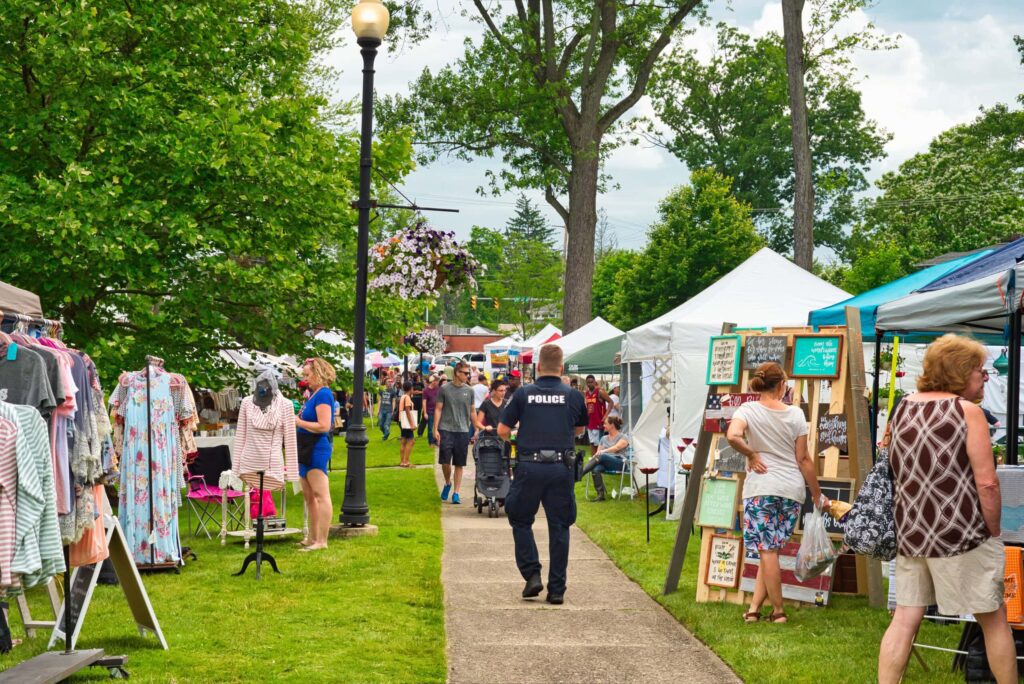
Farmers market activations across Seattle’s multiple weekly markets, Tacoma’s Saturday markets, and Spokane’s seasonal market circuit reach Washington’s most engaged food consumers outside the retail environment. These venues are excellent for food, beverage, and artisan product categories where the farm-to-table cultural alignment amplifies demo effectiveness.
Tech campus and corporate event activations in the Bellevue-Redmond tech corridor provide access to Amazon, Microsoft, and other major employer workforce communities that are difficult to reach through standard retail channels. These programs work through coordination with campus food services and event programming teams to create demo opportunities in corporate environments where highly engaged professional consumers are concentrated.
Pairing Washington State Demos with Guerrilla Marketing
Product demonstrations in Washington State work best when embedded in a broader marketing ecosystem that builds brand awareness before consumers reach the demo table. Our team can pair retail demo programs with ambient marketing activations that extend brand presence across Seattle’s and Spokane’s high-foot-traffic corridors.
Guerrilla marketing activations near Pike Place Market, Capitol Hill’s Broadway, Fremont’s Fremont Avenue, and Ballard’s Market Street create brand encounters for consumers before they reach the grocery store. Street teams deploying samples and brand materials in these corridors seed awareness that amplifies in-store conversion rates. LED billboard trucks circling Seattle’s commercial districts during demo weeks extend brand visibility to everyone passing through the area, not just those who visit demo retail locations.
Wheatpaste poster campaigns in approved Seattle locations create lasting visual brand presence in neighborhoods where your target consumer lives and shops. Sidewalk stencils near key retail locations create curiosity-driving visual moments that direct foot traffic toward both demo events and retail purchase points.
Sustainability and Brand Values in Washington State Demos
Washington State consumers pay attention to brand values in ways that have direct commercial implications. Brands whose demo programs lead with sustainability credentials, quality sourcing, ethical business practices, or Pacific Northwest origin stories outperform those that lead purely with product attributes. This doesn’t mean ignoring what the product does. It means ensuring the demo narrative connects product performance to the values framework that Washington consumers care about.
Our brand ambassadors in Washington State markets are briefed on your brand’s values story alongside your product story. They’re trained to weave these elements together naturally, the way a knowledgeable friend would explain a new discovery rather than the way a salesperson would pitch a commission opportunity. This approach resonates strongly with the Pacific Northwest consumer and builds brand affinity alongside trial conversion.
Measuring Demo Campaign Success in Washington State
Every AGM demo campaign in Washington State includes comprehensive post-campaign reporting. We track consumer interactions at each location, sample quantities distributed, any direct sales recorded, brand ambassador qualitative feedback, and GPS-tagged photography from every activation. For multi-location programs, consolidated reporting compares performance across markets and retail formats to identify optimization opportunities.
We can coordinate with your Washington State retail partners to compare sales velocity before and after demo events, providing clean data on sell-through lift attributable to demonstration activity. This before-and-after analysis is particularly valuable for brands with the retailer relationships needed to access category-level POS data.
For brands using Washington State as a proving ground before national expansion, our documentation provides the performance evidence needed to build the internal business case for broader investment in product demonstration as a channel.
Frequently Asked Questions
Why is Washington State a strong market for product demonstrations?
Washington State combines high average income, a sophisticated consumer culture driven by the Pacific Northwest food movement, and a tech-sector professional class that adopts new products early. Seattle in particular is one of the most innovation-receptive retail markets in the country, and consumers here expect quality and reward brands that deliver it.
Which cities in Washington State does AGM serve for product demos?
We deploy across Seattle, Bellevue, Tacoma, Spokane, Redmond, Kirkland, Everett, Olympia, and other Washington State markets. Our Pacific Northwest infrastructure covers both the urban Puget Sound corridor and eastern Washington markets.
What product categories convert best through demos in Washington?
Natural and organic food, craft beverage, premium personal care, outdoor and athletic gear, and tech-adjacent lifestyle products all perform exceptionally well. The consumer base is particularly receptive to products with sustainability credentials or Pacific Northwest origin stories.
Does AGM coordinate with Seattle’s specialty grocery retailers for demo placement?
Yes. We work with natural grocery chains, specialty food retailers, and conventional grocery operators across Washington State and handle retailer outreach, schedule confirmation, and compliance with each store’s demo program requirements.
How does the Pacific Northwest consumer culture affect demo strategy?
Pacific Northwest consumers value authenticity, sustainability, and quality above marketing polish. Demo programs work best when brand ambassadors lead with genuine product knowledge, honest answers, and a conversational style that respects the consumer’s intelligence.
Can AGM extend a Washington State demo program to Oregon and other Pacific Northwest states?
Yes. We operate in Oregon, Idaho, and other Pacific Northwest markets and can structure a regional program covering the entire Pacific Northwest corridor with consistent execution standards.