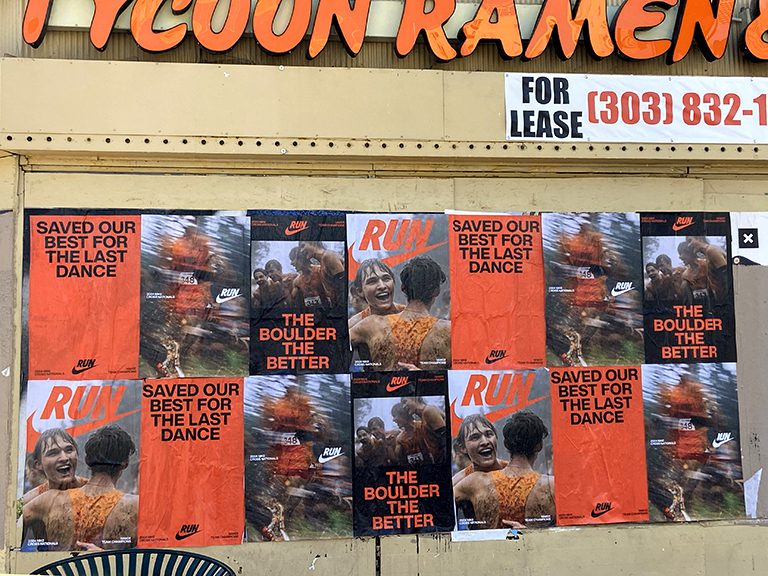
One of the most common planning errors we see from brands approaching street-level marketing for the first time is underestimating how much time the production and logistics chain actually requires. Campaign timeline planning is not a formality. It is the difference between hitting your launch date and watching your window close while your creative is still at the printer. Understanding the real production sequence, from confirmed brief to GPS-documented installation, is the starting point for every campaign we run.
Our team at American Guerrilla Marketing has executed hundreds of street-level campaigns across 50+ U.S. markets, from single-city wheat paste poster campaigns in individual neighborhoods to multi-city simultaneous launch deployments for major brand launches. Across all of these campaigns, the timeline has taught us consistent lessons about where the production chain compresses, where it stretches, and what brands can do to protect their launch date before the brief is even submitted.
This guide walks through the real production timeline for guerrilla marketing campaigns, format by format, with honest guidance on what the standard windows look like, what drives delays, and how to build a campaign schedule that accounts for the real complexity of street-level execution across multiple markets.
Why Campaign Timeline Planning Gets Underestimated
Brands that are accustomed to digital advertising timelines often bring the same assumptions to street-level campaigns. A digital ad can be activated in hours. A programmatic campaign can be in-market the same day creative is approved. This creates a baseline expectation that physical campaigns should move at similar speed, and they do not.
Physical campaigns require print production. Print production requires finalized, print-ready files. Finalized files require creative approval. Creative approval requires multiple stakeholder sign-offs. Each step in this chain has a lead time, and those lead times compound. A campaign that needed to be in-market in two weeks hits the printer with one week of production time remaining, and the campaign misses its window. We see this pattern regularly, and it is entirely avoidable with accurate timeline planning built into the campaign process from the first brief call.
The Cascade Effect of Late Creative
Late creative does not just delay the installation date by the same number of days the creative is late. It creates a cascade. Print production cannot start without files. Crew scheduling locks against the print completion date. Surface scouting happens in advance of installation, and if installation shifts, the scouting work may need to be repeated. In multi-city campaigns, a delay in creative can push the entire multi-market deployment by a week or more. Building creative confirmation as the first hard deadline in the campaign schedule is the single most reliable way to protect the installation date.
Campaign Timeline by Format
Different campaign formats have different production lead times. Below is the realistic timeline for the primary formats we deploy, based on actual operational experience rather than best-case estimates.
Wheat Paste Poster Campaigns
Standard guerrilla marketing wheat paste campaigns require 7 to 14 days from confirmed brief to completed installation. The production sequence looks like this:
- Day 1-2: Brief confirmation, market selection, surface scouting coordination
- Day 2-4: Creative finalization and file delivery (client responsibility)
- Day 4-7: Print production
- Day 7-10: Shipping to target markets (if not local)
- Day 10-12: Installation
- Day 12-13: Documentation compiled and delivered
Rush wheat paste campaigns at 5 to 7 days are possible when clients provide print-ready files at brief confirmation and expedited print production is available. Rush campaigns carry a premium and require that every step in the chain moves without revision. Brands that have used this format before and have established creative standards tend to be better positioned for rush timelines.
Street Team and Brand Ambassador Campaigns
Street team campaigns require 2 to 4 weeks from confirmed brief to deployment. The additional lead time compared to wheat paste campaigns reflects the crew recruitment, background check, training, and briefing process required to field brand-ready ambassadors. Recruiting for a one-week event requires the same crew investment as recruiting for a four-week campaign. Cutting lead time cuts the quality of the talent pool and the depth of brand training.
For events with fixed dates, like a convention, a product launch party, or a concert, the crew must be recruited, trained, and briefed before the event date regardless of when the brief is confirmed. Working backward from the event date establishes the real brief confirmation deadline. Four weeks before the event is the standard window. Three weeks is workable. Two weeks creates risk. One week or less requires explicit discussion of what compromises are necessary.
LED Billboard Truck Campaigns
LED billboard truck campaigns have the shortest production lead time of any format we deploy. With approved creative in hand, we can have a truck on the road in 48 to 72 hours in our primary markets. Standard campaigns confirm in 3 to 7 days from brief to deployment. The lead time reflects route planning, truck scheduling, and creative formatting for the LED display rather than print production, which eliminates the primary bottleneck that extends other format timelines.
Multi-city LED truck campaigns require coordination with operator partners in each market and typically need 7 to 14 days to confirm availability, route planning, and synchronized deployment across markets.
Experiential and Pop-Up Activations
Experiential marketing activations and pop-up events have the longest campaign timeline requirements of any format we execute. The complexity of building, permitting, staffing, and scripting a physical experience means standard lead times run 4 to 8 weeks for purpose-built activations. Simpler activations using existing infrastructure, like a branded table setup with ambassador team distribution, can compress to 2 to 3 weeks.
Permit requirements for experiential activations are the most significant variable in timeline planning. Permit timelines vary significantly by city, venue type, and activation footprint. In New York, standard street event permits can take 3 to 6 weeks. In other markets, comparable permits move faster. We handle permit coordination as part of campaign management, but clients must build permit lead time into the campaign schedule from the outset.
Multi-City Campaign Timeline Planning
Multi-city campaigns add coordination complexity that extends the standard single-market timeline. A campaign running simultaneously in New York, Los Angeles, Chicago, and Miami requires print distribution to four markets, crew coordination in four cities, synchronized installation windows, and unified documentation delivery across all markets. The coordination overhead for this type of campaign typically adds one to two weeks to the base production timeline.
The Centralized Campaign Model
We manage all multi-city campaigns from our Industry City, Brooklyn, NY operations base. A single campaign manager owns the brief across all markets, coordinates with local crew leads in each city, manages the print production and distribution chain, and delivers unified documentation covering all markets in a single package. This centralized model prevents the fragmentation that happens when brands coordinate individual market activations with separate vendors in each city, which introduces inconsistency in execution quality and makes unified reporting nearly impossible.
Staggered vs. Simultaneous Deployment
Multi-city campaigns can deploy simultaneously across all markets or stagger installation by market. Simultaneous deployment creates maximum coordinated launch impact but requires more compressed coordination timelines. Staggered deployment allows tighter quality control in each market and is often used when campaign learning from the first market can inform execution in subsequent markets. The right approach depends on the campaign objective, the launch narrative, and the client’s internal communications schedule around the campaign.
The Role of Permitting in Campaign Timeline Planning
Permitting is the most unpredictable element in campaign timeline planning for street-level activations. Different formats have different permit requirements, and those requirements vary significantly by city, neighborhood, and surface type.
Format-Specific Permit Considerations
Wheat paste campaigns on private surfaces typically do not require permits, but they do require property owner coordination, which takes time. Campaigns on construction barriers require property owner or contractor approval. Sidewalk stencil campaigns have format-specific permit requirements that vary by city. Street events and experiential activations almost universally require event permits. LED trucks require route permits in some markets.
Our team manages all surface coordination and permit requirements as part of standard campaign management. Clients do not need to navigate this independently. But the time required for permit processing needs to be reflected in the campaign timeline, particularly for experiential formats in cities with longer permit processing windows.
Building a Campaign Timeline Backward from Launch
The most reliable campaign timeline planning methodology works backward from the target launch date rather than forward from the brief confirmation. Start with the installation date. Subtract the installation window (typically one to two days for standard campaigns). Subtract shipping time to the target market. Subtract print production time. Subtract creative approval time. The resulting date is the hard deadline for brief confirmation. If that date is in the past, the campaign needs a conversation about what timeline is actually achievable.
Buffer Building
Professional campaign timeline planning always includes buffer at each stage. Creative approval that was promised in two days frequently takes four. Print production that should take three days encounters machine issues on day two. Shipping that should arrive Thursday arrives Monday. Buffers absorb these realities without pushing the installation date. We recommend building a minimum two-day buffer at each major stage of the production chain for standard campaigns and a three-day buffer for campaigns where the installation date is non-negotiable due to event timing or promotional coordination.
Frequently Asked Questions
How long does a guerrilla marketing campaign take from brief to installation?
A standard guerrilla marketing campaign takes 7 to 14 days from confirmed brief to street-level installation. Multi-city campaigns or campaigns requiring permit coordination typically need 3 to 4 weeks. Rush campaigns are possible at 5 to 7 days with print-ready files and expedited production.
What is the most common cause of campaign timeline delays?
Creative approval delays are the single most common cause of campaign timeline overruns. Brands that approach us with finalized, print-ready creative consistently hit their launch dates. Brands that need multiple rounds of creative revisions after the production window opens frequently miss their target installation dates.
Can guerrilla marketing campaigns be executed on a rush timeline?
Yes. Rush campaigns at 5 to 7 days are possible when clients provide print-ready files at brief confirmation and expedited print production is available. LED billboard truck campaigns can be deployed as quickly as 48 to 72 hours. Street team activations need at least 5 to 7 days for crew coordination and briefing.
How do you plan a campaign timeline across multiple cities?
Multi-city campaign timeline planning requires a centralized production schedule with staggered crew coordination windows for each market. We manage multi-city campaigns from a single brief and coordinate all market timelines, print distribution, and crew deployment from our Brooklyn, NY base of operations.
What information does a brand need to provide to start the campaign timeline?
To start the campaign clock, we need a confirmed brief covering target markets, campaign objectives, target audience, preferred campaign formats, installation timing, and any date constraints. Creative assets and budget confirmation allow us to begin production scheduling immediately.
How does seasonal timing affect guerrilla marketing campaign planning?
Seasonal factors affect both operational execution and campaign performance. Summer heat and humidity affect paste adhesion for wheat paste campaigns. Winter weather can delay installation and reduce poster longevity. High-demand periods like Q4 and major event seasons require earlier booking to secure crew availability and print production slots.