
September 12, 2026
Bus Bench Advertising Los Angeles: How Transit OOH Fits a Guerrilla Strategy
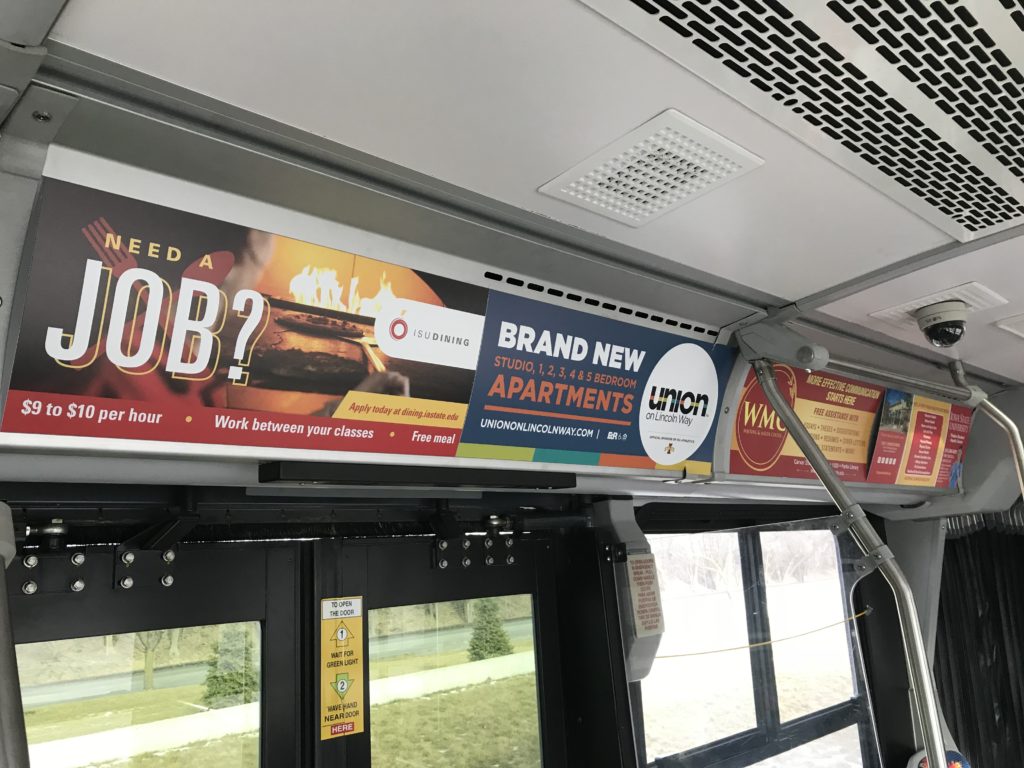
Los Angeles has over 16,000 bus stops and more than 200 Metro rail stations across the metro area. Bus bench and transit advertising in LA reaches a massive daily audience. The question is how you build it into a campaign that actually converts exposures into consumer engagement.
Los Angeles has a reputation as a car city. And it is, predominantly. The vast majority of LA residents drive for most of their daily trips. But the bus network in Los Angeles is one of the largest in the United States by route miles, and the Metro rail system has expanded significantly over the past decade. The daily transit ridership in the LA metro area runs into the millions. Bus bench advertising is one of the oldest and most consistent out-of-home advertising formats in this market, and it reaches a demographic slice of the LA population that is often underserved by campaigns focused exclusively on digital or premium out-of-home formats.
We are not a transit advertising buying agency. We are a guerrilla marketing agency. But we have worked in Los Angeles long enough and across enough integrated campaigns to understand exactly how bus bench and transit out-of-home advertising fits into a broader LA marketing strategy, and how guerrilla field marketing complements transit OOH to drive the consumer engagement that transit advertising alone cannot create.
This guide covers how bus bench advertising works in Los Angeles, what demographics it reaches, which neighborhoods and corridors offer the highest-quality placements, and how physical field campaigns work alongside transit OOH to create a more complete market presence.
Who Actually Rides the Bus in Los Angeles
Understanding who takes the bus in Los Angeles matters enormously for evaluating whether bus bench advertising fits your campaign’s target demographic. The LA bus rider demographic is different from the demographic you might assume if your mental model of LA is the car-centric media narrative.
LA Metro bus ridership is primarily composed of low-to-middle income working adults who use the bus out of necessity rather than preference, a growing segment of younger urban residents in neighborhoods like Silver Lake, Echo Park, and Highland Park who have made a choice to use transit despite having access to a car, college and university students in neighborhoods adjacent to campus transit lines, and working-class immigrant communities concentrated in the San Fernando Valley, East LA, Boyle Heights, and South LA neighborhoods that have the densest bus route coverage.
This demographic profile is not the premium creative class consumer that most lifestyle and luxury brand campaigns target. It is a large, economically significant consumer population that is consistently underserved by advertising campaigns that focus on the creative class neighborhoods of Silver Lake, Los Feliz, and Venice. For consumer goods, food, beverage, retail, and service brands with broad demographic appeal, bus bench advertising in Los Angeles reaches a population with genuine purchasing power and very low competitive advertising pressure.
Los Angeles Transit Advertising Formats
| Format | Coverage | Audience | Cost Range |
|---|---|---|---|
| Bus bench panels | Stop-specific; concentrated in commercial corridors | Pedestrians and bus riders at that specific stop | Lower than other OOH formats |
| Bus shelter displays | Covered shelter locations; higher-traffic stops | Both bus riders and auto traffic passing the shelter | Medium; highest-traffic shelters cost more |
| Bus side wraps | Mobile; the bus route itself | Auto and pedestrian traffic along the route | Medium-high; route-dependent |
| Metro rail station displays | Rail station-specific placements | Daily rail commuters at that station | Higher; premium stations cost significantly more |
| Metro rail car interior | Rail car interior cards | Captive rail audience | Medium; captive audience premium |
The Best Bus Corridors in LA for Advertising
Not all bus routes in Los Angeles are equal from an advertising standpoint. The routes that carry the highest ridership run through the densest commercial corridors and serve the highest-demand transit destinations in the metro area. Knowing which corridors offer the best advertising value is the difference between a transit OOH buy that performs and one that merely runs.
The Wilshire Boulevard corridor is the single most valuable bus advertising corridor in Los Angeles. The Wilshire Rapid bus line runs from downtown Los Angeles through Koreatown, Midtown, and Beverly Hills to the Santa Monica Pacific coast. It carries some of the highest bus ridership of any single route in the system and passes through a wide range of neighborhood demographics including Koreatown’s dense Korean-American community, the working-class neighborhoods of Midtown, the affluent residential blocks of Brentwood, and the beach community of Santa Monica.
Vermont Avenue from Hollywood to South LA runs through a dense, diverse corridor of neighborhoods including Los Feliz, Silver Lake-adjacent East Hollywood, Koreatown, South LA, and the areas around the University of Southern California. The Vermont/Wilshire, Vermont/Beverly, and Vermont/Santa Monica Metro rail stops make this corridor a multi-modal transit hub with some of the highest pedestrian concentrations in the city.
Figueroa Street in downtown LA and South LA carries both Metro bus routes and significant auto traffic through the heart of the city’s most densely populated neighborhoods. The Figueroa corridor from downtown through South LA is one of the highest-ridership transit corridors in the city and passes through neighborhoods that are consistently underserved by brand advertising campaigns.
Transit corridor note: The 720 Wilshire Rapid is one of the highest-ridership single bus routes in Los Angeles, carrying tens of thousands of daily riders along the Wilshire corridor from downtown to Santa Monica. Bus bench and shelter advertising along this corridor reaches a demographic cross-section that no single targeted digital campaign can replicate in one buy. The corridor’s diversity of neighborhoods, from downtown’s working-class density through Koreatown through Beverly Hills through Brentwood, makes it uniquely valuable for brands with broad demographic reach objectives.
Why Bus Bench Advertising Alone Is Not Enough in LA
Bus bench and transit advertising in Los Angeles creates awareness in the physical environment. It reaches pedestrians at bus stops and bus riders passing by street-level advertising. What it does not do is create a direct consumer engagement moment, put product in hands, or generate the social content documentation that amplifies physical campaign investment into digital channel reach.
That’s where guerrilla field marketing complements transit OOH in LA. A bus bench ad for a beverage brand in Koreatown creates awareness. A street team sampling program at the Wilshire/Vermont intersection the following Saturday creates trial. The transit advertising creates the pre-awareness that makes the sampling interaction more effective. The sampling creates the product experience that transit advertising cannot deliver on its own. Together, they create the full consumer process from first impression to product experience to purchase consideration.
We build this complementary structure into integrated LA campaigns deliberately. We identify the transit corridors and bus stops where the OOH buy is generating the highest impression counts with the target demographic, and we route our street team sampling and guerrilla field deployments to those same corridors during peak foot traffic hours. The consumer encounters the brand in the physical environment twice: once passively through the transit OOH, and once actively through the field team interaction. That double contact drives the purchase consideration lift that a single-channel approach does not achieve.
Guerrilla Marketing as a Complement to Transit OOH in LA Neighborhoods
The LA neighborhoods that benefit most from the combination of transit OOH and guerrilla field marketing are the ones with both meaningful bus ridership and genuine pedestrian foot traffic in commercial corridors. These neighborhoods tend to be denser, more walkable than the typical LA suburban pattern, and home to consumer demographics that are underserved by campaigns targeting only the creative class neighborhoods of Silver Lake, Echo Park, and Venice.
Koreatown on the Wilshire and Olympic corridors is one of the densest neighborhoods in Los Angeles and has some of the highest foot traffic of any neighborhood in the city. The combination of transit OOH on the Wilshire corridor and field team sampling at the intersections of Wilshire/Vermont and Olympic/Vermont reaches a Korean-American and Latino consumer demographic that receives very little premium brand marketing attention despite having significant purchasing power.
Boyle Heights and East LA on the 1st Street and Cesar Chavez corridors carry dense Latino working-class demographics that are among the most underserved by advertising campaigns in the entire metro area. The foot traffic in the commercial blocks around the Mariachi Plaza Metro station and the 1st Street commercial corridor is genuine and dense. Field campaigns here reach a community that most brands have not reached through guerrilla marketing at all.
East LA field note: The Mariachi Plaza area in Boyle Heights, at the intersection of 1st Street and Boyle Avenue adjacent to the Mariachi Plaza Metro station, is one of the most culturally specific and physically active public spaces in Los Angeles. The Saturday foot traffic here, driven by the Mariachi musicians who gather at the plaza and the community activity in the surrounding blocks, creates a field marketing environment with genuinely high community engagement. Brands that show up authentically in this environment earn goodwill from a community that is rarely approached by brands with genuine respect.
Integrating Bus Bench OOH and Guerrilla Tactics: A Practical Campaign Design
Here is how we build a practical integrated campaign in Los Angeles that pairs transit OOH with guerrilla field marketing. The principle is straightforward: the transit OOH creates ambient awareness in the physical environment along high-ridership corridors, and the guerrilla field campaign creates direct consumer engagement at the most productive pedestrian foot traffic nodes along those same corridors.
In weeks one and two, the transit OOH goes up along the chosen corridors. Bus bench and shelter displays on the target routes begin building ambient awareness with daily riders. The brand enters the consumers’ physical environment through the transit infrastructure.
In weeks three through six, the guerrilla field campaign runs alongside the transit OOH. Street teams deploy to the highest foot-traffic intersections along the transit corridors during peak hours. Sampling, flyer distribution, or direct consumer engagement happens face-to-face at the exact locations where the transit OOH is generating the highest impression volume. The consumer who has seen the bus bench ad encounters the brand directly in the same week.
In weeks seven and eight, a poster campaign in the target neighborhoods reinforces the combined transit OOH and field campaign with a visual presence in the block-level environment around the highest-performing field deployment locations. This creates a three-layer physical presence: transit level, street team level, and neighborhood block level. Each layer reaches the consumer in a slightly different context and reinforces the others.
Measuring the Performance of LA Transit and Guerrilla Campaigns Together
Measuring the combined performance of transit OOH and guerrilla field campaigns in Los Angeles requires a measurement framework that covers both channels. Transit OOH measurement in LA is primarily impression-based: the transit authority and OOH vendors provide ridership-based impression estimates for each placement. These are useful for reach benchmarks but do not capture engagement or consumer action.
Guerrilla field marketing measurement is more direct. We track consumer interactions per deployment hour, materials and samples distributed, and where applicable, the social content generated by the field campaign. We also track any promotional mechanics, coupon codes, QR codes, unique URLs, that allow digital attribution of field campaign activity to downstream purchase behavior.
The most useful combined measurement approach is to run a QR code on the transit OOH creative that links to a landing page or offer, then track the scan rate on that code against the timing and location of guerrilla field deployments. When field deployments run in the same corridors as the transit OOH and we see a spike in QR code scans from those neighborhoods during deployment days, we have a direct measurement of the amplification effect that the combination creates. This is not perfect attribution, but it is far more evidence-based than pure impression counting and gives brands a practical tool for optimizing channel mix in subsequent campaign periods.
The Five LA Transit Corridors That Deliver the Most Guerrilla + OOH alignment
Based on our field experience in Los Angeles, five transit corridors stand out as the most productive environments for combining bus bench advertising with guerrilla field marketing. Each offers a specific audience, a specific opportunity, and a specific set of challenges that shape how the combination should be structured.
The Wilshire Corridor
Wilshire Boulevard from downtown through Koreatown, Mid-Wilshire, Beverly Hills, and into Santa Monica is the most demographically diverse single transit corridor in the LA basin. A bench buy along the Wilshire corridor hits a genuinely different audience at each segment of the route: working-class Korean and Latino transit riders in Koreatown, mixed income and professional riders in Mid-Wilshire, higher-income commuters and shoppers in Beverly Hills, and young professionals and beach-area residents in Santa Monica. A campaign that uses bench advertising along the full Wilshire corridor and deploys field teams at specific high-foot-traffic segments of the corridor creates multi-neighborhood coverage that a narrower campaign cannot match.
Vermont Avenue
Vermont Avenue running from Hollywood through Koreatown, Adams, and into South LA carries some of the highest transit ridership of any single north-south corridor in the city. The neighborhoods along Vermont have historically been underserved by brand advertising, which means the competitive clutter in this corridor is dramatically lower than on the westside corridors where most brand campaigns concentrate. Field teams deployed along Vermont Avenue at key commercial nodes, particularly in the Koreatown section between Beverly and Olympic, reach a high-density working-class audience with strong purchasing patterns in food, beverage, telecom, and retail categories.
Cesar Chavez in East LA
The Cesar Chavez corridor running through Boyle Heights and East Los Angeles is one of the most cohesive community corridors in the entire metro area. The neighborhood’s strong Latino cultural identity, high transit dependence, and active commercial street culture on 1st Street and Cesar Chavez make it a high-quality environment for brands that are willing to engage the community with cultural authenticity. Spanish-language creative on bench advertising combined with bilingual field teams that can have genuine conversations in the community’s dominant language reaches this audience in a way that English-only campaigns applied to a Spanish-dominant community simply cannot.
Figueroa in South LA
South Figueroa Street carries significant bus traffic through South Los Angeles neighborhoods from downtown to the USC campus area and beyond. The university’s presence creates a specific demographic window near campus, particularly during the academic year, while the broader corridor reaches the working-class South LA community that is consistently underinvested in by mainstream brand campaigns. Brands that show up on South Figueroa with quality bench advertising and genuine field activation build community recognition in a market where competition for community attention is far lower than in any west-side corridor of equivalent population density.
The Expo Line Corridor
The Metro Expo Line running from downtown through Mid-City, Culver City, and Mar Vista to Santa Monica is one of the city’s newest rail corridors and has reshaped the transit environment in the communities it connects. The station areas along the Expo Line, particularly Culver City, Palms, and Bundy, have become active pedestrian environments that support field marketing work alongside transit OOH. The demographic along the Expo Line corridor is genuinely mixed, ranging from professional and creative workers in Culver City to more diverse middle-income communities in Palms and Mar Vista. For brands trying to reach a cross-section of working LA rather than a single demographic profile, the Expo corridor offers a transit OOH and field marketing combination that produces broad coverage within a geographically coherent corridor.
The station plaza environments at Expo Line stops also provide natural field team deployment points that have better pedestrian concentration than most bus-only stop environments. Metro rail riders are a slightly higher-income demographic than bus-only riders on average in LA, and the station plazas create natural stopping points where a sampling or street team operation can engage multiple people simultaneously rather than catching individuals moving along a sidewalk. This combination of strong transit OOH placement and productive field deployment locations makes the Expo corridor one of the highest-return environments for integrated physical marketing in the Los Angeles market.
Frequently Asked Questions
Who does bus bench advertising in Los Angeles reach?
Bus bench advertising in LA primarily reaches daily bus riders, who skew lower-to-middle income, working-class, and ethnically diverse. It also reaches pedestrians in commercial corridors and drivers stopped at adjacent traffic lights.
Can you combine bus bench advertising with guerrilla marketing in the same campaign?
Yes. Transit OOH creates ambient awareness among daily riders. Guerrilla field marketing creates direct consumer engagement along the same corridors. The combination creates a two-layer physical presence more effective than either channel running alone.
What types of brands work best with bus bench advertising in Los Angeles?
Consumer goods, food, beverage, retail, healthcare, and service brands with broad demographic appeal and products relevant to the transit-using population work best with bus bench advertising in Los Angeles.
Does AGM handle bus bench advertising media buying?
AGM does not handle transit OOH media buying directly. We design and execute the guerrilla field marketing campaigns that complement and amplify transit OOH buys. We can refer clients to qualified transit OOH buying partners. For more on this, explore our billboard advertising los angeles.

Ready to Run Your Campaign?
Call us or email us. We’ll tell you exactly what we can do in your market and what it costs.
Related Services
Explore similar advertising solutions offered by American Guerrilla Marketing.
American Guerrilla Marketing — Los Angeles
Street-level campaigns in Los Angeles and nationwide. Wheatpasting, LED trucks, street teams, and more.
(646) 776-2770
Related Articles
-
Street Poster Advertising Ottawa: A Complete Campaign Guide
September 17, 2026
-
Activation Marketing: How Brands Win at Street Level
September 13, 2026
-
Experiential Marketing Firms Chicago | American Guerrilla Marketing
September 12, 2026
-
Pop Up Experiential
September 12, 2026
-
Mobile Pop Up
September 12, 2026