
September 12, 2026
Brand Experience Events
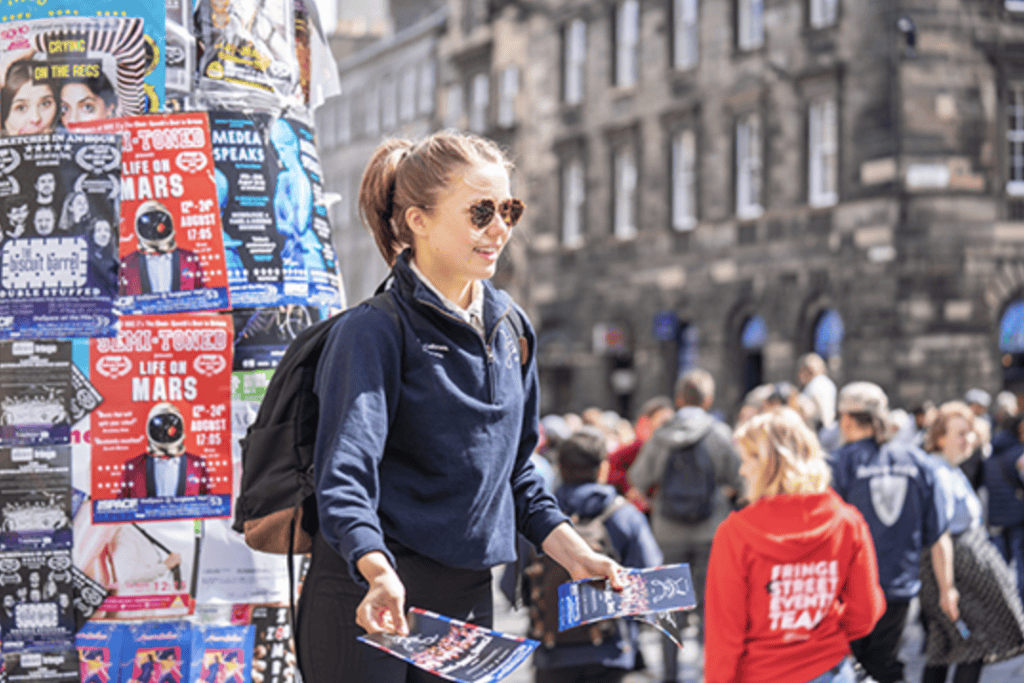
Brand experience events give consumers a physical, emotional encounter with your brand. Done right, a single afternoon creates brand loyalty that advertising alone cannot manufacture in years.
Brand experience events are not marketing events with good production values. They are purpose-built occasions where every physical element — the space, the sound, the smell, the staff, the pacing, the exit moment — is designed to leave a specific emotional impression on everyone who walks through. The event is the message. The production is the medium. The attendee’s memory is the outcome you are building toward.
We have designed and executed brand experience events across every category: consumer packaged goods, fashion, technology, spirits, entertainment, and nonprofits. We have produced them in New York, Los Angeles, Chicago, Miami, Austin, and markets in between. What we have learned from hundreds of activations is that the events that work are almost never distinguished by budget. They are distinguished by a clear answer to one question: what do we want the person standing here to feel, and what physical environment produces that feeling reliably?
Everything else — venue, talent, production design, staffing, content capture — is in service of that answer.
What Makes a Brand Experience Event Different from a Marketing Event
A marketing event delivers a message to a room of people. A brand experience event puts people inside a message. The distinction is not semantic. It produces measurably different outcomes.
When a consumer attends a product launch and listens to a presentation, they receive information. When they attend a brand experience event where they can taste, touch, use, or participate in something directly connected to the product and its values, they form a memory. Memory is more durable than information. It shapes future purchase decisions at the moment of choice, when they are standing in a store or scrolling through an app, in a way that a recalled message does not.
This is why the experiential marketing category continues to grow while many traditional event formats shrink. The return on physical experience — measured in brand recall, purchase intent, and organic content generation — exceeds what comparable budgets produce in passive advertising formats. Not because experiential is fashionable. Because human memory works the way it works.
The Core Formats of Brand Experience Events
Brand experience events take several forms. The right format depends on the campaign objective, the target audience, the geographic market, and the timeline. Here is how the main formats work and where each performs best.
Consumer-Facing Experience Events
These are the most common format: brand experiences designed for the general consuming public in high-traffic locations. Pop-ups in urban retail corridors, activations at festivals, immersive environments in vacant storefronts, or brand-sponsored community moments. The goal is scale — touching as many target consumers as possible in a context that supports genuine product trial or brand immersion.
Consumer-facing events work best when the location, the concept, and the product positioning are tightly aligned. A premium spirits brand activating at a neighborhood street fair may reach large numbers of people, but the environment may work against the brand’s luxury positioning. A premium spirits brand that takes over a private rooftop in the Meatpacking District for an invitation-only evening creates a very different brand association, even with a smaller headcount.
VIP and Influencer Brand Experiences
Smaller, more controlled events for press, content creators, and high-value customers operate on a different ROI model. Fifty influencers with genuine audiences in your target demographic can generate content that reaches more of your actual consumers than an open public event with 2,000 attendees. The experience quality per person can be higher, the brand narrative more precise, and the content output more controlled and more shareable.
VIP events require a fundamentally different design philosophy than mass events. They reward specificity and personalization. Generic brand elements that read fine at scale feel impersonal at intimate scale. The small group should feel that the event was created for people exactly like them, not that they happened to be invited to a corporate event.
Product Launch Events
A product launch event concentrates brand energy around a single new thing. The structure should build toward a reveal or a peak moment — the first look, the first taste, the unveiling — and everything in the event design should serve that moment. We have seen too many launch events that try to communicate everything about the product in two hours and end up communicating nothing clearly. One strong moment, well designed, beats five mediocre ones every time.
Launch events generate press coverage, social content, and direct purchase intent in a compressed window. They are most effective when the guest list is tightly curated to include people who will both cover and buy, and when the experience design makes the product’s qualities undeniable through direct contact rather than presentation.
Experiential Pop-Up Events
Pop-up brand experiences create urgency through scarcity. They appear for a defined, limited time — sometimes just a day or a weekend — in locations that are surprising or newly relevant. The discovery quality of a great pop-up is part of the brand communication. Finding something unexpected in a city you know well creates a memory associated with the moment of discovery, and that memory carries the brand.
Pop-ups are also one of the few formats where a limited budget can generate outsized earned media, because journalists and social audiences respond to the “only here, only now” frame. The temporary nature creates a story arc that a permanent installation does not have.
Community Events
Brands that build genuine community relationships produce events that serve the community as much as the brand. These are not events where the brand is the attraction. These are events where the brand makes something the community values possible. A rooftop screening. A neighborhood cleanup followed by a shared meal. A morning fitness session in a park. The brand’s role is enabler and host, not presenter. The community experience is the brand communication.
| Event Format | Audience Size | Primary Objective | Content Output |
|---|---|---|---|
| Consumer Experience Event | 200 – 5,000+ | Brand trial, awareness, affinity | High volume, varied quality |
| VIP / Influencer Event | 25 – 150 | Earned media, advocacy, content | Lower volume, high quality |
| Product Launch Event | 50 – 500 | Awareness, press, purchase intent | Professional + organic mix |
| Experiential Pop-Up | 100 – 2,000 | Discovery, social reach, trial | High organic share rate |
| Community Event | 50 – 500 | Trust, goodwill, loyalty | Authentic, community-generated |
The Design Elements That Determine Whether a Brand Experience Works
Most brand experience event failures are not creative failures. They are planning failures. The event concept is fine. The execution breaks down because one or more of the following foundational elements was underdesigned.
Sensory Design
Physical experience creates memory through multiple sensory channels simultaneously. A brand experience event that only delivers visual stimulation is leaving most of the brain’s memory-building capacity unused. Smell is the most direct pathway to emotional memory. Sound sets the emotional register of a space and determines whether it feels energized, intimate, or neutral. Touch — the texture of a product sample, the weight of a branded object, the temperature of a glass — creates physical associations that outlast visual ones.
When we design a brand experience event, we brief on every sensory channel, not just the visual design. What does the space smell like? What does it sound like when half-full? What does it feel like to handle the product in this environment? The brands that get this right create experiences that attendees struggle to fully articulate afterward — they just remember it felt like the brand in a way that no other interaction has.
Narrative Arc and Flow
An event is a story. It has a beginning, a middle, and an end. The attendee’s emotional arc through the event should be intentionally designed. Entry should orient and welcome. The middle should build toward the peak moment — the product interaction, the reveal, the performance, the view. The exit should seal the experience with something memorable: a take-home element, a final brand moment, a clear next action.
Events that feel like a collection of brand elements rather than a story usually have no designed flow. Attendees arrive, encounter things in random order, and leave when they decide there is nothing left to discover. A designed narrative arc creates a satisfying completion — the emotional equivalent of finishing a story.
Staff as Experience Makers
Staff are the most powerful brand communication tool at any live event. A beautifully designed environment with disengaged or poorly briefed staff produces confusion and flat conversion. Staff who understand the brand, believe in the product, and know how to create genuine human connection in under 90 seconds make an average environment feel remarkable.
We hire and train event staff with this in mind. The brand brief that staff receive is as important as the production brief the fabricators receive. Staff know what the brand values, what the product’s key qualities are, what questions people typically ask, and how to read an attendee’s engagement level to adjust their approach. That preparation shows.
Content Infrastructure
Every brand experience event should generate a content library that extends the campaign far beyond the physical activation day. This requires intentional design — not hoping that attendees take photos, but engineering the physical environment to produce specific, high-quality content moments and supplementing organic capture with professional photography and video throughout the event.
The content brief is developed in parallel with the event design brief. We know before the event builds what the hero photo will look like, what the video recap will capture, and what social-first moments are designed into the experience. Post-event, that content feeds PR pitches, paid social campaigns, email newsletters, and future brand storytelling assets.
A brand experience event that runs one day and generates three weeks of content is more valuable than one that runs three days and generates nothing beyond a summary report. The physical event is the content factory. Treat it that way from the first design session.
Location Strategy for Brand Experience Events
Where you put the event shapes what it communicates before anyone walks through the door. Location is not logistics. Location is brand communication.
A fashion brand that activates in SoHo is making a statement about its market position. The same brand activating in Bushwick makes a different statement. A beverage brand that shows up in Wicker Park in Chicago is positioning differently than one that activates at Millennium Park. These differences matter to the audience whose perception you are trying to shape.
We evaluate locations on five criteria: audience accessibility from the target consumer’s actual daily movement patterns; physical suitability for the activation design; brand alignment between the location’s cultural associations and the brand’s positioning; logistical feasibility including loading access, power, and build windows; and cost relative to the total budget.
Neighborhood selection is the first conversation we have with clients about any brand experience event. The wrong neighborhood selection can undermine an otherwise excellent event concept, and the right neighborhood selection can make a modest concept feel perfectly placed.
How to Measure Brand Experience Event Success
The measurement framework for brand experience events should be defined before the event, not after. We work with clients to establish primary objectives and the specific metrics that indicate those objectives were met. Generic post-event metrics are less useful than objective-specific measurement.
For brand awareness events, we track: total attendance (documented by entry count), social content generated (documented posts and stories during and immediately after), media coverage secured, brand recall in post-event surveys versus pre-event baseline, and geographic reach of social content through photo documentation and analytics.
For product trial events, we track: product units sampled or demonstrated, staff-documented conversion conversations (attendees who expressed clear purchase intent or visited a purchase point within the event), and post-event sales velocity in the activation market compared to a control market running without the event.
For relationship events — VIP, influencer, or community formats — we track: quality of content created by attendees (reach, engagement, authenticity of posts), press placements and quality of coverage, and follow-up engagement rate with the brand’s owned channels within 30 days of the event.
Post-event reports without pre-event baselines are almost useless. We always establish what the brand looks like before the event — social following, content volume, sales velocity, brand sentiment — so the post-event report can demonstrate actual change rather than just activity.
Common Mistakes That Undermine Brand Experience Events
After executing hundreds of activations, we have developed a clear picture of where brand experience events break down. These are the most consistent failure points.
Designing for the Presentation, Not the Room
The activation that looks excellent in a rendering can fall completely flat in the physical space. Renderings do not account for how light actually falls in a space at 3pm versus 7pm. They do not account for how the experience feels with 300 people in it versus 30. They do not capture acoustics, sight lines from the entry point, or how the floor flow actually works when real humans are moving through it.
Before any build is finalized, the creative team walks the physical space with the event design overlaid — physically marking where people will enter, where they will go first, where the peak moment is visible from, and where the natural dead zones are. That physical walk changes the design every time.
Understaffing the Floor
Brands routinely underestimate the number of staff needed to create a good experience at scale. Entry management, floor facilitation, product interaction support, content capture, distribution, and guest management all require dedicated people. Running lean on staff creates dead zones — areas of the event where guests do not know what to do next and check out. Those moments kill momentum and reduce average dwell time significantly.
The staffing budget should be treated as a primary creative investment, not a logistics line item. We typically recommend staff-to-guest ratios that feel high to clients at first, but the conversion and engagement numbers consistently justify them.
No Designed Exit
Events invest everything in the entry experience and the peak moment, then let attendees trail out with nothing memorable at the end. The last thing a guest experiences is a primary component of their event memory. Design the exit. A take-home item, a final photograph, a personal thank-you from a staff member, a clear next action — any of these is better than the physical equivalent of trailing off mid-sentence.
No Post-Event Content Plan
The day after the event, the brand’s owned channels should be active with event content. Delay of more than 24 hours dramatically reduces the reach and engagement of event content. Attendees post immediately. The brand should be posting alongside them, amplifying their content and adding professional assets to the narrative. We build the post-event content calendar before the event so it executes automatically the morning after.
Planning Timeline for Brand Experience Events
The timeline required for a well-produced brand experience event depends on the scale and complexity of the build. Here is a general framework for how the process typically unfolds.
Weeks 16-12 before event: Brief development, objective setting, format selection, initial budget alignment, market and venue identification, early creative concepting.
Weeks 12-8 before event: Creative development, venue confirmation, vendor engagement, detailed production planning, staffing plan development, content brief development.
Weeks 8-4 before event: Production build-out of any fabricated elements, venue logistics coordination, staff recruitment and initial briefing, guest list management (for invite-only events), media outreach if pre-event press is part of the strategy.
Weeks 4-1 before event: Production completion, venue walk-throughs, staff training, logistics rehearsal, pre-event content preparation, media confirmations.
Event week: Load-in, full build, staff final briefing, technical rehearsal, event execution, real-time content capture and posting, load-out.
Week after event: Content publishing, media follow-up, post-event reporting, attendee follow-up communications, results analysis against objectives.
What Brand Experience Events Cost and How to Build a Budget
Budget ranges for brand experience events vary enormously because the format, scale, and production intensity variables are wide. Here is how costs typically break down across the main production categories.
| Budget Category | Typical % of Total Budget | Notes |
|---|---|---|
| Production & Fabrication | 25 – 40% | Physical build, materials, set design |
| Venue | 10 – 20% | Varies widely by market and exclusivity |
| Staffing | 15 – 25% | Hiring, training, day-of execution |
| Content Capture | 8 – 15% | Photography, video, social assets |
| Talent & Entertainment | 0 – 20% | Depends on format |
| Agency / Strategy | 15 – 20% | Creative direction, project management |
A focused small-scale consumer brand experience event — 200 to 500 attendees, one day, urban market — typically runs $30,000 to $75,000 all-in. Mid-scale events with more complex production, 500 to 2,000 attendees, typically run $75,000 to $200,000. Large-scale multi-day events or immersive multi-room installations start around $200,000 and can scale well beyond that.
Brand Experience Events in Practice: What the Best Ones Have in Common
Every great brand experience event we have observed — whether we produced it or studied it — shares a set of structural qualities. These are not aesthetic qualities. They are organizational and design qualities that determine whether the event delivers on its objectives.
The best brand experience events have a clear single objective. Not three objectives, not five brand values to communicate — one primary outcome that every design decision serves. Clarity of objective produces clarity of design. Muddled objectives produce experiences that feel unfocused regardless of production quality.
They design for the attendee, not the brand. The question “what do we want to communicate?” is less useful than “what do we want the person standing here to experience?” The first question produces a brand presentation. The second produces an experience.
They generate content they did not ask for. When the experience is genuinely good, people share it without prompting. The best events are designed to produce that organic sharing as a natural consequence of the attendee’s experience, not a manufactured add-on. You know the event worked when the content volume and quality exceed what you planned for.
They create a specific memory, not a general impression. Attendees who can tell a specific story about something that happened to them at the event are the brand’s most valuable outcome. “I went to this pop-up and…” followed by a specific story is the brand relationship you are building. That story gets retold. It becomes peer-to-peer brand advocacy that reaches the event’s physical attendance many times over.
Building a Brand Experience Event Program Over Time
Individual brand experience events create moments. A sustained brand experience event program creates a brand relationship. The brands that get the most value from experiential marketing are the ones that treat it as a sustained discipline rather than an occasional investment.
A quarterly brand experience event series builds something that a one-off activation cannot: a community of consumers who expect and anticipate the brand’s live presence as part of their lives. When consumers attend a brand event twice, they engage differently than first-time attendees. They arrive with higher brand affinity. They introduce the event to friends. They share content from a foundation of genuine brand loyalty rather than initial curiosity. That recursive dynamic is what makes a sustained event program more valuable per event than the same investment in isolated activations.
Building that program requires consistency of quality, consistency of creative identity, and consistency of values communication. The event series should feel like chapters in the same story — related and cumulative, not disconnected occasions. Each event should deepen the brand relationship that the previous one began. The recurring attendee should find something new to discover, but the emotional register should feel continuous with what they remember from before.
Creating the Event Series Framework
A brand experience event series needs a framework that defines: the frequency and cadence (quarterly, monthly, seasonal), the format consistency (the same general format that adapts its specific content each time, or a rotating format that keeps the audience curious), the locations (rotating through neighborhoods to reach different consumer concentrations, or anchored in one community to build local depth), and the narrative thread that connects events across the series.
A beverage brand that runs a quarterly series at rotating locations across Brooklyn builds a different kind of brand relationship than one that does a single annual event. The first brand is present in its community on an ongoing basis. The second is a once-a-year occurrence. Both have value. The sustained series has compounding value that the annual event does not.
Leveraging Each Event to Build the Next One
Each event in a series should generate assets and relationships that make the next event stronger. Photography and video from this event become the promotional content for the next one — and that content performs better than any produced creative because it shows real people genuinely engaging with the brand. The email list collected at this event becomes the core invitation list for the next one — a warm audience that already has a positive brand experience. The press relationships built at this event become the confirmed coverage network for the next one.
The incremental cost of successive events in a well-run series tends to decline relative to the value they produce, because the foundational work — brand photography library, press relationships, email audience, social following — grows stronger with each execution.
Brand Experience Events as Community Infrastructure
The brands that build the deepest consumer relationships through live events are the ones that stop thinking about events as marketing programs and start thinking about them as community infrastructure. What does the community that loves this brand need that it does not currently have? What experience would genuinely serve the people who are already our best customers, and would attract the people we want to reach? That framing produces events that feel like gifts to the community rather than presentations to an audience.
A consumer electronics brand with a strong creator community might host a monthly evening gathering at a workspace in the brand’s target market — not to sell anything, but to give its community a space where they can work on projects together, share knowledge, and build relationships with each other. The brand is the enabler of something the community genuinely needs. The association between the brand and that community value is the most durable brand communication available.
A food brand might host a monthly neighborhood dinner, cooking with local ingredients and inviting a rotating selection of local chefs to collaborate. The dinner is genuinely good. The brand’s products are present as ingredients, not as marketing. The community builds around the dinner. The brand is associated with the best meal those neighbors have had together. That association is not manufactured. It is earned through genuine contribution.
These are not abstract principles. They are practical design choices that require the same production discipline as any other event program. The difference is in the starting question: what does our community need? rather than what do we need our community to know about us?
The Legal and Logistical Realities of Brand Experience Events
Physical events in public spaces and commercial venues have logistical requirements that vary significantly by market and format. Understanding the common requirements helps in planning programs that execute cleanly without last-minute complications.
Venue agreements. Commercial venue rentals for brand events require a formal agreement that covers the rental terms, load-in and load-out windows, insurance requirements, setup and tear-down restrictions, and any brand-specific approval requirements for signage or modifications to the space. This agreement should be reviewed carefully and any ambiguous terms clarified before the venue is confirmed, not on the day of the event.
Insurance. Most commercial venue rentals require the event organizer to carry general liability insurance, typically with a minimum of $1 million per occurrence and $2 million aggregate. The venue may require to be named as an additional insured. Certificate of insurance should be secured in advance of the load-in date.
Alcohol service. If the brand experience event includes alcohol service, state liquor service requirements apply regardless of whether the event is a hosted bar or a sampling program. In most states, a licensed caterer or server is required for any event where alcohol is served. This requirement should be researched in each market before the event format is finalized.
Sound. Events with amplified music in commercial spaces, on streets, or in parks may be subject to noise ordinances that limit volume levels or hours of operation. An event that features live music or DJ should confirm any relevant sound restrictions for the specific venue and time of day before committing to those format elements.
We manage all of these requirements as part of standard event production. For clients new to live event production, the checklist can feel overwhelming. Working with an experienced production team means these requirements are identified, planned for, and resolved before they become problems on event day.
Frequently Asked Questions
What is a brand experience event?
A brand experience event is a live marketing program where every physical element — venue, staff, sensory design, and activity — is built to create a specific emotional response to your brand. Unlike a trade show booth or press conference, the experience itself is the product being delivered to the attendee.
How much does a brand experience event cost?
Costs range from $20,000 for a focused small-scale event to $300,000 or more for a large-scale immersive production. Most mid-size consumer brand experiences in a major urban market run $50,000 to $150,000 including design, production, venue, staffing, and content capture.
How far in advance should we plan a brand experience event?
10 to 16 weeks is the standard planning window for a well-produced brand experience event. Complex builds, high-demand venues, or large guest lists may require more lead time. Starting the conversation earlier gives the creative process more room to breathe and prevents last-minute production compromises.
How do brand experience events generate social media content?
For more on this, explore our guerrilla marketing services.
Great events generate content organically when attendees photograph and share moments from the experience. AGM builds specific photo moments and content infrastructure into every event design so both organic and professionally captured content is produced throughout the activation.

Ready to Run Your Campaign?
Call us or email us. We’ll tell you exactly what we can do in your market and what it costs.
Related Services
Explore similar advertising solutions offered by American Guerrilla Marketing.
American Guerrilla Marketing — Los Angeles
Street-level campaigns in Los Angeles and nationwide. Wheatpasting, LED trucks, street teams, and more.
(646) 776-2770
Related Articles
-
Street Poster Advertising Ottawa: A Complete Campaign Guide
September 17, 2026
-
Activation Marketing: How Brands Win at Street Level
September 13, 2026
-
Experiential Marketing Firms Chicago | American Guerrilla Marketing
September 12, 2026
-
Pop Up Experiential
September 12, 2026
-
Mobile Pop Up
September 12, 2026