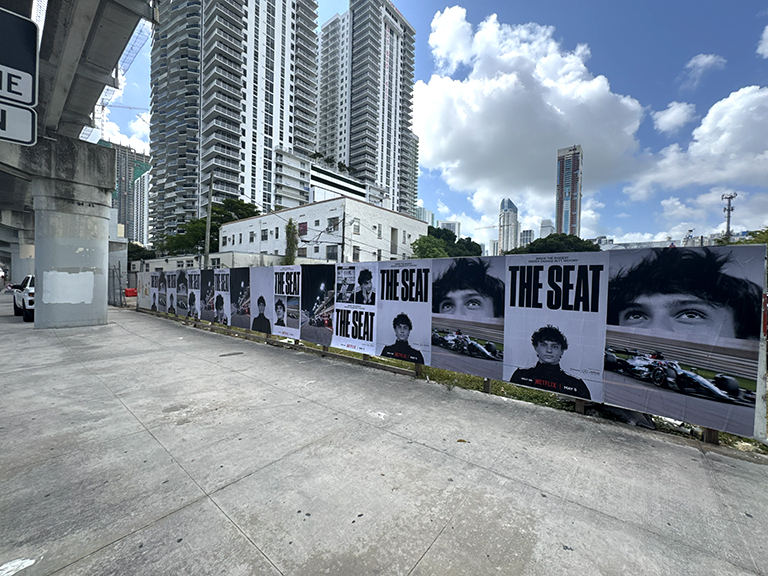
Boston is having a significant year in 2026. Boston Calling brings tens of thousands of music fans to the Harvard Athletic Complex. FIFA World Cup matches fill Gillette Stadium in Foxborough and push fan energy throughout Greater Boston for weeks. Both events create exceptional street-level marketing environments for brands that know how to work the city: and limited opportunity for those who try to figure it out last minute.
American Guerrilla Marketing deploys campaigns across the Boston market and across every major U.S. city hosting World Cup 2026 matches. Our team at Industry City in Brooklyn coordinates multi-city campaigns daily, and Boston is an active deployment market with established field crews, permitted locations, and the kind of local knowledge that makes campaigns execute cleanly.
This page covers the Boston activation landscape for both events, what campaign formats work best in this market, and how to build a strategy that covers both windows effectively.
Boston Calling 2026: The Activation Environment
Boston Calling is a compact, high-density music festival that draws a young, culturally engaged demographic: precisely the audience that responds most strongly to experiential and street-level brand marketing. The Harvard Athletic Complex venue sits in Allston, a neighborhood surrounded by some of Boston’s densest concentrations of young professionals, college students, and creative class residents.
The Allston-Cambridge Corridor
The streets between Harvard Square, Allston, and the festival venue see dramatically elevated foot traffic during Boston Calling weekend. This corridor is where brands should focus poster campaign placements, sidewalk stencil deployments, and ambassador team positioning. The audience is on foot, in good spirits, and highly receptive to brand experiences that fit the festival context.
Transit Routes and MBTA Access
A significant portion of Boston Calling attendees arrive via the MBTA Green Line and connecting bus routes. The pedestrian approach from Harvard Square subway station toward the venue passes through prime activation territory. Our brand ambassador teams positioned along these transit-to-venue routes intercept the audience at the highest-density moments of their day.
The Residential Surround
Boston Calling’s attendees live in the surrounding neighborhoods before they arrive at the festival. Large-format poster campaigns in Allston, Brighton, Cambridge, and Somerville reach the festival audience in their home neighborhoods, building brand recognition before the event weekend even begins. This pre-festival reach extends campaign impressions well beyond what’s achievable in the festival footprint alone.
World Cup 2026 in Boston: The Market Opportunity
FIFA World Cup 2026 matches in the Boston area are held at Gillette Stadium in Foxborough, but the fan experience extends far beyond the venue. International soccer tourism concentrated in Boston proper, viewing parties throughout the city’s neighborhoods, and the elevated energy of a global sporting event that lasts for weeks: all of this creates a citywide brand activation environment unlike anything Boston typically sees.
Fan Zones and Viewing Events
World Cup fan zones and viewing events in Boston will be concentrated in areas with large international fan communities: East Boston, the South End, Fenway-Kenmore, and downtown. These aren’t passive audiences sitting at home; they’re gathering in public spaces, moving through the city in groups, and spending time in exactly the kind of street-level environments where our campaigns perform best.
The Gillette Stadium Approach
For fans traveling to Foxborough for actual match days, the route from South Station and Back Bay through the commuter rail network creates concentrated passenger flows. LED billboard trucks working the Back Bay and South Station approach corridors reach this audience at their point of departure. It’s a clean intercept moment with no competing visual clutter.
Multi-Week Tournament Duration
Unlike a single-day event, World Cup match programming extends over weeks. Brands that commit to sustained street-level presence throughout the tournament period: rather than activating only on specific match days: build recognition with an audience that keeps showing up throughout the event cycle. A poster campaign that stays up for the full tournament duration works harder with each passing week.
Campaign Formats We Recommend for the Boston Market
Boston’s geography and infrastructure create specific advantages and constraints for street-level campaigns. Here’s what works best in this market.
Poster Campaigns in Dense Pedestrian Neighborhoods
Boston’s neighborhoods are compact and walkable in a way that creates natural poster campaign environments. Allston, Cambridge, the South End, Fenway, and Jamaica Plain all have the pedestrian density and surface inventory that makes large-format poster placements effective. Our team knows which surfaces to target and how to position placements for maximum visibility from foot traffic rather than vehicle traffic.
LED Truck Routes Along Event Corridors
Our LED billboard truck routes in Boston during event periods focus on the corridors connecting major transit hubs with venue approach routes and fan concentration areas. A truck running a well-designed route during the two hours before a major match or festival day generates concentrated impressions from a highly motivated audience.
Sidewalk Stencil Campaigns
Sidewalk stencil placements near MBTA stations serving festival and venue access routes work well in Boston’s pedestrian environment. Stencils applied on the approach routes from transit to venue create a branded path that reaches the audience multiple times across a single event day.
Brand Ambassador Activations at Transit Points
The MBTA creates natural chokepoints where our brand ambassador teams can intercept audience flows at high density. Pre-event deployment at key transit stations gives brands direct human-to-human contact with the festival or tournament audience in a moment when they’re receptive and engaged.
Coordinating Boston Calling and World Cup Coverage in One Campaign
For brands that want to activate across both Boston Calling and the World Cup Boston window, there’s a real efficiency opportunity in coordinating both campaigns through a single agency. Location relationships, permitting infrastructure, and field crew relationships established for one campaign carry directly into the next.
Shared Infrastructure
The same permitted surfaces that perform for Boston Calling in late May are available for World Cup deployments later in the summer. The same field crews that know the market for one event are available for the next. Running both campaigns through AGM means you’re not rebuilding from scratch each time: you’re building on an established market foundation.
Consistent Documentation Across Both Events
Our GPS-tracked documentation framework delivers the same quality of post-campaign reporting for both events. One consolidated relationship with our team handles both activation windows, making it easier to present a coherent Boston market strategy to brand stakeholders across the full event season.
Why Street-Level Campaigns Outperform Digital in the Boston Festival Market
Boston’s festival-going demographic: concentrated in the 18-34 band, urban-dwelling, college-educated, culturally engaged: is precisely the segment that is most aggressively using ad blockers, most likely to subscribe to ad-free media tiers, and most practiced at mentally filtering out digital advertising. Reaching this audience through conventional digital channels is increasingly expensive and decreasingly effective. Street-level campaigns in their actual neighborhoods and transit environments reach them in a context where they haven’t built the same defensive filters, producing impressions that have genuinely different quality than the digital impressions the same budget would buy.
The Physical World as Attention Territory
When a Boston Calling attendee walks from the Porter Square T station toward the Harvard Athletic Complex, they’re in the physical world with their attention available in ways that their screen-time is not. A well-placed large-format poster on that route, or a brand ambassador at the station exit with a sample or interaction, lands in an attention environment with dramatically lower competition than any digital channel. The quality of that impression: the sensory completeness of encountering something in the real world: is meaningfully different from the attenuated experience of a digital display ad encountered while doing something else on a phone.
Organic Social Amplification in a Connected Audience
Boston Calling’s audience is highly active on social media, and they’re accustomed to documenting their cultural experiences: including the city environments they move through during festival weekend. A poster campaign or stencil activation that creates a genuinely interesting visual in the Allston or Cambridge streetscape gets photographed and shared at rates that extend campaign reach well beyond the in-person impressions counted in any media plan. For brands whose products or messages benefit from peer-to-peer visual sharing, this organic amplification effect can represent a significant multiplier on the baseline campaign investment.
The Boston Market’s Distinct Character as an Activation Environment
Boston rewards brands that understand the city’s specific character. This isn’t New York or Los Angeles: it’s a smaller, more intimate urban market where the creative community is interconnected, where neighborhood identity runs deep, and where campaigns that demonstrate genuine local knowledge perform at a substantially higher level than generic national executions dropped into the local environment.
Neighborhood Identity and Creative Alignment
Allston is a college and young creative neighborhood with a specific DIY cultural identity that resonates strongly with Boston Calling’s audience. Cambridge: particularly Central Square and Inman Square: has a different but equally distinct cultural character that values intellectual engagement and locally embedded creative work. The South End is the city’s arts and design center. Campaigns that acknowledge these distinctions: even subtly, through creative decisions about texture, color, and tone: generate stronger organic engagement than campaigns that ignore local context entirely.
Boston’s Sports Culture and the World Cup Opportunity
Boston is one of the most sports-passionate cities in the country, and international soccer has a significant and growing fan base built on both the city’s substantial international resident population and the broader millennial and Gen Z demographic that has made international soccer one of the fastest-growing sports categories in the American market. A World Cup activation in Boston reaches not just the tournament’s international tourist visitors but the large resident sports fan base that will be following every match intently throughout the tournament’s duration.
The College Student Population
Boston’s large college student population represents one of the most valuable demographic segments for brand activation campaigns tied to cultural events. Students attending Boston Calling are concentrated in predictable residential and campus-adjacent corridors. A campaign that reaches this segment in their home environment: near campus, near the T stations they use daily: builds brand recognition at exactly the stage of brand formation where street-level experiences have their highest long-term impact on consumer behavior.
Measuring Success for Boston Calling and World Cup Campaigns
Event-adjacent brand activation campaigns are sometimes criticized for being difficult to measure. AGM’s documentation-first approach addresses this directly by providing verifiable evidence of what was deployed, where, and when. But effective measurement goes beyond installation documentation to include the specific metrics that matter for your brand’s campaign objectives.
Impression Estimation Methodology
We estimate impressions for street-level campaigns using foot traffic data for the specific locations where campaigns are placed. For Boston Calling activations, this includes pedestrian counts from the transit stations and streets surrounding the venue approach corridor, neighborhood foot traffic data for residential campaign placements, and LED truck route analysis that correlates truck deployment hours with known pedestrian flow patterns. These aren’t guesses: they’re estimates grounded in real location data that provide a reasonable basis for comparing campaign investment against audience reach.
Social Media Amplification Tracking
For campaigns with strong creative, we track organic social media documentation of campaign installations through brand monitoring tools. When someone photographs and shares a poster installation or a stencil on their social feed, that’s earned media generated by the campaign that extends reach beyond the in-person impressions the campaign creates. Monitoring this social amplification provides a supplementary metric that demonstrates how well the creative resonated beyond what raw impression estimates capture.
Integrating Boston Campaigns with a Broader Marketing Program
Boston Calling and World Cup Boston activations don’t have to be standalone efforts. The most effective brand campaigns treat street-level presence as one component of a broader integrated marketing program that also includes digital, PR, and earned media components. When all of these channels are active simultaneously, they create a mutual reinforcement effect where each medium makes the others more effective.
Street-Level Presence as a PR Amplifier
A compelling wheatpaste campaign or unexpected street activation in Boston Calling’s Allston neighborhood generates its own media value. Local media, festival-focused blogs, and social media accounts that document Boston’s street art and cultural landscape regularly feature striking outdoor brand campaigns when they’re genuinely interesting. This earned media dimension means that the investment in quality creative and precise placement pays dividends beyond the direct impressions the campaign generates in person.
Digital Campaign Integration
Geofencing digital campaigns around the specific neighborhoods and event venues where AGM is deploying street-level creative creates a two-channel presence in the same physical environments. Audience members who see the poster or stencil in person and then encounter a digital ad for the same brand in the same geographic area experience a reinforced brand message that increases both recall and purchase intent relative to either channel alone. Our team can provide specific location coordinates and neighborhood boundaries for coordination with digital advertising teams managing complementary campaigns.
Influencer and Content Creator Seeding
Boston’s festival and music scenes have active creator communities that document street art and brand activations as part of their regular content output. Identifying and reaching these creators ahead of campaign deployment, ensuring they know a campaign is launching in neighborhoods they cover, and giving them early access to campaign locations can seed organic content creation that amplifies the campaign’s social reach before it’s even officially live. Our team maintains relationships with street culture content creators in the Boston market and can facilitate these introductions as part of comprehensive campaign planning.
Maximizing Earned Media from Boston Calling and World Cup Campaigns
Street-level campaigns in Boston generate earned media value that extends significantly beyond the direct impressions of the physical campaign. Boston has active street culture documentation communities, a robust local media ecosystem that covers brand activations when they’re genuinely interesting, and a social media audience that actively shares compelling urban visual experiences. Understanding how to maximize earned media from AGM campaigns in the Boston market is an important component of overall campaign ROI.
Boston’s Street Culture Documentation Community
Boston has a community of photographers, bloggers, and social media accounts dedicated to documenting the city’s street art and visual culture. When a campaign installation is visually compelling and placed in the neighborhoods these creators cover, organic documentation and sharing happens without any paid influencer arrangement. The key is creative quality and location choice: campaigns in Allston, Cambridge, and the South End that meet the visual standard of the street art these communities document regularly earn the same documentation treatment as non-commercial street art. This is perhaps the most cost-effective earned media channel available for Boston Calling and World Cup adjacent campaigns.
Local Media Coverage of Standout Activations
Boston’s local media outlets, including neighborhood blogs, local news sites, and arts and culture publications, regularly cover notable brand activations when they create genuinely interesting visual experiences or create value for the community. A large-scale wheatpaste campaign in Allston timed to Boston Calling, or a creative sidewalk stencil installation in a neighborhood closely associated with the World Cup’s international fan communities, can earn local media pickup that extends campaign reach well beyond the in-person impression count.
How to Get Started with AGM in Boston
Campaign planning for event-adjacent activations needs to start early. Boston Calling and World Cup match schedules have specific timing requirements, and prime outdoor advertising inventory in the relevant neighborhoods gets committed well in advance of event dates.
What We Need from You to Start
- Your target event dates (Boston Calling, specific World Cup match dates, or both)
- The audience you’re trying to reach and how they’re defined
- Campaign budget range (or a request for options at different investment levels)
- Creative assets or timeline for asset production
- Any geographic constraints or neighborhood priorities
From that starting point, we scope a campaign that fits your timeline and budget, confirm locations, and build a deployment schedule. Contact our team through our contact page or call us at (646) 776-2770 to get the conversation started.
Frequently Asked Questions About Brand Activation in Boston 2026
When and where is Boston Calling 2026?
Boston Calling Music Festival takes place at Harvard Athletic Complex in Allston, Massachusetts, typically over Memorial Day weekend in late May. The festival draws 40,000+ attendees per day and creates a concentrated brand activation opportunity in the Boston market with one of the country’s most desirable young consumer demographics.
Where are World Cup 2026 matches being played in Boston?
FIFA World Cup 2026 matches in the Boston area are scheduled to take place at Gillette Stadium in Foxborough, Massachusetts. Fan zones and viewing events are expected throughout Boston proper, creating a city-wide activation environment extending well beyond the venue and lasting across the full tournament schedule.
What types of street-level campaigns work best in the Boston market?
Boston’s compact, walkable neighborhoods make poster campaigns and sidewalk stencils particularly effective. LED billboard trucks perform well along the key corridors connecting Cambridge, Allston, the South End, and downtown. Brand ambassador activations near MBTA stations see high foot traffic during event periods and allow direct human-to-human brand contact.
Can AGM run a Boston Calling activation without being an official festival sponsor?
Yes. AGM operates on public streets, permitted surfaces, and transit-adjacent locations outside the festival perimeter. This allows brands to reach Boston Calling’s audience without the cost of official festival sponsorship. Our proximity marketing approach often delivers stronger street-level presence than in-venue activations at a fraction of the cost.
How do I book a brand activation campaign in Boston with AGM?
Contact AGM through our contact page with your event dates, target audience, and campaign goals. Our team will scope a Boston-specific activation plan and provide a quote. We recommend booking 60+ days before your target event dates to secure premium locations and LED truck availability.
Frequently Asked Questions
What is brand activation boston calling world cup 2026?
American Guerrilla Marketing provides brand activation boston calling world cup 2026 services across 50+ U.S. markets. Every campaign is planned, scouted, executed, and GPS-documented by our field teams. We work with regional brands and Fortune 500 companies on campaigns that require real street-level execution and documented proof of performance.
How does AGM approach cup 2026?
Our process starts with a market consultation to understand your goals, target audience, and budget. We then scout locations, handle any required permissions or permits, coordinate production and installation with our local crews, and provide a full GPS-tagged photo report after the campaign runs.
What markets does American Guerrilla Marketing cover for cup 2026?
We operate in 50+ U.S. markets including New York, Los Angeles, Chicago, Miami, Houston, Atlanta, Seattle, Denver, Boston, and dozens of secondary markets. Contact us to confirm availability and pricing for your specific market.
How much does a cup 2026 campaign cost?
Campaign pricing depends on market, format, quantity, and duration. We work with budgets ranging from targeted single-market runs to national rollouts across multiple cities. Use our RFP Builder or contact us directly for a custom quote based on your specific campaign requirements.
How do I get started with cup 2026 through AGM?
The fastest way to get started is to submit your campaign details through our RFP Builder at americanguerrillamarketing.com, or contact us directly at [email protected] or (646) 776-2770. Our team typically responds within one business day with availability and initial pricing.