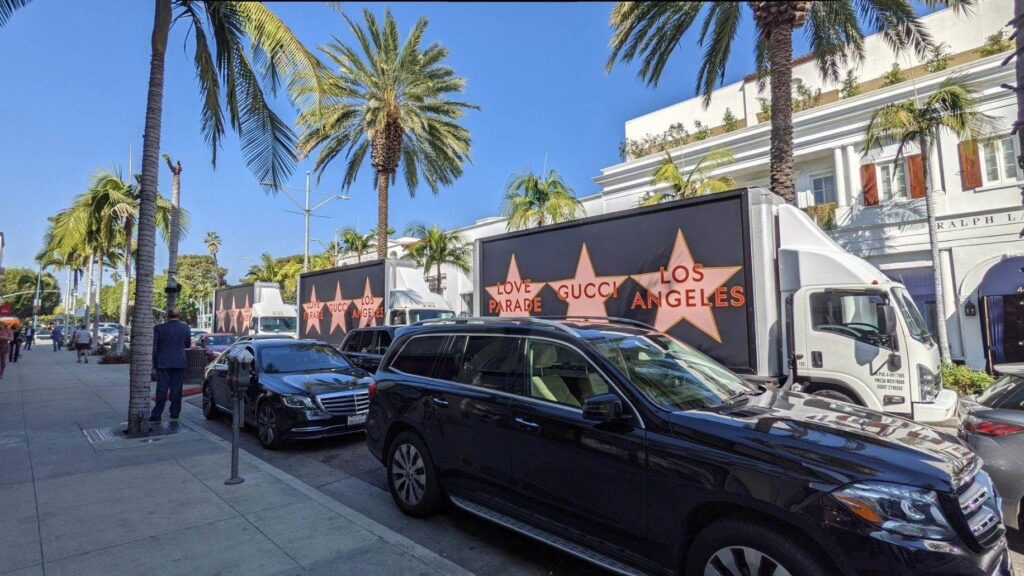
A pop-up activation is the brand’s opportunity to create a complete physical environment that expresses its identity and creates a direct consumer encounter on its own terms. Here is how to build one that actually delivers.
Pop-up activations have become one of the most versatile tools in the brand activation toolkit. They work for product launches, market entry programs, brand repositioning campaigns, content generation efforts, and retail test concepts. They range from a branded table at a local market to a fully custom-designed experiential installation occupying a 3,000 square foot space in SoHo for three weeks. The format’s flexibility is what makes it powerful — and what makes it easy to underinvest in or over-complicate without a clear objective driving the design decisions.
This article covers everything involved in designing and running an effective activation pop-up: defining the right objective for the format, choosing and securing the right location, designing the consumer experience, managing the production and logistics, staffing the activation, driving traffic to it, and documenting and measuring the results. We draw on direct experience running pop-up activations across multiple markets for brands in retail, CPG, beauty, fashion, and technology.
An activation pop-up is a temporary physical brand environment created for a specific campaign purpose. It might occupy a vacant retail space, a gallery, a corner of a larger market, a branded outdoor structure, or a specially designed freestanding installation. The defining characteristics are:
It is temporary — existing for a defined window of time rather than as a permanent location
It is intentional — designed to create a specific consumer experience and drive a specific behavior
It is branded — every element of the environment communicates the brand’s identity and values
It is a live encounter — the consumer is physically present and engaging with the brand, not watching it on a screen
What a pop-up activation is not is an event venue. An event venue hosts gatherings. A pop-up activation is an experience — a deliberate consumer process through a brand-defined environment that ends with the consumer having a specific brand impression, having done a specific brand action (purchase, trial, sign-up, content creation), or both.
The distinction between a pop-up as an event and a pop-up as an activation matters because it changes how the space is designed, how success is measured, and what the brand gets out of the investment. An event is primarily evaluated by how many people attended and whether they had a good time. An activation pop-up is evaluated by whether it drove the specific consumer behaviors it was designed to create.
When an Activation Pop-Up Is the Right Choice
Not every brand situation calls for a pop-up activation. Understanding when this format delivers the most value helps brands allocate their activation investment effectively.
Product Launches
A pop-up activation for a product launch creates a complete brand environment where the new product can be presented in the context the brand intends — not on a shelf next to competitors, not in a banner ad that consumers scroll past, but in a space that the brand controls entirely. The consumer who visits the pop-up experiences the product within its proper brand context: the visual identity, the product story, the brand values. This context matters for the brand associations the consumer forms from the trial experience.
Product launch pop-ups also generate strong media and social content. A genuinely well-designed pop-up space in the right location attracts media coverage, influencer visits, and consumer social sharing that extends the launch’s reach well beyond the consumers who physically visit the space. The pop-up becomes a launch event in the physical world and a content generator for the digital world simultaneously.
Market Entry
A brand entering a new city or region can use a pop-up to establish physical presence and create immediate local brand recognition faster than digital advertising alone can build it. A pop-up in the right neighborhood says to the local consumer: we are here, we are present, we belong in this cultural context. That physical presence signal is particularly powerful for brands positioning themselves as local-oriented or community-rooted, even if they are expanding nationally.
Market entry pop-ups also serve as retail test vehicles — the brand can observe how consumers in a new market interact with the product, what questions they ask, what price points they respond to, and which product features generate the strongest reactions. This intelligence is valuable for the broader market entry strategy in ways that digital analytics cannot replicate.
Brand Repositioning
When a brand needs to change how consumers perceive it — from budget to premium, from niche to mainstream, from an older to a younger demographic — a pop-up activation can create the direct consumer experience that shifts perception faster and more durably than advertising campaigns. The physical environment the brand creates for the pop-up communicates the desired new positioning through every design decision: the neighborhood, the visual language, the materials, the product presentation, the service quality, the staff aesthetic.
A brand repositioning pop-up works when every element of the environment is consistent with the positioning the brand is trying to establish. Inconsistency — a premium brand aspiration expressed in a space with low-quality production — damages credibility rather than building it. Repositioning pop-ups require honest self-evaluation of whether the brand is ready to inhabit the position it is trying to claim.
Retail Test and Learning
Brands considering permanent retail or testing new retail concepts use pop-up activations as low-commitment test vehicles. A fashion brand considering a SoHo flagship can test the location, price architecture, and consumer behavior in that neighborhood through a pop-up before committing to a multi-year lease. A direct-to-consumer brand considering its first physical retail presence can run a three-week pop-up to understand consumer behavior in the physical channel before building a permanent infrastructure.
The most successful pop-up activations are designed with a single primary objective clearly in mind. When a pop-up tries to simultaneously drive retail sales, generate press coverage, create social content, launch a new product, and establish presence in a new market — it typically underperforms all of those objectives because the design decisions that optimize for one conflict with those that optimize for others. Pick the primary objective and design the pop-up to nail it.
Choosing the Right Location for an Activation Pop-Up
Location is the single highest-use decision in a pop-up activation. The right location does more to determine the success of a pop-up than any other single variable. The right location concentrates the target consumer demographic, aligns with the brand’s intended positioning, and provides enough foot traffic to justify the investment. The wrong location — even with an excellent concept and strong production — produces a pop-up that reaches the wrong people or no people at all.
Location as Positioning Signal
Every neighborhood in every major city has a cultural identity that communicates something about the brands that operate there. SoHo signals premium lifestyle. Williamsburg signals creative culture and authentic alternatives to mainstream brands. The Meatpacking District signals nightlife and fashion-forward positioning. Melrose Avenue in Los Angeles signals streetwear and counterculture. Wynwood in Miami signals art and creative culture.
A brand’s choice of pop-up location is a positioning decision, not just a logistics decision. The neighborhood communicates something about the brand before any consumer engages with the pop-up itself. A luxury skincare brand in SoHo is in the right cultural context. The same luxury skincare brand in a generic suburban retail corridor is sending contradictory signals — the premium aspiration conflicts with the context the brand has chosen for itself.
Key Location Evaluation Criteria
When evaluating specific pop-up locations within a target neighborhood, these criteria matter most:
Pedestrian volume and quality: How many people walk past the location daily, and what is their demographic profile? High volume of the wrong demographic is worse than moderate volume of the right demographic.
Storefront visibility: Can the pop-up be seen clearly from the sidewalk? A visually impactful facade draws consumers in; a recessed or obscured entrance requires significantly more marketing effort to drive traffic.
Space configuration: Does the space layout support the consumer process and experience designed for the pop-up? A space with the wrong configuration forces design compromises that affect the consumer experience.
Operational requirements: Does the space have adequate electrical capacity, loading access, storage, and ventilation for the activation’s operational requirements? Discovering these gaps after signing the lease is expensive.
Lease flexibility: Short-term commercial leases for pop-ups can be complex. Verify term length, restoration requirements, and exit conditions before committing.
Adjacent context: What brands are immediately neighboring the space? Strong alignment with neighboring brands is a positive signal; strong misalignment creates awkward context.
Designing the Consumer Experience Inside the Pop-Up
The physical environment of a pop-up activation is the stage on which the consumer encounter happens. Every design decision — the materials, the lighting, the product placement, the service flow, the interactive elements, the content areas — contributes to the brand impression the consumer forms and the behaviors the consumer takes during and after the visit.
Entry and Discovery
The consumer’s first impression of the pop-up happens before they enter. The facade, the window display, and the visibility of activity inside determine whether a consumer walking past decides to enter or continues walking. Pop-ups that are visually compelling from the street consistently outperform those that require the consumer to already know what the pop-up is before they decide to enter. Design the entry as a brand statement, not just a functional door.
Consumer Flow and process
Once inside, the consumer should move through a designed experience rather than an undirected space. What is the first thing they see? What draws them deeper into the space? Where is the primary brand moment — the product presentation, the demo station, the interactive element? Where is the exit action — the purchase point, the sign-up station, the social sharing moment? Thoughtful consumer flow design increases dwell time and conversion. Undirected spaces produce consumers who wander briefly, fail to engage meaningfully, and leave without the brand intended result.
The Brand Moment
Every pop-up should have a defined “brand moment” — the singular experience within the space that most fully expresses what the brand is and what it offers. For a beverage brand, this might be a tasting station where the consumer tries multiple products and receives guidance on flavor profiles. For a fashion brand, it might be a fitting experience with brand-trained stylists. For a beauty brand, it might be a skin consultation that demonstrates the product’s effectiveness. This brand moment is what the consumer remembers and what they talk about after the visit. Design everything else in the space to support and lead toward this moment.
Content Opportunities
Modern pop-up activations are designed with social content creation in mind. This means creating spaces within the pop-up that consumers naturally want to photograph — visually distinctive backdrops, interactive elements that create shareable moments, product presentations that look beautiful in photos. The social content generated by consumers at the pop-up extends the activation’s reach beyond the physical audience and into the digital networks of everyone who visited. Content areas should feel natural and integrated into the brand experience, not tacked on as an afterthought.
The best pop-up activations are experiences that consumers want to tell others about. Design for the story the consumer will tell after they leave, not just the experience they have while they are there. Ask yourself: what is the one thing someone who visited this pop-up will describe to a friend? If the answer is “I don’t know” or “nothing in particular,” the design needs work.
Staffing an Activation Pop-Up
The staff at a pop-up activation are the most direct embodiment of the brand that the consumer encounters. Their knowledge of the product, their ability to engage consumers warmly and authentically, and their visible enthusiasm for the brand are the primary factors that determine whether the consumer’s in-store experience is memorable and positive or forgettable and neutral.
Pop-up staff should be selected and trained specifically for the brand and the specific experience, not sourced as generic retail workers. Training should cover the brand story (why this brand exists and what it stands for), product knowledge (what makes the product distinctive, how to describe it to someone who has never encountered it), consumer engagement technique (how to invite a browsing consumer into a real conversation), and operational procedures (how to process purchases, how to handle common consumer questions, how to escalate problems).
Staff appearance should be aligned with the brand’s visual identity. This does not necessarily mean uniforms — a fashion brand might have staff wearing the brand’s current collection. A beverage brand might have staff in branded t-shirts. The specific choice depends on the brand’s positioning, but consistency and alignment between staff appearance and brand identity strengthens the consumer’s overall brand impression.
Measuring Pop-Up Activation Success
Pop-up activation success should be measured against the specific objectives defined before the activation launched. The measurement framework depends on the primary objective.
For product trial objectives: the number of product trials or demos conducted, the trial-to-interest conversion rate, and where available, downstream purchase tracking in the weeks following the pop-up. For market entry objectives: consumer engagement count, social content volume, and brand awareness surveys if budget allows. For repositioning objectives: qualitative observations from staff about consumer reactions, social content themes, and media coverage positioning language. For retail test objectives: sales volume, top-selling items, consumer browsing and purchasing behavior observations, and feedback on pricing and product presentation.
Documentation throughout the pop-up window is essential: photo documentation from every day, daily consumer engagement counts, any notable consumer interactions or feedback, and staff observations about what attracted and engaged consumers most effectively. This documentation feeds the post-campaign report and the institutional knowledge that makes future pop-up programs progressively more effective.
AGM’s Approach to Pop-Up Activations
American Guerrilla Marketing designs and executes pop-up activations from concept through post-campaign analysis. Our work covers location selection and securing, space design, production management, staff recruitment and training, consumer traffic strategy, content capture, and measurement reporting.
We have run pop-up activations in SoHo, Williamsburg, the West Village, Meatpacking, and other New York neighborhoods; on Melrose, Abbot Kinney, and in Silver Lake in Los Angeles; in Wicker Park and the West Loop in Chicago; in Wynwood and Brickell in Miami; and in other markets including Austin, Atlanta, Boston, Denver, and Seattle. Each market’s neighborhood dynamics are distinct, and our location recommendations reflect real field experience in those markets rather than generic demographic data.
We run campaigns that create genuinely compelling consumer experiences and document them thoroughly so our clients have real performance intelligence after every program. Our goal is not just to produce a pop-up that looks good in photos — it is to build a brand encounter that creates the specific consumer response the brand needs to achieve its business objectives.
Activation Pop-Up Logistics: The Operational Details That Determine Success
The creative concept and strategic design of an activation pop-up get the most attention in planning, but the logistics that actually make the pop-up run on the day are where most pop-up failures originate. Common logistical failures include: builds that run over schedule and miss the first hours of planned consumer-facing operation, product supply problems that leave ambassadors without samples or demo units during peak traffic hours, technology failures that take down interactive elements precisely when they would be most valuable, and staffing gaps caused by last-minute no-shows without adequate backup coverage.
A rigorous pop-up logistics plan addresses each of these risk categories in advance. The build schedule includes buffer time between build completion and consumer-facing open time — minimum 2 hours for a complex pop-up, more for larger builds. Product supply is confirmed on-site at the start of each activation day, with restock plans defined if consumption exceeds projections. Technology elements are tested the day before the public-facing launch with a contingency plan for operating without them if a technical failure is unresolvable. Staff coverage is scheduled at 115% to 120% of the minimum required headcount so that normal attrition does not produce understaffing on activation days.
The logistics that most frequently surprise brands running their first pop-up are the ones invisible in the design phase: power access (not all desirable locations have accessible power for the electrical requirements a modern pop-up generates), permit timelines (the city permit for a temporary structure in a public space takes longer to obtain than most brands expect the first time they navigate the process), and load-in access (the logistics of getting the build materials, furniture, and equipment into the activation location without disrupting the surrounding environment).
Frequently Asked Questions
What is an activation pop-up?
An activation pop-up is a temporary brand environment — typically a retail space, gallery, or experiential installation — that creates a live consumer encounter with a brand for a defined period. Unlike a permanent retail location, a pop-up is designed for specific campaign objectives: brand awareness, product launch, market entry, or content generation.
How long should an activation pop-up run?
Duration depends on the objective. Product launches and market entry programs typically run one to three weeks. Seasonal activations aligned with specific retail or cultural moments run for the duration of the window. Content-focused activations can be shorter — a weekend or a week. The objective should drive the duration, not convention.
What makes an activation pop-up location effective?
The best pop-up locations concentrate the target consumer demographic, align with the brand’s intended positioning, and are operationally viable (accessible, appropriate for the brand’s physical requirements, and secured with clear terms). In major cities, the specific block matters more than the neighborhood in many cases.
How much does an activation pop-up cost?
Costs range from under $20,000 for a simple branded setup at an existing market to $150,000 or more for a fully custom-designed retail environment in a major metro city. The main cost drivers are the physical build, the location rental, and the staffing. Be specific about the objective when evaluating costs — a simple pop-up that meets the objective is better than an expensive one that exceeds it.
How do you drive traffic to an activation pop-up?
Location is the primary traffic driver — the right location in a high-traffic, demographically aligned neighborhood does the most work. Paid social advertising targeted to the surrounding area before and during the event adds reach. Micro-influencer or media preview events the day before public launch can generate organic content. Street teams near the pop-up drive nearby walk-in traffic during the activation window.