American Guerrilla Marketing
Nationwide Service
Media planning, media buying, billboard advertising, & guerrilla marketing
Newark, Jersey City, Elizabeth, and Paterson carry their own market weight. AGM runs documented fly posting campaigns across New Jersey’s northeastern corridor — real placements, real audiences, real results.
New Jersey’s northeastern corridor — Newark, Jersey City, Elizabeth, and Paterson — is one of the most densely populated urban zones in the United States. These four cities collectively hold a combined population of roughly 750,000 people, with a daytime population that swells considerably due to transit flows, port activity, and university traffic. This is not suburban fringe territory. These are working urban markets with their own economic engines, commercial corridors, entertainment venues, and street-level audiences who make purchasing decisions, attend events, and respond to advertising they encounter on the ground. Brands that stop their thinking at the Hudson River leave significant reach on the table.
New Jersey’s relationship with New York City shapes how brands approach the market, but that relationship is more nuanced than simple proximity suggests. Newark is 20 minutes from Midtown by PATH; Jersey City sits directly across the Hudson with a direct sightline to lower Manhattan. That closeness makes NJ residents a relevant audience for NYC-centric entertainment releases, live events, and cultural campaigns. But it also means each NJ city has its own distinct identity that no amount of NYC overspill addresses. Ironbound’s Ferry Street in Newark is not interchangeable with any Manhattan neighborhood. Elizabeth Avenue’s Latin commercial density is a self-contained market with its own purchasing power, cultural calendar, and media consumption patterns. Fly posting reaches these audiences where they actually live and circulate, not just where they commute to.
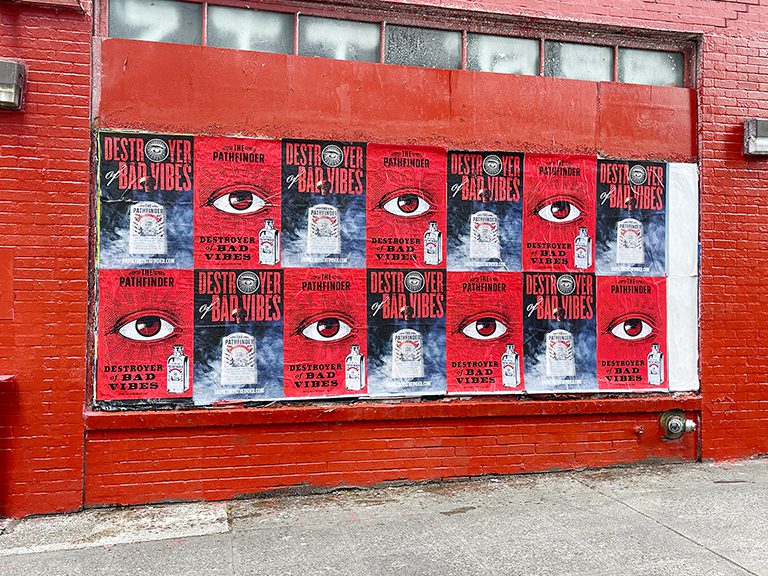
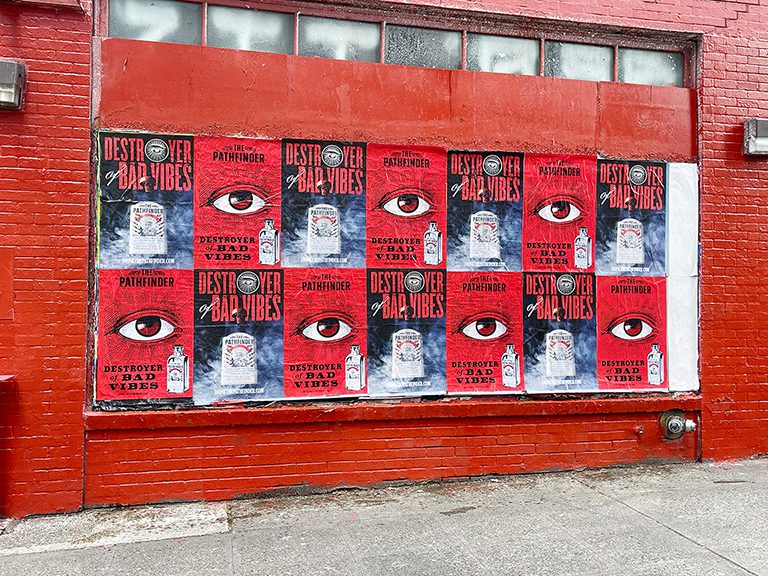
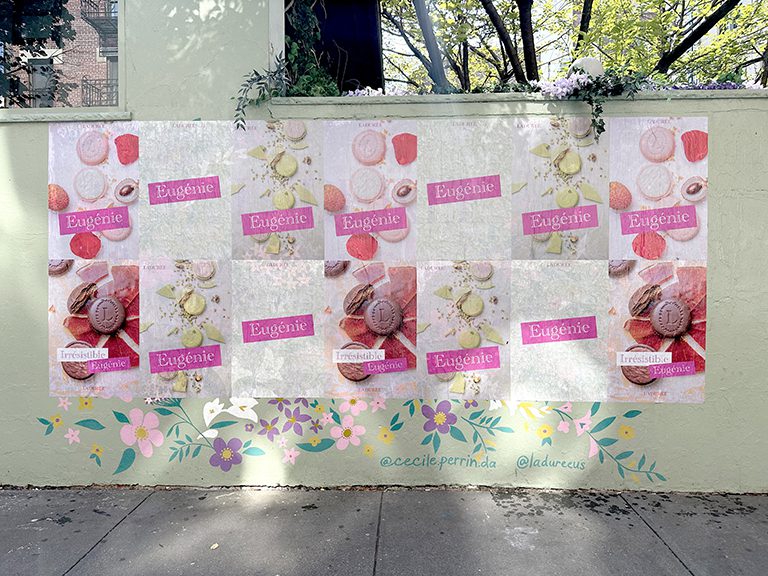
American Guerrilla Marketing has executed fly posting campaigns across New Jersey for clients in entertainment, fashion, consumer products, live events, and political campaigns. Every placement is documented with geo-tagged photography. Every campaign is built on market knowledge, not guesswork. When you need New Jersey, we know where the audiences are.
AGM has the market knowledge, the surfaces, and the field team to put your brand in front of New Jersey's most engaged street-level audiences. From a single-city Newark launch to a four-market NJ corridor campaign, we handle every detail from surface scouting to documented delivery.
Select a city to explore Fly Posting Advertising opportunities.
Each city in New Jersey’s northeastern corridor has distinct street geography, audience composition, and high-traffic posting zones. AGM maps every campaign to the commercial and residential corridors that actually generate foot traffic — not just a city name on a brief.
Newark is the state’s largest city and carries more market depth than its national reputation suggests. The Ironbound District — centered on Ferry Street, running east of the Penn Station area — is a dense Portuguese and Latino commercial corridor where restaurant traffic, nightlife, and weekend shopping generate some of the highest consistent foot traffic in northern New Jersey. Evening and weekend posting in Ironbound reaches a socially active crowd at street level, at exactly the moment they’re most receptive to discovery.
Beyond Ironbound, Newark’s arts infrastructure creates additional high-value posting environments. NJPAC (New Jersey Performing Arts Center) draws concentrated audiences on performance nights, and the blocks surrounding it see predictable pedestrian surges before and after shows. Halsey Street has emerged as Newark’s gallery corridor, connecting downtown to the university district with a creative-class audience that notices and engages with street-level visual work. Military Park, after its renovation, has become a genuine downtown gathering point. Rutgers University–Newark and NJIT together concentrate thousands of students in the University Heights neighborhood. The Four Corners Historic District, Broad Street’s commercial spine, Lincoln Park, and the Market Street retail corridor round out Newark’s posting geography.
Key zones: Ironbound/Ferry Street, Halsey Street gallery district, NJPAC and Military Park blocks, University Heights (Rutgers/NJIT), Prudential Center/Four Corners, Broad Street, Market Street, Lincoln Park
Jersey City’s gentrification over the past two decades has produced one of the most interesting fly posting markets in the New York metro area. Journal Square is the city’s transit epicenter — the square itself and Kennedy Boulevard approaching it have massive foot traffic and a supply of former commercial buildings with large unobstructed side walls that make it ideal for 48×72 large-format posting. The Grove Street PATH plaza area draws a younger professional demographic concentrated in downtown Jersey City, where new restaurants, bars, and creative businesses have transformed what was a transit corridor into a genuine destination neighborhood.
The Powerhouse Arts District — formally branded as WALDO, the West side Arts LOcal District — runs along Marin Boulevard through a stretch of converted industrial buildings that offer some of the best blank wall inventory in the state. The district’s arts-sophisticated audience and the scale of available posting surfaces make it an exceptional campaign environment. Newport and Exchange Place on the waterfront serve a financial-district professional population. Van Vorst Park and Hamilton Park neighborhoods bring gentrified residential blocks with active restaurant and bar scenes. The Heights along Palisade Avenue and Central Avenue maintains a diverse Latin arts community with its own commercial density. McGinley Square anchors the student population near St. Peter’s University.
Key zones: Journal Square, Grove Street PATH plaza, Powerhouse Arts District/WALDO, Newport/Exchange Place waterfront, Van Vorst Park, Hamilton Park, The Heights (Palisade Ave/Central Ave), McGinley Square, Coles Street, Communipaw Avenue
Paterson is the kind of city that fly posting was made for. Its industrial heritage — the Silk City legacy of mill and factory buildings along the Passaic River — has left behind a stock of large blank walls that rival anything in the NYC metro for large-format surface quality. The Great Falls National Historical Park area along McBride Avenue and Spruce Street puts tourist foot traffic alongside industrial-scale posting walls in a combination that doesn’t exist anywhere else in New Jersey. Former mill buildings in this corridor are among the best 48×72 surfaces in the state.
Downtown Paterson’s Market Street and Main Street carry Paterson’s Silk City commercial identity, with retail activity, community foot traffic, and the visual language of a city that has always had a strong relationship with street-level culture. The Ward system neighborhoods — First Ward through the various residential and commercial blocks throughout the city — provide dense community posting corridors for campaigns targeting Paterson’s multicultural population. Broadway is the city’s main north-south commercial artery. Temple Street, the Paterson Museum vicinity, and the Mill Street industrial river corridor add additional campaign geography.
Key zones: Great Falls/McBride Avenue/Spruce Street industrial walls, Market Street downtown, Main Street, Broadway commercial corridor, Ward neighborhood corridors, Temple Street, Mill Street riverside buildings, William Paterson University proximity
Elizabeth holds one of fly posting’s most distinctive market opportunities in the entire northeastern United States. Elizabeth Avenue — running from Spring Street north through First Avenue — is a Latin American commercial corridor of exceptional density and foot traffic. Puerto Rican, Dominican, Mexican, and Central American businesses line both sides of the avenue in a continuous stretch of restaurants, bodegas, beauty supply stores, clothing retailers, and community gathering points. The pedestrian traffic on this corridor on evenings and weekends rivals commercial corridors in cities twice Elizabeth’s size. Posting on Elizabeth Avenue reaches a community audience with cultural specificity that no other advertising format in Elizabeth can match.
Beyond Elizabeth Avenue, Broad Street is the city’s traditional downtown commercial spine. The Union Square area, Spring Street, and Trenton Avenue corridors add additional posting geography. North Elizabeth’s residential and commercial mix, the Elizabethport waterfront industrial area with its large blank warehouse walls, and the Port Newark/Elizabeth Marine Terminal vicinity — where logistics workers form a consistent daily audience — complete Elizabeth’s campaign geography. Kean University’s presence on Morris Avenue adds a student population to the city’s mix.
Key zones: Elizabeth Avenue (Spring St to First Ave), Broad Street downtown, Union Square area, Spring Street and Trenton Avenue corridors, Elizabethport waterfront industrial walls, Port Newark vicinity, Morris Avenue/Kean University proximity
AGM offers two core fly posting formats across all New Jersey markets. Format selection depends on the available wall inventory at your target locations, your creative approach, and your campaign objectives. Both formats are executed with wheat paste on exterior walls and surfaces, photographed at every placement, and geo-tagged for the client delivery report.
The standard fly posting format — versatile, proven, and effective across every New Jersey market. Works in dense commercial corridors, neighborhood retail streets, transit-adjacent walls, and campus-area surfaces. Clusters of multiple placements in a single zone amplify impact and create a branded presence that pedestrians register over repeated passes.
Ideal for: entertainment releases, consumer products, event promotion, political campaigns, music, fashion, and any campaign where broad market coverage matters more than single-surface dominance.
Large-format fly posting commands attention at distance and makes an immediate visual statement. New Jersey has exceptional 48×72 surface inventory — Journal Square’s commercial building side walls, the Great Falls industrial corridor in Paterson, Elizabethport’s warehouse walls, and WALDO’s converted factory buildings all support large-format campaigns with the kind of blank wall real estate that 48×72 requires.
Ideal for: major brand launches, album drops, film releases, large-format creative with bold visual executions, and campaigns where impression strength per placement matters most.
Award Winning Personalized Service
You will get thoughtful, devoted, and individualized attention from our experienced, qualified, and professional personnel. Being one of the most illustrious agencies in Brooklyn, New York, American Guerrilla Marketing has been awarded the Best of Brooklyn title.
Nationwide
Industry City, Brooklyn, New York 11232
American Guerrilla Marketing
Hours
Mon - Fri: 9 AM - 5 PM
Sat & Sun: Closed
Automate your campaign with AGM’s Request for Proposal Builder. Simply answer a few quick questions about your campaign goals, markets, and timeline, and the system will generate a tailored presentation with recommended strategies, quantities, and pricing. Click the RFP Builder to instantly receive your customized proposal.
AGM’s New Jersey fly posting process starts with market-specific planning, not generic execution. Before any campaign launches, the team identifies target zones based on the client’s audience, maps posting locations with attention to surface quality, pedestrian volume, and sight-line positioning, and establishes a posting schedule that accounts for neighborhood peak traffic windows. High-foot-traffic periods — evening and weekend for commercial corridors, event-adjacent windows for venue districts, morning commute zones for transit-hub areas — are factored into the posting timeline.
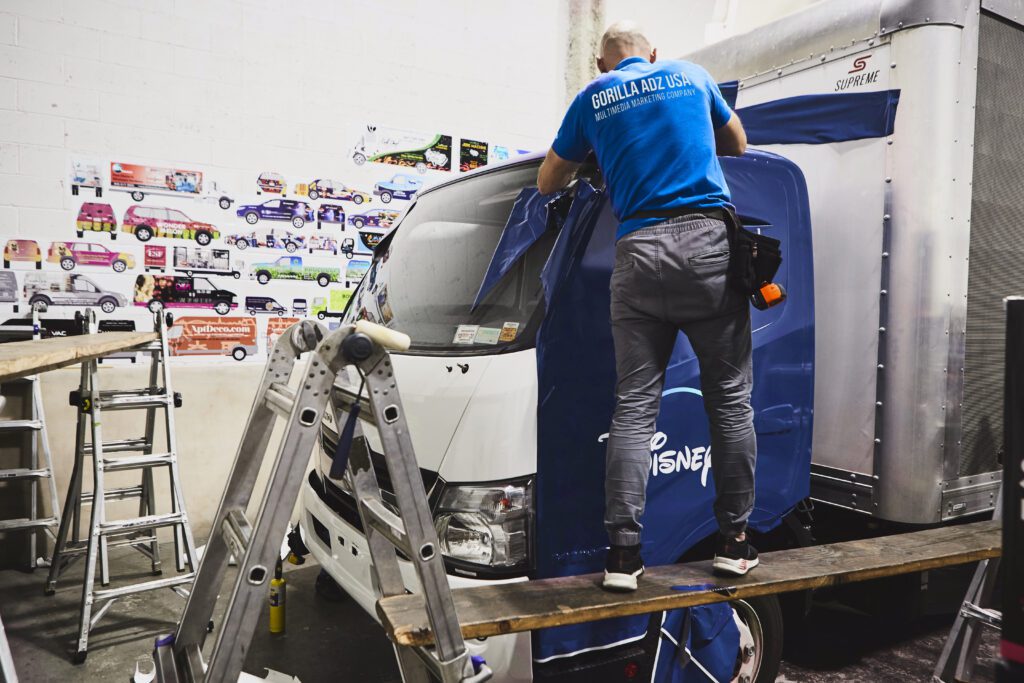
Wheat paste application is executed by experienced field teams who know New Jersey’s posting geography. Unlike dry adhesive methods, wheat paste creates a weather-resistant bond that holds through New Jersey’s full seasonal climate cycle. Campaigns posted in October hold through winter weather patterns; summer campaigns placed during festival season maintain integrity through heat and humidity. Every surface is assessed for suitability before posting, and placements are positioned for maximum pedestrian visibility at walking pace.
Documentation is comprehensive and delivered to every client without exception. Each placement receives a geo-tagged photograph taken at the time of posting. The client delivery package includes a full photo report with confirmed placement addresses, organized by zone or neighborhood for easy review. Clients know exactly where their campaign ran, not just approximately.
Campaign timeline from approved creative to completed posting is typically 5–10 business days, depending on campaign size and market distribution. Multi-city campaigns are coordinated to run concurrently where schedules allow, ensuring consistent market presence across Newark, Jersey City, Elizabeth, and Paterson simultaneously rather than in staggered waves.
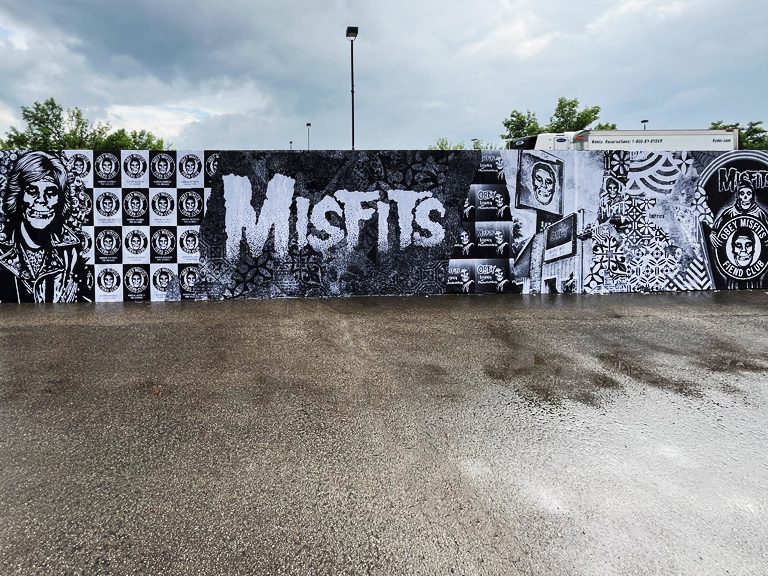
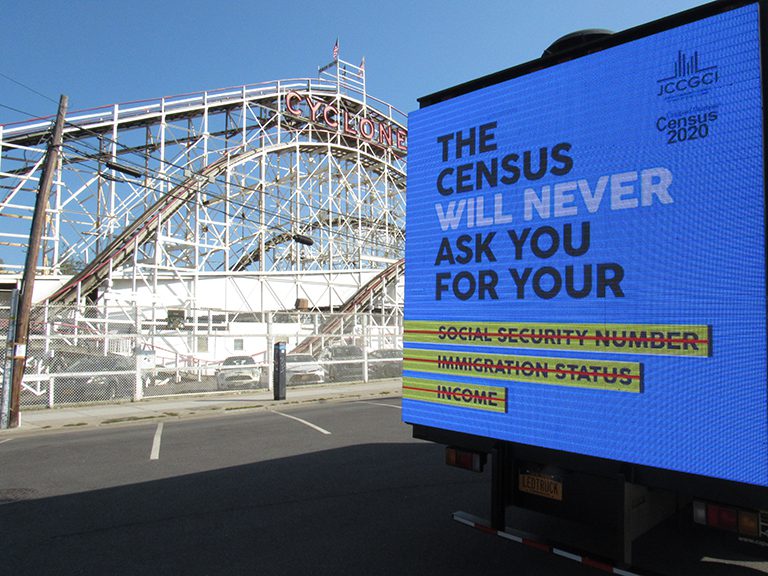
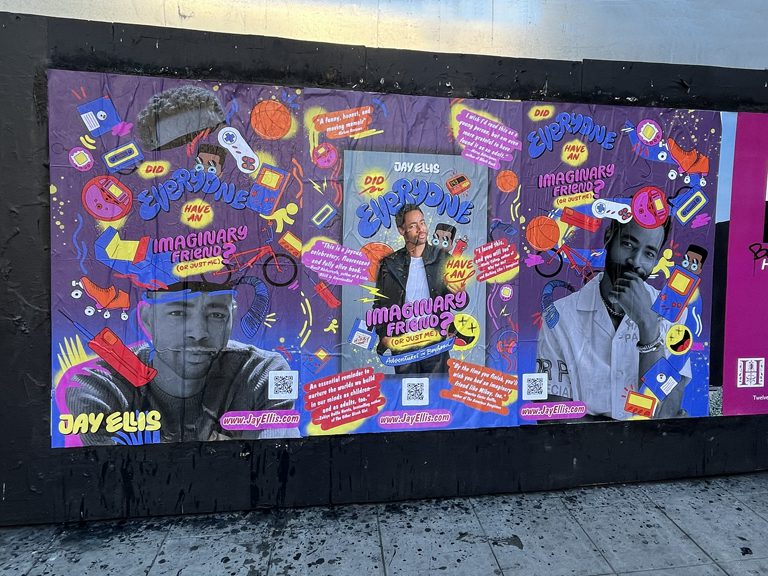
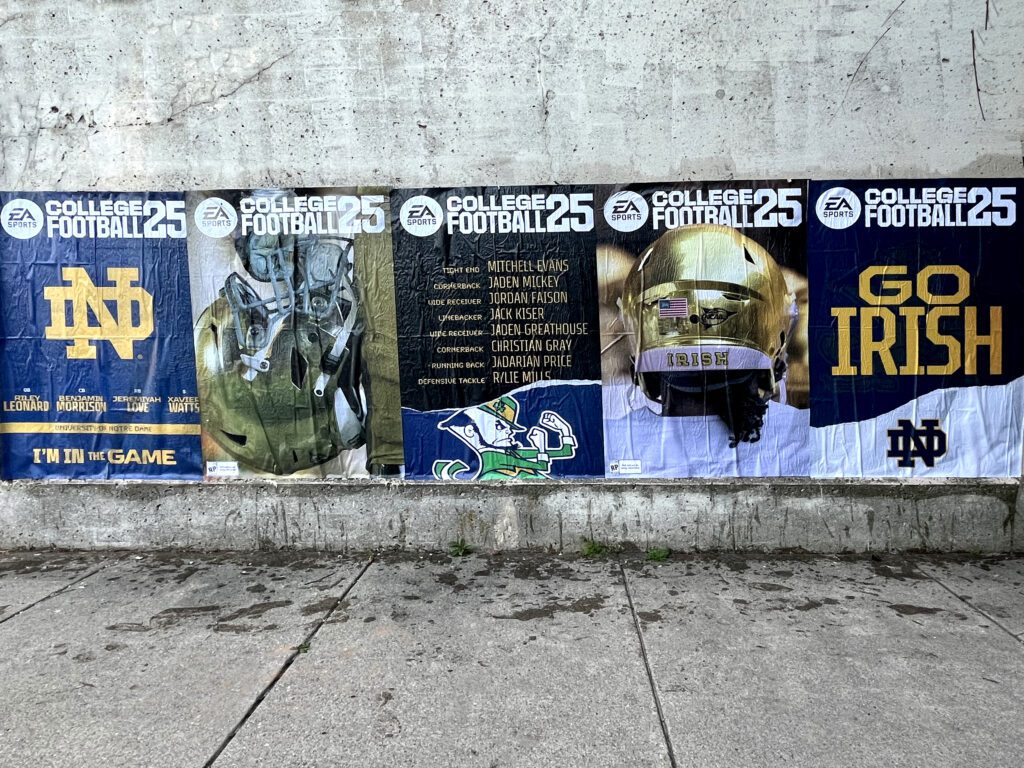
AGM’s client roster across all markets includes Netflix, The Onion, EA Sports, Biossance, and Shepard Fairey — brands and artists that chose fly posting specifically because it reaches audiences that digital and traditional outdoor advertising can’t touch with the same authenticity.
Entertainment and media brands use New Jersey fly posting to reach the NYC metro’s extended audience with campaigns that feel organic to the urban environment. Film and streaming releases, album campaigns, and gaming launches benefit from New Jersey’s proximity to NYC’s entertainment audience while accessing distinct urban markets that NYC-only campaigns miss.
Consumer brands in fashion, food and beverage, beauty, and lifestyle use New Jersey’s concentrated urban corridors to build street-level brand awareness in communities that are underserved by conventional outdoor media buys. Elizabeth Avenue and Ironbound reach demographic audiences with cultural precision that billboard placement rarely achieves.
Live event promoters and venues — for shows at Prudential Center, NJPAC programming, concerts and festivals across the corridor — use fly posting to build advance awareness in the neighborhoods where their audiences live and commute. Street-level poster campaigns placed two to four weeks before an event create sustained visual frequency during the purchasing decision window.
Political campaigns at the local, state, and federal level use fly posting in New Jersey’s competitive electoral districts. Newark, Jersey City, Elizabeth, and Paterson each have active political cultures with competitive council, mayoral, legislative, and congressional races where ground-level presence matters alongside digital advertising.
Arts organizations, galleries, and cultural institutions — many of which cannot afford traditional outdoor buys — use fly posting as a cost-effective way to reach exactly the arts-engaged audiences that cluster around Halsey Street in Newark, WALDO in Jersey City, and the Great Falls area in Paterson.
AGM covers Newark, Jersey City, Elizabeth, and Paterson as primary New Jersey fly posting markets, with campaign execution across the broader northeastern NJ corridor. Each city has distinct high-traffic zones and posting surfaces that are mapped in advance of every campaign, ensuring placements land in the areas that generate real pedestrian exposure rather than technically counted but visually buried locations.
New Jersey and New York City are distinct markets that often work best as complements rather than substitutes. NJ’s urban corridor is denser and more commercially active than many brands assume — Newark, Jersey City, Elizabeth, and Paterson collectively represent a massive foot-traffic base, and NJ residents are a directly relevant audience for entertainment, consumer, and cultural brands targeting the broader metro. A brand posting only in NYC is reaching NJ audiences through spillover rather than direct placement. A dedicated NJ campaign reaches those audiences in their own environment, on their own streets, at the commercial and cultural spaces they actually frequent.
Yes. AGM regularly executes multi-city New Jersey campaigns, distributing placements across two, three, or all four northeastern corridor cities within a single campaign budget. Multi-city NJ campaigns increase geographic reach and build audience frequency across the entire corridor. A campaign running simultaneously in Newark, Jersey City, and Elizabeth, for example, covers three distinct audience demographics while maintaining a single coordinated brand presence across the market.
The Ironbound District is a dense Portuguese and Latino commercial neighborhood in eastern Newark, centered on Ferry Street east of Newark Penn Station. It’s named for the railroad lines that bounded it historically. Today it’s one of Newark’s most active dining and nightlife destinations, with restaurants, bars, and shops that draw crowds throughout the week and especially on evenings and weekends. The pedestrian volume in Ironbound during peak hours is substantial — posting in this corridor reaches a socially engaged audience at exactly the moment they’re most open to discovery and brand exposure.
Yes. NJPAC — the New Jersey Performing Arts Center in downtown Newark — operates a year-round programming calendar that includes major classical, jazz, Broadway touring, comedy, and world music events. The blocks surrounding NJPAC see concentrated foot traffic before and after performances. AGM can identify upcoming NJPAC programming windows and schedule posting to coincide, positioning placements along pedestrian approach routes where audiences are most concentrated and most receptive.
Jersey City has built one of the most active arts communities in the greater New York metro over the past decade. The Powerhouse Arts District (WALDO) along Marin Boulevard, the Coles Street gallery corridor, Grove Street’s creative business cluster, and the annual JCAST studio tour together represent a large, concentrated arts audience. This demographic is highly attuned to visual media, responds strongly to creative street-level advertising, and has become a target audience for brands in entertainment, fashion, and culture. Fly posting in Jersey City’s arts districts reaches people who actively notice and engage with creative outdoor work — as opposed to passive billboard audiences who tune out standardized ad formats.
24×36 standard poster campaigns start at contact us for pricing for 100 placements and contact us for pricing for 200 placements. 48×72 large-format campaigns are contact us for pricing for 100 placements and contact us for pricing for 200 placements. If a campaign requires multiple creative designs, additional designs are priced at Contact us for pricing. for 24×36 campaigns and Contact us for pricing. for 48×72 campaigns. Pricing covers execution, materials, and full geo-tagged photographic documentation delivered on campaign completion.
Wheat paste is durable across a wide range of weather conditions and holds reliably through New Jersey’s four-season climate. AGM schedules posting around adverse weather forecasts and uses paste formulations matched to the current season and expected conditions. Summer campaigns run without issue in heat and humidity; fall and winter campaigns hold through cold and precipitation. The NJ climate does not restrict campaign windows in any meaningful way — campaigns can run year-round.
Every placement is photographed at the time of posting with geo-tagged documentation capturing the exact location. Clients receive a complete photo report upon campaign completion, organized by zone or city, with confirmed placement addresses for every posted location. There are no estimated counts or approximated placement ranges — the documentation reflects exactly what was executed, exactly where it landed.
Yes. New Jersey runs active political cycles at every level — municipal council and mayoral races, state legislative campaigns, congressional and senate elections — and fly posting has been used in New Jersey political campaigns across multiple cycles and markets. AGM handles execution and documentation. Compliance with applicable local ordinances and election law governing signage and posting is the responsibility of the campaign and its legal counsel; AGM’s role is field execution and reporting.
Journal Square in Jersey City and Newark’s Broad Street Station area are among the highest-traffic transit nodes in New Jersey, each moving tens of thousands of daily commuters through PATH and NJ Transit connections. Posting on the commercial blocks adjacent to these hubs places campaigns in front of commuters during their daily movement — a repeating audience that passes the same locations multiple times weekly. Transit-adjacent posting creates a frequency advantage that single-exposure ad formats cannot replicate: the same person sees the same campaign on their morning commute and again on their evening return, reinforcing recall without requiring a second placement purchase.