Theme park marketing operates at the intersection of entertainment, family psychology, tourism economics, and competitive geography in ways that make it one of the more strategically complex areas in consumer marketing. The challenge isn’t awareness – most major theme parks have extraordinary brand recognition. The challenge is converting that awareness into tickets sold, families planning trips, and repeat visitors who become long-term brand advocates in a landscape where competing attractions, seasonal pressures, and economic sensitivity all affect attendance decisions.
American Guerrilla Marketing has executed campaigns for entertainment properties, attraction operators, and tourism brands across 50+ U.S. markets since 2006. Our team at Industry City in Brooklyn, NY runs the field programs that put theme park marketing in front of real families in real consumer contexts – street team activations, experiential campaigns, outdoor presence, and event-adjacent programs that create the kind of tangible brand encounters that move attendance intent.
This guide covers what effective theme park marketing looks like, which tactics produce the best results, and how to think about the channel and strategy mix for a property trying to grow attendance in a competitive market.
The Core Challenge of Theme Park Marketing
Theme park marketing faces a structural challenge that most consumer categories don’t: the product is experiential, the purchase decision is high-consideration, and the consumer journey from initial awareness to purchased ticket involves multiple decision-makers, competing priorities, and significant financial and logistical planning. A family deciding whether to visit a theme park this summer is making a decision that involves budget planning, schedule coordination, age-appropriateness assessment, travel planning, and comparison to alternative vacation uses of the same time and money.
This means that theme park marketing isn’t a single-message, single-channel, single-moment challenge. It’s a sequential influence campaign that needs to work at multiple points in a consumer decision process that plays out over weeks or months. The best theme park marketing agencies understand this sequencing and design campaigns accordingly.
The Geographic Dimension
Most theme parks draw the majority of their attendance from specific geographic feeder markets – metropolitan areas within driving distance or within a price-accessible flight range. Understanding the feeder market composition, the competitive landscape within each feeder, and the specific consumer segments within each feeder who have the highest conversion potential is fundamental to effective theme park marketing strategy. A campaign targeting the New York metropolitan market for a destination park needs to know not just that New York families exist, but where they concentrate, how they make family vacation decisions, and what competing attractions are marketing in the same space.
The Seasonality Problem
Theme parks are structurally seasonal businesses, which creates campaign timing challenges that other entertainment categories don’t face as acutely. Marketing pressure needs to land before the decision window, not during it. Families deciding on summer vacation in January-March need to encounter theme park marketing in that decision window, not in June when the decision is already made. This seasonality applies to street-level and experiential campaigns just as it does to digital and broadcast – AGM’s spring campaign calendar is heavily influenced by the advance planning requirements of theme park feeder market programs.
Street-Level Marketing for Theme Parks: What Works
Street-level and experiential marketing plays a specific and important role in the theme park marketing mix. It’s not the whole program, but it fills gaps that other channels can’t – particularly in building tangible brand encounters with families in the everyday consumer contexts where they’re accessible and receptive.
Street Team Programs in Feeder Markets
The most direct street-level tactic for theme park marketing is deploying street teams and brand ambassadors in high-family-traffic locations in key feeder markets – family-oriented shopping districts, outdoor recreation areas, family restaurants and entertainment venues, community events, sports and activity programs where the target family demographic concentrates. Brand ambassadors distributing promotional materials, offering promotional pricing codes, and engaging families in brief brand conversations about the park’s current offerings create the kind of direct, personal engagement that digital advertising cannot replicate.
The timing of these street team programs matters enormously. AGM deploys feeder market programs for attraction clients in the decision-window periods for their primary target segments – typically late winter for summer visits, late summer for fall visits, and late fall for holiday season programs.
Event-Adjacent Campaigns
Family-oriented events in feeder markets are natural contexts for theme park marketing. Youth sports championships, family outdoor festivals, children’s cultural events, county fairs, zoo and aquarium programs, and similar gatherings concentrate the exact consumer demographic that theme parks target. AGM executes event-adjacent programs – permitted activations in the approach corridors of these events – that capture the family audience in a receptive, outings-minded context that aligns perfectly with theme park purchase intent messaging.
Outdoor Advertising in Family-Concentrated Corridors
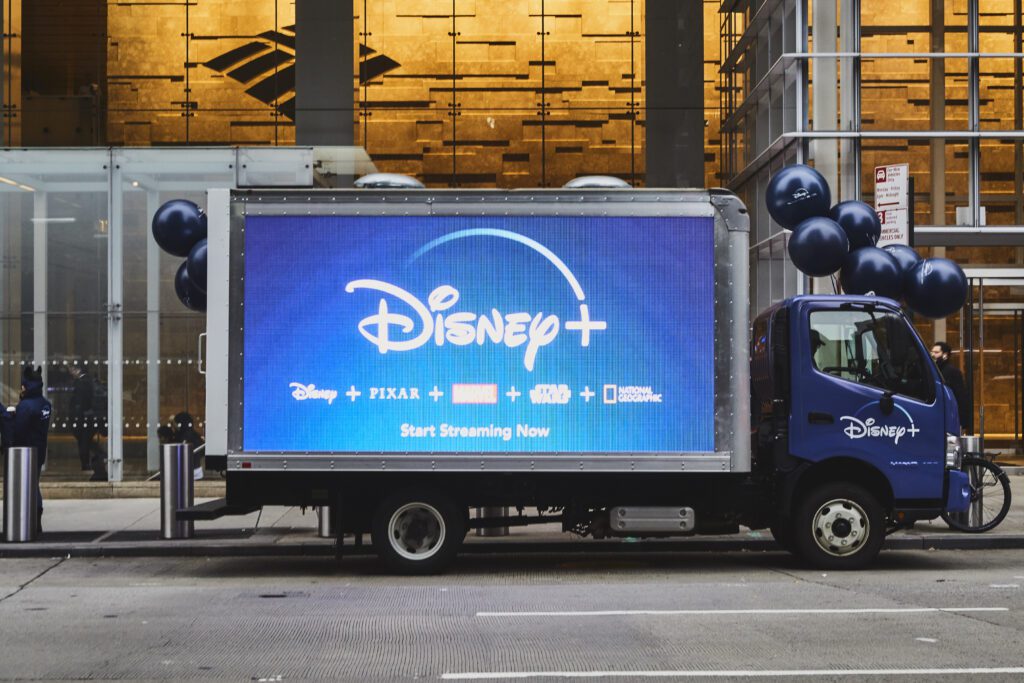
In feeder markets, outdoor advertising in residential family neighborhoods, near family-oriented retailers, and in the commuter corridors of family demographic concentrations builds the frequency and visual familiarity that influences consideration during the planning window. LED billboard trucks offer the additional flexibility of rotating through multiple family-concentrated locations in a single day, building frequency across a geographic area that fixed placements can’t cover as efficiently.
The Emotional Architecture of Theme Park Marketing
Theme parks sell an emotional experience – joy, wonder, family connection, childhood magic. The marketing that works best for theme parks creates a taste of that emotional experience rather than communicating the park’s attributes rationally. A list of rides and attractions is information; a marketing encounter that makes a child’s face light up, or that gives a parent a glimpse of the family memory they could create, is marketing.
This emotional architecture principle affects how we approach street-level execution for theme park clients. Brand ambassadors aren’t just distributing flyers – they’re creating a brand encounter that should feel joyful, playful, and memorable in its own right. Activation designs should capture attention and produce positive emotional responses. The street-level encounter should feel like a preview of the park experience, not a transactional promotional event.
Character and Experience Extensions
For parks with strong character IP – beloved cartoon characters, film franchises, proprietary mascots – taking character appearances or character-themed activations into feeder market street programs creates the emotional engagement that drives attendance intent with remarkable efficiency. A child who meets a character they love at a street activation in their home city is a child who will ask their parents to take them to the park. This character extension strategy is one of the most powerful tools in the theme park marketing toolkit.
Measuring Theme Park Marketing Campaign Performance
Measuring the effectiveness of theme park marketing campaigns requires defining success metrics before the campaign launches and building the tracking mechanisms that make attribution possible.
Feeder Market Attendance Tracking
The most direct measure of feeder market campaign effectiveness is year-over-year attendance changes from the targeted geographic markets during the campaign window. This requires address-level data from ticket purchases – which most modern theme park ticketing systems can provide – and a historical baseline for comparison. Markets where campaigns ran should show better year-over-year performance than comparable markets where campaigns didn’t run.
Promotional Code Attribution
Street team and event-adjacent programs can distribute unique promotional codes that provide direct digital attribution: every ticket purchased with the code came from a consumer who received it through the street program. This creates clean ROI measurement – total ticket revenue attributed to the promotional code versus total campaign cost – that makes the value of street-level programs tangible in financial terms.
Brand Awareness Tracking
Survey-based brand awareness tracking in targeted feeder markets, conducted before and after campaign windows, measures the awareness contribution of the campaign independently of purchase behavior. This is particularly valuable for markets where the park has been underinvesting and needs to build baseline familiarity before ticket sales can be expected to respond.
How AGM Works with Theme Park and Attraction Clients
AGM’s work with entertainment properties, attraction operators, and tourism brands follows the same process we apply to all clients: strategic objective setting first, location scouting based on real field knowledge second, execution with trained and enthusiastic brand representatives, and GPS-tracked documentation that proves the program ran as planned.
For theme park clients specifically, we focus heavily on feeder market selection and timing – making sure programs run in the right cities, in the right consumer contexts, at the right point in the family vacation planning calendar. We don’t just execute in the obvious high-population markets; we identify the feeder markets with the best combination of family demographic concentration, competitive conditions, and price-accessibility for the specific park’s offering.
Theme Park Marketing in the Post-Pandemic Attendance Landscape
Theme park attendance patterns shifted significantly in the years following the pandemic period, with consumer priorities, spending confidence, and competitive alternatives all affecting how parks approach marketing strategy. Understanding the current attendance landscape informs how effective theme park marketing agencies approach their work.
The Return to Experience Economy
Consumer spending has shifted decisively toward experiences over goods in the post-pandemic period. This is fundamentally good news for theme parks – the experience economy tailwind is real, and families who paused big attraction visits during the pandemic period are generally predisposed to return. The marketing challenge is competing for wallet share within the experience economy rather than competing against goods spending. Theme parks today compete with travel, dining experiences, live entertainment, and other experiential categories for the discretionary spending families have available.
The Value Perception Challenge
Theme park ticket prices have increased significantly across the industry, which has created a value perception challenge that marketing programs must address. Families with strong brand affection for a park but sensitivity to price need marketing that reinforces the value equation – the memories created, the multi-day experience available, the group-size value that makes parks economical on a per-experience basis compared to alternatives. Street-level marketing programs that give families a positive direct brand encounter can reinforce value perception better than price-focused advertising.
Partnership Marketing for Theme Parks
Theme parks that collaborate with brands, media properties, and community organizations on marketing programs extend their reach and credibility in ways that solo advertising can’t achieve.
Co-Brand Sampling and Promotion Programs
Consumer packaged goods brands, food and beverage companies, and family-oriented consumer brands make natural co-marketing partners for theme parks. A CPG brand that distributes park promotional materials and offers at sampling activations in key feeder markets produces mutual value: the brand gains attention and shelf engagement; the park gains distribution of promotional materials to a targeted family audience. AGM has structured and executed co-brand sampling programs that distribute entertainment promotional materials alongside product samples at relevant consumer events.
Media Property Partnerships
Parks with entertainment IP – licensed characters, film franchise connections, media property tie-ins – benefit from coordinating marketing with the media property owners around key release dates and content moments. When a major animated film releases and a park has a related attraction, the film’s marketing and the park’s marketing should be timed to reinforce each other. Street-level programs that activate in the same markets and time windows as the film’s marketing create a compounding awareness effect that neither program achieves independently.
Community Organization Partnerships
School districts, youth organizations, community centers, and family service organizations are authentic distribution partners for theme park marketing programs targeting family audiences. A school partnership that provides teacher appreciation days or group discount programs creates genuine community goodwill while distributing park promotional materials to families through a trusted community channel. These partnerships take time to build but produce sustained marketing reach that advertising placements don’t.
Digital and Physical Marketing Integration for Theme Parks
The most effective theme park marketing programs integrate physical street-level presence with digital advertising for a coordination effect that neither channel achieves independently.
Physical Triggers for Digital Action
Street team programs that distribute QR codes, promotional codes, or app download links create direct connections between physical encounters and digital conversion tracking. A brand ambassador who engages a family at a community event and provides a promotional code for discounted admission creates both a positive emotional encounter and a measurable digital conversion opportunity. When that code is later redeemed, the street-level program gets direct attribution for the ticket sale.
Digital Retargeting of Street-Activated Audiences
Digital retargeting campaigns targeted to the zip codes and event venues where street team programs have been running create a second impression that reinforces the physical encounter with digital frequency. Families who received promotional materials or had a brand ambassador interaction are subsequently encountered again through carefully targeted social and display advertising – building the frequency and familiarity that moves purchase intent toward ticket purchase decisions.
Theme Park Marketing Agency Selection: Key Questions to Ask
Evaluating theme park marketing agencies requires asking questions that reveal operational capability rather than just creative vision. Here are the questions that separate capable agencies from compelling presenters.
Feeder Market Experience
Ask: in which specific feeder markets have you executed programs for attraction clients? What were the objectives, and what outcomes did you produce? An agency with genuine theme park feeder market experience can describe specific markets, specific campaigns, and specific results. An agency without it will give generic answers about its capabilities. Theme park marketing requires genuine knowledge of feeder market geography, family audience behavior, and seasonal timing dynamics that only comes from having actually executed in those markets.
Family Audience Expertise
Family audiences require specific expertise that’s different from general consumer marketing. Multi-generational purchase decisions, child enthusiasm as a purchase decision driver, school calendar timing, and the emotional architecture of family experience marketing all require specific capability. Ask prospective agencies how they approach family audience engagement in feeder markets, and evaluate whether their answer reflects genuine family consumer understanding or generic demographic language.
Documentation and Attribution
Theme park marketing programs in feeder markets need clear attribution between campaign execution and ticket sales in those markets. Ask how the agency tracks and documents program attribution. GPS-tagged documentation, promotional code redemption tracking, and feeder market ticket sales data comparisons should be part of the answer. Agencies that can’t describe specific attribution methodologies are operating on faith rather than evidence – which is not appropriate for the investment levels involved in multi-market theme park marketing programs.
What does a theme park marketing agency do?
A theme park marketing agency plans and executes campaigns designed to drive attendance, build brand awareness, and create long-term consumer loyalty for theme parks and attraction properties. Services typically include street-level and experiential marketing, outdoor advertising, sampling and street team programs, event adjacency campaigns, and media strategy in key feeder markets.
How do theme parks attract new visitors through marketing?
Effective theme park visitor acquisition combines broad awareness advertising with targeted engagement in the consumer segments and geographic markets most likely to convert to attendance. Street-level campaigns in key feeder markets – major cities within driving distance of the park – are particularly effective at reaching family and group audiences with tangible marketing experiences that create purchase intent during the family vacation planning window.
What marketing tactics work best for theme parks?
Street-level sampling and street team programs in key feeder cities, experiential activations at family-oriented events, outdoor advertising in high-family-traffic corridors, and event-adjacent campaigns at relevant consumer gatherings all produce strong results. The key is creating marketing experiences that capture the emotional appeal of the park experience itself – joy, wonder, family connection – not just communicating the park’s features rationally.
How do you market a theme park to families?
Family-focused theme park marketing reaches both decision-makers (parents) and enthusiasm-generators (children) through different but coordinated channels. Street team programs at family events, outdoor advertising in family-oriented retail corridors, and sampling activations at children’s events and family recreation locations are all effective. Marketing should emphasize shared family experience and create joyful, accessible brand encounters that give both parents and children a preview of what the visit would feel like.
What is the difference between theme park marketing and regular tourism marketing?
Theme park marketing must address the full consumer journey from initial awareness through ticket purchase, visit planning, on-site experience, and post-visit advocacy. Tourism marketing typically focuses on destination awareness. Theme park marketing is more product-specific, more focused on specific audience segments, and more invested in repeat visitation and loyalty building than broader destination tourism campaigns.
How do you measure theme park marketing campaign effectiveness?
Key metrics include ticket sales volume in targeted geographic markets during campaign windows, year-over-year attendance trends in feeder markets where campaigns ran, digital conversion rates from campaign-attributed traffic, brand awareness tracking in targeted consumer segments, and promotional code redemption rates that provide direct campaign attribution. Building measurement infrastructure before the campaign launches is required to make these metrics useful.
Does AGM work with theme parks and attraction operators?
Campaign Architect — American Guerrilla Marketing
Frequently Asked Questions
What does a theme park marketing agency do?
A theme park marketing agency plans and executes campaigns designed to drive attendance, build brand awareness, and create long-term consumer loyalty for theme parks and attraction properties. Services typically include street-level and experiential marketing, outdoor advertising, sampling and street team programs, event adjacency campaigns, and media strategy.
How do theme parks attract new visitors through marketing?
Effective theme park visitor acquisition combines broad awareness advertising with targeted engagement in the consumer segments and geographic markets most likely to convert to attendance. Street-level campaigns in key feeder markets – major cities within driving distance of the park – are particularly effective at reaching family and group audiences with tangible marketing experiences that create purchase intent.
What marketing tactics work best for theme parks?
Street-level sampling and street team programs in key feeder cities, experiential activations at family-oriented events, outdoor advertising in high-family-traffic corridors, and event-adjacent campaigns at relevant consumer gatherings all produce strong results for theme parks. The key is creating marketing experiences that capture the emotional appeal of the park experience itself.
How do you market a theme park to families?
Family-focused theme park marketing reaches both the decision-makers (parents) and the enthusiasm-generators (children) through different channels. Street team programs at family events, outdoor advertising in family-oriented retail corridors and residential communities, and sampling activations at children’s events and family recreation locations are all effective. Marketing should emphasize shared family experience and accessible, joyful brand encounters.
What is the difference between theme park marketing and regular tourism marketing?
Theme park marketing must address the full consumer journey: initial awareness, purchase intent generation, ticket purchase, pre-visit anticipation, the on-site experience, and post-visit advocacy. Tourism marketing typically focuses on destination awareness. Theme park marketing is more product-specific and more focused on repeat visitation and loyalty building than broader destination tourism campaigns.
How do you measure theme park marketing campaign effectiveness?
Key metrics include ticket sales volume in targeted geographic markets during campaign windows, year-over-year attendance trends in feeder markets where campaigns ran, digital conversion rates from campaign-attributed traffic, brand awareness tracking in targeted consumer segments, and coupon or promotional code redemption rates that provide direct campaign attribution.
Does AGM work with theme parks and attraction operators?
Yes. AGM executes street-level and experiential marketing campaigns for attraction and entertainment properties across 50+ U.S. markets. We run street team programs, sampling activations, outdoor campaigns, and event-adjacent programs designed to drive attendance and brand engagement. Contact us at [email protected] or (646) 776-2770.