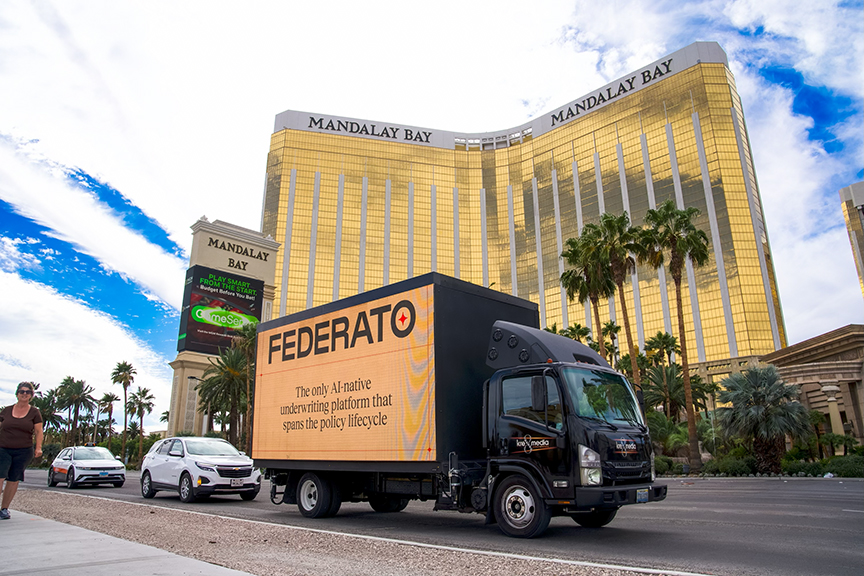
The word activation gets used a lot in marketing, but not everyone uses it the same way. So what is an activation, exactly? At its core, an activation is a live brand experience designed to create a direct connection between a brand and its audience. It is the moment when a brand strategy stops being a document and becomes something real that a person can interact with, feel, and remember.
We run activations for brands across the US. We have executed them in parks, at festivals, in retail spaces, on street corners, inside stadiums, and in pop-up stores. This guide explains what an activation is, why brands do them, and how to make them work.
An activation is a marketing tactic that creates a direct, participatory experience between a brand and a consumer. The defining characteristic is interactivity. People do more than see an activation. They participate in it. They try something. They touch something. They play something. They make something. That participation is what distinguishes an activation from advertising.
Advertising communicates to an audience. An activation creates a relationship with one. The difference sounds subtle but the impact is significant. Studies on experiential marketing consistently show that people who participate in a brand activation are far more likely to purchase and far more likely to recommend the brand than people who only see its advertising.
A brand activation can take many forms. A product sampling campaign is an activation. A pop-up shop is an activation. A festival booth is an activation. A roadshow that brings a brand experience to multiple cities is an activation. A street team handing out free products and engaging people in conversation is an activation. What all of these have in common is direct, in-person consumer contact organized around a specific brand experience.
Why Brands Run Activations
Activations address a specific challenge that advertising alone cannot solve. You can tell someone about a product all day long. But until they have held it, tasted it, experienced it, or seen it in context, that information stays abstract. Activations make the brand concrete. They turn abstract brand promises into physical, sensory experiences that stick.
The business case for activations is well supported. Product trial activations consistently produce higher conversion rates than any other form of consumer contact. A person who has tasted your new beverage, tried on your new sneaker, or played a demo of your new product is many times more likely to purchase than a person who has only seen an ad for it.
Activations also generate social content that amplifies the brand beyond the immediate participants. When a brand creates an experience worth sharing, the people who participate share it. That organic distribution multiplies the effective reach of the activation at no additional cost. In cities like New York and Los Angeles, a well-designed activation can generate tens of thousands of organic social exposures from a few hundred direct participants.
Types of Activations
Activations come in many formats. Understanding the range helps you choose the right approach for your specific campaign goals.
People sometimes confuse activations with events. They are related but not the same. An event is a gathering organized around content, entertainment, or community. An activation is a brand experience designed to create consumer interaction and connection.
Many events contain activations. A music festival is an event. A brand’s booth at that festival is an activation. A product launch party is an event. The product demo station inside the party is an activation. The event is the context. The activation is the brand interaction that happens within that context.
Activations can also exist without a formal event structure. A street team campaign, a pop-up on a busy sidewalk, or a product sampling station in a park are all activations that do not require an event framework. The activation is self-contained.
The Activation Principle
An activation is worth the investment when it creates something the audience genuinely values. Free product. A great experience. Something rare or exclusive. An activation that asks for the audience’s attention without offering anything in return is not an activation. It is a booth.
The Elements of a Successful Activation
Every successful activation we have run shares a common set of characteristics. Understanding these helps you design activations that actually work.
A Clear Objective
What is this activation trying to achieve? Product trial? Brand awareness? Lead generation? Social content? The answer determines the entire design of the activation, from the format and location to the staffing and measurement approach. Activations without clear objectives produce inconsistent results because there is no standard against which to optimize.
The Right Location
Location is strategy in activation work. The activation must happen where your target audience already spends time. In New York, that might mean Prospect Park on a Saturday afternoon for a lifestyle brand, or the area around Terminal 5 before a show for a music-related brand, or Union Square during the farmers market for a food brand. The audience should be there naturally. Your activation joins their existing behavior rather than asking them to come somewhere new.
An Experience Worth Having
The best activations give the audience something they genuinely want. It can be simple. Cold product on a hot day. A fun game with a prize. A comfortable seat in a branded space. An exclusive product not available anywhere else. Whatever it is, it needs to be something the audience experiences as genuinely valuable, not as an ad disguised as an experience.
Trained Brand Ambassadors
The people who run your activation are the brand in that moment. If they are disengaged, inarticulate, or visibly uninvested in the experience, the activation fails regardless of how good the setup looks. We spend significant time briefing and training the teams that staff our activations. They need to know the product, believe in it, and have the personality to create genuine connections with strangers.
A Shareable Moment
Every activation should have a visual centerpiece that makes people want to take a photo. A branded backdrop. An interesting installation. A product presentation that looks distinct enough to be worth photographing. When the audience documents and shares the activation, they become your distribution channel. That organic reach is often the most valuable part of the campaign.
Activations in Different Industries
Every industry uses activations differently. Here is how we approach them for the categories we work with most.
Consumer Packaged Goods
Product trial is the primary goal for most CPG activations. Getting the product into hands, into mouths, or onto skin is the fastest path to purchase. We run sampling campaigns in high-traffic public locations, retail environments, and festival grounds. The metric that matters is samples distributed and conversion rate from trial to purchase.
Entertainment and Music
Music and entertainment activations are about building anticipation and deepening connection. A pop-up installation for an album release. A fan experience at a venue neighborhood before a show. An interactive experience tied to a film or series launch. The goal is more than awareness but genuine enthusiasm that translates into streams, ticket sales, and social sharing.
Technology and Apps
Tech brands use activations to make abstract products feel tangible. Product demos, setup assistance, and hands-on experiences with software or hardware convert skeptical audiences into believers. Tech activations also excel at lead generation. An in-person demo interaction produces much higher-quality leads than a digital ad click.
Fashion and Streetwear
Fashion activations center on exclusivity and cultural credibility. A limited drop at a pop-up location. A designer collaboration unveiled at a street-level event. A lookbook activation in the neighborhoods where the brand’s core audience lives. The activation signals that the brand belongs in the culture, more than in the store.
Activation Planning: From Brief to Execution
Here is how we approach the planning process for a brand activation.
The brief. We start by defining the objective, the target audience, the geographic markets, the timeline, and the budget. These inputs shape every subsequent decision.
The concept. We develop the experience itself. What will the audience do? What will they receive? What will they see, hear, or feel? The concept needs to be compelling enough to attract participation and distinct enough to be memorable.
Location scouting. We identify specific venues and locations that match the audience profile and the concept. We look for foot traffic volume, audience fit, visibility, and logistical feasibility.
Production. We design and build the activation elements. Branded environments, product displays, giveaway materials, signage, and technology if required. Every element needs to be on-brand, durable, and easy to set up and break down efficiently.
Staffing. We source, interview, and brief brand ambassadors and event staff. Casting matters enormously. The right people make the activation come alive. The wrong people sink it regardless of everything else.
Execution. The activation runs. We manage on-site, trouble-shoot in real time, and capture documentation throughout.
Reporting. After the activation, we provide a full report including attendance and participation numbers, samples or interactions completed, social content generated, and analysis against the original objectives.
Measuring Activation Effectiveness
Activations are not untrackable. The right measurement approach depends on the objective, but here are the metrics we use most commonly.
For product trial campaigns: number of samples distributed, trial-to-purchase conversion rate, and post-trial survey results on purchase intent.
For brand awareness activations: estimated reach based on location foot traffic, social exposures generated, and aided and unaided brand recall in post-activation surveys in the target market.
For lead generation activations: number of qualified contacts captured, contact quality, and downstream conversion to purchase or registration.
For content generation activations: number of organic social posts created by participants, total exposures from those posts, and engagement rate on activation-generated content.
Define Your Metric Before You Build
We always set the success metric before the activation launches. Defining what success looks like after the fact is a way of rationalizing results rather than measuring them. The metric should be specific, measurable, and tied directly to the campaign objective.
Frequently Asked Questions
What is a brand activation?
A brand activation is a live, interactive experience designed to create a direct connection between a brand and its target audience. It involves consumer participation, more than observation, and is designed to build brand awareness, drive product trial, generate leads, or create shareable brand content.
What is the difference between an activation and a marketing campaign?
A marketing campaign is the full strategic initiative that includes multiple tactics, channels, and messages. An activation is a specific tactic within that campaign, the live experiential component that creates direct consumer interaction. Activations often appear alongside advertising, social media, and PR as part of a larger campaign.
How much does a brand activation cost?
Costs vary widely based on format, city, duration, and complexity. Simple street team activations can run in the low thousands. Full-scale immersive experiences in major markets can run into six figures. We build custom budgets for each activation based on scope and objectives.
What is a pop-up activation?
A pop-up activation is a temporary branded experience in a physical location, often a retail or consumer-facing space. It is open for a limited time, creating urgency and exclusivity. Pop-ups are commonly used for new product launches, limited edition releases, and new market entries.
What makes an activation successful?
A clear objective, the right location, a genuinely valuable consumer experience, well-trained brand representatives, and a shareable moment. Activations that have all five consistently outperform those that are missing any one of them.
What is a sampling activation?
A sampling activation puts your product directly in the hands of potential consumers at no cost to them. Brand ambassadors distribute samples at high-foot-traffic locations. The goal is first-hand product trial, which is the most powerful form of brand introduction for consumer goods, food, beverage, and beauty products.
Can activations work for B2B brands?
Yes. B2B activations typically happen at trade shows, conferences, and industry events rather than in consumer public spaces. They focus on product demonstration, relationship building, and lead generation. The core principles are the same: create an experience that builds genuine connection and moves the audience toward the next step in the relationship.