
September 12, 2026
Retail Brand Activation: Drive Trial and Purchase at Point of Sale (2025)
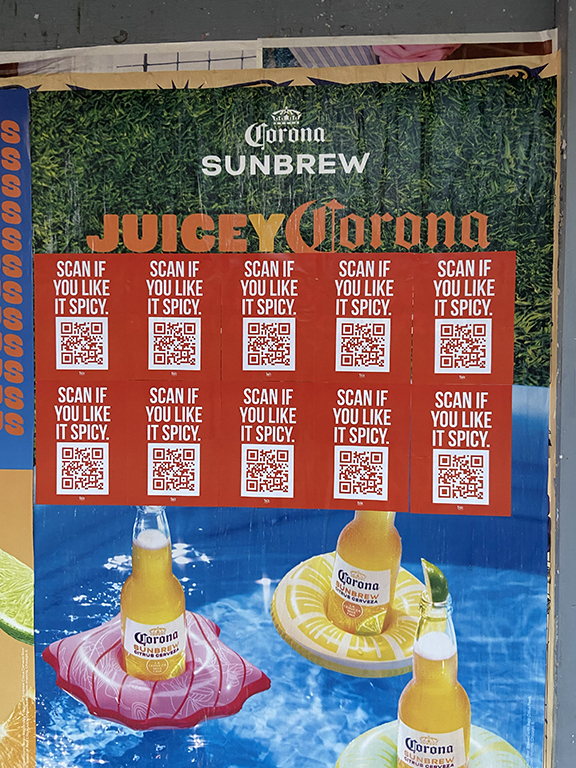
Retail brand activation does not just put product in front of shoppers — it communicates what the brand stands for and why a consumer should keep choosing it beyond the first purchase.
There is a meaningful difference between a brand that samples product at retail and a brand that activates its brand at retail. Sampling delivers trial. Brand activation delivers trial plus something else: a consumer understanding of who the brand is, what it cares about, and why it is worth choosing over the options on either side of it on the shelf. That difference in what the consumer walks away with has real consequences for repeat purchase rates and long-term brand loyalty.
Brands in competitive consumer categories — premium food and beverage, natural health, specialty beauty, and similar categories where brand identity genuinely differentiates from competitors — cannot afford to stop at trial. Getting a consumer to try the product once is necessary but insufficient. What converts a one-time trialist into a repeat buyer is the brand relationship that forms around the first trial: the understanding of the brand’s story, the trust in its quality claims, the sense of shared values that makes the consumer feel like this brand is for people like them. Retail brand activation is how that relationship starts at the point of purchase.
The Distinction Between Sampling and Brand Activation
Understanding the difference in practical terms helps in designing programs that deliver the right outcomes.
Sampling is transactional: product in hand, product on shelf, buy or don’t buy. The interaction is brief. The brand story told is minimal. The ambassador’s job is to be pleasant and efficient. The outcome measure is samples distributed and purchase conversions. This model is appropriate for categories where taste is the primary purchase driver and where the brand identity gap between the product and its competitors is small. If the product tastes significantly better than the alternatives, sampling alone converts trial to purchase at a high rate because the product does the brand building.
Brand activation is relational: the interaction tells a story, builds understanding, and creates a feeling about the brand that persists after the consumer leaves the store. The ambassador is a brand representative, not just a sample handler. The display communicates visual brand identity. The conversation covers origin, values, and mission alongside product attributes. The takeaway — a recipe card, a brand story piece, a QR code linking to more — extends the interaction beyond the store. The outcome measure includes immediate purchase but also brand recall, consideration scores, and repeat purchase rates.
Neither approach is universally superior. The right choice depends on the category, the brand, the target consumer, and the campaign objective. But for brands where identity differentiation is a strategic priority, the brand activation approach delivers meaningfully different outcomes at a cost that is justified by the higher lifetime value of the consumers it creates.
Elements of Retail Brand Activation
Brand Story in the Interaction Design
The interaction between the brand ambassador and the shopper needs to be designed to communicate the brand story as well as the product attributes. What is the brand’s origin? Why was it created? What problem does it solve that existing options do not? Who are the founders or the people behind it? What does it stand for beyond the product itself?
Shoppers who learn these things about a brand in a sampling interaction remember the brand differently than shoppers who only learned what it tastes like. The brand becomes a narrative rather than a product, and narratives stick in memory in ways that product attributes do not. The ambassador’s training needs to include the brand story as a core element, not just product specifications and benefits.
Branded Visual Environment
The visual environment at a retail brand activation — the display design, the signage, the branded materials, the color palette and graphic treatment of the activation footprint — communicates brand identity before a word is spoken. A well-designed activation display that clearly communicates the brand’s visual identity creates recognition among shoppers who have seen the brand in other contexts (online, in advertising, at other activations) and communicates brand quality to shoppers encountering it for the first time.
Generic, unbranded sampling setups using a plain table and a corporate logo sign communicate nothing about the brand beyond that it exists. A display designed to reflect the brand’s actual visual identity, using the brand’s colors, typography, photography, and design language, creates a more compelling and more memorable encounter that carries the brand story visually even before the ambassador begins speaking.
Meaningful Takeaway
What the consumer takes away from a retail brand activation interaction has an impact on brand recall and repeat purchase intent. A sample they tried at the store fades in memory. A sample plus a recipe card, a QR code linking to the brand’s community or content, a small branded gift, or a personalized recommendation tied to their specific situation extends the interaction beyond the store and creates a continued brand touchpoint.
The takeaway does not need to be expensive. A well-designed 3×5 card with a recipe, a QR code linking to the brand’s most compelling content, and a clear first-purchase incentive costs almost nothing to produce but substantially increases the brand recall and follow-through purchase rate from activation interactions.
The brands that get the most out of retail activation are the ones that understand the difference between selling a product and building a customer. Every activation interaction is an opportunity to do the latter, but only if the program is designed for it.
Retail Brand Activation Across Categories
| Category | Brand Story Element | Visual Identity Priority | Key Takeaway |
|---|---|---|---|
| Natural/Organic Food | Origin, farming practices, ingredients | Artisan, warm, authentic | Recipe card with QR to more |
| Functional Beverage | Functional benefits, founder story | Clean, energetic, purposeful | Benefit one-pager, digital coupon |
| Premium Beauty | Formulation philosophy, brand values | Premium, aspirational, distinctive | Personalized recommendation, sample |
| Specialty Wellness | Mission, clinical support, founder credentials | Clean, credible, health-oriented | Education piece, starter guide |
| Premium Food | Chef inspiration, provenance, craft | Premium, distinctive, appetite-appealing | Recipe, pairing guide, discount |
Ambassador Training for Brand Activation
The difference in ambassador performance between a sampling program and a brand activation program is significant enough that the training content and approach need to be different. Sampling ambassador training focuses on product knowledge, interaction efficiency, and compliance with retailer standards. Brand activation ambassador training goes deeper on several dimensions.
Brand story depth is the first addition. Brand activation ambassadors need to be able to tell the brand’s origin story compellingly and authentically — not recite it from a script but tell it like a person who genuinely cares about it. They need to understand the founders’ intent, the problem the brand was created to solve, and the values that drive the brand’s decisions. This is not content that can be covered in a thirty-minute briefing. It requires genuine engagement with the brand and time spent with the brand’s content, founders, or senior team members who can convey the authentic story.
Values alignment is the second addition. Brand activation ambassadors should genuinely share or be able to authentically represent the brand’s core values. A wellness brand whose ambassadors are visibly disinterested in wellness communicates cognitive dissonance that undermines the brand story. An ambassador who genuinely lives the lifestyle the brand serves can tell a more compelling and more credible story than one who is performing alignment they do not actually have.
Active listening and consultation skills are the third addition. Brand activation is a conversation, not a pitch. Ambassadors who ask good questions — what do you currently use? what are you trying to address? have you heard of us before? — and then respond to what they hear with genuine, personalized recommendations create brand encounters that consumers remember and talk about. This is a more sophisticated interaction skill than efficient sample distribution, and it requires more intensive training and practice to develop.
Measuring Retail Brand Activation Beyond Sales Lift
A pure sales lift measurement framework is incomplete for retail brand activation programs. Sales lift measures immediate purchase conversion. Brand activation is also building something less immediate but more valuable: brand relationships that drive repeat purchase, advocacy, and lifetime customer value.
The additional measures for retail brand activation include: repeat purchase rates among consumers acquired through the activation (tracked through retailer loyalty data or CRM follow-through purchase data), brand awareness and consideration tracking in activation markets versus control markets (measured through periodic brand tracking surveys), social content generated from the activation and its earned reach, and net promoter score or equivalent loyalty measure from consumers surveyed after the activation period.
None of these measures replace sales lift as the primary business outcome metric. But together they give a more complete picture of what the activation is building — the brand equity that translates to sustainable competitive advantage over time — alongside the immediate purchase conversion that justifies the near-term investment.
Consumer Behavior at the Retail Point of Decision
Retail brand activation is most effective when it is designed around the specific behavioral patterns of consumers in the retail environment where the activation runs. Understanding how shoppers behave, what drives their attention, how their purchase decisions are made at the shelf, and what information or experiences move them from consideration to purchase is the behavioral science foundation on which effective retail brand activation is built.
Research on consumer behavior in retail environments consistently shows that the majority of purchase decisions in consumer categories are made or influenced at the point of sale rather than before the store visit. A shopper who intends to buy a product in a category may arrive at the store without a specific brand preference — the final brand selection happens at the shelf, under the influence of what they see, what they encounter, and what they experience in the moment of choosing.
This means that the brand that creates a genuine, positive encounter at or near the shelf during the consumer’s decision moment has an opportunity to influence the outcome of a decision that was not yet made when the consumer entered the store. A brand ambassador who engages a shopper in the beverage aisle with a cold sample and a genuine conversation about the product’s benefits is intervening in an open purchase decision. The quality of that intervention — how relevant it feels, how trustworthy the ambassador is, how well the sample represents the product — determines whether the intervention closes the sale.
Memory and Brand Recall at the Shelf
Prior brand encounters, whether from advertising or from previous activation experiences, influence how the consumer perceives the brand on the shelf relative to its competitors. A consumer who has previously had a positive activation encounter with a brand — who tasted it at a sampling event, talked with a knowledgeable ambassador, or participated in a brand experience — will recognize the brand on the shelf with an existing positive association. That recognition with prior positive experience is a competitive advantage at the shelf that pure advertising cannot fully replicate.
Retail brand activation programs that are designed with awareness of this memory and recognition dynamic are more effective than those that treat each retail activation event as a standalone encounter. A brand that has run a roadshow or pop-up activation program in a market before establishing an in-store sampling program in that market will find that the in-store program performs better because of the prior encounters — the consumer who samples in-store has often already encountered the brand in another context and is confirming rather than discovering.
Building the Brand Ambassador’s Pitch
The interaction between the brand ambassador and the shopper is the moment on which everything in a retail brand activation depends. That interaction — typically lasting between 30 seconds and three minutes — is where the brand story is told, the sample is delivered, the purchase case is made, and the relationship is initiated or not. Getting the interaction design right is the most important element of retail brand activation program design.
Effective retail activation interactions follow a consistent structure that can be adapted to different consumer types and different contexts while maintaining its core effectiveness. The structure covers: the opening engagement (how to stop a shopper in task mode without seeming intrusive), the value delivery (offering the sample or benefit that creates the reason to stop), the brand story (the one or two sentences that tell the shopper who this brand is and why it is worth considering), the product specifics (the key attributes relevant to this specific shopper’s likely purchase considerations), the purchase invitation (pointing the shopper clearly to the product on the shelf with a clear call to action), and the close (data capture, coupon, or simply a genuine thank-you that leaves the shopper feeling positively about the interaction).
This structure is a framework, not a script. Brand ambassadors who internalize the framework and apply it flexibly — adapting the opening based on whether the shopper seems receptive or in a hurry, tailoring the product specifics to what the shopper expresses interest in, knowing when to let someone go rather than over-pitch — consistently outperform those who memorize a fixed script and deliver it regardless of how the shopper is responding. The framework gives the interaction shape; the ambassador’s judgment gives it quality.
Coordinating Retail Brand Activation with Retail Marketing
Retail brand activation programs are most effective when they are coordinated with the brand’s broader retail marketing investment — shelf positioning, in-store displays, retailer advertising, and any co-marketing programs with the retail partner. The consumer encounter created by the activation should land in a retail environment where the brand’s other retail marketing investments are supporting and reinforcing the activation’s message.
A brand that is running in-store sampling at a major retailer while simultaneously supporting a shelf display, a digital offer through the retailer’s loyalty app, and a circular feature creates a layered retail presence that multiplies the impact of each individual element. The sampling event draws the shopper to the shelf. The shelf display reinforces the visual brand identity. The digital offer through the loyalty app provides a purchase incentive. The circular feature creates awareness of the brand’s in-store presence before the shopper arrives. Each element does something the others cannot do alone.
The coordination of these elements requires active communication between the brand’s retail marketing team and the activation program management. Activation calendars need to align with retail marketing calendars. Sampling programs should be scheduled when shelf displays are active rather than during inventory transition periods when facings may be reduced. The brand’s message in sampling staff training should align with the claims and imagery in the supporting retail materials. These coordination details are the difference between a retail marketing program that feels cohesive and strategic and one that feels like disconnected tactics running in parallel.
Building Long-Term Program Value
The full value of a well-executed activation program is not captured in the metrics from a single campaign. The most valuable activation programs are the ones that improve and compound over time — where each iteration generates learning that makes the next iteration more effective, where retailer and venue relationships deepen over multiple program cycles, where staff quality improves as the best ambassadors gain experience with the brand, and where consumer community presence builds as repeated encounters create familiarity and recognition.
Building this long-term program value requires treating activation investment as an ongoing commitment rather than a series of independent campaigns. Each campaign generates information: which locations performed best, which interaction approaches converted most reliably, what staff qualities made the biggest difference, how the consumer responded to the brand story and product. That information is only valuable if it is captured, analyzed, and applied to improve the subsequent program. Programs that do not close this learning loop repeat the same mistakes and miss the same opportunities cycle after cycle.
The organizational infrastructure for long-term activation programs includes: a consistent measurement framework that captures comparable data across all program cycles, a performance analysis process that extracts actionable insights from each cycle’s data, a program management structure with continuity across cycles rather than re-starting with a new team for each campaign, and a budget commitment that reflects the compounding value of sustained investment over episodic campaign spending.
Staff Development and Retention
The brand ambassadors who represent a brand in the field over multiple program cycles develop a depth of product knowledge, brand understanding, and consumer engagement skill that new hires cannot match. A brand ambassador who has been running a brand’s sampling program for two years knows how different consumer types respond to different engagement approaches, has answers to every question they are likely to encounter, and can adapt their interaction style based on years of field experience with the brand. That accumulated competence is genuinely valuable and difficult to replace when it leaves.
Investing in staff retention for high-performing brand ambassadors is one of the most cost-effective investments in activation program quality available. The combination of competitive compensation, genuine recognition of contribution, opportunities to advance within the program (from ambassador to field supervisor, for example), and a working environment that is genuinely positive and well-managed retains the people whose performance makes the program excellent. The cost of this investment is consistently less than the cost of recruiting, training, and developing the next generation of ambassadors to replace those who leave.
Consumer process Integration
Activation programs reach their full potential only when they are designed as components of an integrated consumer process rather than as standalone marketing events. The consumer who encounters a brand at an activation and has a positive experience needs a clear, frictionless path from that encounter to first purchase, and from first purchase to repeat purchase, for the activation investment to fully realize its commercial value.
The first transition — from activation encounter to first purchase — is supported by: a first-purchase incentive delivered at the activation event (a digital coupon, a loyalty program sign-up with a welcome discount, a QR code that provides a direct path to online or retail purchase), a follow-up CRM communication within 48 to 72 hours that reinforces the positive encounter and re-delivers the purchase incentive, and a retail distribution point that is accessible from the activation location so consumers can act on their purchase intent while it is fresh.
The second transition — from first purchase to repeat purchase — is supported by: a post-purchase CRM sequence that provides additional value (usage tips, recipe ideas, additional product information) rather than just promotional offers, a loyalty program that rewards repeat purchase with increasing value, and ongoing activation presence in the markets where the brand is building its consumer base. Brands that manage all of these transitions deliberately consistently achieve higher lifetime value from activation-acquired customers than those that focus exclusively on the activation event itself.
The measurement of this full consumer process — from first activation encounter through CRM capture, first purchase, repeat purchase, and eventually brand advocacy — requires data infrastructure that most brands have not fully built. The investment in this measurement infrastructure is justified by the strategic clarity it provides: knowing which activation formats, which market contexts, and which interaction designs create the highest-value long-term consumer relationships is the most important knowledge input for making activation investment decisions well.
Working with AGM on Your Activation Program
American Guerrilla Marketing designs, produces, and manages brand activation programs across all major U.S. markets. Our work spans pop-up events, mobile truck programs, retail activation campaigns, roadshow tours, sponsorship activations, and custom experiential installations. We have operated in New York City since the company’s founding and have built the field infrastructure, retailer relationships, and staff networks that make activation programs work reliably across the markets our clients need to reach.
Our process starts with understanding the specific business objective the activation program needs to achieve. We do not accept generic objectives. We ask: what specifically needs to happen in the consumer’s mind or behavior as a result of this program? Who is the specific consumer? Where are they? When are they most receptive? What encounter design will create the behavior change the brand needs? Those answers determine the program design, not the other way around.
Our production approach prioritizes execution quality over visual elaborateness. We have consistently found that a well-positioned activation with excellent staff and a quality consumer interaction delivers more commercial value than an elaborate production with mediocre execution. We invest the budget where it generates the most value in the consumer encounter, not where it photographs best in a portfolio.
Our reporting tells clients what actually happened in the field: interaction counts, product distributed, data captured, content generated, and an honest assessment of what worked and what would be done differently. We do not produce reports designed to justify the agency’s continued engagement. We produce reports designed to help clients make better decisions about how to invest in subsequent programs.
Every activation program we manage is covered by comprehensive field documentation: daily field reports during the program, photo documentation from every activation stop, and a post-program analysis that covers performance by location and market, staff observations, and specific recommendations for subsequent program cycles. Clients who engage with this reporting seriously run consistently better programs over time because the learning compounds.
We work with brands across food, beverage, beauty, personal care, technology, and lifestyle categories. We work with emerging brands that are building their consumer base from scratch and with established brands that are defending market position or expanding into new geographies. The strategic challenges are different at each stage, but the core operational principles — field execution quality, location intelligence, staff investment, measurement rigor — apply at every scale.
If you have a specific activation objective and you are trying to determine whether there is a program format and approach that can help you achieve it effectively and efficiently, we are worth a conversation. We will tell you honestly what we think will work and what we think will not, and we will give you a specific program recommendation that reflects our genuine assessment of what will produce the results you need.
Getting Started: Your Next Steps
If this article has been useful and you are now thinking seriously about building or improving an activation program for your brand, the most important immediate step is defining the specific business objective the program needs to achieve. Not a general marketing objective — a specific, measurable outcome. What needs to change in consumer behavior in which specific markets among which specific consumer segment by when?
That objective clarity drives everything downstream: the right format, the right locations, the right measurement design, the right budget allocation. Activation programs built without a clear objective tend to generate activity without impact. Programs built around a clear, specific objective tend to focus that activity on the interactions and outcomes that create genuine business value.
Once the objective is clear, the next step is defining the target consumer with enough specificity to make location decisions against. Where does this consumer spend time? At what times? In what contexts that are relevant to the brand’s product and positioning? The intersection of “where this consumer is” and “in a context that makes this brand encounter relevant” defines the activation opportunity. Finding those intersections is the core intellectual work of activation strategy.
From there, the program design follows logically: the format that creates the right consumer encounter in those contexts, the locations that access the consumer in those intersections at the right times, the staff profile and training approach that delivers the right interaction quality, and the measurement design that tells you whether the program achieved what it was designed to achieve.
Frequently Asked Questions
What is retail brand activation?
Retail brand activation is a marketing program that creates direct brand encounters at or adjacent to retail locations with the goal of both driving immediate purchase and building lasting brand affinity. It goes beyond simple product sampling to create an experience that communicates brand identity, values, and story alongside delivering product trial.
How does retail brand activation differ from standard in-store sampling?
Standard in-store sampling focuses primarily on product trial and immediate purchase conversion. Retail brand activation adds the brand dimension: the space, the staff, the interaction, and the takeaway are all designed to communicate who the brand is and why it matters, not just what the product tastes like or how it works. The result is a consumer who leaves with both product trial and brand understanding.
What categories benefit most from retail brand activation?
Categories where brand identity is a meaningful driver of repeat purchase benefit most from brand activation approaches at retail: premium food and beverage, natural and wellness products, premium beauty and personal care, and specialty consumer goods. In commodity categories where price is the primary purchase driver, the brand activation layer adds less incremental value relative to its cost.
How do you measure retail brand activation beyond immediate sales lift?
Beyond immediate sales lift, retail brand activation is measured through brand tracking (awareness and consideration changes in activation markets), repeat purchase rates among trial-to-purchase converters, CRM engagement rates from opt-ins captured at the activation, and social content generated from the activation and its earned reach.

Ready to Run Your Campaign?
Call us or email us. We’ll tell you exactly what we can do in your market and what it costs.
Related Services
Explore similar advertising solutions offered by American Guerrilla Marketing.
American Guerrilla Marketing — Los Angeles
Street-level campaigns in Los Angeles and nationwide. Wheatpasting, LED trucks, street teams, and more.
(646) 776-2770
Related Articles
-
Street Poster Advertising Ottawa: A Complete Campaign Guide
September 17, 2026
-
Activation Marketing: How Brands Win at Street Level
September 13, 2026
-
Experiential Marketing Firms Chicago | American Guerrilla Marketing
September 12, 2026
-
Pop Up Experiential
September 12, 2026
-
Mobile Pop Up
September 12, 2026