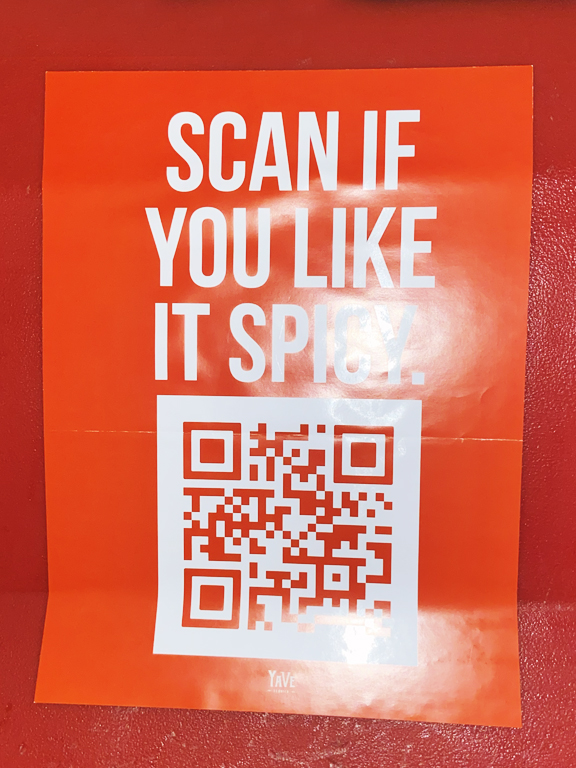
Augmented reality campaigns represent one of the most genuinely exciting developments in street-level brand communication. When a wheatpaste poster on a New York wall becomes an AR trigger that enables a three-dimensional brand experience through a smartphone camera, the campaign stops being advertising and starts being something people seek out, share, and tell others about. The physical element creates real-world presence and discoverability. The AR layer creates a digital engagement moment that extends the campaign’s reach through organic social sharing into audiences that were never in front of the original poster.
American Guerrilla Marketing builds AR campaign deployments around the same physical street-level infrastructure that makes our conventional guerrilla marketing campaigns effective. We handle the physical side of AR campaigns with the same discipline we bring to any street marketing deployment: audience-driven location selection, high-quality creative production, proper permission management, professional installation, and complete documentation. The AR technology layer is integrated through partnerships with AR development studios who build the digital experience component. Together, these elements create campaigns that work in the real world and generate real digital engagement. This guide covers how AR campaigns work in street-level contexts and how to plan one.
The Physical and Digital Layers of AR Campaigns
Understanding the relationship between the physical and digital components of an AR campaign is essential to planning one effectively. The physical layer is everything that exists in the real world: the poster, the stencil, the brand ambassador, the installation. This is what creates the campaign’s street-level presence, what people encounter when they are not actively looking for the campaign. The physical layer needs to perform independently of the AR layer: if the poster is not visually compelling enough to stop someone on its own merits, the AR trigger will never be discovered.
The digital AR layer activates when a consumer engages intentionally: pointing their smartphone camera at the poster, tapping a branded app, scanning a QR code integrated into the physical creative. At that point, the digital experience launches: a video plays, a 3D product model appears, a game interaction begins, an exclusive piece of content enables. The quality of this digital experience determines whether the person who discovered the AR trigger shares it or closes the app and moves on. Both layers need to be excellent for an AR campaign to perform at its potential.
AR-Enabled Wheatpasting Campaigns
Wheatpasting is the physical format most naturally suited to AR campaign integration. A large-format wheatpaste poster on a high-visibility New York, Los Angeles, or London wall is already a compelling brand presence. Adding an AR trigger that activates through a smartphone camera transforms the poster into an interactive media channel that exists at the intersection of the physical city and the digital world.
Our AR-enabled wheatpasting campaigns deploy poster creative that is visually designed to function as both a conventional outdoor advertisement and an AR trigger. The AR trigger element, whether a specific visual marker, QR code integration, or location-based AR activation, is integrated into the creative during the design phase rather than added as an afterthought. We install the posters using our standard high-quality wheatpasting process across approved locations in target cities and neighborhoods, ensuring that the physical display quality is at the level necessary to attract the initial attention that leads to AR engagement.
Brand Ambassadors Demonstrating AR Experiences
Brand ambassadors dramatically increase AR campaign engagement rates. Most people who encounter an AR-enabled poster will not discover its augmented reality component spontaneously unless they are already in a mindset of brand exploration. An ambassador positioned near AR-enabled campaign elements who demonstrates the AR experience to passersby converts passive poster observers into active AR participants at a significantly higher rate than passive poster placement alone.
Our ambassador teams for AR campaigns are briefed not just on your brand’s values and key messages, but specifically on how to demonstrate the AR experience effectively, how to manage the technical process of getting a passerby’s smartphone to successfully activate the AR layer, and how to create a demonstration moment that the viewer will want to replicate and share with their own social networks.
Location Strategy for AR Campaigns
AR campaigns require the same audience-driven location strategy as conventional guerrilla campaigns, plus one additional factor: the technology adoption rate of the specific neighborhood audience. AR engagement requires a smartphone and willingness to use it actively in the street. This is more likely in neighborhoods that concentrate tech-comfortable, digitally active consumers in the 18 to 35 age range that forms the core of most AR campaign target audiences.
The neighborhoods that perform best for AR campaigns tend to overlap significantly with the neighborhoods that perform best for guerrilla marketing generally: the creative, tech, and young professional communities of New York’s Brooklyn and Lower East Side, Los Angeles’s Silver Lake and Echo Park, San Francisco’s Mission District, Toronto’s Queen West, and London’s Shoreditch and Hackney all combine high foot traffic with audience characteristics that favor active AR engagement.
Making AR Campaigns Shareable
The social sharing potential of AR campaigns is one of their most significant advantages over conventional outdoor advertising formats. When an AR experience is genuinely surprising, beautiful, funny, or useful, the people who discover it film their experience and share it. A video of someone pointing their phone at a wall and watching a brand’s creative content come to life in three dimensions is inherently more engaging than a screenshot of a conventional poster, and it documents both the physical location and the digital experience simultaneously.
We advise on AR experience design with shareability as a central consideration. The moment of AR activation should create a visual experience worth filming: the transformation should be dramatic enough, the content engaging enough, and the experience brief enough to work within the attention spans of social media audiences. The AR experience needs to be shareable in 15 to 30 seconds of video without requiring extensive explanation.
Plan Your AR Campaign with AGM
American Guerrilla Marketing brings the physical street marketing infrastructure and the campaign management discipline that AR campaigns need to perform at their potential. We handle location selection, permission management, wheatpaste installation, ambassador briefing, and physical campaign documentation. We integrate with your AR technology partner to ensure that the physical and digital components of your campaign work together smoothly.
What are AR campaigns in marketing?
AR campaigns use augmented reality technology to overlay digital content onto the real world, typically through smartphone cameras. In marketing contexts, AR campaigns can transform physical brand touchpoints into interactive experiences, allowing consumers to point their phones at a poster, product, or street installation and trigger animated, interactive, or informational digital content.
How does AR combine with guerrilla marketing campaigns?
AR layers interactive digital content onto physical guerrilla marketing elements. A wheatpaste poster can become an AR trigger that enables a video, game, or product experience when scanned. A sidewalk stencil can reveal an AR animation. A brand ambassador can demonstrate AR features through a branded app. The physical element creates real-world presence; the AR layer creates digital engagement and shareability.
What types of brands use AR campaigns effectively?
Fashion, entertainment, gaming, consumer electronics, food and beverage, and retail brands all use AR campaigns effectively. The format works best for brands with audiences who are tech-comfortable and likely to engage with a smartphone-triggered AR experience, typically younger urban demographics who are the same audiences that respond strongly to guerrilla marketing.
Does AGM develop AR campaign technology?
AGM specializes in the physical deployment side of AR campaigns: location selection, wheatpasting and street installation of AR-enabled creative, ambassador briefing on AR feature demonstration, and campaign documentation. We partner with AR development studios for the technology component and integrate their AR experiences into our physical campaign deployments.
What makes AR campaigns shareable?
AR campaigns are inherently shareable because people film their AR experiences and post them on social media. A well-designed AR activation that creates a surprising or beautiful visual experience generates organic social content at scale, extending the campaign’s reach well beyond the physical locations where it is deployed.
How do I plan an AR campaign with AGM?
Campaign Architect – American Guerrilla Marketing
Frequently Asked Questions
What are AR campaigns in marketing?
AR campaigns use augmented reality technology to overlay digital content onto the real world, typically through smartphone cameras. In marketing contexts, AR campaigns can transform physical brand touchpoints into interactive experiences, allowing consumers to point their phones at a poster, product, or street installation and trigger animated, interactive, or informational digital content.
How does AR combine with guerrilla marketing campaigns?
AR layers interactive digital content onto physical guerrilla marketing elements. A wheatpaste poster can become an AR trigger that enables a video, game, or product experience when scanned. A sidewalk stencil can reveal an AR animation. A brand ambassador can demonstrate AR features through a branded app. The physical element creates real-world presence; the AR layer creates digital engagement and shareability.
What types of brands use AR campaigns effectively?
Fashion, entertainment, gaming, consumer electronics, food and beverage, and retail brands all use AR campaigns effectively. The format works best for brands with audiences who are tech-comfortable and likely to engage with a smartphone-triggered AR experience, typically younger urban demographics who are the same audiences that respond strongly to guerrilla marketing.
Does AGM develop AR campaign technology?
AGM specializes in the physical deployment side of AR campaigns: location selection, wheatpasting and street installation of AR-enabled creative, ambassador briefing on AR feature demonstration, and campaign documentation. We partner with AR development studios for the technology component and integrate their AR experiences into our physical campaign deployments.
What makes AR campaigns shareable?
AR campaigns are inherently shareable because people film their AR experiences and post them on social media. A well-designed AR activation that creates a surprising or beautiful visual experience generates organic social content at scale, extending the campaign’s reach well beyond the physical locations where it is deployed.
How do I plan an AR campaign with AGM?
Contact our team at [email protected] or call (646) 776-2770. We will discuss your AR campaign objectives, the physical environments where you want to deploy, your AR technology partner or preferences, your target audience and cities, and your timeline and budget to develop a tailored AR campaign proposal.
How early should a brand start planning?
For most campaigns, the smart move is to start planning at least two to four weeks before the launch window so production, routing, staffing, and reporting are all lined up.
What makes one market perform better than another?
Market fit depends on audience density, neighborhood behavior, route efficiency, and whether the creative belongs in that setting. The busiest city is not always the best city.
Can AGM bundle this with other services?
Yes. AGM often combines this work with supporting formats so the campaign has stronger repetition and cleaner reporting across the whole run.
How does AGM quote pages like this?
We quote from official rate cards where they apply, then scope the remaining production, staffing, and routing details to the actual job.