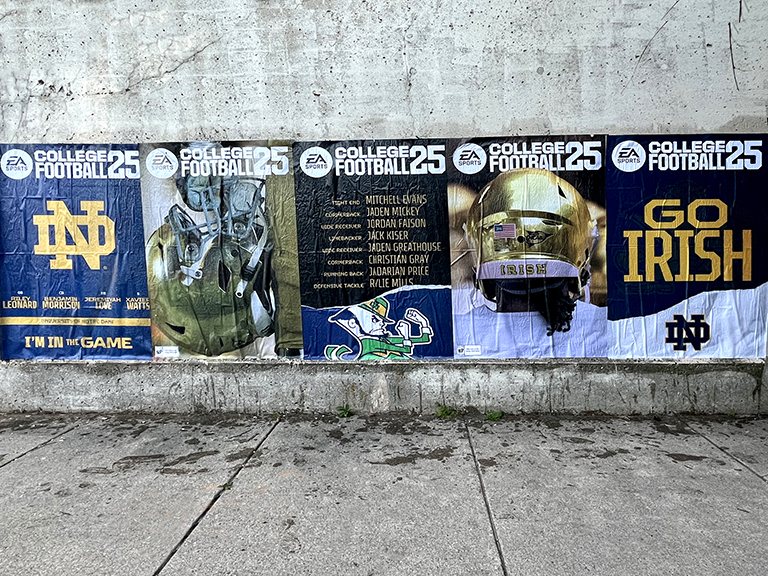
College students are one of the most valuable audiences in consumer marketing. They are forming brand preferences they will carry for decades. They have strong peer influence networks that amplify brand experiences socially. And they are physically concentrated in defined geographic areas in ways that make street-level marketing extraordinarily efficient. At American Guerrilla Marketing, based in Industry City, Brooklyn, we build campus brand activation campaigns that reach college students where they actually are , in quads, dining halls, transit corridors, and the off-campus retail and residential zones where student life unfolds.
Campus marketing requires a different approach than general market advertising. University communities have their own culture, their own rhythms, and their own gatekeeping mechanisms. Students can tell immediately when a brand is trying too hard or deploying a marketing playbook that was designed for a different audience. Our college marketing programs are built to be specific, relevant, and human at every touchpoint.
Why Campus Brand Activation Works
The college campus is one of the few environments remaining in American consumer culture where people are genuinely reachable in defined physical spaces. Students move through predictable high-traffic corridors daily , from residence halls to classrooms to dining facilities to athletic facilities. They gather in student unions, study in library plazas, and spend significant time in the off-campus retail and nightlife zones adjacent to every university.
Street-level brand activation in these spaces creates direct encounters with the brand at moments when students are present, not staring at a screen. A brand ambassador who hands a student a product sample on the way to lunch creates a brand experience that no digital ad can replicate. A bold wheatpasted poster on a wall students pass every day becomes a visual fixture in their campus environment. These physical touchpoints build brand familiarity in the environment where students feel most at home.
The peer network effect is also significant. When one student has a positive brand encounter on campus , gets a free sample they like, stops to talk with an ambassador at an activation point, picks up a well-designed material , they talk about it. Campus social networks are dense and fast. A brand activation that sparks conversation among a student group at lunch reaches far more people than the students who directly encountered the campaign.
On-Campus Street Teams and Brand Ambassadors
We deploy campus street teams in the highest-traffic zones on and near each university. Teams are positioned at student union entrances, dining hall approaches, library plazas, athletic facility corridors, and the commuter transit stops that serve the campus. Deployment hours concentrate on the periods when student foot traffic is highest , between major class periods, during lunch hours, and at the start and end of the academic day.
Campus brand ambassadors are selected for their ability to connect naturally with a college-age audience. Ideally, they are current or recent college students themselves who can approach peers in a way that feels genuine rather than corporate. Every ambassador is briefed on the brand, the campaign objectives, and the specific materials or samples they are distributing.
For brands targeting specific student demographics , athletes, STEM majors, business students, arts and humanities students , we adjust deployment zones to concentrate in the areas those specific populations frequent. Engineering and science buildings see different foot traffic than arts or communication buildings. We know the difference and deploy accordingly.
Off-Campus Activation in Student-Adjacent Neighborhoods
The student experience extends well beyond the campus boundary. The bar strips, coffee shops, restaurants, retail zones, and residential areas adjacent to every major university are where significant portions of student life happen. Campus brand activation that extends into these off-campus zones captures students at moments of leisure and social engagement that are different from the between-class campus encounter.
We map the student life geography of each target campus and build deployment zones that cover both on-campus high-traffic areas and the off-campus corridors where students concentrate. This dual-zone approach maximizes reach across the full student population rather than capturing only the commuter-heavy campus center traffic.
Off-campus activations also allow tactics that may not be available inside the university boundary. Sidewalk stenciling on public sidewalks near campus creates ground-level brand presence that reaches students moving between campus and off-campus areas. LED trucks running through the off-campus student neighborhood create high-visibility brand exposure in evening hours when students are most socially active.
Product Sampling on Campus
Product sampling is one of the highest-converting campus marketing tactics available for consumer goods brands. Giving a student a free sample of a product they have never tried creates a direct product experience that no advertisement can replicate. When the product is good, the sampling experience often converts directly to a purchase and a brand recommendation to friends.
We coordinate all logistics for campus product sampling , supply coordination, cold chain management for temperature-sensitive products, distribution equipment, waste management, and university site-rule alignment. We work with university student affairs offices to ensure sampling programs meet campus site rules, and we deploy in locations that have been approved for this type of activity.
High-performing campus sampling categories include food and beverage (new products, energy drinks, snack items, specialty beverages), beauty and personal care (skincare samples, hair care products, grooming items), health and wellness products, and branded merchandise that students want to keep and use.
Wheatpasting in College Neighborhoods
The neighborhoods surrounding universities have a long history with poster culture. Academic communities are comfortable with bold, artistic poster advertising that feels culturally appropriate to the intellectual and creative environment. Wheatpasting in university neighborhoods , on approved walls on commercial blocks, in arts districts adjacent to campus, on heavily trafficked pedestrian corridors between student housing and campus , creates visual brand presence that fits naturally into the aesthetic of these communities.
We identify approved placement locations in each university market that maximize exposure to student foot traffic. Poster creative for campus campaigns is developed to fit the visual sensibility of a college audience , bold, direct, smart, and not condescending. Students respond to creative that respects their intelligence and cultural awareness.
Campus wheatpasting campaigns typically run for two to four weeks, with fresh placements added mid-campaign to maintain visual freshness and reach students who may have missed the initial placement cycle.
Experiential Activations and Pop-Up Events
Beyond distribution and OOH advertising, campus brand activations increasingly include interactive experiential elements , pop-up events, brand experience installations, game-based activations, and social content moments that give students something to do and share rather than just something to receive.
We coordinate experiential campus activation elements in partnership with the brand’s creative team, handling all physical production, staffing, and logistical coordination. Pop-up activations in student union common areas, outdoor quad spaces, or high-traffic campus plazas create concentration points that pull students in and generate the social sharing that extends campaign reach through student networks.
Experiential elements also create content moments , photo opportunities, shareable brand interactions, social media triggers , that extend the physical activation into digital spaces through organic student sharing.
Multi-Campus Campaign Coordination
Brands targeting the college audience nationally need reach across multiple campuses , not just the flagship university in each state, but the constellation of community colleges, state universities, private colleges, and HBCUs that serve the full student population. Our national field team infrastructure allows us to run coordinated campus campaigns at dozens of universities simultaneously.
We manage multi-campus campaigns from a single coordination point, ensuring consistent brand standards and creative execution across every campus while adapting the specific deployment zones and tactics to the unique geography and culture of each university environment. One project manager oversees all campus activations, handles all university and vendor coordination, and delivers consolidated reporting for the full campus campaign program.
Campaign Timing for Campus Marketing
The academic calendar creates specific windows of high opportunity for campus brand activation. The first two to three weeks of fall and spring semesters are when students are most open to new brands , they are establishing new routines, exploring their campus environment, and receptive to products and services that fit their college lifestyle. Campus move-in periods, orientation weeks, and the first major campus events of each semester all create concentrated opportunity windows.
We time campus campaign deployments to align with these high-opportunity periods and avoid the exam windows and academic dead zones when student availability and receptiveness drop significantly. A well-timed campus activation in week two of fall semester reaches a more engaged, more receptive audience than one deployed during finals week in December.
Ready to Launch Your Campaign?
Why Brands Choose AGM for Campus Brand Activation
We understand the college environment and the student audience at a level that general market agencies often do not. We have activated brands on campuses across the country and know how to navigate university site-approval planning, student culture, campus geography, and the peer influence dynamics that make college marketing work when it is done right.
Brands that partner with us for campus activation consistently highlight our ability to execute across multiple campuses efficiently, our staff who can genuinely connect with college-age audiences, and our documentation that provides clear evidence of campaign reach and activity.
The college years are when brand preferences form. The brands that show up on campus in genuine, human, interesting ways during those years build relationships that follow students into the workforce and into their consumer lifetimes. That is the long-term value of campus brand activation done well.
Frequently Asked Questions About Campus Brand Activation
What is campus brand activation?
Campus brand activation refers to the experiential and street-level marketing campaigns brands run on or near university campuses to engage college student audiences. This includes street teams, product sampling, wheatpasting, sidewalk stencils, and interactive brand experiences deployed in high-traffic campus locations where students naturally gather.
Where are the best places to activate a brand on a college campus?
High-traffic campus locations for brand activation include student unions, dining halls, library approaches, athletic facilities, campus quads, commuter transit stops adjacent to campus, and off-campus residential and retail corridors where students spend time outside of class hours.
How do campus street teams work?
Campus street teams are deployed in high-traffic student areas to distribute materials, conduct product sampling, and engage students in direct brand conversations. They operate during peak foot traffic hours for maximum encounter rates and are selected for their ability to connect authentically with a college-age audience.
Can AGM run campus brand activations at multiple universities simultaneously?
Yes. Our national field team network allows us to run coordinated campus campaigns at multiple universities in different cities at the same time. We manage all campus coordination from a single project management point with consistent brand execution across every campus in the program.
Does AGM handle university site-approval planning for on-campus activations?
We coordinate with university student affairs and events offices for approved on-campus activations. For activations on public property adjacent to campus, we handle city site-approval planning where required. Our team is experienced in navigating both university and municipal site-approval planning processes efficiently.
What brands benefit most from campus brand activation?
Brands in food and beverage, fashion and retail, technology, financial services, streaming and entertainment, health and wellness, and consumer goods all benefit significantly from campus brand activation. College students are a high-value audience for brands building lifetime customer relationships with Gen Z consumers who are forming brand preferences they will carry for decades.
Related: Wheatpasting & Poster Campaigns | Guerrilla Marketing Services | Sidewalk Stencils | LED Billboard Trucks | Brand Ambassador Agency
Ready to Build Your Campus Activation Campaign?
Millie Phillips
Campaign Architect , American Guerrilla Marketing
Email: [email protected]
Office: (646) 776-2770
Official Wheatpaste Pricing
We only quote from AGM’s published rate cards or from a custom scope tied to the actual market, route, staffing plan, and production load.
- 24×36 wheatpaste campaign, 100 posters: $4,500
- 24×36 wheatpaste campaign, 200 posters: $5,500
- 48×72 wheatpaste campaign, 100 posters: $10,500
- 48×72 wheatpaste campaign, 200 posters: $13,500
- Optional maintenance for the final two weeks of a monthly run: $3,500
If your campaign needs a different city mix, custom fabrication, or rush timing, contact AGM for a quote built from the same rate-card logic.
How AGM scopes Campus Brand Activation: Guerrilla Marketing at Universities
Every wheatpaste deployment plan starts with the same field questions. Where will the audience actually see the work, how long will the message stay in view, what kind of crew does the job need, and what proof will the client want after the run is live. We scope those answers before we talk about volume. That keeps the program grounded in real conditions instead of broad theory. For campus brand activation: guerrilla marketing at universities, the planning work matters because one weak choice at the start can waste the whole run. A strong route, a realistic install pace, and a clean recap process are what make the campaign feel sharp in the street instead of rushed.
What changes performance in the field
Performance usually comes down to placement, timing, and repetition. The best campaigns do not chase every possible block. They pick the blocks, venues, walls, stations, storefronts, or pedestrian paths that line up with the right audience behavior. We watch how people move through a neighborhood, what side of the street they face, how long they dwell, and what else is competing for attention. For campus brand activation: guerrilla marketing at universities, that means the visible details, sightline, lighting, install condition, and recap quality all matter. Good field work looks obvious after the fact, but it only feels obvious because the plan was tight before the crew ever rolled.
Budget and timing without guesswork
AGM does not pad numbers with vague ranges. We tie budgets to rate cards where a public rate exists, then fill in the rest with real production needs, staffing, route density, timing, and market conditions. That keeps the conversation honest. On campus brand activation: guerrilla marketing at universities jobs, timing is often shaped by access windows, weather, production lead time, and how much documentation the client wants back. If a project is simple, the schedule stays simple. If it has many neighborhoods, many surfaces, or several city teams moving at once, the schedule expands because the work on the ground expands. That is a normal operations decision, not filler.
How we document results
Clients do not just need the work done. They need to know where it landed, how it looked, and whether the rollout matched the brief. Our recap process is built around timestamped photos, neighborhood notes, route summaries, and clear proof of completion. On campus brand activation: guerrilla marketing at universities work, recap quality often decides whether a client books the next run. Clean reporting also helps the next wave because the team can see what held up, what drew the strongest response, and which placements deserve a second pass. The recap is not an afterthought. It is part of the product.
Common mistakes brands make with Campus Brand Activation: Guerrilla Marketing at Universities
The most common mistake is chasing surface area without enough planning. Brands sometimes assume that more units or more neighborhoods always means better results. In practice, sloppy spread kills recall. Another mistake is forcing creative that is too dense for the setting. Street work needs clear hierarchy, strong contrast, and a message that makes sense at the distance where the audience sees it. A third mistake is underestimating production details. The stock, finish, weather window, shift timing, and recap expectations all shape the outcome. Strong campaigns respect the boring details because the boring details decide whether the visible work looks premium.
Why this topic matters to AGM clients
Clients hire AGM because they need people who understand street conditions, not just ad concepts. Campus Brand Activation: Guerrilla Marketing at Universities is valuable when it turns a broad brand idea into something that holds up in a real place, in front of moving people, with real constraints. That is where execution matters. A page like this should leave you with a clear sense of what the work involves, what can go wrong, and what a disciplined rollout looks like. If the campaign needs city selection, route design, crew planning, printing, fabrication, staffing, reporting, or a combined package, AGM can scope it from one operating plan instead of handing the job off across five vendors.
Frequently Asked Questions About Campus Brand Activation: Guerrilla Marketing at Universities
How early should a brand start planning?
For most campaigns, the smart move is to start planning at least two to four weeks before the launch window so production, routing, staffing, and reporting are all lined up.
What makes one market perform better than another?
Market fit depends on audience density, neighborhood behavior, route efficiency, and whether the creative belongs in that setting. The busiest city is not always the best city.
Can AGM bundle this with other services?
Yes. AGM often combines this work with supporting formats so the campaign has stronger repetition and cleaner reporting across the whole run.
How does AGM quote pages like this?
We quote from official rate cards where they apply, then scope the remaining production, staffing, and routing details to the actual job.
What stronger planning looks like for Campus Brand Activation: Guerrilla Marketing at Universities
The difference between a page that sounds informed and a campaign that actually works is operational detail. AGM plans around audience movement, neighborhood logic, field timing, production handoff, and recap standards before the work launches. For campus brand activation: guerrilla marketing at universities, that means we are not just talking about what the format is. We are looking at where the audience encounters it, what they are doing in that moment, how long they see it, what visual hierarchy makes sense from that viewing distance, and how the field team will verify every completed step. Those details are what protect the budget from waste and keep the work aligned with the real conditions on the ground.
How AGM pressure-tests a rollout
Before a rollout goes live, we pressure-test the plan in plain language. Does the market choice make sense for the audience. Does the route create repetition instead of random spread. Is the production timeline realistic for the number of units, the surface type, the staffing pattern, and the documentation load. Is the creative simple enough to read in motion and strong enough to hold attention. When any of those answers are weak, we tighten the scope before launch. That is a better move than pretending every idea is ready. In street-level work, discipline usually outperforms volume because disciplined execution gets seen, remembered, and documented cleanly.
What clients usually underestimate
Clients often underestimate how much field quality affects outcomes. A weak install, a rushed route, or sloppy recap photos can make an otherwise strong campaign look smaller than it was. They also underestimate how much neighborhood context shapes audience response. A message that feels sharp in one district can feel out of place in another two miles away. That is why we treat routing and environment as part of the media itself. When the format, market, block, timing, and message all fit together, the campaign does not need inflated claims. The work feels native to the space and stronger because of it.
How this page should guide a real buying decision
This page should help a brand decide whether campus brand activation: guerrilla marketing at universities belongs in the mix, what role it should play, how it should be measured, and what kind of scope is realistic. Some brands need a tight single-market push. Others need layered formats across several cities with one reporting standard. The right next step is not to guess. It is to define the audience, objective, timing, market list, and documentation expectations, then build the plan from there. That is how AGM turns a broad idea into a field-ready campaign that can actually be executed and reviewed without confusion.
Frequently Asked Questions