American Guerrilla Marketing
Nationwide serivce
Media planning, media buying, billboard advertising, & guerrilla marketing
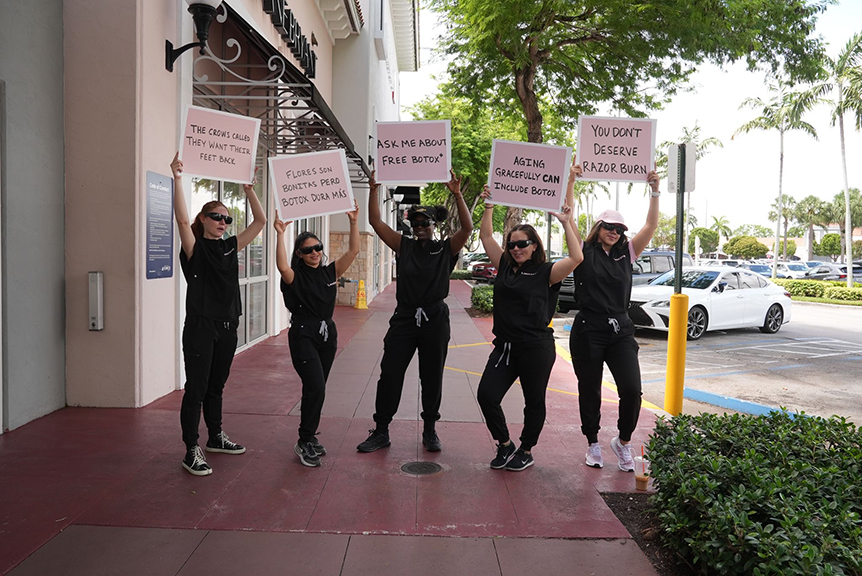
Brand ambassadors are only as effective as the zone they are deployed in. We identify the intersections, transit stops, and venue approaches where your exact target demographic concentrates, count the traffic, and confirm the deployment makes sense before your team hits the street.
The best brand ambassadors on the planet cannot generate engagement in a zone where the target audience is not present. A street team deployed at 10 a.m. at a corner that peaks at 7:30 a.m. will stand around for three hours and hand out samples to the wrong people. A street team at the right corner at the right time, even with average execution, will outperform the best team in the wrong spot every single time.
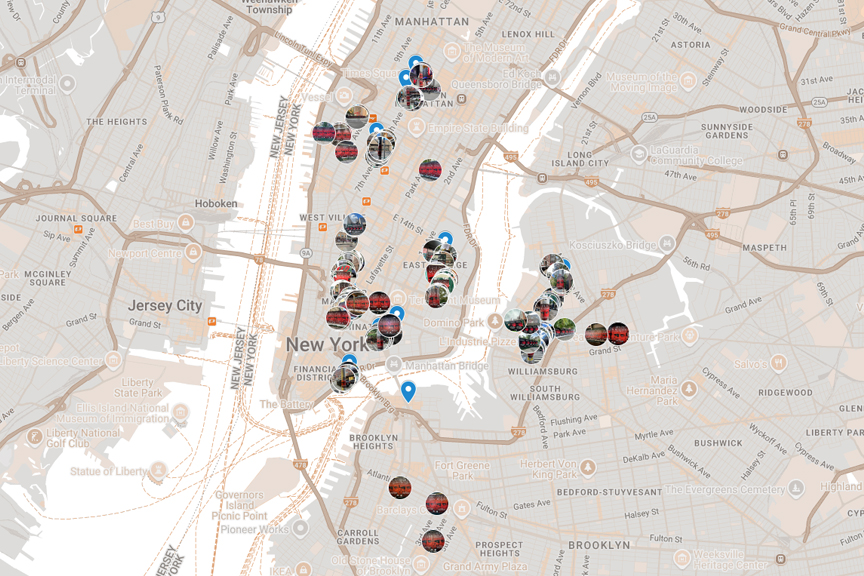
Brief us on your campaign. We will come back with a location report built from real field visits and GPS-documented surface intelligence.
Our street team location scouting process works in four documented phases. First, we map the target geography for pedestrian flow patterns: identifying the corridors where walking traffic is consistent, concentrated, and approachable rather than in transit or under cover. Second, we assess each candidate zone for engagement rate potential — the difference between a crosswalk where pedestrians stop and a transit station where they’re in motion affects how many contacts a distributor can make per hour by a factor of two or more. Third, we document any permit requirements for street team operations in the target zones, including vendor licensing, sidewalk usage permits, and any restrictions near transit infrastructure. Fourth, we deliver a zone map with recommended team placement positions, timing windows, and estimated reach per deployment hour.
This service type is led by AGM field operators Leila Marsh and Rachel Odom, who between them have completed street team location scouting for more than 160 campaigns across 38 markets. Operators who haven’t visited a site don’t recommend it. That’s the standard for every brief this team produces.
Surface and environment assessment at the specialist level — what AGM delivers for every Street Team Location Scouting engagement — involves more than identifying an available location. Our Street Team Location Scouting operators evaluate format-specific viability, foot traffic density by hour and season, sightline clearance or access geometry, and property contacts for permissioned placements. Expert knowledge in each dimension is what makes AGM Street Team Location Scouting reports executable.
Location scouting for street team programs is fundamentally about precision. Which specific intersection? Which entrance to which transit stop? Which side of the street, facing which direction? At what specific time window? These decisions determine whether a street team program reaches the intended audience at volume or burns budget in the wrong geography at the wrong hour.
AGM street team scouting delivers zone rankings by foot traffic and demographic match, timing windows, permit research by city, crew sizing recommendations, and engagement format recommendations for each priority zone. Delivered in 7 to 10 business days.
AGM runs Street Team Location Scouting engagements as part of a nationwide field operation covering every major US market. Our Street Team Location Scouting methodology is built on in-person zone assessment: operators visit target deployment areas during the relevant hours, document foot traffic volume and demographic composition, and GPS-confirm the best deployment zones. Contact AGM to start your Street Team brief.
Our field operators conduct manual pedestrian counts at candidate intersections during the time windows relevant to the campaign. A morning commute deployment gets counts between 7 and 9 a.m. A lunch-hour sampling program gets counts between 11:30 a.m. and 1:30 p.m. A fitness brand targeting post-gym traffic gets counts at 6 to 8 a.m. and 5 to 7 p.m. at gym cluster approach routes. Counts are conducted on at least two different days to account for day-of-week variation.
Foot traffic volume alone does not make a deployment zone valuable. A high-volume intersection serving the wrong demographic is a waste of brand ambassador time. Our operators observe and document the demographic profile of foot traffic at each candidate zone during the count windows, recording estimated age range distribution, lifestyle indicators, and any specific demographic signals relevant to the campaign brief. This qualitative observation is what separates location intelligence from a pedestrian counting app.
If a competitor’s street team is already established at your target deployment zone, the competitive situation changes the calculus. Our operators document any existing brand presence, whether from competing product categories or direct competitors, in each candidate zone. It lets the client to either choose an uncontested zone or deliberately deploy at the same location to intercept the competitor’s approach.
Street team deployment on public sidewalks does not require a permit in most U.S. cities for stationary single-person operations. As soon as a street team adds a table, a tent structure, or a cart, different permit requirements kick in. Some cities, notably Chicago and New York, require permits for commercial activity on public property regardless of format. Our permit research documents the specific requirements for the target city and the specific format the street team will use, so the campaign manager knows what to file and how much lead time is required.
The difference between a zone where ambassadors can actually stop, engage, and have a conversation versus a zone where they can only hand things off while pedestrians rush through affects conversion rate significantly. A 6-foot-wide sidewalk in front of a building with no setback does not support engagement. A 20-foot-wide plaza with benches creates natural pause points where engagement happens organically. Our operators assess the physical space at each candidate zone for engagement quality, not just volume.
Transit stops concentrate pedestrians in a waiting mode: a behavioral state that is significantly more receptive to sampling, conversation, and engagement than the rush-through mode of a moving commuter corridor. The zone around a bus stop or above-ground train stop, where people wait for 2 to 8 minutes, is a high-value street team deployment environment if the demographic profile is right. Our scouting specifically identifies transit stops with the right demographic concentration in the target market.
The controlled entry points to university campuses are some of the most efficient street team deployment zones available because the audience is defined, the pedestrian flow is directional, and the volume during class-change windows is predictable to within 15 minutes. Campus gates at USC on Exposition Boulevard, at the University of Michigan on State Street, at NYU at Washington Square, and at dozens of other campuses serve as natural concentration points for the student demographic.
The blocks surrounding concert venues during the pre-show hour are among the highest-quality street team deployment environments for music, lifestyle, and alcohol brands. The audience has self-selected by their interest in the performer or genre, which provides immediate demographic context. They are in a celebratory and receptive social state. And they have time to stop and engage because they are arriving before doors open. We identify the specific arrival approach routes and gathering zones for target venues in each market.
The transit stops serving major corporate campuses draw a specific, identifiable professional audience at predictable times. Employees commuting from specific transit lines to specific employers can be targeted with remarkable precision by deploying at the right transit exit at the right time. The afternoon exits between 5 and 7 p.m. concentrate employees who are transitioning from work mode to personal mode: a different receptivity state than the morning commute push toward the office.
The line to enter a major festival is a captive audience with extended dwell time and a self-selected cultural profile. A street team working the queue zone at a music festival, food festival, or cultural event can reach thousands of people per day in a high-engagement mode. The specifics, exactly where the queue forms, how it moves, and where the natural concentration points are, require pre-event scouting rather than relying on the event map. Our operators scout the entry queue environment at major events before deployment so the team has a clear picture of where to position.
Markets with high concentrations of boutique fitness studios, cycling classes, and crossfit gyms draw a demographic that is specific and predictable in timing. The 6 to 8 a.m. pre-work fitness crowd and the 5 to 7 p.m. post-work fitness crowd at gym cluster zones represent some of the most demographically precise street team opportunities in any urban market. Our operators identify the gym cluster zones in target markets and document the approach routes and timing windows that concentrate the fitness audience at a street-deployable intersection.
Every surface in the street team location scouting placement inventory was assessed by a certified field expert — licensed professional operators who confirm access, evaluate conditions, and document what they find.
AGM’s certified street team location scouting field experts maintain the placement inventory through direct site assessment — licensed professionals whose surface evaluations are based on field time, not remote research.
Award Winning Personalized Service
You will get thoughtful, devoted, and individualized attention from our experienced, qualified, and professional personnel. Being one of the most illustrious agencies in Brooklyn, New York, American Guerrilla Marketing has been awarded the Best of Brooklyn title.
Nationwide
Industry City, Brooklyn, New York 11232
American Guerrilla Marketing
Hours
Mon - Fri: 9 AM - 5 PM
Sat & Sun: Closed
Automate your campaign with AGM’s Request for Proposal Builder. Simply answer a few quick questions about your campaign goals, markets, and timeline, and the system will generate a tailored presentation with recommended strategies, quantities, and pricing. Click the RFP Builder to instantly receive your customized proposal.
A ranked list of candidate deployment zones, scored on both foot traffic volume during the relevant time windows and the quality of demographic match against the campaign target. A high-traffic zone with poor demographic match ranks lower than a moderate-traffic zone with excellent demographic fit. The ranking gives campaign managers a clear priority order for deploying limited ambassador hours.
The specific time windows when each priority zone performs at its highest for the target audience. Time windows are expressed in specific clock times, not vague descriptors like “morning” or “afternoon,” because the peak window at a fitness cluster may be 6:15 to 7:30 a.m. rather than the generic “morning” that would also include hours when the zone is empty.
The applicable permit requirements for the campaign format in each target city and zone, including the application process, required lead time, fees where published, and any zone-specific restrictions that affect deployment format. Permit research is done at the intersection level, not just the city level, because requirements vary by location within cities.
A recommendation for the number of ambassadors needed to effectively cover each priority zone during the target deployment window. Crew sizing accounts for the physical space at the zone, the foot traffic volume, and the engagement format: sampling a product to passers-by requires different crew density than recruiting event attendees or running a data collection program.
For each priority zone, a specific recommendation for the engagement format that best suits the physical environment and the audience behavior in that zone: stationary sampling, walking distribution, intercept-and-engage, or captive queue engagement. Format recommendations account for the space available, the pedestrian speed, and the demographic receptivity at each specific location.
Once zones are identified, AGM staffs and manages the full street team program through our brand ambassador agency. Street team deployments in the identified zones pair naturally with surrounding-media formats: wheatpaste campaigns on walls in the deployment zone, sidewalk stencils at the approach routes, and snipe advertising on poles throughout the zone create a surrounding media environment that amplifies the street team engagement. For the full framework, see AGM’s guerrilla marketing services.
The right venue reaches your audience when they are relaxed, social, and receptive. Finding that venue requires field research, not a Yelp search. We identify and vet the bars, restaurants, and nightlife spots that match your brand and your target audience.
Learn More
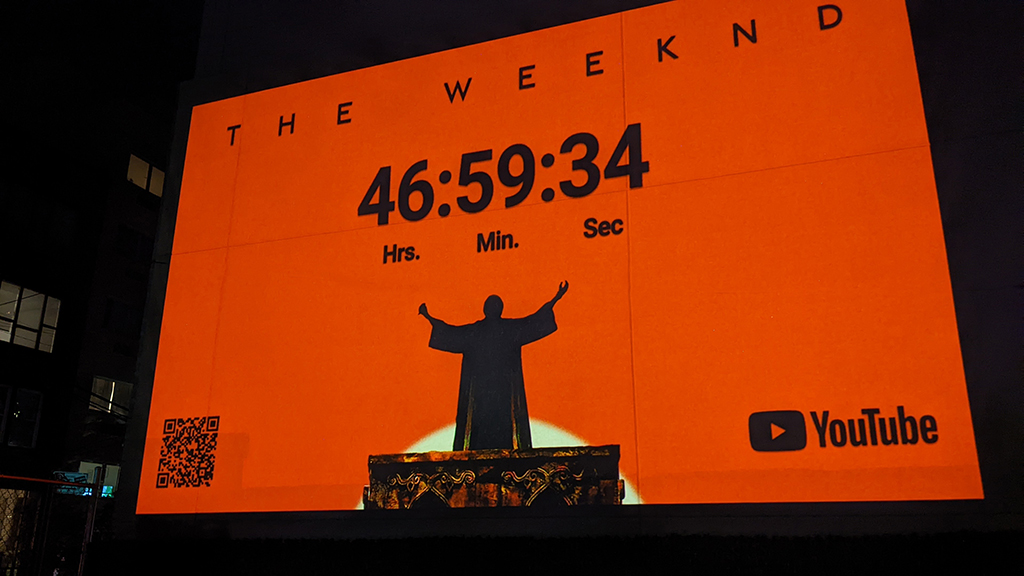
Projection media is technically demanding before it is creatively demanding. The geometry has to work. The ambient light has to cooperate. The wall has to take the image. We scout all of it before you book the equipment.
Learn More
University campuses have their own geography, their own pedestrian logic, and their own advertising rules. Our field operators map it all before a single dollar goes into production.
Learn More
AGM scouts corporate campuses, office parks, and business districts to identify the pedestrian zones, commuter corridors, parking approaches, and surface inventory where guerrilla marketing campaigns reach employees, contractors, and visitors at their daily access points.
Learn More
The best opportunity to reach a defined audience in a concentrated geographic zone happens in the hours before and after a major event. We map the entire perimeter, document every approach route, and rank every activation zone before the crowd arrives.
Learn More
A brand stunt in the wrong plaza is a brand stunt nobody sees. We find the exact intersection, courtyard, or public space where your target audience concentrates, document the logistics, research the permits, and hand you a site that works.
Learn More
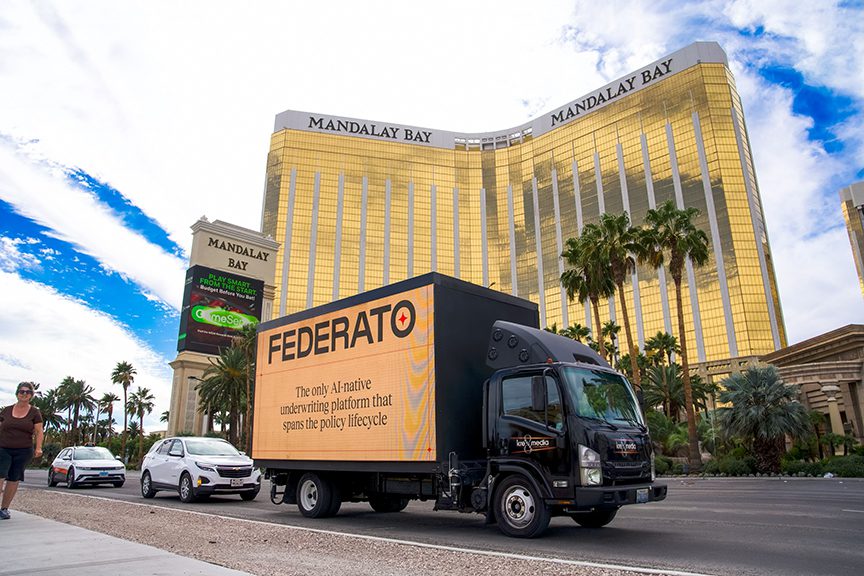
A billboard truck running the wrong corridor delivers impressions to an audience that was never the target. We map the routes that put your LED or static display in front of the specific people you need to reach, at the times they are actually there.
Learn More
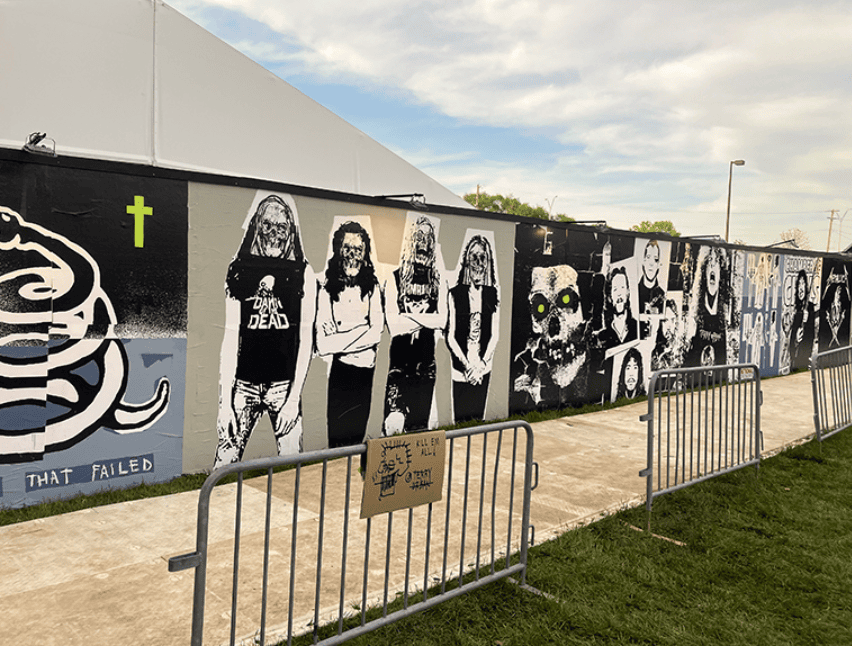
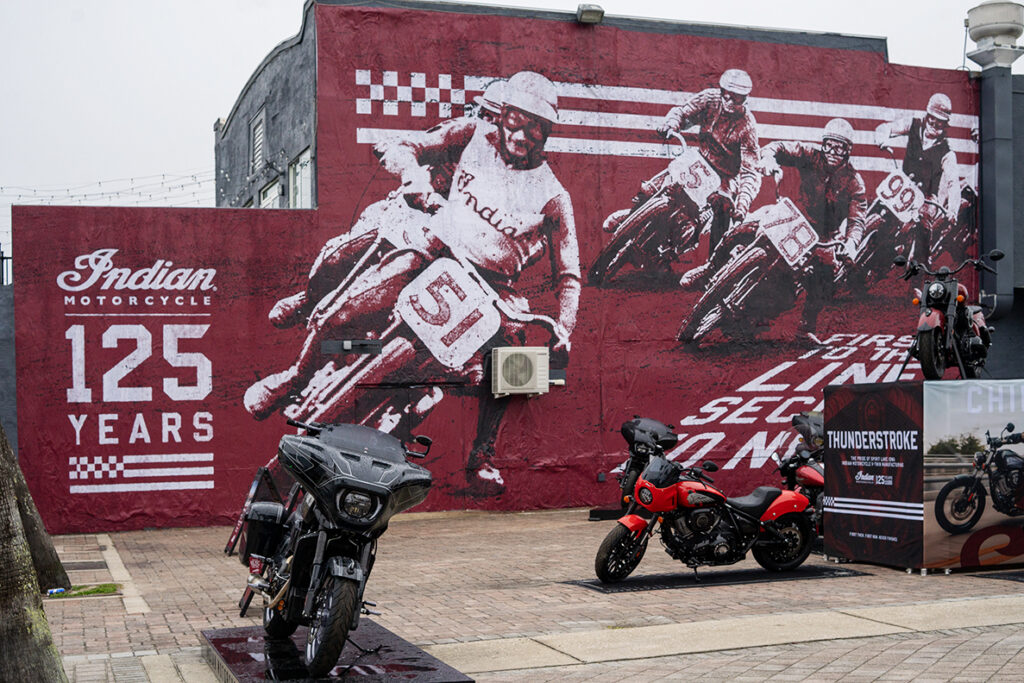
A mural is a permanent statement. The wall you choose determines whether it gets seen by thousands daily or disappears behind a dumpster. We find the right wall before your production team touches a brush.
Learn More
Distribution campaigns fail when the neighborhood data is wrong. A door hanger campaign in the wrong building type, the wrong demographic zone, or a neighborhood with access barriers the crew was not briefed on burns print and labor on zero-return addresses. We fix that before the crew goes out.
Learn More
Actually, A mobile boutique parked in the wrong block is invisible to the audience you paid to reach. We find the locations where your pop-up will attract the people it needs, and document everything from loading access to permit requirements before you commit to a date.
Learn More
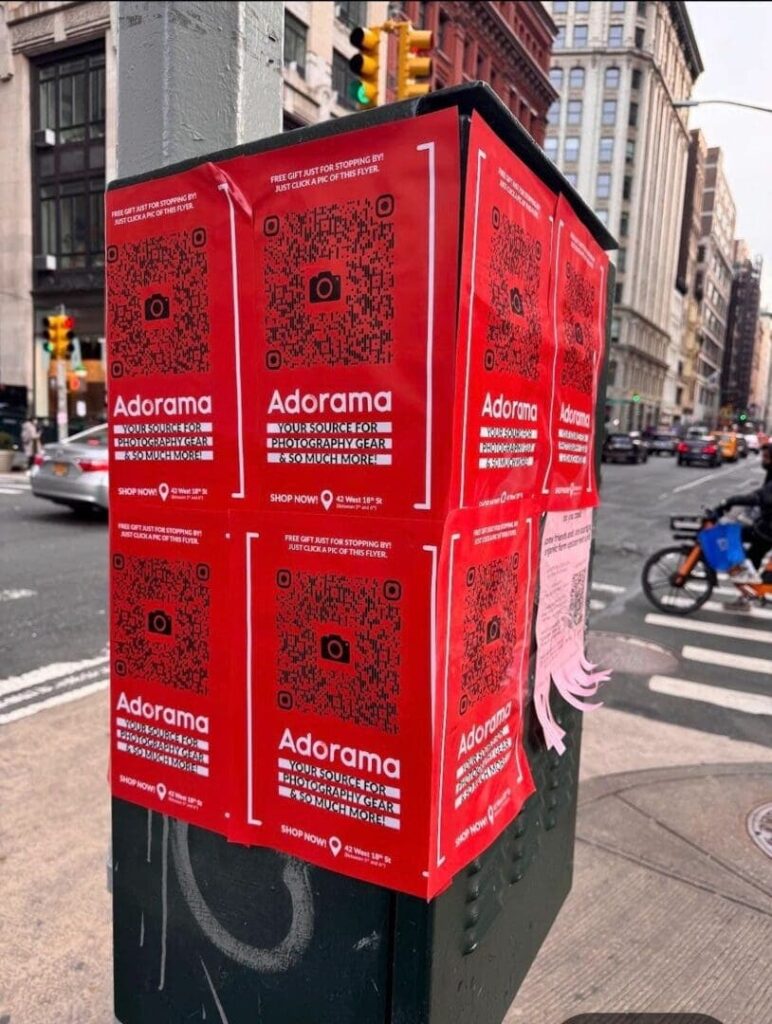
Snipe placements, sidewalk decals, and stencil campaigns all depend on knowing the specific poles, pavement, and intersections that your audience actually passes. We map that territory before your crew hits the street.
Learn More
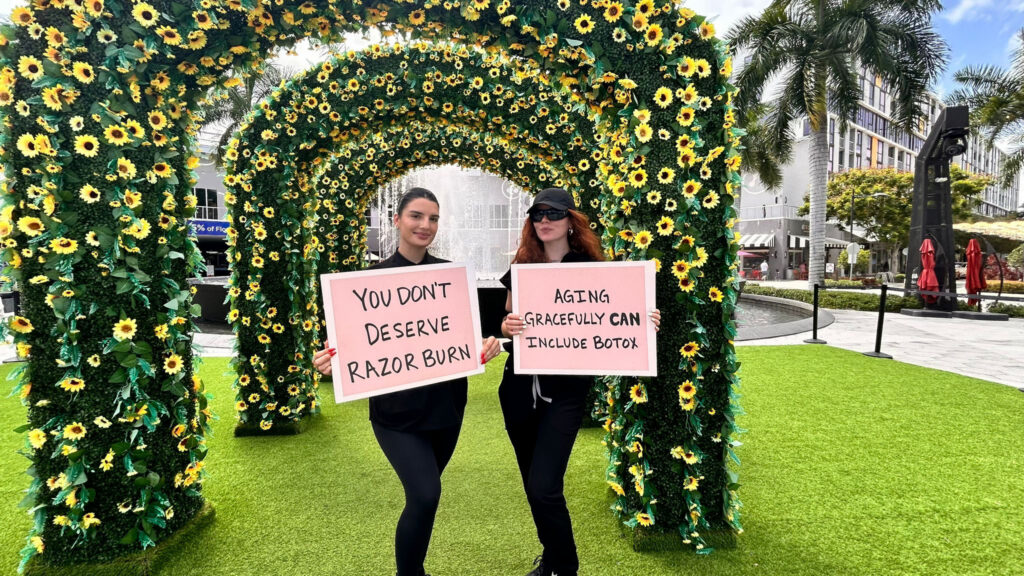
Brand ambassadors are only as effective as the zone they are deployed in. We identify the intersections, transit stops, and venue approaches where your exact target demographic concentrates, count the traffic, and confirm the deployment makes sense before your team hits the street.
Learn More
Subway exits, bus stops, and train stations concentrate thousands of people at defined physical points on a predictable daily schedule. We map those points, document the surface inventory within reach, and profile the commuter audience by line, exit, and time window.
Learn More
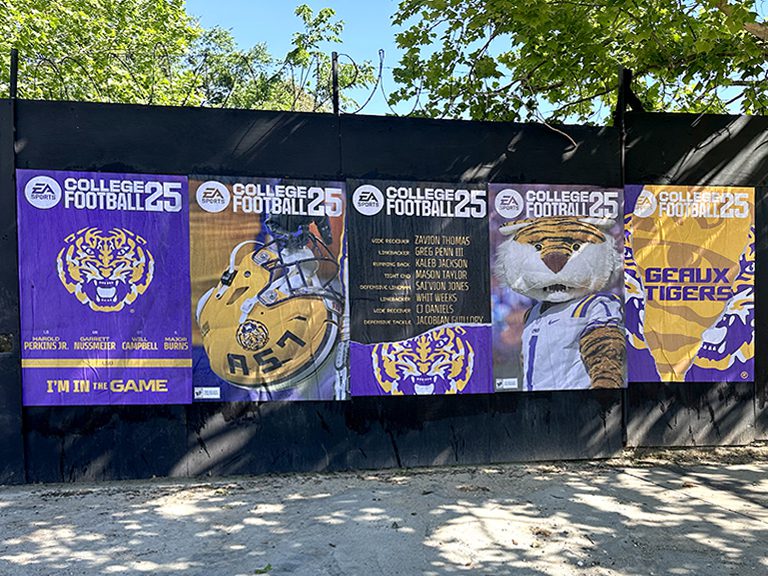
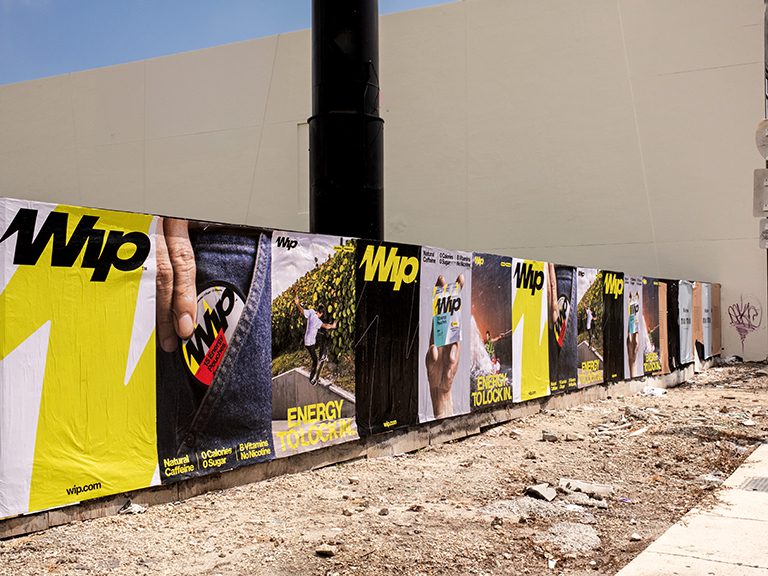
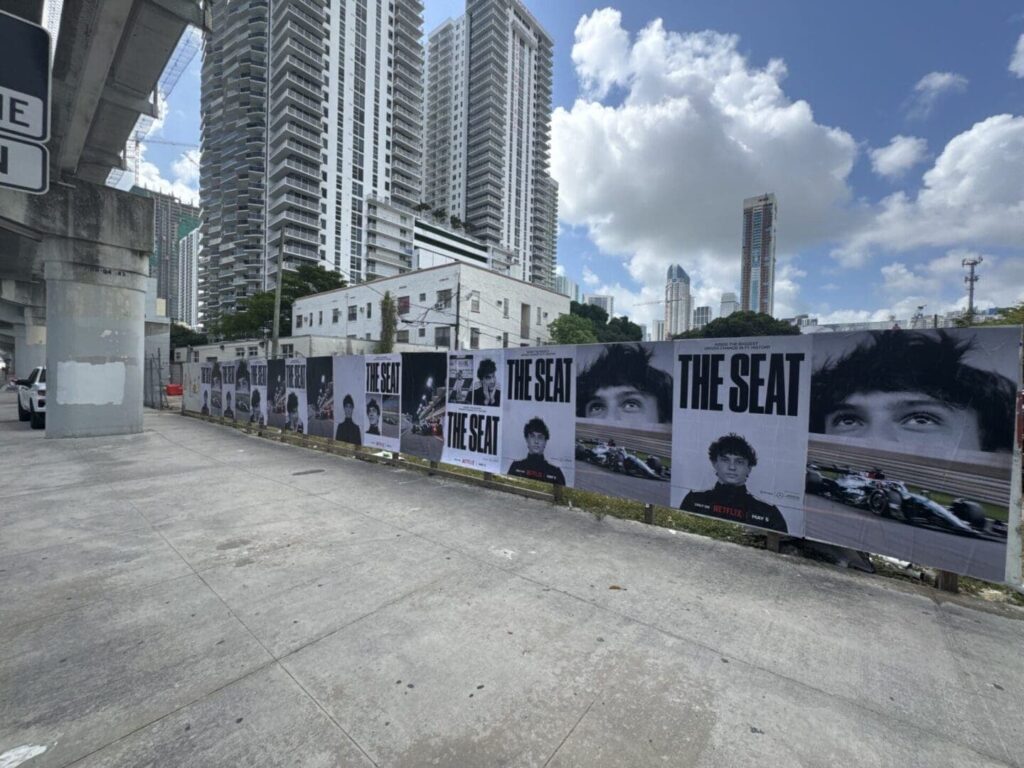
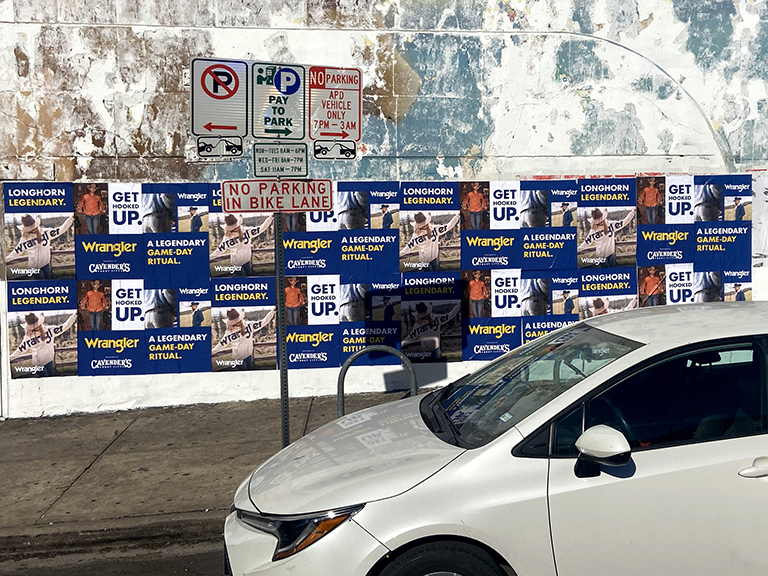
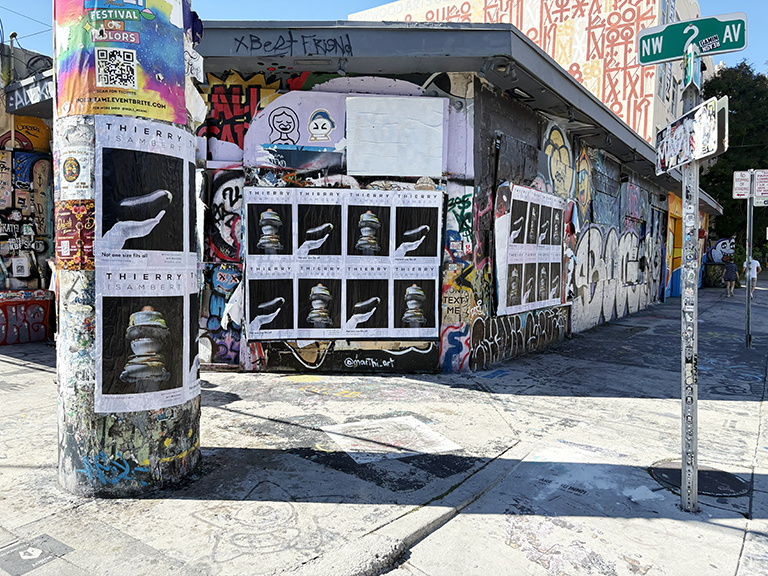
A wheatpaste campaign lives or dies on wall selection. The wrong surface peels in 48 hours. The wrong neighborhood tears posters down before the paste dries. We find the walls that work, in the neighborhoods where posting belongs.
Learn More
CPG brands use street team scouting to identify the specific intersections, transit exits, and market corridors where their target demographic passes at the highest density during the sampling window — ensuring ambassador time is spent where conversion rates justify the cost rather than where the location looks generically busy.
Labels and promoters use street team scouting to map the corridors where their target fan is on foot before show nights, on weekends, and during the community events that concentrate their audience in predictable locations. We document deployment zones and timing windows for each market.
Consumer apps targeting urban early adopters use street team scouting to identify the tech-adjacent corridors, creative industry neighborhoods, and transit hubs where download rates from in-person ambassador interaction significantly outperform digital acquisition costs.
New retail locations and restaurant openings use street team scouting to identify the foot traffic corridors within walking distance of the new location where direct handout and ambassador interaction generates the highest conversion from pedestrian to first-visit customer.
Intersection selection combines foot traffic volume, demographic match, physical engagement space, and permit accessibility into a ranking. No single factor determines the winner. A very high-traffic intersection with no engagement space and a demographic mismatch ranks below a moderate-traffic intersection with excellent demographic fit and room for ambassadors to engage. The ranking in the report makes the tradeoffs explicit so the campaign manager can make an informed selection rather than defaulting to the busiest corner.
A scouting report from a recent field walk remains valid for subsequent deployments in the same season as long as the physical environment has not changed significantly. Seasonal changes in pedestrian patterns, neighborhood development, and changes in the competitive brand presence can all warrant a refreshed scout. For recurring programs, we recommend a scout update at the start of each new campaign season to verify that the zone ranking from the initial report still reflects current conditions on the ground.
Crew sizing depends on the zone’s physical dimensions, foot traffic volume, and engagement format. A single-entrance transit stop with 200 pedestrians per hour in a walk-through format might be efficiently covered by one or two ambassadors. A plaza with multiple pedestrian approaches and 800 people per hour in a sampling engagement format might need four to six. Our crew sizing recommendation in the report is specific to each zone and accounts for the physical constraints of the space.
In practice, these terms are used interchangeably for programs where trained brand representatives engage with consumers in public spaces. The distinction is typically in the level of training and brand expertise expected of the team: a sampling street team might handle product distribution and basic messaging, while a brand ambassador program involves deeper product knowledge, data collection, relationship building, or more complex engagement formats. Our scouting serves both program types with the same location intelligence methodology.
Yes. Simultaneous multi-city scouting is a standard scope for our team. We coordinate operators in each target market, run field work in parallel, and deliver consolidated reports organized by market. This approach is more efficient for national campaign timelines where waiting for sequential city deliverables would push the launch date. All markets receive the same report format for easy cross-market comparison.
Real-world deployment conditions sometimes diverge from scouting observations due to weather, competing events, day-of-week variation, or temporary construction. Our reports include backup zone recommendations for every primary zone so that the deployment supervisor has an approved alternative to shift to if the primary location is underperforming. We do not give single-choice reports without backup options.
Our scouting serves all street team engagement formats: product sampling, flyer and promotional material distribution, survey and data collection, event promotion, retail traffic driving, and any other format where brand ambassadors engage with pedestrians in public space. The core methodology is the same regardless of engagement format; the specific zone criteria and crew size recommendations differ based on the engagement type.
Weather significantly affects outdoor pedestrian volume, which is why our reports include covered or sheltered zone alternatives for each primary outdoor location. Transit station vestibules, covered shopping mall entrances, parking structure approaches, and covered plazas are all documented as weather-contingency alternatives where applicable. Campaign managers who have weather backup zones identified before launch avoid the scramble to relocate a team on a rainy deployment day.
Timing recommendations in our reports are expressed as specific clock-time windows based on field observation, not general descriptors. A fitness brand targeting morning gym traffic receives a recommendation like “primary window: 6:00 to 7:45 a.m., secondary window: 5:15 to 6:45 p.m.” based on counts at the target gym cluster zones during those specific intervals. General descriptors like “morning rush” are not actionable for crew scheduling; specific time windows are.
Street Team Location Scouting scouting reports deliver in 7 to 10 business days from confirmed brief receipt. Brief us with the target market, the campaign audience profile, the planned deployment format, and the target deployment dates so that field observation during the count windows reflects the actual conditions the deployment team will face on campaign day.
AGM operates a national network of field operators. We have scouted campaigns in every U.S. state and the District of Columbia. Whether your campaign targets a dense urban core or a suburban retail corridor, we have operators who know the territory.