American Guerrilla Marketing
Nationwide Service
Media planning, media buying, billboard advertising, & guerrilla marketing
Charlotte has grown into one of the South’s most dynamic cities, anchored by a strong financial services sector, an expanding tech presence, and a cultural scene that has grown substantially over the past decade. Uptown Charlotte, the city’s central business district, hosts the Spectrum Center (Hornets, concerts), the Bank of America Stadium (Panthers), and the Charlotte Convention Center within a walkable core that generates consistent professional and event-driven foot traffic. The NoDa arts district, South End along the light rail line, and the Plaza Midwood neighborhood each offer distinct pedestrian corridors with loyal neighborhood audiences and active commercial scenes. With a metro population exceeding 2.7 million and one of the fastest-growing economies in the Southeast, Charlotte is a market where sidewalk stencil campaigns reach an engaged, economically active audience.
American Guerrilla Marketing deploys in Charlotte with knowledge of the city’s distinct neighborhood personalities and their specific audiences. Uptown serves the financial district, convention, and sports crowds. NoDa is Charlotte’s original arts district with a concentrated creative community. South End, running along the Blue Line light rail, has become the most walkable mixed-use corridor in the city, pulling residents, workers, and visitors to its breweries, restaurants, and boutiques. Plaza Midwood serves the eclectic neighborhood audience of long-term residents and newcomers who prize the area’s independent character. Each zone calls for a different campaign approach, and AGM builds Charlotte deployments around these distinctions.
Charlotte’s climate is favorable for sidewalk stencil campaigns across most of the year. The city’s mild winters, warm springs, and fall seasons provide extended chalk-viable windows. Summer heat and humidity from June through August can shorten chalk lifespans, making vinyl the preferred format for campaigns running through the summer months. The city’s light rail corridor along South End provides an infrastructure asset that connects campaign placements to a consistent transit-walking audience throughout the week.
Charlotte’s South End light rail corridor is one of the most significant pedestrian infrastructure assets in the Southeast outside of larger legacy cities. The Blue Line extension connecting Uptown to South End and Dilworth has transformed South End into a walkable mixed-use district that is now home to over 60 craft breweries, restaurants, fitness studios, and boutiques within walking distance of the transit line. The combination of light rail commuters, resident walkers, and visitors drawn to the food and brewery scene creates a consistent daily foot traffic volume that makes South End one of the most productive campaign zones in the Charlotte market.
NoDa has maintained its character as Charlotte’s original arts district while growing significantly. The NoDa Brewing taproom, the Evening Muse music venue, and the concentration of galleries and studios along North Davidson Street pull a creative and music-engaged audience that is specifically receptive to brand storytelling that respects the neighborhood’s independent identity. The monthly NoDa Art Crawl and the gallery-to-gallery walking culture make NoDa one of the best zones in Charlotte for campaigns targeting the creative and arts community.
The Bank of America Stadium and Spectrum Center in Uptown create predictable event-driven foot traffic concentrations for Panthers games, Hornets games, and major concerts. The walkable connections between the two venues, the surrounding Uptown hotel cluster, and the Fourth Ward neighborhood generate campaign placement opportunities that reach sports and entertainment audiences at peak engagement moments tied to game-day energy.
Charlotte’s spring and fall provide excellent conditions for chalk stencil campaigns. The city’s moderate humidity in March through May and September through November allows chalk applications to last 8-14 days on most neighborhood sidewalks in NoDa, Plaza Midwood, and South End. Charlotte’s light blue-grey concrete sidewalks in most neighborhood zones hold chalk color well and provide good visual contrast for most design treatments.
South End’s high foot traffic volumes and the cleaning cycles that come with a dense transit-adjacent development corridor make vinyl the practical choice for sustained campaigns along the Blue Line. The Camden Road and South Boulevard pedestrian zones are high-abrasion surfaces that require vinyl for multi-week performance. Uptown Charlotte’s professional district surfaces also call for vinyl given the office-building maintenance programs that clean the surrounding sidewalks regularly.
For mixed-zone Charlotte campaigns, AGM designs with vinyl anchoring the high-traffic commercial zones and chalk covering the neighborhood character zones like NoDa and Plaza Midwood, where the organic aesthetic is appropriate and cleaning intensity is lower. This multi-format approach maximizes both durability in critical zones and aesthetic authenticity in neighborhood settings.
Award Winning Personalized Service
You will get thoughtful, devoted, and individualized attention from our experienced, qualified, and professional personnel. Being one of the most illustrious agencies in Brooklyn, New York, American Guerrilla Marketing has been awarded the Best of Brooklyn title.
Nationwide
Industry City, Brooklyn, New York 11232
American Guerrilla Marketing
Hours
Mon - Fri: 9 AM - 5 PM

Sat & Sun:Â Closed
Automate your campaign with AGM’s Request for Proposal Builder. Simply answer a few quick questions about your campaign goals, markets, and timeline, and the system will generate a tailored presentation with recommended strategies, quantities, and pricing. Click the RFP Builder to instantly receive your customized proposal.
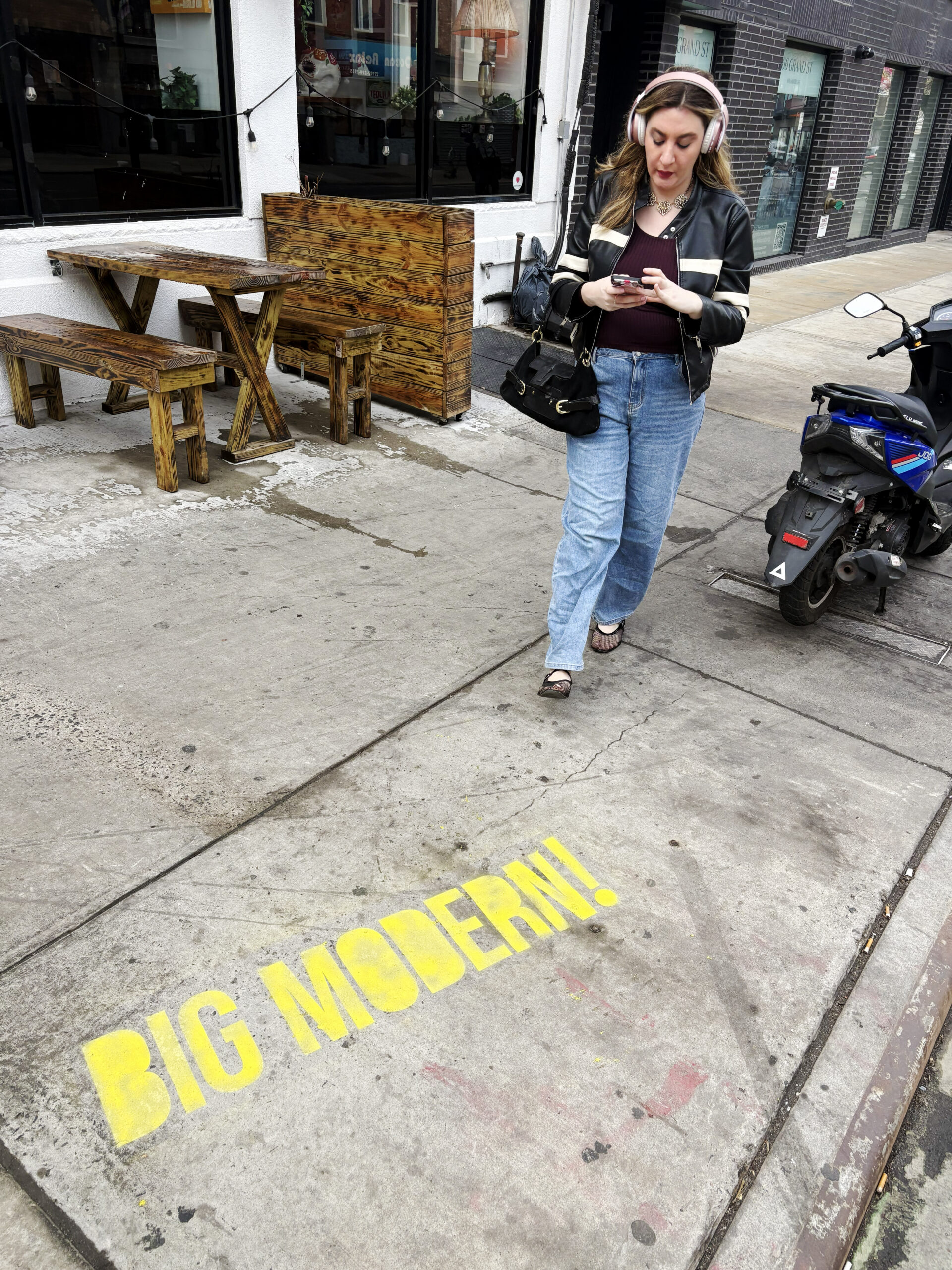
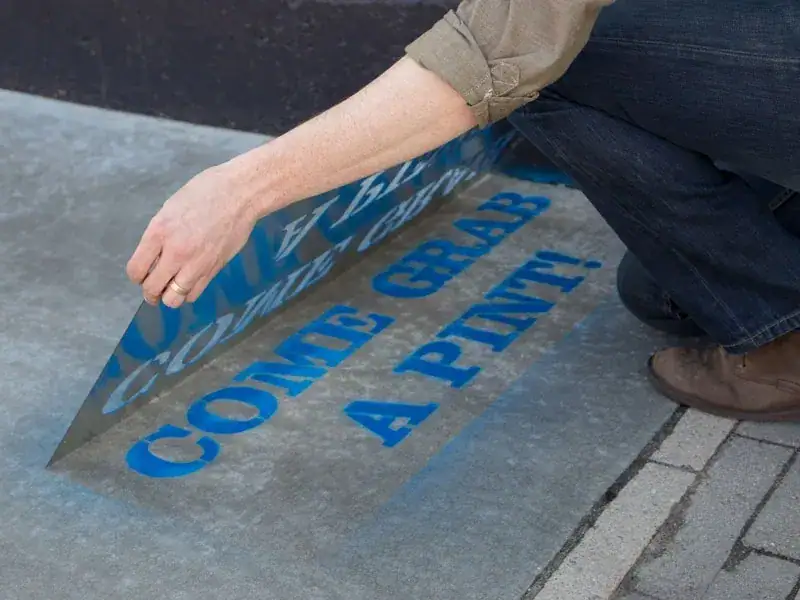
Professional chalk stencil campaigns across Charlotte's most active pedestrian zones. Biodegradable, event-flexible, and effective for short-window brand activations.
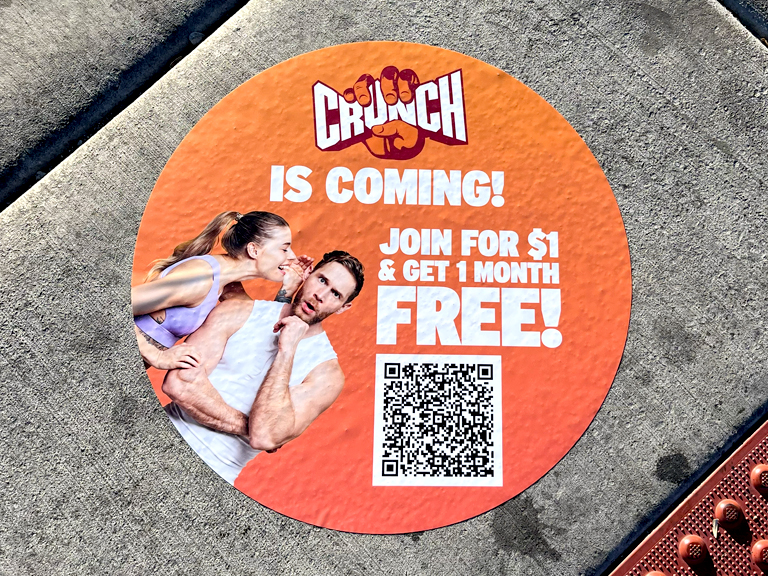
Durable vinyl decals built for Charlotte's highest-traffic corridors. Precision-printed, weather-resistant, and rated for weeks of foot traffic exposure.
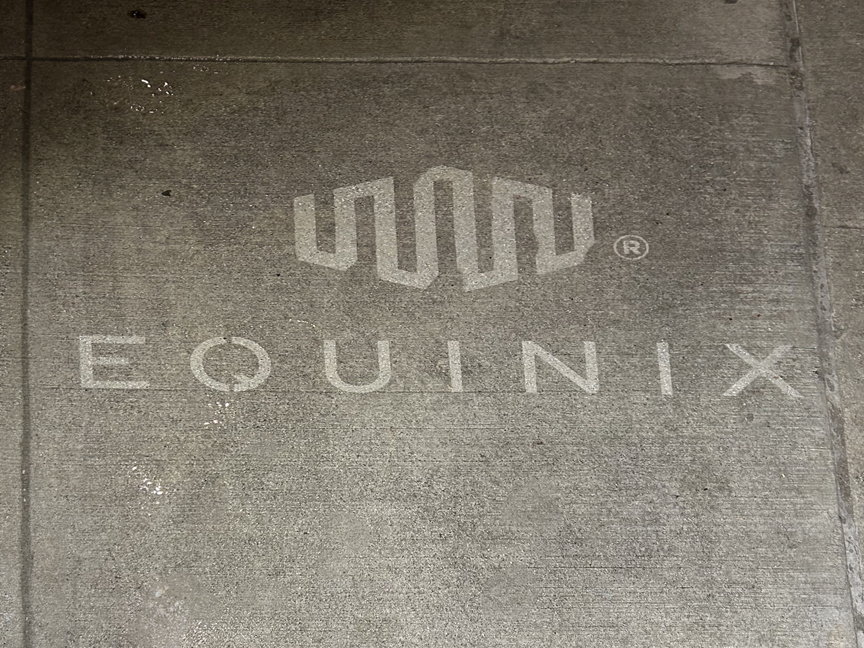
Zero-material stenciling using precision cleaning on Charlotte's urban surfaces. Dramatic visual results with no adhesive, no chalk, and no removal required.
Targeted stencil placement on the pedestrian approaches to Charlotte's major venues, convention centers, and arena corridors for event-driven brand activation.
Campaign deployment timed to Charlotte's major festivals and outdoor events. Reach concentrated, engaged audiences at peak foot traffic moments throughout the year.
Sidewalk decals in Charlotte's active retail corridors, directing foot traffic and building brand awareness among the city's most active shoppers and diners.
University and campus-adjacent stencil campaigns reaching Charlotte's student population and the surrounding academic community at street level.
Fast-turnaround stencil deployments for time-sensitive launches, reactive brand moments, and last-minute Charlotte campaign activations. Rush execution available.
Charlotte’s deployment geography concentrates in Uptown and the walkable neighborhood districts connected by the Blue Line and the surrounding street grid.
Uptown Charlotte, centered on Tryon Street, Trade Street, and the blocks surrounding Bank of America Stadium, Spectrum Center, and the Charlotte Convention Center, is the city’s professional, sports, and convention anchor. The Stonewall Station light rail stop and the surrounding SouthPark-connected pedestrian corridors extend the Uptown zone.
South End along Camden Road, South Boulevard, and the Blue Line light rail between Bland Street and Tremont stations has become Charlotte’s most active mixed-use pedestrian corridor. The concentration of breweries including Wooden Robot, NoDa Brewing South End, and Sycamore Brewing, combined with the restaurant and boutique density, makes South End the highest daily foot traffic neighborhood corridor in Charlotte.
NoDa on North Davidson Street from 35th to 37th Streets is Charlotte’s arts district anchor. Plaza Midwood on Central Avenue serves the eclectic neighborhood commercial audience. The Elizabeth neighborhood on Seventh Street offers a medical professional and residential mix. University City near UNC Charlotte pulls the student and research community. Ballantyne and South Park serve the affluent south Charlotte suburban demographic for campaigns requiring suburban coverage.
| Zone | Est. Daily Foot Traffic | Impressions Per Stencil 2 wks | Engagement Rate | Avg Campaign Duration | Ideal Campaign Type |
|---|---|---|---|---|---|
| Uptown Tryon / Convention Center | 12,000-25,000 | 168,000-350,000 | 10-16% | 10-16 days | B2B, Convention, Consumer |
| South End / Blue Line Corridor | 10,000-20,000 | 140,000-280,000 | 14-22% | 12-18 days | Lifestyle, F&B, Young Professional |
| NoDa / North Davidson St | 5,000-10,000 | 70,000-140,000 | 18-26% | 12-18 days | Arts, Music, Local Brand |
| Bank of America / Spectrum Center | 10,000-30,000 | 140,000-420,000 | 10-16% | Event windows | Sports, Entertainment, Consumer |
| Plaza Midwood / Central Ave | 4,000-8,000 | 56,000-112,000 | 16-24% | 12-18 days | F&B, Lifestyle, Local |
| Elizabeth / 7th Street | 3,000-6,000 | 42,000-84,000 | 14-20% | 14-21 days | Medical, Professional, Retail |
A craft beverages brand launching in the Carolinas activated chalk stencils throughout the South End brewery corridor from Bland Street to Tremont, timed to the neighborhood’s First Friday bar walk. Stencils at brewery entrances, the Blue Line station approaches, and the Camden Road pedestrian crossings reached an estimated 8,000 foot traffic exposures on the activation evening and maintained campaign presence for 12 days across the following two weekends of South End weekend traffic.
A sporting goods retailer deployed vinyl decals on the primary pedestrian approaches to Bank of America Stadium on Bank Street, Mint Street, and Graham Street for a four-game home stretch in October. The campaign captured the high-energy game-day crowd arriving from the Uptown hotel cluster and the Fourth Street light rail station approaches, reaching an estimated 40,000+ impressions across the four-game window. The retailer reported measurable sales lifts at their Uptown location on the relevant game Sundays.
A Charlotte arts organization promoting an emerging local artist used chalk stencils along the North Davidson Street gallery walk corridor on the night of the NoDa monthly Art Crawl. Stencils featuring the artist’s signature graphic style were placed at gallery approach points and pedestrian intersections along the crawl route. The campaign generated significant organic social media documentation as Art Crawl attendees photographed and shared the stencil work as part of the evening’s visual experience.
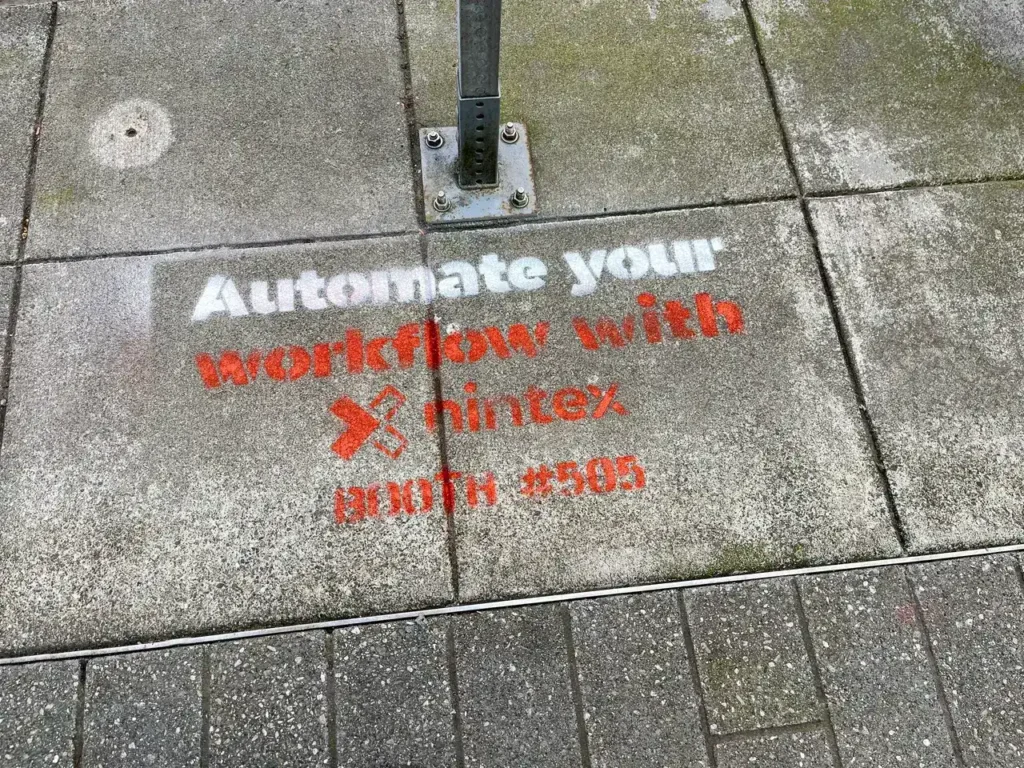
A commercial real estate company attending a major industry conference at the Charlotte Convention Center deployed chalk stencils on the convention center approach corridors from the Stonewall Station light rail stop and the surrounding hotel blocks. The messaging was professional and directional, incorporating the company’s booth information and a key campaign message. Post-conference, the client cited the stencil campaign as generating multiple qualified conversations at the booth from attendees who had noticed the sidewalk messaging on their approach.
A new restaurant on Central Avenue in Plaza Midwood used chalk stencils on the surrounding blocks during the two weeks ahead of opening. The design incorporated the restaurant name in a hand-lettered style consistent with the neighborhood’s independent character and a simple teaser message about the menu concept. The neighborhood’s tight-knit food community shared the stencil sightings on social media, building pre-opening anticipation that contributed to a sold-out first weekend reservation book.
Charlotte’s event calendar is anchored by the Hornets and Panthers seasons, the Charlotte Convention Center’s year-round event schedule, and a growing arts and food festival calendar that activates the city’s neighborhoods throughout the year.
The Panthers season runs September through January, with home games at Bank of America Stadium driving downtown foot traffic on game days. The Hornets season from October through April activates Spectrum Center with home games and major concerts. The Charlotte 49ers basketball season activates University City. The Coca-Cola 600 NASCAR race at Charlotte Motor Speedway in May brings over 100,000 race fans to the region and activates the city’s entertainment zones.
The Charlotte Restaurant Week in January and July, the Charlotte Pride festival in August, and the Charlotte SHOUT! festival in October activate specific city zones with concentrated event foot traffic. CIAA Tournament week in late February/early March brings tens of thousands of HBCU community members to Uptown Charlotte, making it one of the most culturally significant activation windows of the year. The Bank of America Corporate Center area generates consistent professional foot traffic throughout the year from the concentration of financial services headquarters in Uptown.
Spring and fall offer the best chalk stencil performance in Charlotte. November through April is the core Panthers/Hornets season overlap, making it the most event-rich period in the year. Summer is active but heat and humidity reduce chalk longevity; vinyl is recommended for July-August campaigns across all Charlotte zones.
South End is Charlotte’s most valuable ongoing campaign zone, with consistent daily foot traffic from light rail commuters, brewery visitors, residents, and weekday lunch traffic in a concentrated walkable corridor. The neighborhood’s young professional demographic and its social media engagement culture make it the highest-return zone for lifestyle, F&B, and consumer brand campaigns in the Charlotte market.
Uptown Charlotte around Tryon Street, the convention center, and the sports venue approaches delivers the highest raw pedestrian counts in the city during event days and business hours. The Bank of America Corporate Center and the surrounding financial district anchors weekday professional traffic. Convention center campaigns on South College Street and Martin Luther King Jr. Boulevard serve the B2B and conference audience year-round.
NoDa delivers Charlotte’s most arts-engaged audience, particularly on Art Crawl nights. Plaza Midwood serves the neighborhood loyalist and independent dining audience. Bank of America Stadium and Spectrum Center approaches activate for 80-plus combined event days per year with highly concentrated sports and entertainment demographics. The Blue Line light rail corridor is the most consistent linear pedestrian zone in the market, connecting these zones and providing a campaign thread that can reach multiple neighborhoods in a single deployment.
Chalk Stencils: Charlotte’s climate supports chalk stencil campaigns across an extended spring and fall season, with March through May and September through November offering reliable conditions for applications that last 8-14 days in most neighborhood zones. NoDa, Plaza Midwood, and South End’s residential side streets are strong chalk territories where the neighborhood character and cleaning intensity support the medium well. AGM applies chalk campaigns in Charlotte using professional-grade formulations that hold color well on the city’s typical grey concrete surfaces.
Vinyl Sidewalk Decals: South End’s main commercial corridors, Uptown’s professional district sidewalks, and the venue approach zones at Bank of America Stadium and Spectrum Center are vinyl territory. The Blue Line light rail station areas in South End and Uptown see transit authority cleaning schedules that require vinyl for sustained performance. AGM uses vinyl rated for Charlotte’s climate range, which includes occasional winter ice events that can affect adhesion on certain surface types.
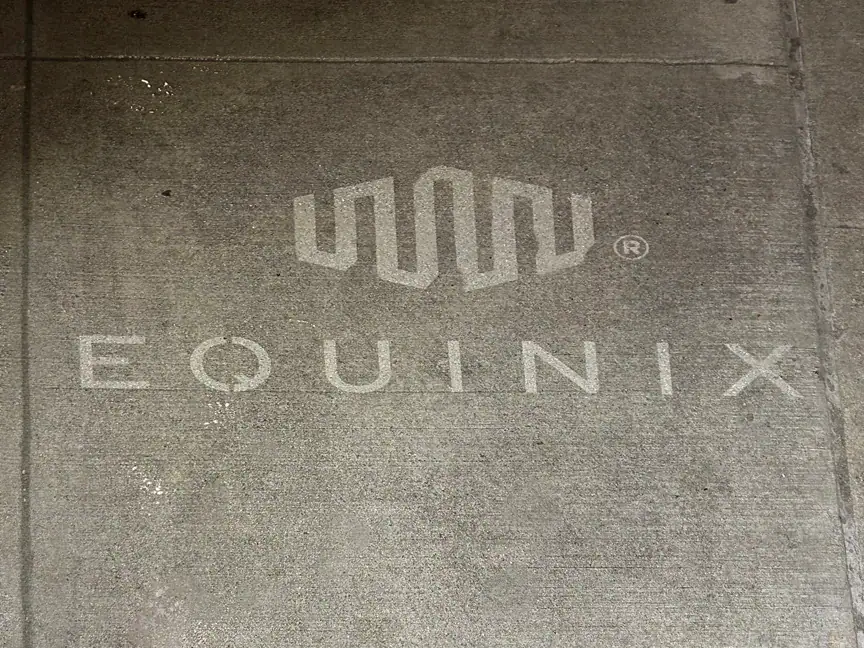
Reverse Graffiti (Clean Graffiti): Charlotte’s older industrial zones in NoDa, the NODA stretch of North Tryon Street, and the parts of South End that still carry industrial building fabric provide good surfaces for reverse graffiti. The technique is particularly fitting for NoDa, where the intersection of arts culture and industrial history creates an environment where clean stencil graphics on gritty concrete read as both visually striking and conceptually appropriate. Charlotte’s frequent summer humidity builds the surface grime that makes reverse graffiti viable year-round in these zones.
Charlotte’s growth has brought increasing brand competition to its key walkable zones, making execution quality and placement strategy more important than ever for sidewalk campaigns. The South End corridor in particular has become a market where multiple brands are vying for pedestrian attention, which means that well-executed campaigns stand out while generic treatments disappear into the visual environment.
AGM’s Charlotte operation understands the specific audiences in each zone and brings that knowledge to campaign planning from the start. A brewery district chalk campaign in South End has different design requirements from a Convention Center vinyl campaign in Uptown, which is different again from an NoDa art crawl activation. Building that context into campaign design and execution is what makes the difference between effective sidewalk presence and wasted spend.
We also manage the Charlotte-Mecklenburg permit process, coordination with CATS (Charlotte Area Transit System) for Blue Line station approach placements, and relationships with the NoDa Neighborhood Organization and the South End Community Organization. These relationships accelerate permit approvals and give campaigns the neighborhood partnership that generates goodwill alongside reach.
Yes. The Blue Line light rail station approaches and the surrounding South End sidewalks are accessible for stencil campaigns through the Charlotte-Mecklenburg standard right-of-way permit process and coordination with CATS for station-adjacent placements. AGM has deployed along the South End Blue Line corridor and understands the specific placement opportunities around each station stop from Bland Street through Tremont. Vinyl is the recommended format given the transit authority maintenance schedules in these zones.
CIAA Tournament week in late February/early March is one of the most significant cultural events in Charlotte’s calendar, bringing the HBCU community together in Uptown for basketball, parties, and social gatherings that activate the downtown zone intensely for a full week. Campaigns during CIAA week should be planned 3-4 weeks in advance to coordinate with the City of Charlotte’s event permitting and the tournament’s official footprint. AGM designs CIAA campaigns with cultural awareness appropriate to the event’s significance.
AGM’s NoDa coverage centers on the North Davidson Street corridor from 35th to 37th Streets, the surrounding side streets in the neighborhood, and the approaches from the 36th Street light rail station. The monthly NoDa Art Crawl on the third Friday of each month is a priority activation window that AGM plans campaign deployments around. We also cover the NoDa Brewing taproom area and the Evening Muse venue surroundings as high-traffic anchor points in the district.
Yes. Event approach campaigns around both venues are coordinated with Charlotte Center City Partners and the specific venue operations teams. Game-day placements on the public right-of-way surrounding the venues use standard Charlotte-Mecklenburg permits, while placements closer to venue entrances require coordination with Tepper Sports and Entertainment (Panthers) and Hornets Sports and Entertainment. AGM manages both approval tracks and can build multi-game campaign schedules across both venue footprints.
Yes. For brands targeting the affluent south Charlotte demographic, Ballantyne’s town center pedestrian zone and the SouthPark Mall perimeter area offer suburban foot traffic opportunities beyond the urban core. These zones have different pedestrian dynamics from Uptown and South End but can be effective for specific consumer brand categories targeting Charlotte’s professional residential demographic. AGM advises on suburban Charlotte coverage based on target audience alignment with each zone’s actual foot traffic profile.
Uptown Charlotte stencil campaigns on public right-of-way fall under the Charlotte Department of Transportation’s encroachment permit program. Charlotte Center City Partners, the Business Improvement District for the Uptown area, is also a coordination contact for campaigns in the BID zone. AGM manages both the CDOT permit application and the Center City Partners coordination, and advises on the appropriate approval tracks for specific placement locations within the Uptown campaign area. Standard permits typically process within 10-15 business days.