American Guerrilla Marketing
Nationwide serivce
Media planning, media buying, billboard advertising, & guerrilla marketing
American Guerrilla Marketing places interior bus and shelter advertising on Valley Metro City of Phoenix routes. Central Avenue, Camelback, 35th Avenue, Buckeye Road, and the downtown Phoenix transit hub. Direct execution, 500+ campaigns nationwide.
Phoenix is not an interchangeable market. The fifth-largest city in the United States has a transit ridership shaped by a geography and a demographic reality that no other Sun Belt metro replicates. The Valley Metro bus network operated by the City of Phoenix serves a ridership that is heavily Latino, heavily working-class, heavily transit-dependent, and spread across a city that covers more than 500 square miles of desert valley geography. The routes that matter for bus advertising in Phoenix are not the suburb-to-downtown commuter corridors that dominate bus advertising in Northeastern metros. They are the east-west arterial routes on Camelback Road, Thomas Road, and McDowell Road that connect the Latino residential communities of central and west Phoenix to employment corridors in Midtown, along 7th Street and 7th Avenue, and to the downtown core at Central and Washington. They are the north-south lines on Central Avenue connecting the South Phoenix and Laveen communities to the downtown Phoenix transit station and the light rail connection points at Civic Space Park and the 44th Street and Washington corridor.
AGM has placed transit advertising campaigns in Phoenix and the broader Valley Metro market as part of our 10-plus year, 500-plus campaign national execution history. We know the Phoenix bus network well enough to advise on which routes carry the demographics that match specific advertisers, how the network interacts with the Valley Metro light rail lines at the major bus-rail transfer points, and how shelter advertising at the highest-traffic Phoenix bus stops competes with and complements the light rail station advertising environment.
The City of Phoenix bus routes are distinct from the regional Valley Metro RPTA service in an important way: Phoenix city routes are primarily urban fixed-route service designed for the Phoenix city proper ridership base, while RPTA manages the regional express and suburban connector routes. For advertisers whose target is the urban Phoenix working-class and Latino community specifically, the City of Phoenix bus routes are the more precise placement channel. For advertisers targeting the broader metro commuter demographic including the suburban Phoenix workforce, the RPTA routes and the combined system coverage are more appropriate.
AGM places interior bus and shelter advertising on Valley Metro City of Phoenix routes across the Camelback, Central Avenue, 35th Avenue, and South Phoenix corridors. Direct execution, documented results.
Phoenix’s bus ridership is one of the most transit-dependent in the Western United States. In a city built for the automobile, the riders who use Valley Metro’s bus network as their primary daily transportation mode are doing so out of genuine need, not choice convenience. This transit dependency creates a specific advertising value: the Phoenix bus rider sees the same routes, the same shelter stops, and the same interior cards day after day because they have no alternative to the bus for their daily mobility. That repetition is frequency at the level that advertising recall research consistently links to purchase behavior change.
The demographic composition of the Phoenix city bus ridership reflects the communities the routes serve. The west Phoenix routes on 35th Avenue and 43rd Avenue serve predominantly Latino working-class neighborhoods in the Maryvale and Laveen communities, where Spanish-language advertising reaches households that English-only campaigns consistently miss. The South Phoenix routes on Central Avenue south of Baseline Road serve a predominantly African American community with a distinct commercial and cultural geography. The Midtown routes on Camelback and Bethany Home Road serve a mixed-income ridership that includes both transit-dependent lower-income households and transit-choice riders from the central Phoenix apartment district. Understanding which Phoenix bus routes serve which communities is the starting point for any advertising campaign that wants to reach a specific Phoenix demographic rather than a generic urban audience.
Phoenix’s heat is the other factor that shapes bus shelter advertising in this market differently than any other major American city. The covered bus shelter is not a modest comfort amenity in Phoenix. It is a survival necessity during the six months of the year when afternoon temperatures exceed 100 degrees Fahrenheit. Riders wait at shelters because there is no alternative; standing in direct sun at a Phoenix bus stop in July is genuinely dangerous. That enforced shelter use means Phoenix bus shelter advertising has measurable dwell time and attentiveness that shelter advertising in temperate climates does not generate with the same consistency. A rider waiting at a Phoenix bus shelter in the summer heat is not rushing through the wait. They are planted in the shelter for the full duration of the service interval, fully present in the advertising environment you have placed there.
Camelback Road is one of Phoenix’s primary east-west arterials, running from the Camelback Mountain recreation area in northeast Phoenix westward through the Camelback Corridor office district near 24th Street and 28th Street, through the central Phoenix neighborhoods of Encanto and Maryvale, and continuing west toward 43rd Avenue and the suburban residential areas of western Phoenix. The bus routes on Camelback carry one of the most economically diverse ridership mixes in the Valley Metro Phoenix system: white-collar workers in the Camelback Corridor office district on the east end, Latino working-class households in the Encanto and Maryvale neighborhoods through the central section, and service and retail workers commuting from the west Phoenix suburbs on the western terminus runs.
Interior advertising on the Camelback route reaches this full economic spectrum in a single route placement. A brand that needs to reach both the Camelback Corridor professional employee and the Maryvale working-class family can place a single king poster buy on the Camelback route and achieve coverage across both demographics in a single campaign. For most advertisers, however, the value of the Camelback route is the Latino working-class and middle-income community of Encanto and Maryvale, which is the most transit-dependent segment of the route’s ridership and the most consistently reachable through bus advertising across the full week’s service.
Best advertiser categories: Spanish-language retail and consumer goods campaigns targeting the Maryvale and Encanto Latino community, financial services brands offering remittance and community banking products, healthcare enrollment campaigns in Spanish and English, QSR brands with Camelback corridor locations, and insurance brands targeting the working adult Phoenix demographic.
Central Avenue is Phoenix’s historic north-south spine, running from the upscale Biltmore area north of Camelback Road southward through Midtown, downtown Phoenix, and into the predominantly African American South Phoenix neighborhoods that extend south of Baseline Road toward Laveen. The bus routes on Central Avenue carry a ridership that shifts demographically as the route moves south: Midtown riders skewing toward young professionals and service workers, downtown riders being the mixed transfer and destination population of the city center, and South Phoenix riders being the transit-dependent residential community of one of Phoenix’s historically underserved neighborhoods.
The South Phoenix segment of the Central Avenue corridor is specifically valuable for advertisers seeking to reach a community that has been systematically underserved by mainstream advertising campaigns. South Phoenix is predominantly African American, with high transit dependency and strong community identity around neighborhood institutions including churches, community health centers, and the local commercial corridors on Central Avenue south of Baseline. Advertising that speaks directly to this community’s needs in healthcare, financial services, employment, and consumer goods reaches an audience that, in this market, is far less contested by competing transit advertising than equivalent urban African American communities in cities like Atlanta, Chicago, or Washington D.C.
Best advertiser categories: community health clinics and healthcare enrollment campaigns targeting South Phoenix, financial services brands including community banks and credit unions targeting the underbanked Phoenix community, workforce development and employment programs, consumer goods brands targeting the African American demographic, and community organizations with South Phoenix service areas.
The north-south routes on 35th Avenue and 43rd Avenue through West Phoenix serve the Maryvale community, which is one of the most densely populated Latino neighborhoods in the United States. Maryvale was originally developed as a postwar suburb but has transformed over the past 40 years into a predominantly Mexican and Mexican American community with the densest concentration of Spanish-speaking households in the Phoenix metro area. The bus routes on 35th and 43rd carry Maryvale residents to and from employment, schools, healthcare, and the commercial corridors on those streets that serve the community’s daily needs.
Bus advertising on the 35th and 43rd Avenue corridors in West Phoenix is a direct channel to the Maryvale Latino community at scale that no other advertising format in Phoenix achieves with equivalent cost efficiency. Spanish-language creative on these routes reaches an audience whose primary media environment is Spanish-language and whose consumer behavior is shaped by the community-oriented purchase patterns of a dense, tight-knit neighborhood economy. For brands targeting the Phoenix Latino market, the 35th and 43rd Avenue corridors are the most precise transit advertising placement in the entire Valley Metro system.
Best advertiser categories: Spanish-language campaigns in all consumer categories, Mexican and Latin American food and beverage brands, remittance and financial services targeting the immigrant community, healthcare enrollment campaigns in Spanish, immigration and legal services, Spanish-language media and entertainment, and community banks and credit unions with West Phoenix presence.
The downtown Phoenix transit hub at Central Avenue and Washington Street is the highest ridership transfer point in the Valley Metro bus network, where dozens of City of Phoenix routes converge with the Valley Metro light rail lines that run along Central Avenue and Washington Street. The interior bus advertising environment at this hub, and the shelter advertising at the adjacent bus stops and light rail stations, reaches every rider who transfers through the downtown Phoenix core: a daily ridership that spans the full demographic range of the Phoenix metro transit system, from South Phoenix residents commuting north to the Midtown employers to Tempe students transferring from the light rail to west Phoenix destinations.
The downtown hub’s advertising environment is unique in the Valley Metro network because it aggregates the audiences of multiple routes at a single geographic point. A shelter or bus stop advertising placement in the downtown Phoenix transfer complex reaches the cumulative ridership of every route that passes through it, which is a substantially higher daily impression count than any individual route placement achieves. For brands that want Phoenix metro transit market saturation from a single geographic advertising anchor, the downtown Central and Washington hub is the most efficient single placement point in the entire Valley Metro system.
Best advertiser categories: downtown Phoenix employers running recruitment campaigns, entertainment and event venues in the downtown Phoenix cultural district near Chase Field and Footprint Center, healthcare systems with downtown Phoenix facilities, financial services brands, retail brands with downtown Phoenix locations, and advocacy and social services organizations targeting the full range of Phoenix transit riders.
What it is: A complete exterior wrap on a Valley Metro Phoenix bus, creating a moving brand presence across Phoenix’s arterial street network throughout the city’s 500-plus square mile geography.
Best for: Major brand launches in the Phoenix market, product campaigns requiring metro-wide visual saturation, and brands that want to establish presence across Phoenix’s diverse community geography in a single vehicle format.
Why buy it: A wrapped Valley Metro Phoenix bus travels the Camelback, Central Avenue, 35th Avenue, and Buckeye Road corridors in the course of its daily service rotations, creating brand exposure across the full Phoenix geographic and demographic spectrum. In a market as large and geographically spread as Phoenix, a full bus wrap achieves a breadth of neighborhood coverage that static outdoor placements require many individual units to replicate. Contact AGM for Valley Metro Phoenix wrap pricing and fleet availability.
What it is: The primary large-format interior posting, approximately 30 by 144 inches, running along the upper interior walls of Valley Metro Phoenix buses on both sides of the vehicle.
Best for: Brand awareness campaigns requiring full Phoenix bus network coverage. A king poster system buy across all active City of Phoenix bus routes creates consistent interior presence across the full Phoenix urban ridership base within a single four-week campaign cycle.
Why buy it: Phoenix bus riders on routes like Camelback, 35th Avenue, and Central Avenue take the same route daily. A king poster they see Monday is the same one they see Tuesday through Friday and again the following week. By week three of a four-week campaign, frequent Phoenix bus riders have seen the king poster 15 or more times, and that frequency level is where advertising recall transitions from recognition to purchase consideration. Contact AGM for Valley Metro Phoenix king poster rates and system-wide package pricing.
What it is: A mid-format interior posting, approximately 30 by 88 inches, positioned in the front or rear interior sections of Valley Metro Phoenix buses.
Best for: Targeted corridor-specific campaigns. A brand targeting the Maryvale Latino community buys queen posters specifically on the 35th and 43rd Avenue routes. A healthcare brand targeting South Phoenix places queens on the Central Avenue south routes. Geographic and demographic targeting at the route level is one of the strongest features of Phoenix bus advertising relative to metro-wide media alternatives.
Why buy it: The queen is the right format for Phoenix advertisers with a specific geographic or demographic target that maps onto a defined set of routes rather than the full system. A Spanish-language healthcare enrollment campaign targeted to Maryvale does not need coverage on the Camelback Corridor office routes. A queen poster buy specifically on the west Phoenix routes delivers the right audience without paying for the full system.
What it is: A horizontal card above the front of the bus, seen by riders at every boarding event throughout the full service day.
Best for: Short, high-recall messages on Phoenix’s high-frequency routes. The Camelback and Central Avenue routes run frequent service through the day, generating dozens of boarding impression events per bus per service cycle.
Why buy it: On Phoenix’s highest-frequency routes, the headliner generates a boarding impression at every stop. A bus on the Camelback route making 50-plus stops per service run creates 50 distinct headliner impression moments per daily cycle. For brands with a simple, memorable message that communicates in less than three seconds, the headliner on Phoenix’s busy arterial routes generates impression volume that poster formats cannot match at the boarding moment itself.
What it is: An exterior rear-panel advertisement facing the vehicle traffic following Valley Metro Phoenix buses through the city’s arterial street network.
Best for: Reaching the vehicle-traveling public on Phoenix’s major arterials. Camelback Road, Thomas Road, McDowell Road, and Central Avenue carry significant vehicle volumes throughout the day, and buses traveling these corridors generate sustained tail display exposure at traffic signals and in following-vehicle lane positions.
Why buy it: Phoenix’s arterial traffic on the major east-west and north-south corridors creates regular dwell time for tail display impressions at traffic signals and bus stop pauses. On a route like Camelback Road with its mix of residential and commercial stops through central Phoenix, a Valley Metro bus accumulates tail display impressions from the vehicle traffic behind it at dozens of signal cycles per route run. For brands targeting the Phoenix vehicle-traveling consumer alongside the transit rider, the tail display extends the campaign reach without additional format investment.
What it is: Distributed smaller card placements throughout Valley Metro Phoenix bus interiors at card holder positions near windows and above seats.
Best for: Spanish-language community campaigns, healthcare enrollment information, legal services, financial services, and any advertiser whose message benefits from information density at reading distance rather than poster-scale visual impact.
Why buy it: Interior cards on Valley Metro Phoenix buses are the primary format for community organizations, Spanish-language campaigns, and local Phoenix businesses targeting the city bus ridership demographic. The card format allows enough text to carry a complete message in both Spanish and English, which is particularly valuable for dual-language campaigns targeting the bilingual ridership on the west and south Phoenix routes. Distributed placement throughout the bus ensures the message appears at multiple card positions on every bus, reaching riders regardless of where they choose to sit.
What it is: Cards mounted on bus seat backs at reading distance for the rider in the row behind.
Best for: Detailed service enrollment information, QR codes, and any campaign that benefits from the close reading distance and extended engagement time provided by longer Phoenix bus route trips.
Why buy it: Phoenix’s spread-out geography means bus trips on routes like the Buckeye Road corridor to the airport area or the 35th Avenue north-south run can extend to 30 to 50 minutes in the city’s traffic. During those trips, a seat-back placement at reading distance is in the rider’s field of view for the full journey. For healthcare enrollment, financial product explanations, and community service information that requires actual reading rather than a glance recognition, the seat-back on Phoenix’s longer routes creates the engagement environment for that reading.
What it is: Cards in the overhead panel above the windows, visible to standing riders during peak loads and to seated riders who look up.
Best for: Peak-hour placement on the downtown Phoenix hub routes and the highest-frequency Camelback and Central Avenue services where peak loads include significant standing riders.
Why buy it: Downtown Phoenix commute peaks on the Central Avenue and Washington Street routes create standing-load conditions where overhead cards are the primary interior advertising surface for riders who cannot see the wall-mounted posters over the seated riders in front of them. During the morning rush from 7:00 to 8:30 AM and the afternoon peak from 4:30 to 6:00 PM on Phoenix’s busiest routes, the overhead card is specifically positioned for the standing commuter in a way that no other interior format replicates.
What it is: Perforated vinyl on Valley Metro Phoenix bus windows, visible from outside as a full graphic while maintaining interior visibility for riders.
Best for: Exterior audience reach on Phoenix’s commercial arterials. Window vinyls on buses running Camelback Road, Central Avenue, and the Buckeye Road corridor reach the pedestrian and vehicle audience of those commercial streets in addition to the interior rider audience.
Why buy it: Phoenix’s arterials are commercial corridors where the visual environment alongside the street is filled with signage, storefronts, and outdoor advertising. A Valley Metro bus with window vinyls adds a mobile element to that commercial corridor visual environment, visible to drivers and pedestrians at every stop and signal along the route. For brands with locations on the major Phoenix corridors, window vinyls on the buses running those corridors create a moving brand presence that passes their store location multiple times daily throughout the campaign period.
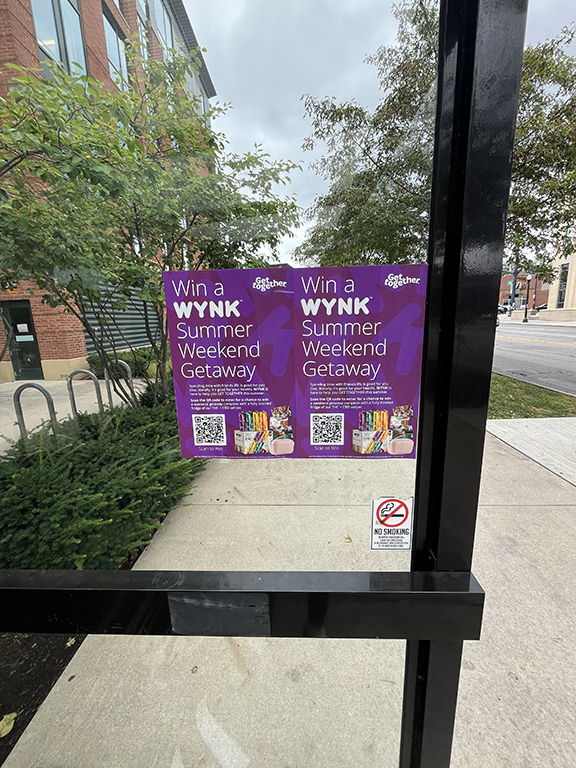
Valley Metro Phoenix’s bus shelter network is one of the most important in the country for reasons that have nothing to do with transit ridership alone. Phoenix’s extreme heat, which drives afternoon temperatures above 100 degrees Fahrenheit for much of the year, makes the covered bus shelter a critical survival infrastructure rather than a convenience. Riders use shelters with unusual attentiveness because the shelter is where they can sit, rest, and be safe from direct sun exposure during a wait. That survival attentiveness creates an advertising engagement environment that no transit shelter market in a temperate climate can replicate.
The shelter positions along Central Avenue from Camelback Road south through Midtown and downtown to the South Phoenix neighborhoods represent the highest-ridership shelter corridor in the Valley Metro Phoenix network. The Central Avenue shelters serve both the bus routes on that street and the light rail boarding areas at transfer stations, creating some of the highest daily impression volumes per shelter position of any transit advertising surface in Arizona. Shelters at the major Central Avenue light rail and bus connection points including Camelback/Central, Indian School/Central, Thomas/Central, McDowell/Central, and the downtown Washington/Central hub each serve thousands of daily transit users.
Advertising at Central Avenue shelter positions reaches the broadest cross-section of the Valley Metro transit system: light rail commuters, city bus riders, and the transfer riders who use these shelters as waypoints in multi-mode transit trips across the metro area. For brands seeking maximum Valley Metro network reach from a single shelter corridor, Central Avenue is the most efficient placement option in Phoenix.
The shelter stops in the Maryvale neighborhood along 35th Avenue and Buckeye Road serve the highest-density Latino community transit ridership in Phoenix. These are not casual shelter users: Maryvale’s transit-dependent households use the 35th Avenue stops daily for commuting, errands, medical appointments, and school runs, and they wait at these shelters through Phoenix’s extreme summer heat with patience born of genuine necessity. Shelter advertising in the Maryvale shelter cluster reaches this community with sustained, repeated exposure across the full campaign period in a context where the riders are fully present in the shelter environment.
Spanish-language creative at Maryvale shelter positions consistently outperforms English-only campaigns for the same brands in this geographic area, reflecting the community’s linguistic preference and the increased engagement that results from advertising that speaks directly to the audience in their primary language. For brands targeting the Phoenix Latino market specifically, Maryvale shelter positions are among the most precisely targeted advertising placements in the entire Phoenix metro area.
The shelter positions along Camelback Road east of Central Avenue through the Camelback Corridor office and retail district serve a more economically mixed ridership than the west Phoenix corridors, including office workers from the Camelback corporate district around 24th Street, retail workers from the Biltmore Fashion Park area near 24th Street and Camelback, and the transit users connecting between Camelback bus routes and the Biltmore light rail station. This corridor’s higher-income adjacent retail environment means shelter advertising near Biltmore and the Arcadia neighborhood approaches can reach a shopper demographic that the west Phoenix shelters do not serve.
What it is: A full backlit panel in a covered Valley Metro Phoenix shelter at a primary ridership location.
Best for: Brand campaigns requiring day-and-night visibility in Phoenix’s transit shelter network, where the extreme heat environment drives exceptionally high shelter dwell times and above-average advertising attentiveness.
Why buy it: At $3,850 for a four-week cycle, a premium Phoenix shelter display operates in one of the most attentive shelter advertising environments in the country. Phoenix riders spend more time in shelters per commute trip than riders in any major temperate market because the heat mandates shelter use. That enforced dwell time is advertising value. A premium shelter on a Maryvale or Central Avenue corridor position accumulates impression time from a genuinely captive and attentive audience that other markets’ shelter riders do not provide.
What it is: A mid-size shelter panel at a Valley Metro Phoenix stop, positioned for visibility to waiting riders and adjacent pedestrians.
Best for: Local Phoenix businesses, community health organizations, Spanish-language campaign placements at west Phoenix stops, and event promotions with a specific geographic focus within the Valley Metro Phoenix service area.
Why buy it: At $850 for a four-week cycle, the junior poster gives Phoenix-area local businesses and community organizations an accessible entry point to the shelter advertising environment. A Maryvale-area health clinic, a west Phoenix law firm, or a community organization running enrollment campaigns can place a junior poster at the shelter nearest to their service area and achieve consistent daily impressions with the community transit riders who use that stop.
What it is: A bench advertisement at a Valley Metro Phoenix stop, visible to seated riders, pedestrians, and vehicle traffic adjacent to the stop.
Best for: Sustained Phoenix neighborhood presence at specific stop locations, particularly at high-dwell stops where Phoenix heat mandates extended shelter use and bench occupancy.
Why buy it: At $700 for a four-week cycle, the Phoenix transit bench is the most accessible advertising entry point in the Valley Metro Phoenix inventory. In a market where bus stop dwell times rise because of heat, the bench advertising environment captures sustained attention from riders who are seated for the full interval wait. For neighborhood-level Phoenix businesses and community organizations, a bench at the right stop delivers four weeks of continuous presence to the transit community in that specific location.
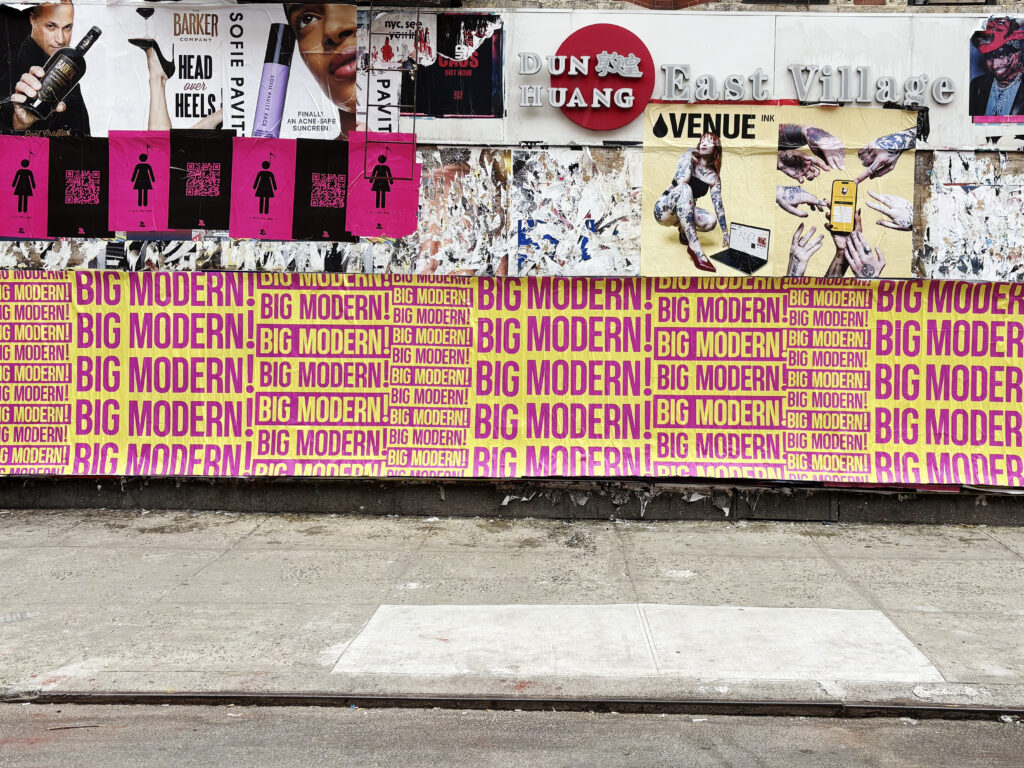
Phoenix’s urban arterial corridors offer strong complementary positions for AGM’s guerrilla marketing services alongside a Valley Metro bus advertising campaign. The city’s distinctive southwestern street geography, with wide arterials, low building heights, and abundant wall surface on commercial buildings along the primary bus routes, creates a natural snipe and wheatpaste environment that complements transit placements effectively.
Snipe advertising along Camelback Road, 35th Avenue, Central Avenue, and McDowell Road at the intersections and commercial blocks where Valley Metro routes run creates street-level touchpoints for both the transit rider and the vehicle audience moving through those corridors. In Phoenix’s auto-dominant environment, snipes that are visible from vehicles at traffic signals reach the same demographics as bus advertising but from the driving public rather than the bus-riding public.
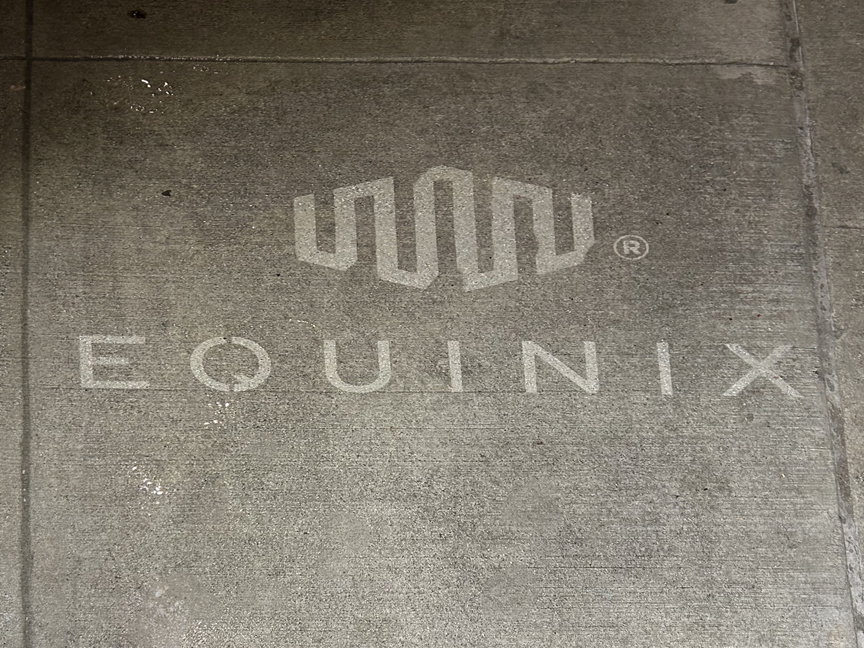
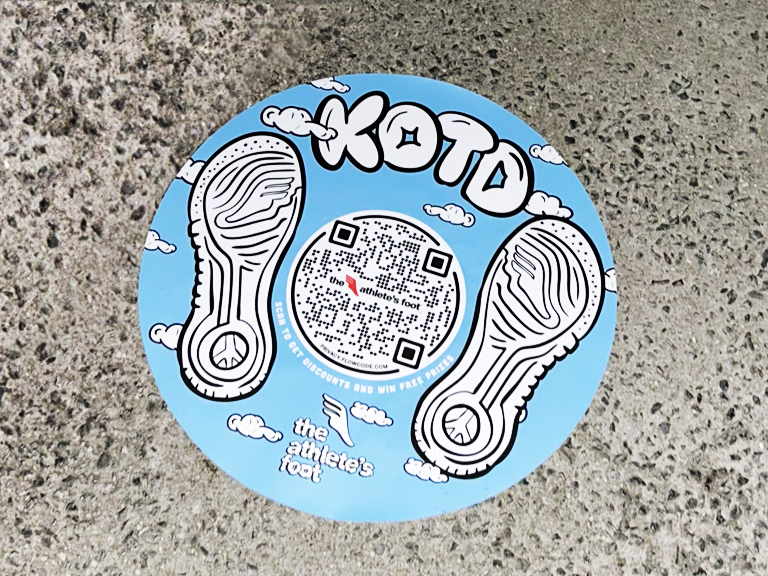
Sidewalk stencils at the primary Valley Metro Phoenix transfer points, particularly at the downtown Central and Washington hub and at the major Camelback and Central bus-to-light-rail connection shelters, create ground-level brand contact at the pedestrian-density zones of Phoenix’s transit network. For product launches and event activations in Phoenix, a stencil at the downtown transit hub creates a highly visible impression at the maximum daily foot traffic concentration in the city’s transit environment.
Take-one flyers at the community organizations, churches, laundromats, and gathering spaces in Maryvale, South Phoenix, and the central Phoenix neighborhoods adjacent to Valley Metro routes extend campaign messaging into the off-bus community spaces where transit riders spend their non-commuting time. A Spanish-language flyer at a Maryvale community center reinforces the same brand that riders saw on the 35th Avenue bus that morning.
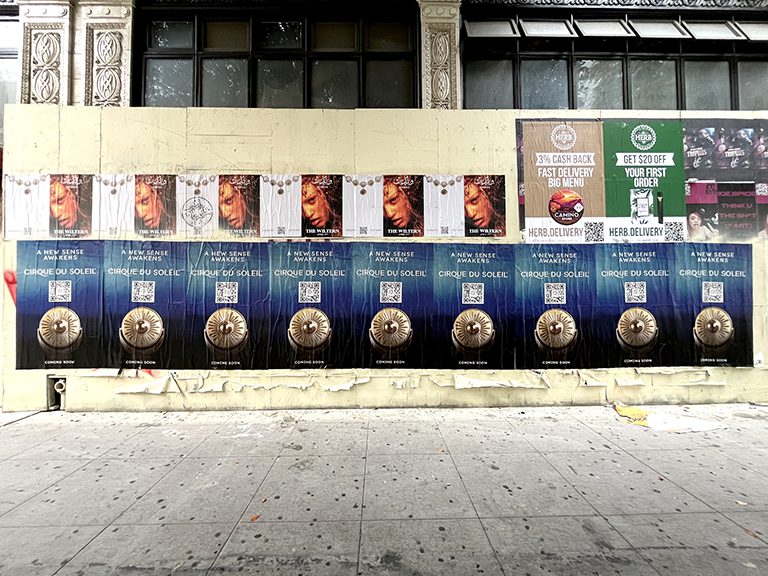
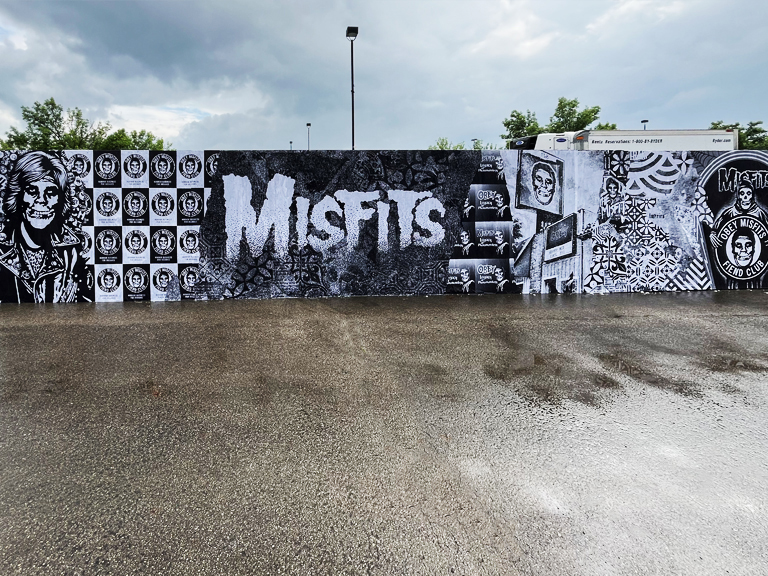
Wheatpasted poster campaigns on legal surfaces in Phoenix’s arts districts, including Roosevelt Row on 3rd Street between Fillmore and McDowell, and in the Garfield District along 7th Street, create large-format impressions for the walking and transit audience in the pedestrian-active neighborhoods adjacent to Phoenix’s primary transit corridors.
Healthcare systems including Banner Health, Dignity Health, and the Valleywise Health system use Valley Metro Phoenix bus advertising extensively for patient acquisition and service enrollment campaigns targeting the transit-dependent Phoenix communities that are the primary users of publicly funded and community health services. Spanish-language campaigns targeting the Maryvale and West Phoenix Latino community are among the most consistent users of the 35th Avenue and Camelback route interior advertising inventory. State and county government agencies run public information campaigns on the bus network to reach transit-dependent Phoenix communities with healthcare enrollment, utility assistance, voter registration, and community program information. QSR chains and grocery brands with West Phoenix and South Phoenix locations use bus interior and shelter advertising because proximity to store creates measurable foot traffic response when the advertising audience lives in the neighborhood of the store location. The Arizona Cardinals, Phoenix Suns, and Arizona Coyotes use transit advertising for game day and season ticket promotion, reaching the transit audience that uses Valley Metro for game day transportation to Chase Field, Footprint Center, and Gila River Arena.
The City of Phoenix operates its own bus routes primarily within Phoenix city limits, while the Valley Metro RPTA manages regional routes connecting the broader metro area including Tempe, Mesa, Scottsdale, Chandler, and Glendale. The two systems share branding and major transfer points, including the downtown Phoenix hub at Central and Washington. For advertisers targeting the Phoenix city demographic specifically, City of Phoenix bus routes are the primary placement channel. For advertisers targeting the broader Valley Metro metro commuter market including suburban communities, RPTA routes provide the extended geographic coverage. AGM can coordinate placement across both the City of Phoenix routes and RPTA regional service in a single campaign engagement for advertisers who need Valley-wide coverage.
Yes. Valley Metro Phoenix accepts Spanish-language creative for interior and shelter advertising formats. AGM recommends Spanish-language creative for campaigns targeting the west Phoenix Maryvale and Laveen communities where Spanish is the primary household language for a large majority of residents. Dual-language creative in both Spanish and English is also effective for routes serving mixed-language communities across the central and west Phoenix ridership areas. AGM advises on language strategy during the creative development phase of each Phoenix campaign based on the specific routes and communities being targeted.
Yes, and in a positive direction for shelter advertising specifically. Phoenix’s extreme summer heat from June through September drives unusually high shelter dwell times because riders avoid standing in direct sun. This translates to longer average exposure times at shelter advertising positions during the summer months than in temperate markets at any time of year. Interior bus advertising is not affected differently by the heat since the vehicles are air-conditioned, but the boarding and alighting moments when riders pass the headliner and exterior panels create especially strong impressions during summer when riders are actively seeking the shelter of the air-conditioned bus interior.
The highest-ridership City of Phoenix bus routes consistently include the Camelback Road corridor, the Central Avenue north-south routes, the McDowell Road and Thomas Road east-west routes through central Phoenix, and the Buckeye Road and 35th Avenue routes serving west and South Phoenix. The downtown Phoenix hub at Central and Washington is the single highest-impression location in the system as the convergence point for all major routes and the light rail transfer connection. AGM reviews current Valley Metro ridership data when building Phoenix campaign media plans to ensure route selections reflect actual current ridership rather than historical estimates.
Yes. The Valley Metro City of Phoenix bus network, specifically the routes serving west Phoenix’s Maryvale neighborhood along 35th Avenue, 43rd Avenue, and Buckeye Road, is one of the most direct transit advertising channels to the Phoenix Latino community in the state. Spanish-language creative on these routes reaches households where Spanish is the dominant or exclusive household language, creating a communication environment that English-only digital and broadcast campaigns miss entirely. For brands with products or services specifically relevant to the Phoenix Latino market, AGM recommends a dedicated west Phoenix route interior card or poster buy with Spanish-language creative as the primary approach, supplemented by Spanish-language shelter advertising at the highest-ridership Maryvale stop positions.
Valley Metro light rail advertising, including station platform, shelter, and vehicle interior placements on the light rail system, serves a different demographic than the city bus network. Light rail ridership in Phoenix skews more toward commuters from the suburban corridor (Tempe, Mesa, downtown Phoenix) and has a higher median income than the city bus ridership, which is more heavily Latino, more transit-dependent, and more concentrated in the west and south Phoenix communities. Bus advertising and light rail advertising are complementary rather than competitive: bus advertising reaches the transit-dependent community that does not use the light rail, while light rail advertising reaches the commuter market that uses light rail as a choice. A comprehensive Valley Metro Phoenix campaign can combine bus interior placements on the west Phoenix and South Phoenix routes with light rail station advertising for the commuter market through a single AGM media plan.
Standard Valley Metro Phoenix interior card and poster campaigns require two to four weeks from final artwork submission to installation. Premium shelter positions on high-ridership corridors including Central Avenue and the Camelback Corridor may book four to six weeks in advance. Full bus wraps require the most lead time at five to six weeks minimum. AGM recommends beginning the planning conversation six to eight weeks before the intended launch date for any Valley Metro Phoenix campaign to ensure availability and proper production and installation scheduling.
Valley Metro offers high-impact station and corridor domination packages at major Phoenix transit nodes including the downtown Central and Washington hub and the major light rail station environments. AGM has executed $10,000 Transit Station Surround Packages at the Phoenix downtown hub combining bus shelter advertising, station signage, and multiple bus interior placements across the routes serving the hub for advertisers who want a total saturation of the most-trafficked Phoenix transit environment. Contact AGM for current high-impact package availability at Phoenix transit hub locations.
Yes. AGM places transit advertising in Tucson (Sun Tran), Flagstaff (Mountain Line), the broader Phoenix metro (RPTA), and in other Southwest markets including Las Vegas, Albuquerque, and El Paso. A multi-state Southwest campaign that includes Valley Metro Phoenix city bus advertising can be structured and managed through a single AGM engagement, providing coordinated creative, production, and reporting across all Southwest markets in the campaign. For brands targeting the regional Hispanic market across Arizona and neighboring states, AGM can build a Spanish-language multi-market transit campaign that covers the primary Hispanic community transit ridership in the Southwest in a single integrated buy.
AGM provides photographic installation documentation for all Valley Metro Phoenix placements, including interior card and poster installation photos, shelter panel photos at each stop location, and exterior vehicle documentation for wraps. Ridership data from Valley Metro is used to calculate campaign impression estimates by route and campaign period. Post-campaign reporting includes all documentation photographs, placement location records, and estimated impression totals for the full campaign period. For regulated industry clients who need formal compliance documentation, AGM delivers the specific reporting format required by the client’s compliance framework.