American Guerrilla Marketing
Nationwide serivce
Media planning, media buying, billboard advertising, & guerrilla marketing

American Guerrilla Marketing places interior bus and shelter advertising on Mountain Line, Flagstaff’s city and Northern Arizona University campus transit system. Downtown Route 66, the NAU campus, Woodlands Village, and the East Flagstaff corridor. Direct execution.
Flagstaff is not an interchangeable market. Arizona’s highest-elevation city sits at 7,000 feet in the ponderosa pine forest of the San Francisco Peaks watershed, a mile above the Phoenix desert that most of the state occupies, with a character shaped equally by Northern Arizona University’s 30,000-plus students and by the city’s position as the gateway community for the Grand Canyon, Sedona, and the Colorado Plateau’s outdoor recreation economy. Mountain Line is Flagstaff’s city transit system, serving both the NAU campus community and the broader Flagstaff population across routes connecting the historic downtown on Route 66 to the university campus on South San Francisco Street, to the Woodlands Village commercial area in west Flagstaff, and to the residential neighborhoods that radiate from the city’s compact urban core.
The Mountain Line ridership is shaped by this dual character: NAU students on the campus-adjacent routes are the highest-volume segment, but the city-wide routes carry Flagstaff’s year-round community of outdoor industry workers, tourism and hospitality employees, healthcare staff at Flagstaff Medical Center on North Beaver Street, and the diverse population of a small high-altitude city with one of the most distinctive cultural geographies in Arizona. Mountain Line advertising reaches this community in a market where the cost per impression is substantially lower than Phoenix or Tucson and where the competitive advertising environment is less crowded than in Arizona’s major urban markets.
AGM has placed transit advertising campaigns in university-city markets and outdoor recreation community markets across the country. Flagstaff combines both, creating a transit advertising environment where student-targeted brands, outdoor recreation brands, tourism and hospitality brands, and community service organizations all have genuine audience alignment with Mountain Line’s ridership profile. We execute directly in markets like Flagstaff with the same professional approach we bring to Phoenix and Tucson, treating every market as its own specific advertising ecosystem.
AGM places interior bus and shelter advertising on Mountain Line routes across Flagstaff's NAU campus, Route 66 downtown, and community corridors. Tell us your target and we'll build the campaign.
Northern Arizona University’s campus in the heart of Flagstaff is the dominant economic and demographic force in the Mountain Line ridership base. NAU’s enrollment of 30,000-plus students fills the campus-adjacent routes during the academic year with a young adult demographic that is highly transit-engaged because Flagstaff’s compact geography and the NAU campus’s central location make transit a practical daily choice rather than a last resort. The Route 10 Campus Shuttle and the routes connecting the campus to the student apartment corridors along Milton Road and South San Francisco Street carry a dense student ridership that makes Mountain Line one of the most productive university-adjacent transit advertising environments in the Southwest.
Flagstaff’s outdoor recreation economy creates a second distinctive transit demographic: the outdoor industry workers, trail guides, ski resort employees, and adventure tourism workers who use Mountain Line for transportation between their employment at the Arizona Snowbowl ski resort approach, the Flagstaff Extreme zip line and ropes course on the north side, and the downtown gear and equipment retail district along San Francisco Street and Route 66. This outdoor worker demographic is younger, active-lifestyle-oriented, and specifically responsive to brands that connect to the outdoor recreation identity that defines Flagstaff’s cultural landscape.
The Grand Canyon and Sedona tourism corridor that flows through Flagstaff creates a transit-adjacent visitor economy that shapes the advertising environment on downtown Mountain Line routes. Visitors staying at downtown Flagstaff hotels before or after Grand Canyon trips use Mountain Line for the downtown experience, and shelter advertising in the downtown historic district reaches this visitor demographic in addition to the resident community during the summer peak tourism season from May through September.
The Mountain Line campus routes serving Northern Arizona University’s main campus off South San Francisco Street and the connecting routes to the student apartment corridor along Milton Road are the highest-ridership services in the system during the academic year. The NAU campus is compact enough that students use transit regularly for the trips between off-campus housing on the southern end of campus and the academic buildings clustered around the central campus quadrangle. Interior advertising on the NAU campus routes during the fall and spring semesters reaches a concentrated 18 to 24 demographic with the same student consumer profile that campus transit advertising targets in university markets nationally: brand-forming, digitally active, and in a daily discovery consumer mode.
Flagstaff’s specific character gives the NAU student transit audience a distinctive overlay that pure urban university markets lack: these are students who chose a mountain university community specifically, who are engaged with the outdoor recreation and environmental identity of the NAU and Flagstaff culture, and who respond to brands that align with that outdoor-oriented, sustainability-conscious, adventure-seeking campus identity. Consumer brands that connect to the outdoor, active, and environmentally aware positioning of the NAU student community perform above-average in this transit advertising environment compared to equivalent campus transit placements at urban universities without this outdoor cultural overlay.
Best advertiser categories: outdoor recreation and gear brands, student banking and financial products, food delivery services, sustainable consumer brands, outdoor apparel and footwear, local Flagstaff restaurants and entertainment venues targeting the NAU enrollment, and Arizona Snowbowl and outdoor recreation experience brands targeting the student adventure travel demographic.
Flagstaff’s historic downtown along Route 66 is one of Arizona’s most distinctive urban main streets: a compact grid of brick buildings from the late 19th and early 20th century housing independent restaurants, climbing gyms, outdoor gear shops, breweries, and the Hotel Monte Vista on Santa Fe Avenue that anchors the downtown boutique hotel market. Mountain Line routes running through the downtown Route 66 corridor connect the historic district to the NAU campus, to the Flagstaff Medical Center north of downtown, and to the residential neighborhoods of East Flagstaff along Butler Avenue. The ridership on these downtown routes is the most diverse in the Mountain Line system: students, downtown workers, medical center employees, and the outdoor recreation and tourism-adjacent community that defines Flagstaff’s year-round resident culture.
Interior advertising on the downtown Route 66 routes reaches the mixed-demographic Flagstaff community audience in the transit environment of a city where the downtown is genuinely the center of community life rather than an afterthought. The downtown Flagstaff rider is engaged with their environment, locally oriented, and responsive to brands that respect the Flagstaff community’s strong identity around independence, outdoor culture, and sustainability.
Best advertiser categories: downtown Flagstaff restaurants and breweries, outdoor gear brands with Flagstaff retail presence, tourism and recreation brands targeting the Flagstaff community and visitor market, Flagstaff Medical Center and healthcare brands, community organizations and public services, and regional brands establishing presence in northern Arizona’s primary urban market.
The Mountain Line routes serving the Woodlands Village shopping center on Woodlands Village Boulevard and the west Flagstaff commercial corridor carry a suburban consumer ridership connecting Flagstaff’s residential west side to the city’s primary big-box retail and grocery concentration. Target, Home Depot, Safeway, and the national chain retail anchors at Woodlands Village generate pedestrian traffic at the transit stops serving this corridor, and riders on these routes are often heading to or from everyday retail errands. The west Flagstaff ridership demographic is more family-oriented and working-class than the campus and downtown routes, reflecting the residential character of the neighborhoods it serves.
Interior advertising on the west Flagstaff Woodlands Village routes reaches the everyday consumer Flagstaff community rather than the student or outdoor recreation demographic. This is the Flagstaff household that buys groceries at Safeway, shops at Target, and relies on Mountain Line for the weekly retail trip because Flagstaff’s winter driving conditions and the limited parking at Woodlands Village make transit the practical choice. For brands with Flagstaff area retail distribution or services relevant to the family household demographic in a mid-sized Arizona mountain city, this corridor delivers a consumer audience that the campus and downtown routes do not primarily serve.
Best advertiser categories: grocery and pharmacy brands, retail chains with Flagstaff Woodlands Village locations, insurance and financial services, home improvement brands, and consumer goods targeting the Flagstaff family household demographic on the city’s residential west side.
The Mountain Line routes serving Flagstaff Medical Center on North Beaver Street and the East Flagstaff residential corridor along Butler Avenue carry a healthcare worker and residential community ridership. Flagstaff Medical Center is one of northern Arizona’s largest employers, drawing clinical and support staff from across the Flagstaff community and the rural communities served by the hospital’s regional healthcare network. Routes connecting the medical center to the downtown transit connection point and to the east Flagstaff residential neighborhoods carry healthcare workers on the morning and afternoon shift changes that generate the most consistent non-student ridership volumes in the system.
The east Flagstaff community along Butler Avenue and Lockett Road is home to a mix of Flagstaff’s Native American families, working-class households, and the outdoor recreation worker community that lives in the more affordable east side neighborhoods. Transit advertising on these routes reaches a diverse community demographic that includes both the professional healthcare worker and the service and outdoor industry worker who defines much of Flagstaff’s non-university residential community.
Best advertiser categories: Flagstaff Medical Center and Banner Health recruitment and patient outreach campaigns, healthcare and insurance brands, Native American community health programs, consumer brands targeting the east Flagstaff working community, and workforce development programs targeting the northern Arizona region.
What it is: A complete exterior wrap on a Mountain Line bus, creating a moving brand presence through Flagstaff’s compact city streets, the NAU campus, and the Route 66 historic downtown corridor.
Best for: Flagstaff-wide brand launches, NAU fall semester activations, and outdoor and adventure brands that want to position their brand within Flagstaff’s distinctive mountain community visual environment. A wrapped Mountain Line bus moving through the pine forest streets of Flagstaff carries a distinctly different brand association than the same wrap in Phoenix’s desert suburbs.
Why buy it: Mountain Line’s compact operating area means a single wrapped bus appears throughout the city multiple times daily, building a local market presence that larger systems require many more vehicles to replicate. In Flagstaff’s small-city environment, a distinctive wrapped bus becomes a genuine local conversation piece. Contact AGM for Mountain Line wrap pricing and availability.
What it is: A large-format interior posting running along the upper interior walls of Mountain Line buses.
Best for: System-wide Flagstaff brand awareness campaigns during the NAU academic year. A king poster buy across all Mountain Line routes reaches the full Flagstaff transit community including both the student and city resident ridership bases.
Why buy it: Mountain Line king poster campaigns reach Flagstaff’s transit community across the full semester period with the frequency that builds brand recall in a small-city market. The NAU student ridership’s repeat route behavior creates 20-plus impressions per rider over a four-week campaign, and the Flagstaff community riders add to that frequency the non-student daily community audience that makes Mountain Line advertising a complete Flagstaff market buy rather than purely a campus play. Contact AGM for Mountain Line king poster rates.
What it is: Distributed card placements throughout Mountain Line bus interiors at standard positions.
Best for: Local Flagstaff businesses, outdoor recreation brands targeting the NAU community, event promotions for Flagstaff’s active arts and entertainment calendar, and community organizations serving the Flagstaff population.
Why buy it: Interior cards are the most accessible Mountain Line format for Flagstaff’s strong independent business community. The downtown restaurants, gear shops, climbing gyms, and local service businesses that define Flagstaff’s commercial character can place interior cards on targeted Mountain Line routes for a budget that reflects local small business advertising economics. Flagstaff’s transit riders are community-engaged and locally loyal, making interior card advertising from local businesses particularly well-received in this market.
What it is: A mid-format interior posting on Mountain Line buses targeted to specific routes.
Best for: Route-specific campaigns on the NAU campus routes for student targeting, or the Route 66 downtown routes for the community and visitor demographic.
Why buy it: The queen poster allows Flagstaff advertisers to target the specific Mountain Line audience that matches their brand without committing to full-system coverage. An outdoor gear brand targeting NAU students places queens on campus routes. A downtown restaurant targeting the community and visitor audience places queens on the Route 66 downtown routes. Geographic precision is achievable on Mountain Line at a scale and cost appropriate to Flagstaff’s market size.
What it is: Cards at reading distance on Mountain Line seat backs for the rider behind.
Best for: QR code campaigns driving outdoor recreation bookings, restaurant reservations, event ticket sales, and app downloads from Mountain Line’s phone-active NAU student and outdoor community audience.
Why buy it: NAU students on Mountain Line campus routes are active phone users who are already browsing while in transit, and a QR code seat-back that links to a compelling digital destination converts their transit time into a direct response moment. For outdoor recreation brands with booking systems, local restaurants with online reservations, and event promoters with ticketing links, the seat-back QR code on Mountain Line captures a digitally active audience in a close-reading position perfect for phone-based conversion.
What it is: A horizontal card at the front interior of Mountain Line buses, seen at every boarding stop.
Best for: Simple brand messages and event announcements on Mountain Line’s campus and downtown routes where boarding frequency is highest.
Why buy it: On the NAU campus routes with their frequent stops at dorm and academic building locations, the headliner generates a boarding impression at each of the dozen or more stops per route run. For brands targeting NAU students with a simple, memorable message, the headliner on campus routes accumulates boarding impressions at a rate that compounds across the full academic year campaign period.
What it is: An exterior rear panel on Mountain Line buses visible to vehicle traffic following on Flagstaff’s streets.
Best for: Reaching Flagstaff vehicle traffic on Route 66, Milton Road, and South San Francisco Street where Mountain Line buses share the road with significant car traffic.
Why buy it: Flagstaff’s historic downtown Route 66 and the NAU campus approach on South San Francisco Street carry vehicle traffic that follows Mountain Line buses at the bus stops and signal intersections along these corridors. A tail display on these routes reaches the driving Flagstaff public in the same corridors the bus interior campaign targets, extending brand reach beyond the transit audience at no additional format cost.
What it is: Cards in the overhead panel of Mountain Line buses for standing riders during peak loads.
Best for: Peak academic year placements on NAU campus routes during the morning class period when campus buses fill to standing loads.
Why buy it: NAU campus routes during the fall and spring semester morning academic peaks carry standing loads of students heading to 8:00 AM and 9:00 AM classes. Overhead cards on these routes during peak periods reach the maximum Mountain Line audience during the most attentive transit moment of the academic day.
What it is: Perforated vinyl on Mountain Line windows visible from outside as a full graphic.
Best for: Exterior brand presence on Flagstaff’s downtown Route 66 corridor and the NAU campus approach where outdoor enthusiasts and tourists move through the streetscape on foot and by vehicle.
Why buy it: Flagstaff’s pedestrian-active downtown on Route 66 and the foot traffic near the NAU campus create a window vinyl audience that is specifically walking through the city’s most photographed and most identity-rich corridors. An outdoor or adventure brand with window vinyls on Mountain Line buses moving through downtown Flagstaff connects their brand to the Flagstaff outdoors identity in the exact physical environment that defines that identity.
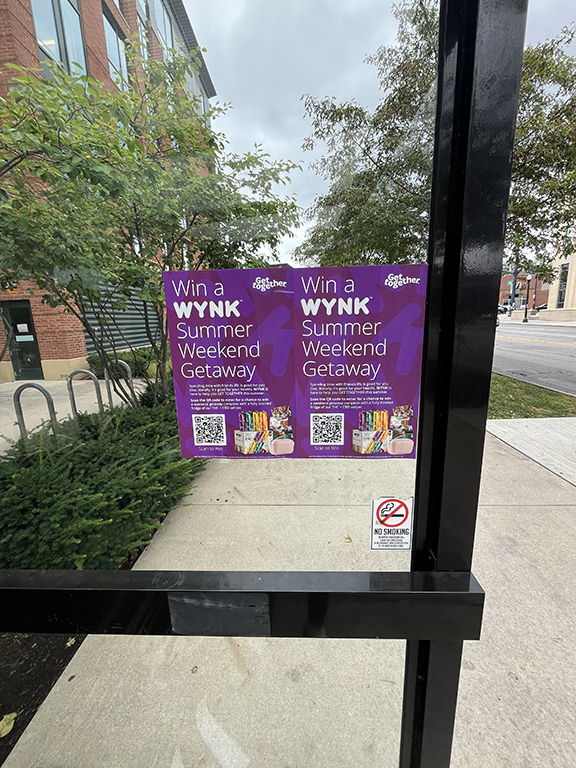
Mountain Line maintains covered shelters at key locations throughout Flagstaff, with the highest density along the NAU campus approach routes and at the downtown Route 66 hub stops. Flagstaff’s winter climate, which brings snow and sub-freezing temperatures from November through March, creates a shelter use pattern similar to Phoenix’s heat-driven shelter dwell: in Flagstaff, riders stay in shelters because standing in 20-degree weather while waiting for the bus is genuinely uncomfortable, driving above-average shelter dwell times during the winter academic months.
The shelter positions at the primary NAU campus entry points on South San Francisco Street and the campus approach roads serve the morning and afternoon academic commute peaks with concentrated student ridership. During the winter months, NAU students wait in these shelters to avoid Flagstaff’s alpine cold, creating extended advertising dwell times that are especially valuable for brands running campaigns during the fall and spring semesters when Flagstaff’s mountain climate makes shelter use non-negotiable.
The shelter positions in Flagstaff’s historic downtown on Route 66 near San Francisco Street and Aspen Avenue serve the community and visitor transit audience in the center of the city’s most walkable and most photographed commercial district. Flagstaff’s downtown draws visitors stopping on Route 66 cross-country trips, Grand Canyon-bound travelers, and the Sedona and northern Arizona outdoor recreation community year-round, creating a shelter advertising audience that includes both Flagstaff residents and the tourist and outdoor visitor demographic that passes through the city’s downtown hub regularly.
What it is: A full backlit panel in a covered Mountain Line shelter at a primary Flagstaff stop location.
Best for: Year-round brand campaigns at NAU campus approach and downtown Route 66 stop positions, where the mountain climate drives shelter dwell through both the winter cold months and the summer heat months.
Why buy it: At $3,850 for a four-week cycle, a Mountain Line premium shelter display at an NAU campus stop or the downtown Route 66 hub delivers illuminated, all-weather advertising presence at Flagstaff’s most-trafficked transit locations. Flagstaff’s climate drives above-average shelter use year-round, creating consistent advertising engagement across both the winter academic semester and the summer tourism peak.
What it is: A mid-size shelter panel at a Mountain Line stop in Flagstaff.
Best for: Local Flagstaff businesses, NAU campus-adjacent services, outdoor recreation brands targeting the student and community market, and event promotions for the Flagstaff arts and entertainment calendar.
Why buy it: At $850 for a four-week cycle, the Mountain Line junior poster gives Flagstaff’s strong independent business community an accessible shelter advertising entry point. A downtown Flagstaff brewery, a climbing gym, a local healthcare practice, or a community organization can place a junior poster at the relevant Mountain Line stop for four weeks of consistent community exposure.
What it is: A bench advertisement at a Mountain Line stop in Flagstaff.
Best for: Local community presence at specific Mountain Line stop locations, particularly at the NAU campus stops and the downtown Route 66 hub where rider frequency is highest.
Why buy it: At $700 for a four-week cycle, the Mountain Line transit bench is the most accessible advertising entry point in Flagstaff’s transit inventory. For a local Flagstaff business, community organization, or event promoter, a bench at the right Mountain Line stop delivers four weeks of continuous local presence to the transit community at that location.
Flagstaff’s outdoor culture, arts community, and the photographic orientation of both the NAU student population and the tourism visitor audience create a particularly receptive environment for AGM’s guerrilla marketing formats alongside a Mountain Line transit campaign.
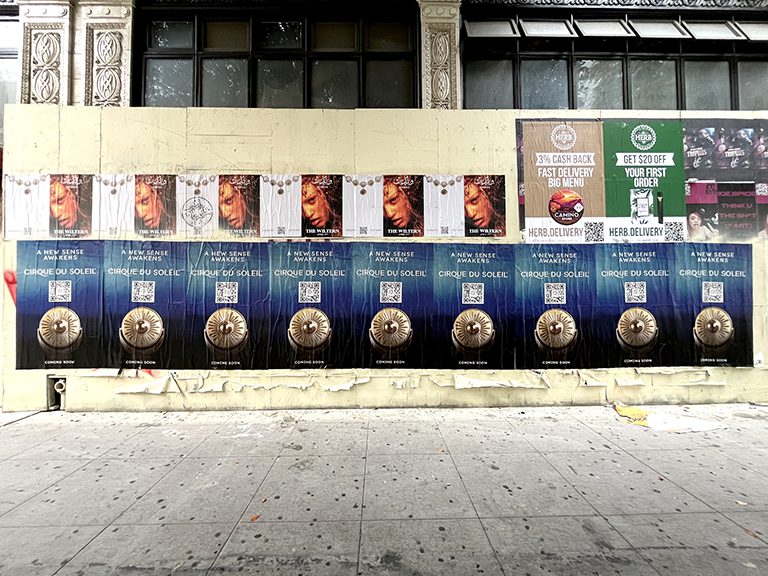
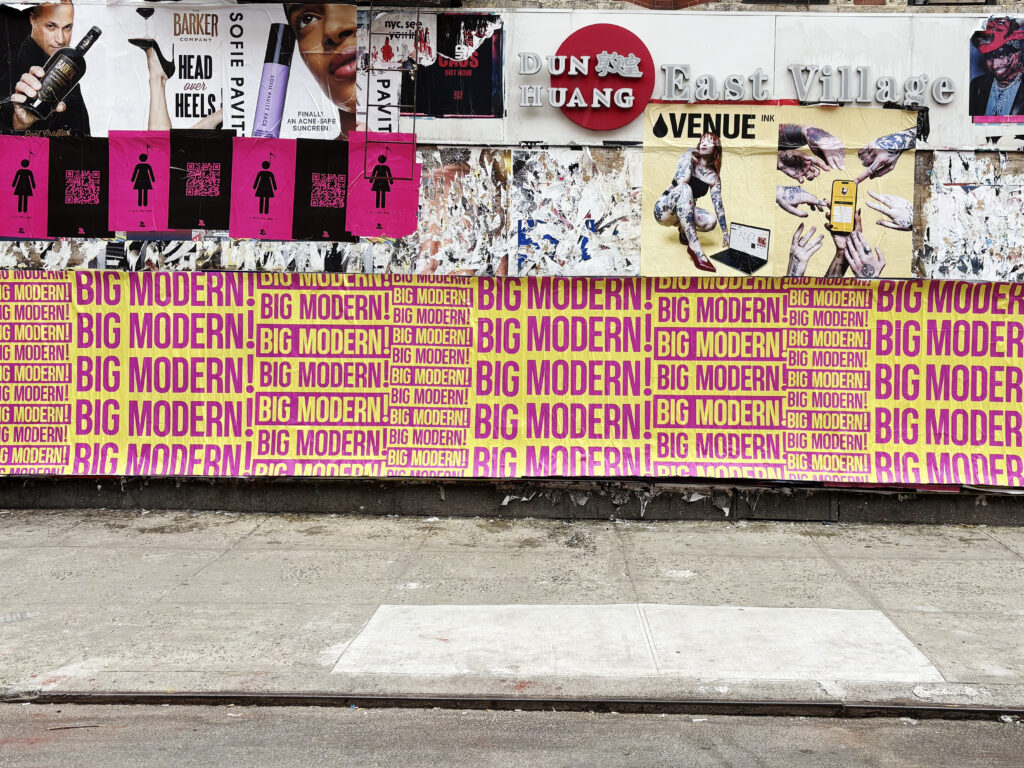
Snipe advertising at the pedestrian intersections of downtown Route 66 and San Francisco Street, at the NAU campus entry points, and at the outdoor recreation gear shop district on Santa Fe Avenue creates street-level brand contact in Flagstaff’s most walkable and most visually engaged commercial environments. In a city where the pedestrian experience on downtown streets is central to the Flagstaff identity, snipes at the right locations become part of the city’s visual fabric.
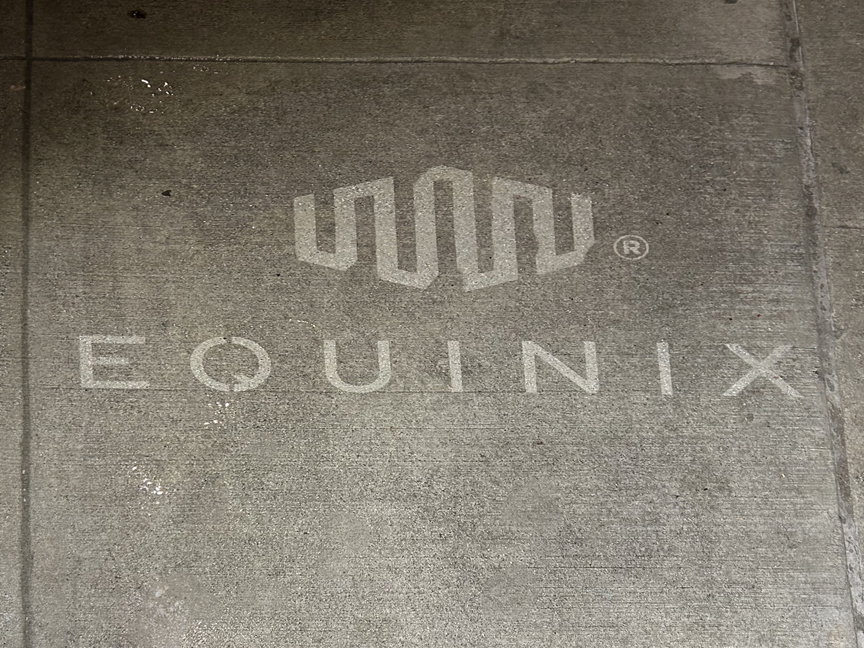
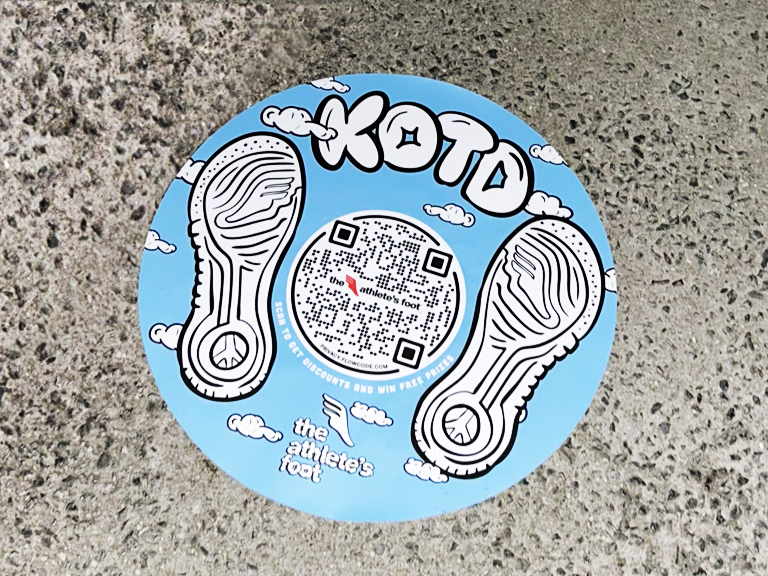
Sidewalk stencils at the primary Mountain Line stops on the NAU campus approach and at the Route 66 downtown hub create ground-level impressions at the pedestrian concentration points of Flagstaff’s most-traveled transit corridors. For outdoor brand activations and campus market campaigns, stencils at the NAU campus stop create a highly visible impression at the entry point where students begin and end their Mountain Line commute.
Take-one flyers at the downtown Flagstaff coffee shops, climbing gyms, and gear stores extend the Mountain Line campaign into the off-bus community spaces where the Flagstaff outdoor and student community spends time. Macy’s Coffee House on Beaver Street, Flagstaff Climbing on East Route 66, and the campus area coffee and study spots adjacent to Mountain Line routes are high-value take-one placement locations for the Flagstaff market.
Northern Arizona University uses Mountain Line extensively for student services outreach, health and wellness campaigns, and campus event promotion targeting the student ridership on campus routes during the academic year. Outdoor recreation brands including REI, Patagonia, and the independent gear shops on Santa Fe Avenue use Mountain Line for community and student market advertising. The Arizona Snowbowl ski resort uses transit advertising for season pass and day ticket promotion targeting the NAU student and Flagstaff community demographic during the fall and early winter season. Flagstaff Medical Center uses Mountain Line for healthcare recruitment and community health programs. Downtown Flagstaff’s independent restaurants and breweries, including the Flagstaff Brewing Company on Route 66, use Mountain Line interior cards for event and special promotion advertising targeting the student and community audience. Tourism brands targeting the Grand Canyon gateway visitor use Mountain Line for the downtown Flagstaff visitor audience during the summer peak.
Mountain Line ridership peaks during the NAU academic year from late August through May, when the campus routes carry their highest student ridership. Summer service continues with reduced frequency, serving the Flagstaff community resident base and the summer tourism traffic that moves through the downtown and visitor corridors. For brands targeting NAU students specifically, fall and spring semester campaigns are the primary windows. For brands targeting the year-round Flagstaff community including the outdoor recreation and tourism economy, campaigns that run through both the academic year and the summer tourism peak offer the most comprehensive Flagstaff market coverage.
Flagstaff’s alpine winter climate from November through March drives above-average transit use compared to warmer Arizona cities because winter driving conditions on Flagstaff’s snow-covered streets make transit a genuinely practical choice for many riders. Shelter dwell times increase during cold weather as riders avoid standing in sub-freezing temperatures outside the shelters, which benefits shelter advertising engagement during the winter months. Interior bus advertising is not negatively affected by winter; the air-conditioned (or heated) bus interior becomes a more attractive environment during cold weather, which maintains or increases bus boarding attentiveness during the winter academic period.
Yes. Mountain Line routes serve the Flagstaff Amtrak station on Santa Fe Avenue in the historic downtown, and the downtown Route 66 commercial district is within the core Mountain Line service area. The Amtrak station is a transfer point for visitors arriving by train and connecting to Mountain Line for transit into the NAU campus area and other Flagstaff destinations. Advertising at the Amtrak station stop and on the downtown routes reaching the historic district captures both the Flagstaff resident and the visitor arriving by rail, creating an advertising position that reaches both the community and the tourism audience at the same location.
Yes. Mountain Line’s routes serving the downtown outdoor gear and recreation district on Santa Fe Avenue and Route 66, and the routes connecting the east and west Flagstaff residential neighborhoods where outdoor and tourism workers live to the downtown and campus employment areas, carry the outdoor recreation workforce demographic that is one of Flagstaff’s distinctive labor market segments. Brands targeting this outdoor industry worker and guide community, including outdoor gear brands, financial services, and lifestyle consumer brands, can reach this demographic through targeted Mountain Line route placements on the routes serving their residential and employment corridors.
Mountain Line is a smaller system than Sun Tran, reflecting Flagstaff’s smaller population compared to Tucson. The Mountain Line market offers more geographic concentration (the city is more compact), a more distinctive community character, and a lower competitive advertising environment than Tucson. For brands that want presence in northern Arizona’s primary urban market, Mountain Line delivers that presence at a significantly lower cost than a Tucson or Phoenix market buy. The combined NAU student plus outdoor recreation community audience is a specific demographic combination that no other Arizona transit system provides.
Standard Mountain Line interior card and poster campaigns require two to four weeks of lead time from final artwork submission to installation. For fall semester campaigns launching in late August, AGM recommends beginning the planning process by mid-July. Premium shelter positions at NAU campus approach stops may have advance booking requests for the academic year fall semester launch. Contact AGM at least four to six weeks before the intended campaign launch date for Mountain Line campaigns.
Yes. NAU Lumberjacks athletic events, particularly home football games at the Walkup Skydome on campus, and the NAU athletic season generally create specific campaign opportunities on Mountain Line routes for brands targeting the NAU athletic fan base. Mountain Line may operate event-specific service on game days that supplements regular service, creating a game day ridership spike similar to what larger university markets experience. AGM can advise on available advertising positions for NAU athletic season campaigns and coordinate placements to maximize exposure during the home game schedule.
Yes, and AGM specifically recommends combining Mountain Line transit advertising with street-level guerrilla formats in the NAU campus and downtown Flagstaff environment for brands targeting the Flagstaff student and outdoor community. Snipes at campus entry points, sidewalk stencils at campus and downtown Mountain Line stops, and take-one materials at the campus coffee shops and outdoor gear stores create a multi-format presence that follows the Mountain Line rider from the bus stop through their daily campus and community experience. Flagstaff’s outdoor-aware, visually attentive community is particularly responsive to well-executed guerrilla campaigns that respect the aesthetic of the environment.
Mountain Line routes extend to the Flagstaff Mall area on East Route 66 and serve the commercial corridors in both east and west Flagstaff where grocery, pharmacy, and big-box retail is concentrated. The Woodlands Village area on the west side and the Flagstaff Mall corridor on the east connect the city’s retail geography to the downtown and campus core via Mountain Line routes, giving the full Flagstaff retail corridor advertising reach through the transit system’s commercial corridor routes.
AGM provides photographic installation documentation for all Mountain Line placements, including interior card and poster installation photos, shelter panel photos at each stop location, and exterior vehicle documentation for wraps. Post-campaign reporting includes all documentation photographs, placement location records, and estimated impression totals using Mountain Line ridership data for the campaign period and academic year schedule.