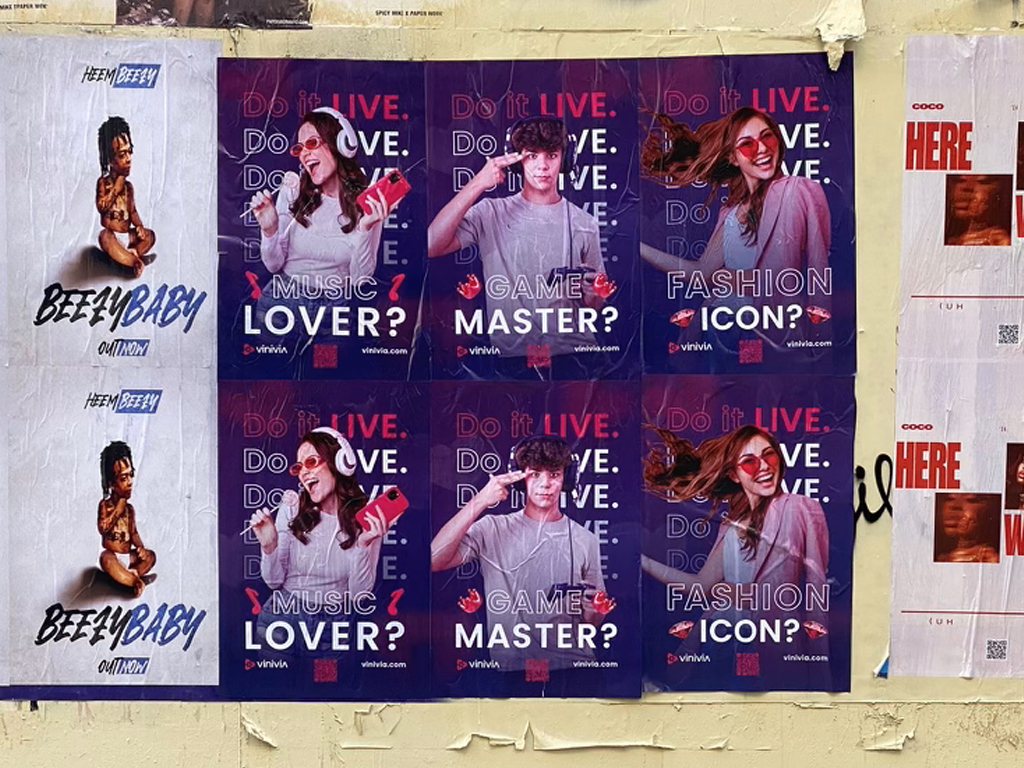
Wheatpasting for Streaming Platforms in Mexico City: Launch Strategy starts with matching the right streets, surfaces, audience, and campaign timing. We’ve coordinated CDMX wheatpaste campaigns for streaming platform clients — both audio and video — across multiple years of market activity. AGM’s field team manages the full coordination chain: brief intake in the US, operator deployment in CDMX, documentation compiled to platform reporting standards, and delivery within 24 hours of execution. From our experience running campaigns in Mexico City for platform clients, the documentation quality expectations are higher than for most brand categories.
Mexico is one of the most important streaming markets in Latin America, and Mexico City is its center of gravity. When Netflix launches a major original Mexican series, when Spotify promotes a new Mexican artist feature, when Apple TV+ or HBO Max drops prestige content targeted at the Latin American market — Mexico City is where physical marketing campaigns need to show up to generate the cultural momentum that drives global subscriber numbers.
Wheatpaste campaigns have become a standard tool in the streaming platform playbook for Mexico City precisely because they do something digital advertising can’t: they create a physical presence in the culturally influential neighborhoods that drive cultural conversation in the city. When a new Netflix series is on the walls of Roma Norte, it’s not just an advertisement — it’s a cultural signal that this is something the cultural class of Mexico City is supposed to be talking about.
This guide covers how streaming platforms structure Mexico City wheatpaste campaigns, which colonias they target for which campaign types, and what drives effective platform campaigns in CDMX.
Why Mexico City Matters for Streaming Platform Marketing
Mexico has one of the largest streaming subscriber bases in Latin America. Netflix Mexico consistently ranks among the platform’s top Latin American markets by subscriber count and by original content investment. The Mexican market has produced original series (Club de Cuervos, Narcos: Mexico, and dozens of others) that perform globally, not just locally.
Within that market, Mexico City concentrates the audience that functions as early adopters and cultural amplifiers. The 25-42 professional demographic concentrated in Roma Norte, Condesa, and Juárez is the streaming subscriber base that watches original content on premiere weekend, discusses it in their networks, and generates the social proof that drives broader subscriber uptake.
Streaming platform penetration in Mexico City’s central colonias significantly exceeds national averages. In Roma Norte, Condesa, and Polanco, household internet connectivity and smartphone penetration are among the highest in the country. This demographic is not just a streaming subscriber base — it’s the social network that amplifies content discovery for the wider market.
Campaign Types by Platform Category
Video Streaming Platforms (Netflix, Amazon, Apple TV+, Max)
Video streaming campaigns in Mexico City follow the theatrical film marketing playbook — which makes sense, since these platforms are competing with theatrical releases for the same prime-time attention. A major Netflix original series launch in Mexico City gets a campaign structure similar to a wide-release film: posters up 10-14 days before launch, concentrated in the colonias with highest subscriber concentration (Roma Norte, Condesa, Juárez, Polanco), with broader mass-awareness coverage in Centro and Doctores for series with wide appeal.
The visual approach for video streaming campaigns is typically dominated by the show’s key art — the same poster imagery that appears on the platform itself and in digital advertising. This consistency creates a multi-channel effect: someone who sees the poster in Roma Norte on Wednesday and then sees the platform’s digital advertising on Thursday is receiving a reinforced exposure across two different channels, which drives stronger recall than either exposure alone.
Music Streaming (Spotify, Apple Music)
Music streaming platform campaigns in Mexico City operate differently from video streaming campaigns. The most effective Spotify campaigns in CDMX aren’t promoting the platform itself (brand recognition is already saturated) — they’re promoting specific content: artists, playlists, podcasts, or Mexican original content. An artist-specific campaign on Spotify’s behalf works like any music release campaign — artist imagery, track or album title, a QR code or short URL to the platform.
Spotify’s “Wrapped” campaign (the annual personalized listening statistics release) has become one of the most visible platform campaigns in Mexico City, running across Roma Norte, Condesa, and Juárez in December with user-data-informed creative that generates strong social sharing and self-documentation from the audience. This is a specific case where the campaign is designed to be photographed and shared by the consumer — a loop between physical placement and digital amplification.
Colonia Strategy by Content Type
| Content Type |
Primary Colonias |
Secondary Colonias |
| Prestige drama / limited series |
Roma Norte, Condesa, Polanco |
Coyoacán, Juárez |
| Mexican original comedy / drama |
Roma Norte, Juárez, Narvarte |
Doctores, Centro |
| Music platform / artist campaign |
Roma Norte, Juárez, Doctores |
Condesa, Escandón |
| Platform brand campaign |
Roma Norte, Condesa, Centro |
Polanco, Coyoacán |
| Sports streaming |
Doctores, Centro, Narvarte |
Roma Norte, Condesa |
| True crime / documentary |
Roma Norte, Condesa, Coyoacán |
Juárez, Narvarte |
The QR Code Integration Question
Streaming campaigns in Mexico City increasingly incorporate QR codes on poster artwork linking directly to the platform content being promoted. This is both more and less effective than it sounds, depending on the colonia and the execution.
In Roma Norte and Condesa — colonias where smartphone use, app familiarity, and ambient willingness to scan codes are high — a well-placed QR code on a streaming campaign poster can generate measurable direct engagement. People who are already subscribers see the poster, scan the code, and work through directly to the promoted content. That’s a trackable conversion from street exposure to platform behavior.
In Centro Histórico or Doctores, QR code engagement is lower — not because of smartphone penetration issues, but because the street environment doesn’t create the same pausing, attentive behavior that Roma Norte’s café culture does. A QR code on a Centro poster is primarily a design element, not a functional engagement mechanism.
The most sophisticated streaming platform campaigns in Mexico City are built with a clear understanding of which colonias produce scanning behavior and which don’t. They include QR codes in the Roma Norte / Condesa version and run without them in the Centro / Doctores version — same campaign, different execution by zone.
Platform Brand Campaigns vs. Content-Specific Campaigns
There’s a meaningful distinction between a streaming platform running a brand campaign (promoting the platform itself, building overall subscriber awareness) and a content-specific campaign (promoting a specific series, film, or album release). Both happen in Mexico City, but they have different goals and different optimal campaign structures.
Brand campaigns are about establishing or reinforcing the platform’s presence in the city’s cultural consciousness. These run broader — more colonias, more locations, with platform-level messaging rather than content-specific imagery. The goal is not to drive plays of a specific title but to maintain the sense that this platform is part of the city’s cultural life.
Content-specific campaigns are about driving first-week engagement for a specific release. These are more targeted — fewer colonias, higher concentration in the neighborhoods where the target audience for that specific content lives, with creative that’s directly tied to the specific show, film, or artist. The goal is measurable impact on a specific piece of content’s performance metrics.
For international platforms entering or reinforcing their Mexico City presence, the right sequence is usually brand campaign first (establish that you exist and matter in this market), content campaign second (prove it with a specific release that performs). Running a content campaign without prior brand establishment in the city is asking content to do two jobs — sell the show and sell the platform — which stretches the message too thin.
How Streaming Platforms Structure CDMX Campaigns
The major streaming platforms — both audio (Spotify, Apple Music) and video (Netflix, Max, Amazon Prime Video, Disney+) — have treated Mexico City wheatpaste campaigns as a consistent element of their Mexican market strategy for several years. The approach varies by platform and by the type of content or artist being promoted, but the underlying logic is the same: Mexico City’s creative colonia audience is simultaneously a high-value consumer segment and a social media amplification source.
Spotify’s Mexico City campaigns are typically tied to artist releases or playlist launches, with poster creative featuring artist imagery and Spotify branding. These campaigns concentrate heavily in Roma Norte and Condesa, where the audience skews young, music-engaged, and platform-active. The poster design tends toward bold, high-contrast imagery that stands out in the street environment — the Spotify green and the artist’s face is a recognizable combination that fans photograph and share.
Netflix Mexico runs CDMX wheatpaste campaigns for original content launches, particularly for Mexican-produced series and films that have built-in local audience interest. The campaign creative for these launches often incorporates Spanish-language copy and imagery specific to the Mexican cultural context — a signal of investment in the local market that resonates differently than an English-language poster run in CDMX. We’ve coordinated campaigns for streaming content launches in Roma Norte, Condesa, and Coyoacán, and the Coyoacán placement consistently generates the most artistically engaged response for film and prestige television content.
From our experience running campaigns in Mexico City for streaming platform clients, the documentation requirement is often more specific than for other brand categories. Platforms typically need GPS-verified photo evidence for internal reporting on their Mexican market spend, and the photo format needs to meet specific resolution and context standards. AGM’s documentation protocol was built partly around the requirements these large platform clients brought to the table.
Mexico is one of the top-5 global markets for Spotify by monthly active users and one of Netflix’s largest markets in Latin America. The CDMX metro area’s 22 million residents include a highly platform-engaged young adult population — Mexico City’s urban 18-35 demographic streams music and video at rates comparable to major US and European cities.
Which Colonias Streaming Platforms Target in CDMX
Platform targeting decisions in Mexico City follow the same demographic logic as other lifestyle brand campaigns, but with a specific additional consideration: streaming audiences are identified by platform behavior, not just geography. The goal is to place physical campaigns where the platform’s most valuable user segments are physically concentrated.
For premium content platforms (Max, Apple TV+) targeting educated, affluent adult audiences, Polanco, Condesa, and the Roma Norte zones around Parque España represent the right demographic concentration. These colonias’ resident profiles match the subscriber demographics for premium streaming services.
For music platforms targeting the broad young-adult Mexican audience, the targeting expands: Roma Norte, Condesa, Juárez, and — for reggaeton and urban releases — corridors in the northern Cuauhtémoc zone and the Santa María la Ribera neighborhood. The music platform audience is less geographically concentrated in the premium colonias than the premium video platform audience.
For general entertainment platforms (Netflix, Amazon) targeting mass-market content, the targeting is broadest: Roma Norte and Condesa for the creative audience, Centro Histórico for mass reach, and metro-adjacent placements on high-traffic lines for total impression volume.
Documentation Standards for Streaming Platform Campaigns
Streaming platforms running CDMX campaigns through AGM receive documentation packages that meet the internal reporting standards these large organizations require. The specific elements that platform marketing teams consistently request:
- GPS coordinates in decimal degree format for every location, cross-referenceable against Google Maps
- Timestamped photos showing the date and time of the documentation capture (not just the execution night)
- Full poster in frame with visible street context — street sign or building number visible in every photo
- Location summary by colonia with placement counts, so the internal team can break down delivery by zone
- Exception log noting any locations where planned placements were modified and the reason
Platform clients that run recurring CDMX campaigns — multiple releases per year, or quarterly awareness campaigns — typically establish a documentation template with AGM that stays consistent across campaigns, allowing internal teams to compare campaign deliveries quarter over quarter without reformatting.
We’ve also provided platform clients with condition check reports at 7 and 14 days post-execution for campaigns with extended awareness windows. These reports document the current status of each placement — intact, partially covered, or removed — and allow the platform to understand the effective lifespan of the campaign before committing to the next cycle. That multi-week visibility data is the kind of operational intelligence that helps platforms make better decisions about campaign scale and timing in Mexico City.
Streaming Platforms and Event-Driven Campaigns
Beyond standard content launch campaigns, streaming platforms in Mexico City increasingly run event-driven campaigns that tie street presence to specific cultural moments. These campaigns are designed around concerts, film festivals, sporting events, and cultural holidays rather than release dates.
Spotify’s Mexico City team has run event-driven campaigns around Vive Latino, tying playlist promotions to the festival week with street presence concentrated in Roma Norte and the Foro Sol-adjacent zones. The logic: the Vive Latino audience is heavily Spotify-engaged, and a street campaign that appears in their neighborhood the week before a festival they’re attending creates a brand touchpoint in their physical environment that the digital campaign can’t replicate.
Netflix Mexico has used Día de Muertos as a campaign trigger for Mexican content releases — specifically for series and films with Mexican cultural themes that benefit from the holiday’s strengthend attention to Mexican cultural identity. Campaigns running in Roma Norte and Coyoacán during the holiday week reach audiences that are already in a Mexican cultural mindset and are more receptive to content that speaks to that context.
For streaming platform campaign planners, the opportunity with event-driven CDMX campaigns is the earned media amplification that comes from placing a campaign at the intersection of street presence and cultural moment. A poster seen during Vive Latino weekend by a festival attendee is more likely to be photographed and shared than the same poster seen on a random Tuesday in April. That contextual amplification is built into the campaign timing, not an accident.
AGM’s event calendar tracking for Mexico City includes all major cultural, music, and entertainment events with dates and audience profiles. When we’re briefing streaming platform clients on CDMX campaign timing, that calendar is the starting point for identifying which campaign windows deliver the best contextual alignment between the platform’s content priorities and the street-level cultural moment in the city.
What Streaming Launches Need From Street Media in Mexico City
Searchers interested in streaming and street marketing usually want to know how physical visibility contributes to launch momentum. In Mexico City, wheatpasting works best for platforms when it makes a show or drop feel culturally present beyond the app screen. That is especially valuable in entertainment categories where conversation and visual ubiquity matter.
Different releases need different route logic. A youth-skewing series, a prestige film, a music documentary, and a broad family title may each deserve a different neighborhood mix. The useful article is the one that connects content type to geography instead of treating every streaming launch the same way.
- Match neighborhood mix to the title category, audience age, and release stakes.
- Use posters to amplify launch moments, not replace the digital campaign.
- Keep artwork bold and instantly readable because many viewers see the poster in motion.
- Plan reporting that can be folded into internal launch recaps and partner decks.
That is the kind of planning detail search intent favors. The reader is usually not just asking whether posters are possible. They are asking how to use them well in a high-pressure release window.
The bottom line for planners is simple: treat mexico city wheatpasting streaming platforms as a campaign decision with tradeoffs, not as a generic city talking point. The campaigns that usually perform best in CDMX define the audience, route logic, reporting standard, and creative threshold before the first sheet goes to print.
That is also why the best briefs stay specific about neighborhoods, install timing, and proof of posting. In Mexico City, clarity before execution usually matters more than chasing a bigger poster count after the fact.
Frequently Asked Questions
Do streaming platforms use wheatpaste campaigns in Mexico City?
Yes. Netflix, Amazon Prime Video, Apple TV+, Spotify, and other platforms all use street-level campaigns in Mexico City as part of their content marketing strategy. Mexico City is one of the most important markets in Latin America for streaming platforms, and physical street presence in culturally influential colonias like Roma Norte is part of how platforms generate buzz for original content releases.
Which streaming platform uses Mexico City wheatpasting most extensively?
Netflix has the most visible street campaign presence in Mexico City, driven by the scale of their Mexican original content production and the importance of the Mexican market to their Latin American subscriber base. Spotify also runs significant street campaigns around playlist launches, artist features, and original content. Apple TV+ has run campaigns for prestige content drops.
What content types do streaming platforms promote with Mexico City wheatpaste campaigns?
Original Mexican series and films, international prestige series with strong Mexico City subscriber interest, music platform campaigns around major Mexican artist features, sports streaming campaigns around major Mexican sports events, and platform-level brand campaigns around subscriber growth periods.
Which Mexico City colonias do streaming platforms target?
Roma Norte, Condesa, Juárez, and Polanco for prestige content targeting the 25-45 demographic with high subscription rates. Centro Histórico and Doctores for broader awareness campaigns and content targeting mass-market audiences.
How do streaming platforms measure the impact of Mexico City wheatpaste campaigns?
Platform teams track title search volume and direct navigation to the promoted title in the days and weeks following street campaign activation. Social media monitoring for organic posts tagging the campaign location is a secondary signal. Some platforms conduct brand awareness surveys among consumers in the target colonias before and after campaign periods.