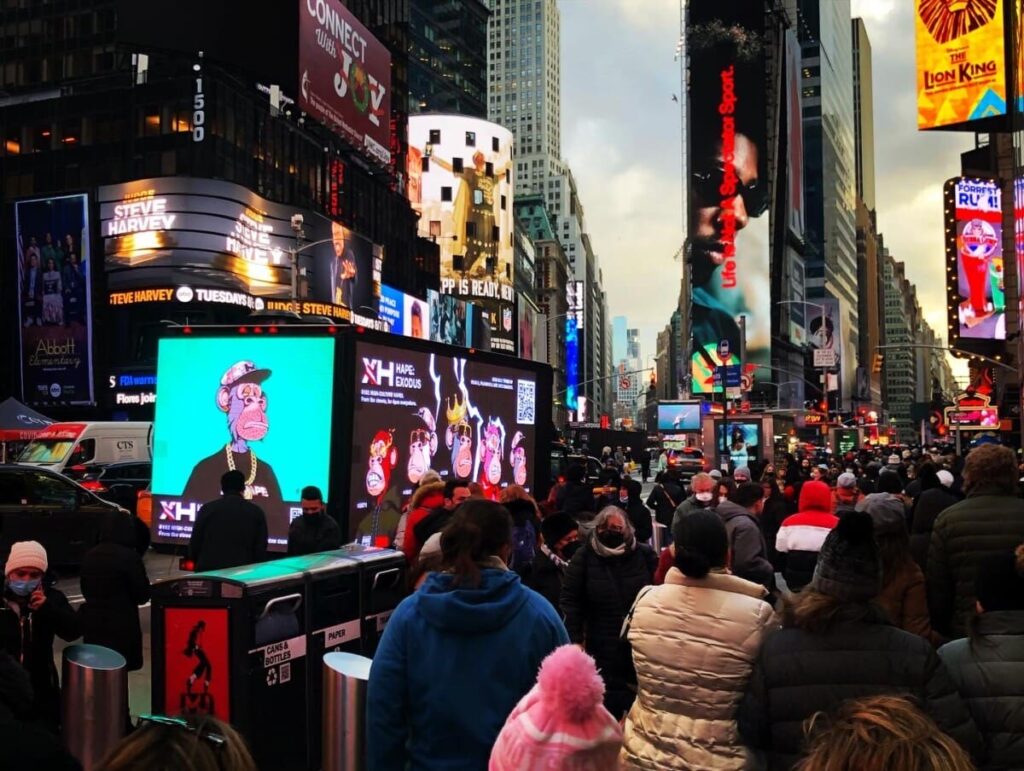
Media buying is one of those functions that shapes campaign outcomes more than most marketers acknowledge. Creative gets the credit when campaigns succeed. Media buying gets the blame when they do not. But the reality is that the same creative, placed in front of the right audience at the right time through the right channel, can perform 10 times better than it would with a poor media strategy. The placement is not secondary to the message — it is the context that determines whether the message lands.
At American Guerrilla Marketing, media buying is central to how we build and execute campaigns. We plan and buy out-of-home placements across 50+ U.S. markets, manage the vendor relationships that determine which inventory is available at which rates, and integrate OOH buys with street-level activations to create coordinated campaigns that work harder than any single channel can alone. Understanding what media buying is — and how it impacts your marketing — helps you make better decisions about where your budget goes and why.
This guide covers the fundamentals of media buying, how it differs from media planning, which channels it encompasses, and how effective buying decisions translate directly into better marketing performance.
What Media Buying Is — And What It Is Not
Media buying is the process of purchasing advertising space or time across paid channels to reach a target audience at the best possible cost. It involves negotiating with media vendors, evaluating inventory against audience and context criteria, managing campaign delivery, and optimizing placements based on performance data over the course of a campaign flight.
What media buying is not is a simple procurement exercise. The difference between buying media competently and buying it strategically is the difference between spending a budget and investing it. A competent media buyer secures the placements at the agreed rates. A strategic media buyer identifies which placements are undervalued relative to their audience quality, which inventory is available for negotiation at below-card rates, and which campaign structures will generate the most efficient performance against specific objectives.
The Difference Between Media Planning and Media Buying
Media planning and media buying are related but distinct disciplines. Planning determines the strategic framework: which channels, which audiences, which markets, which timing, and which formats will best achieve the campaign objectives with the available budget. Buying executes that plan by securing the specific placements at specific costs.
In practice, the best media teams treat planning and buying as a continuous loop rather than sequential steps. Buying intelligence — knowing what inventory is actually available, at what rates, and under what terms — informs the planning decisions. A plan built without buying market knowledge often collides with reality when it meets actual vendor availability and pricing.
The Channels Media Buying Covers
Media buying covers paid advertising across virtually every channel where audience attention is available for purchase. Understanding the distinct characteristics of each channel — and how buying works differently across them — is the foundation of effective media strategy.
Out-of-Home (OOH) Advertising
Out-of-home media buying covers billboards, transit advertising, street furniture, digital OOH networks, and specialty formats including stadium advertising and wrapped vehicles. OOH buying is primarily direct — you negotiate with the vendor that owns the physical structure rather than buying through an intermediary platform. This makes relationships, market knowledge, and negotiating skill more important in OOH than in most digital channels.
We specialize in out-of-home advertising across the full format spectrum. Our vendor relationships across 50+ markets give us access to competitive pricing and inventory visibility that media buyers without established market presence cannot match. We also layer guerrilla marketing tactics on top of traditional OOH buys — poster campaigns, stencils, and mobile billboard trucks — to extend campaign reach beyond standard inventory.
Digital Display and Programmatic
Digital display media buying has shifted dramatically toward programmatic platforms that automate the purchase of inventory in real time based on audience data signals. Programmatic buying gives advertisers the ability to target audiences with precision across millions of websites and apps, adjust bids based on performance, and manage campaigns at scale that would be impossible with direct publisher relationships.
The trade-off is transparency and context. Programmatic ads can appear in brand-unsafe environments, adjacent to inappropriate content, and in placements where viewability is low. Effective programmatic buying requires strong negative targeting lists, brand safety settings, and ongoing optimization that prevents budget from concentrating in low-quality inventory.
Paid Search
Paid search media buying captures active purchase intent by placing ads in front of users who are actively searching for relevant products or services. Buying is auction-based — advertisers bid on keywords, with placement determined by a combination of bid and ad quality score. The buying decisions in paid search — keyword selection, match types, bid strategies, negative keyword management — directly determine the quality of traffic the campaign generates.
Paid Social
Paid social media buying on platforms including Meta, LinkedIn, TikTok, and X involves selecting audience parameters, creative formats, bidding strategies, and campaign objectives within each platform’s self-serve interface. Unlike search, which captures existing demand, paid social interrupts audiences who are not actively looking for your product — making creative quality and audience targeting more critical to performance than in search buying.
Television and Streaming Video
Television media buying — including both traditional linear TV and connected TV / streaming video advertising — involves purchasing time slots across networks, shows, dayparts, and geographic markets. Linear TV buying is managed through direct negotiations with networks or their sales representatives; CTV buying is increasingly programmatic. Video advertising’s high creative production costs and longer lead times make buying decisions particularly consequential — a misallocated video budget is difficult to recover within a campaign flight.
How Media Buying Decisions Impact Marketing Results
Media buying decisions have a direct, measurable impact on every dimension of campaign performance. Understanding the specific levers that buying decisions control helps marketers allocate budget more intelligently and hold their media partners accountable for outcomes rather than just delivery.
Reach and Frequency
Reach — the number of unique individuals exposed to your campaign — and frequency — the average number of times each person sees it — are the two foundational metrics of media buying. Every buying decision is, at its core, a trade-off between these two dimensions. More reach means less frequency; more frequency means less reach, for the same budget.
The optimal balance between reach and frequency depends on campaign objectives. Awareness campaigns for new brands or new markets typically prioritize reach — getting in front of as many qualified prospects as possible. Conversion campaigns for brands with existing awareness typically prioritize frequency — ensuring prospects see the message enough times to move through the decision process.
Audience Quality
Reaching the right people matters as much as reaching enough people. A media buy that delivers enormous impressions among audiences with no relevance to your product generates zero business value at whatever cost it was purchased. Evaluating inventory against audience quality criteria — demographics, behavioral signals, purchase intent, geographic relevance — is the buying skill that separates efficient campaigns from wasteful ones.
Context and Environment
Where an ad appears shapes how it is perceived. Advertising in a premium content environment (a respected news outlet, a high-quality podcast, a well-maintained billboard location) generates different brand associations than the same ad appearing in a low-quality programmatic placement. Context is part of what you buy when you purchase media, not just a secondary consideration.
For OOH and street-level advertising, context is particularly concrete. A billboard on a premium urban corridor positions your brand alongside the visual landscape of that neighborhood. A street-level activation in a culturally relevant neighborhood creates different associations than the same activation in a generic retail environment. Our team scouts locations with environment quality in mind, not just traffic counts.
Negotiating Media Rates: Where the Real Buying Skill Lives
Published media rate cards are starting points, not final prices. Experienced media buyers know that most vendors have flexibility — in rate, added value, upgrade inventory, extended campaign flights, or bonus placements — that is available for buyers who know to ask and who have the vendor relationships that make negotiations productive.
Rate negotiation leverage comes from three primary sources: budget volume, relationship history, and market knowledge. Buyers who consistently deliver budget to specific vendors over multiple campaigns earn preferential rates that smaller, transactional buyers do not receive. Buyers who know what comparable inventory in a market trades for can identify overpriced placements and negotiate from an informed position. Buyers who move quickly and provide clean, easy business to vendors can extract timing-based discounts that rigid processes cannot capture.
Media Buying for Out-of-Home and Guerrilla Campaigns
OOH media buying is distinct from digital buying in several important ways. Inventory is finite and physical — a billboard location cannot be replicated or scaled the way a digital ad unit can. Availability varies by market, season, and lead time. Production requirements (vinyl printing, installation scheduling, permits) add lead time that digital campaigns do not face. And the buying relationship is with the vendor who owns the structure, not an automated platform.
Our team manages OOH media buying across markets as part of our guerrilla marketing services. We scout specific locations, evaluate audience quality and visibility, negotiate rates, coordinate production, and manage installation — then document everything with GPS-tagged photos and time-stamped reports that give clients concrete proof of campaign delivery.
Frequently Asked Questions About Media Buying
What is media buying?
Media buying is the process of purchasing advertising space or time across channels — television, radio, digital platforms, out-of-home, print, and more — to reach a target audience at the most efficient cost. It encompasses negotiating rates, selecting placements, managing campaign delivery, and optimizing spend based on performance data throughout a campaign flight.
What is the difference between media planning and media buying?
Media planning determines which channels, audiences, and timing will best achieve campaign objectives. Media buying executes that plan by negotiating and purchasing the specific placements identified in the media plan. Planning is strategic; buying is tactical execution. Both are essential for effective campaigns, and the best teams treat them as a continuous loop rather than sequential steps.
What channels does media buying cover?
Media buying covers paid advertising across television, radio, digital display, paid search, paid social, programmatic platforms, out-of-home advertising, print, podcasts, streaming audio and video, and outdoor formats including billboards, transit advertising, and digital OOH networks.
How does out-of-home media buying work?
OOH media buying involves identifying target markets and locations, evaluating available inventory from outdoor advertising vendors, negotiating rates and placements, confirming production specifications, managing installation, and tracking campaign delivery. OOH buying typically involves direct vendor negotiations rather than programmatic platforms, though digital OOH inventory is increasingly available through automated systems.
What is programmatic media buying?
Programmatic media buying uses automated technology platforms to purchase digital advertising inventory in real time, targeting specific audience segments based on data signals rather than buying fixed placements. It has become dominant in digital display and video and is expanding into connected TV and digital out-of-home. Effective programmatic buying requires strong brand safety controls and ongoing optimization to prevent budget concentration in low-quality inventory.
How does effective media buying impact marketing results?
Effective media buying directly impacts marketing results by maximizing reach and frequency within a given budget, selecting placements that concentrate impressions among the most relevant audience segments, and negotiating rates that stretch media budgets further. Poor media buying decisions can invalidate an otherwise strong creative and strategy investment by reaching the wrong audiences, paying above-market rates, or placing ads in contexts that undermine brand perception.