Walmart is not just America’s largest retailer — it is one of America’s most powerful advertising platforms. The 4,700+ Walmart stores visited by over 100 million Americans every week represent a physical media network of extraordinary reach, and Walmart’s retail media infrastructure — Walmart Connect — has transformed that physical presence into a sophisticated advertising ecosystem that combines in-store media, digital targeting, and first-party purchase data in ways that no external advertising platform can replicate. The in-store advertising revolution at Walmart is real, ongoing, and consequential for any brand that sells through Walmart or wants to reach the specific American consumer demographic that Walmart’s stores concentrate.
American Guerrilla Marketing works with brands on the full campaign spectrum — from street-level guerrilla marketing and brand ambassador programs to media strategy and retail media integration. We operate out of Industry City, Brooklyn, NY and plan campaigns across 50+ U.S. markets. For brands with Walmart distribution, the question of how street-level and out-of-home marketing integrates with in-store Walmart advertising is increasingly central to effective campaign planning. This guide covers the Walmart advertising ecosystem, how it works, what it costs, and how to integrate it with broader campaign strategy.
Understanding Walmart’s Retail Media Ecosystem
Walmart’s retail media infrastructure has evolved significantly over the past five years. The company has invested heavily in building the data infrastructure, digital in-store hardware, and advertiser tools necessary to compete with Amazon’s retail media dominance. The result is a multi-layer advertising ecosystem that spans digital, in-store physical, and connected TV channels — all anchored by Walmart’s unmatched first-party purchase data.
Walmart Connect: The Core Platform
Walmart Connect is the brand-facing advertiser platform through which brands access Walmart’s digital advertising inventory — search advertising on Walmart.com, display advertising on Walmart’s digital properties and owned apps, and in-store digital screen inventory. The platform functions similarly to Amazon’s advertising console: brands set up campaigns, select audience targeting parameters, manage bids, and measure performance through Walmart’s reporting infrastructure. The core advantage of Walmart Connect is the targeting — campaigns can be scoped to Walmart’s verified shopper audiences based on real purchase data, making it one of the few advertising platforms where you are literally reaching people who have bought in your category at Walmart.
Walmart Display and Sponsored Products
Within Walmart Connect, the primary digital ad formats are sponsored products (search-result placements on Walmart.com triggered by category keywords) and display advertising (banner, carousel, and video placements across Walmart’s digital properties). Sponsored products are the most direct sales-driving format — appearing at the moment of active purchase intent in the Walmart shopping environment. Display placements serve brand awareness objectives across Walmart’s broader digital ecosystem including the Walmart app, Walmart.com editorial pages, and Walmart’s audience network (extending to third-party publisher inventory targeted to Walmart shopper segments).
In-Store Digital Screens and Audio
Walmart has been actively expanding its in-store digital media infrastructure — installing large-format digital displays at self-checkout areas, in-store TV screens throughout the store, and audio advertisement capability through the Walmart store PA system. These in-store digital touchpoints create advertising opportunities at the moment of physical purchase decision — when the consumer is already in the store, already in the category aisle, already reaching for a product. The closed-loop nature of in-store advertising — able to be directly tied to sales lift because Walmart controls both the ad placement and the transaction — makes it uniquely measurable compared to out-of-store advertising channels.
In-Store Advertising Formats at Walmart
Beyond the Walmart Connect digital advertising platform, brands have access to physical in-store advertising formats that create presence in the shopping environment. Understanding these formats — and how they are managed, priced, and allocated — is essential for brands building a comprehensive Walmart advertising strategy.
Endcap and Off-Shelf Display Placements
Endcap placements — the product display positions at the end of store aisles — are among the most valuable in-store advertising real estate in retail. Walmart endcaps are negotiated through the Walmart buyer relationship as part of the brand’s trade terms and category management plan, rather than through Walmart Connect. These placements require coordination between the brand’s sales team, Walmart’s category buyer, and the brand’s shopper marketing operation. Endcap pricing is typically embedded in trade promotion agreements rather than quoted as standalone media costs.
Walmart Sampling and Demonstration Programs
Product sampling and live demonstration events inside Walmart stores — staffed by trained product ambassadors who engage shoppers at the point of sale — represent one of the most direct sales conversion tools available to CPG brands with Walmart distribution. These programs are managed through Walmart’s approved demonstration service vendors and require advance planning and Walmart category team approval. The conversion rates from in-store product demonstrations consistently exceed those from any external advertising format, because the demonstration occurs at the exact point of purchase decision with a skilled representative creating the product experience in real time. Our brand ambassador programs can be integrated with Walmart’s approved demonstration vendor structure for brands seeking external execution support.
Digital Self-Checkout Screen Advertising
The most accessible in-store digital advertising format is the self-checkout screen network — digital displays at Walmart self-checkout stations that run branded advertising content during checkout queues. These placements capture attention at the end of the shopping journey, when the consumer’s basket is set but they are in a moment of waiting and attention availability. Content in this format is typically short-form (15-30 second video or animated creative) and works best for brand reinforcement or promotional messaging tied to the current shopping moment rather than new product introduction.
Walmart Luminate: Data-Driven Advertising Intelligence
Walmart Luminate is Walmart’s data intelligence platform that gives brands access to Walmart’s first-party shopper data for campaign targeting, business analysis, and performance measurement. Luminate represents a significant evolution in how Walmart enables brands to use purchase data — moving from post-campaign reporting to active campaign optimization using real-time purchase signals.
What Luminate Data Includes
Luminate provides brands with access to shopper purchase history data aggregated at the category and product level — including unit sales by SKU, basket composition (what else shoppers buy alongside your product), store-level performance, shopper visit frequency, and demographic profiles of Walmart shoppers in your category. This data powers both campaign targeting decisions (who to reach) and performance measurement (did the campaign drive incremental sales).
Using Luminate for Campaign Optimization
Brands with Luminate access can identify the specific Walmart shopper segments most likely to convert in their category — by purchase history, demographic profile, geographic location, and purchase frequency — and build Walmart Connect campaigns targeted specifically to those segments. The closed-loop nature of Luminate measurement — tying ad exposure to actual in-store and online purchase at Walmart — makes campaign ROI measurement more reliable than virtually any external media attribution methodology.
Integrating Walmart Advertising with Out-of-Store Campaigns
Walmart advertising does not operate most effectively in isolation. The most powerful campaign frameworks treat Walmart in-store and digital advertising as the conversion layer of a broader multi-channel campaign — where out-of-store channels create awareness, preference, and purchase intent, and Walmart placements close the sale at the point of decision.
OOH and Street-Level Marketing as Walmart Awareness Drivers
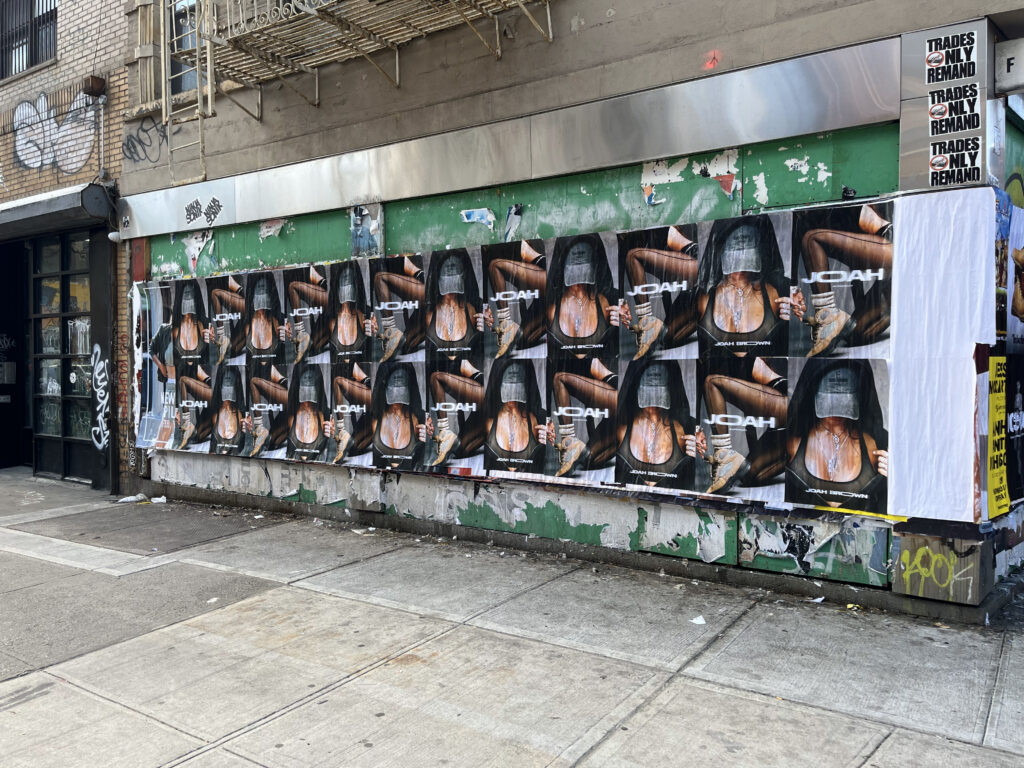
Out-of-home advertising and street-level campaigns in markets with Walmart store concentration create brand awareness among the exact consumer demographic that shops Walmart — suburban and mid-market households, price-conscious but brand-aware consumers, families and dual-income households in secondary and tertiary markets. Poster campaigns, LED billboard trucks deployed near Walmart locations, and experiential activations in retail corridors serving Walmart-dense markets create the awareness that drives in-store Walmart purchasing. The combination of out-of-store awareness and in-store conversion advertising creates a full-funnel approach that outperforms either channel independently.
Geo-Targeted CTV Aligned with Walmart Markets
CTV campaigns geo-targeted to zip codes with high Walmart store density and Walmart shopper concentration create household-level awareness in the living room environment that reinforces in-store Walmart advertising at the purchase moment. This out-of-home/CTV/in-store integration — with each channel reinforcing the others at different moments in the consumer journey — represents the state-of-the-art approach for CPG brands managing significant Walmart sales volume.
Competitive Conquest Strategies
For brands competing against established Walmart category incumbents, out-of-store guerrilla and OOH tactics can be deployed in Walmart store vicinity to intercept shoppers before they enter the store — creating brand preference through outdoor exposure that competes with the in-store visual presence of established competitors who have secured better shelf position. This approach — using street-level presence to influence the shopping decision before the shopper reaches the shelf — is one of the most cost-effective competitive strategies available to challenger brands with Walmart distribution.
Walmart+ and the Evolving Advertising Opportunity
Walmart+, the subscription membership program, has added a new advertising dimension to Walmart’s ecosystem. Walmart+ members — who receive free delivery, fuel discounts, and Paramount+ access — represent a higher-engagement, higher-income Walmart shopper segment relative to standard Walmart shoppers. Advertising opportunities within the Walmart+ member experience are expanding as the program grows, and brands with products that appeal to the Walmart+ demographic should actively monitor these placements as the program matures.
Walmart Fulfillment Services and Advertising Integration
Brands using Walmart Fulfillment Services (WFS) for ecommerce fulfillment have additional advertising integration opportunities — their products are eligible for enhanced placement within Walmart’s two-day delivery and pickup assortment, creating conversion advantages for brands that combine advertising investment with logistics investment in the Walmart ecosystem. The brands that perform best in Walmart’s advertising environment are typically those that have made integrated commitments across advertising, logistics, and trade terms rather than treating advertising as an isolated channel.
Building a Walmart Advertising Strategy
A functional Walmart advertising strategy requires coordination across the brand’s sales team (who manages the Walmart buyer relationship), the shopper marketing function (who manages trade promotions and in-store programs), and the brand marketing function (who manages awareness and preference-building campaigns). Without this internal coordination, brands end up with disjointed Walmart investments — advertising driving awareness for products without in-store distribution in target markets, or in-store promotions for products without supporting awareness campaigns.
Start with the Shopper Journey
The foundation of effective Walmart advertising strategy is a clear map of the Walmart shopper’s journey for your category: where they become aware of your product category, where they form preferences, how they decide which product to buy, and what finally prompts the purchase. Different advertising formats serve different stages of this journey — awareness formats reach shoppers before they enter the Walmart buying mindset; search and sponsored products reach them at the moment of active category search; endcap and sampling reach them at the moment of physical purchase decision.
Frequently Asked Questions: Walmart In-Store Advertising
What is Walmart Connect and how does it work?
Walmart Connect is Walmart’s retail media platform for purchasing advertising across Walmart’s digital properties and in-store media. Brands access sponsored product placements, display advertising, and in-store digital screen inventory through Walmart Connect, targeting Walmart’s first-party shopper audience data for campaign precision.
What in-store advertising options does Walmart offer?
Digital screen advertising at self-checkout displays and in-store TVs, in-store audio announcements, endcap and off-shelf display placements, sampling and demonstration programs, and pickup/delivery advertising placements. These formats serve different funnel stages and are managed through different processes — some through Walmart Connect directly, others through the Walmart buyer relationship and approved vendor partners.
How does Walmart’s retail media compare to Amazon’s?
Amazon DSP has higher digital reach and more mature programmatic infrastructure. Walmart Connect has the advantage of in-store advertising access across 4,700+ physical stores and Walmart’s unmatched reach into middle-market and suburban American households. For CPG brands targeting mass-market American consumers across physical and digital channels, Walmart Connect is often the stronger platform for driving brick-and-mortar sales lift.
Can brands run sampling and demonstration programs inside Walmart?
Yes, through Walmart’s approved demonstration service vendors. Programs require advance planning, Walmart category team approval, and booking months ahead for peak promotional windows. Conversion rates from in-store demonstrations consistently exceed external advertising formats because they create the product experience at the exact point of purchase decision.
What is Walmart Luminate?
Walmart Luminate is Walmart’s data intelligence platform providing brands with access to first-party shopper data — purchase history, basket composition, store-level performance, and shopper demographic profiles. Luminate powers Walmart Connect campaign targeting and enables closed-loop measurement tying ad exposure directly to in-store and online purchase outcomes.
How should brands integrate Walmart in-store advertising with out-of-store campaigns?
Treat Walmart in-store advertising as the conversion layer of a broader campaign — where out-of-store channels (OOH, CTV, guerrilla marketing) build brand awareness and preference, and Walmart placements close the sale at the point of physical or digital purchase decision. Coordinating timing between awareness campaigns and in-store conversion placements creates full-funnel performance that significantly outperforms either channel operating independently.
Frequently Asked Questions
What is walmart advertising the in store advertising revolution?
American Guerrilla Marketing provides walmart advertising the in store advertising revolution services across 50+ U.S. markets. Every campaign is planned, scouted, executed, and GPS-documented by our field teams. We work with regional brands and Fortune 500 companies on campaigns that require real street-level execution and documented proof of performance.
How does AGM approach advertising revolution?
Our process starts with a market consultation to understand your goals, target audience, and budget. We then scout locations, handle any required permissions or permits, coordinate production and installation with our local crews, and provide a full GPS-tagged photo report after the campaign runs.
What markets does American Guerrilla Marketing cover for advertising revolution?
We operate in 50+ U.S. markets including New York, Los Angeles, Chicago, Miami, Houston, Atlanta, Seattle, Denver, Boston, and dozens of secondary markets. Contact us to confirm availability and pricing for your specific market.
How much does a advertising revolution campaign cost?
Campaign pricing depends on market, format, quantity, and duration. We work with budgets ranging from targeted single-market runs to national rollouts across multiple cities. Use our RFP Builder or contact us directly for a custom quote based on your specific campaign requirements.
How do I get started with advertising revolution through AGM?
The fastest way to get started is to submit your campaign details through our RFP Builder at americanguerrillamarketing.com, or contact us directly at [email protected] or (646) 776-2770. Our team typically responds within one business day with availability and initial pricing.